

 English
 简体中文
简体中文Why Many Factories Still Prefer Manual Systems
Why factories prefer manual material handling Covers cost realities, flexibility, low-volume operations, and when automation does not pay off
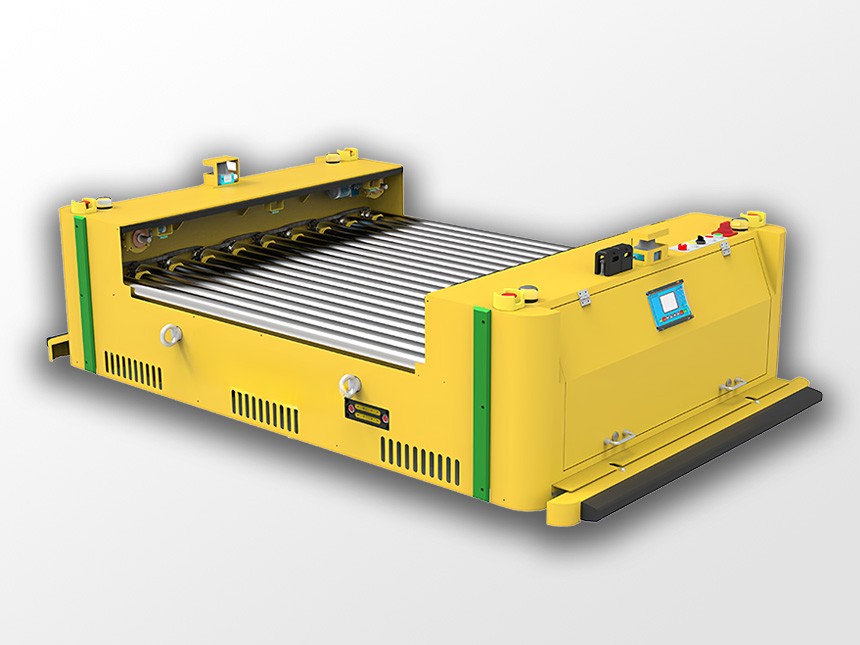
Why factories prefer manual material handling Covers cost realities, flexibility, low-volume operations, and when automation does not pay off
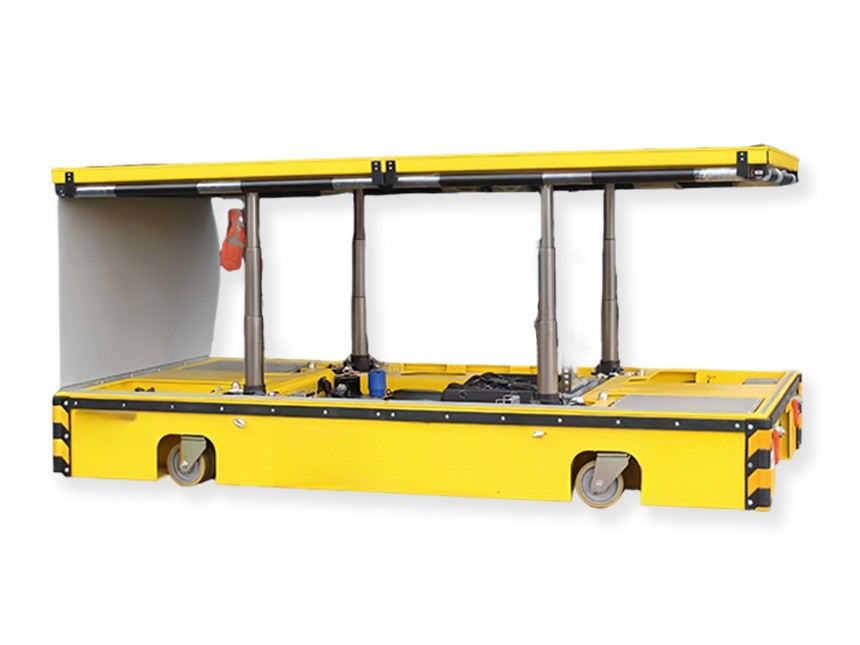
Selecting the best electric flatbed cart for heavy loads: capacity calculation, drive configuration, speed, power, and budget guide
Battery vs cable powered transfer carts comparison Covers battery and cable technology, when each excels, and hybrid power solutions
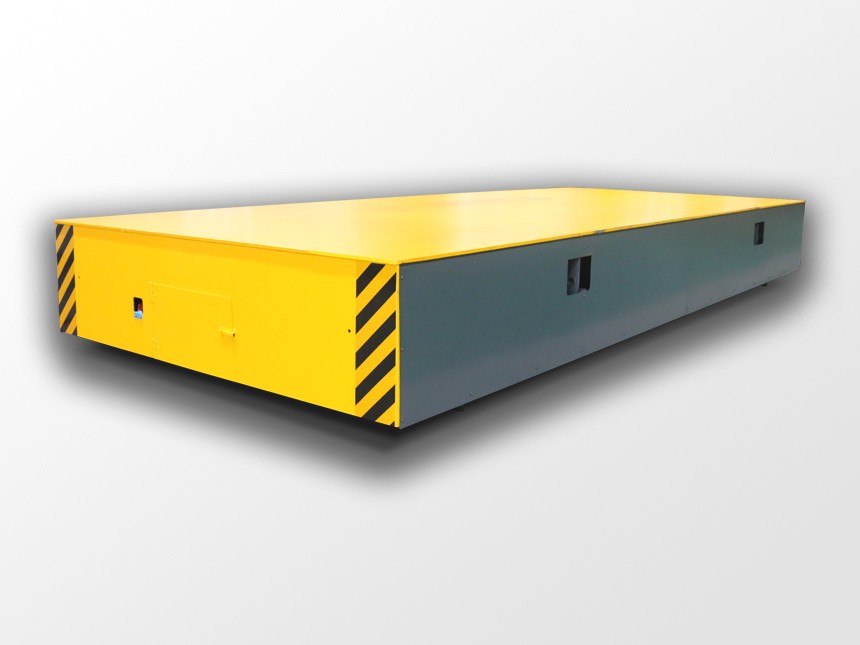
Material transport safety in factories: route design, load securing, pedestrian protection, operator training, and compliance standards
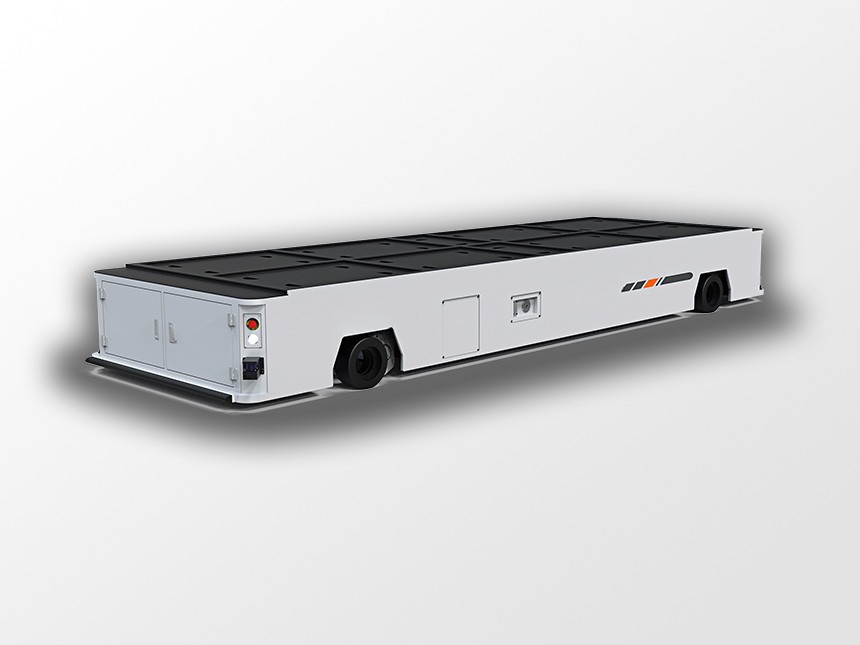
Choosing between manual and automated material handling Cost comparison, volume thresholds, hybrid approaches, and decision framework for factories
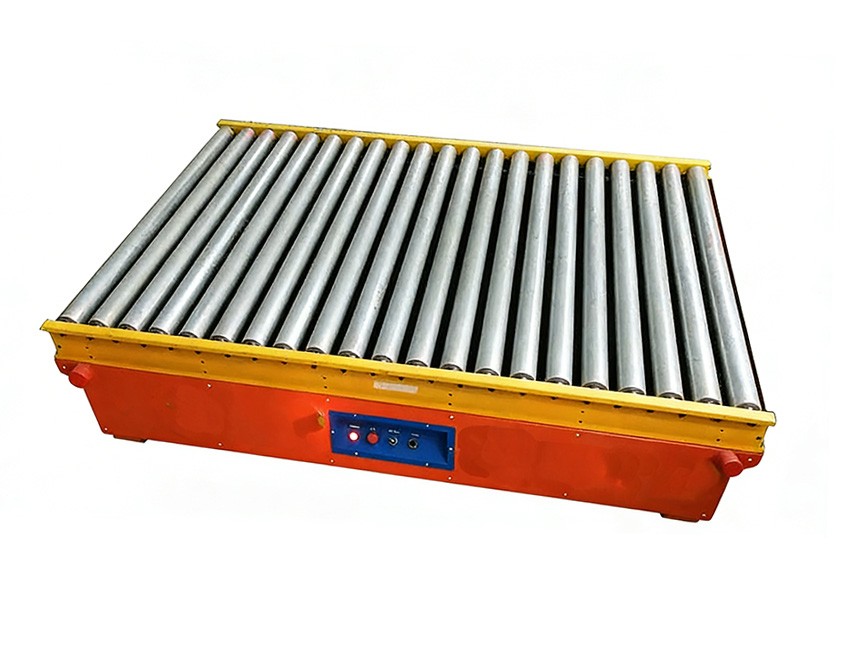
Drive systems in electric flatbed carts explained Covers AC motor drives, DC controllers, regenerative braking, and system integration for industrial applications
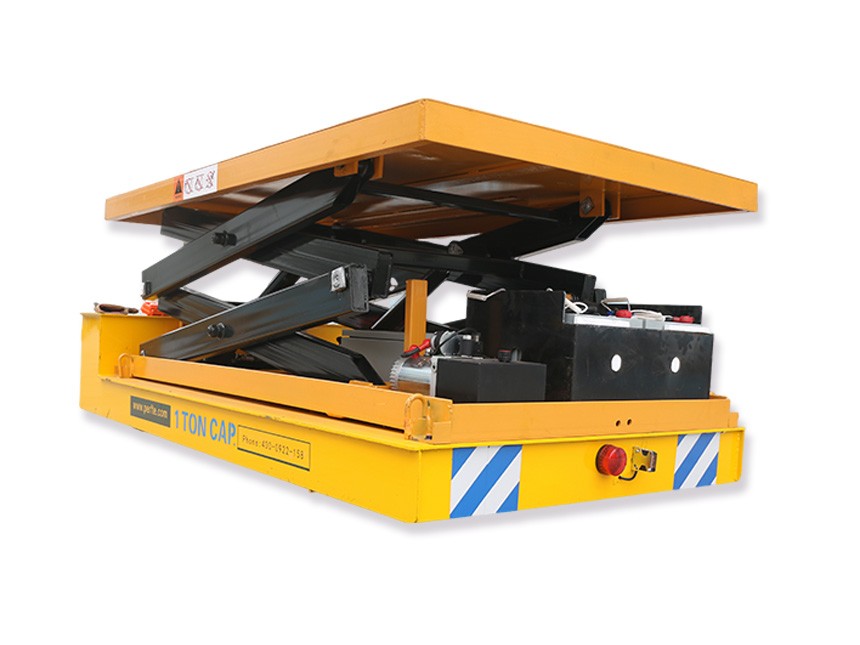
Electric cart speed and safety relationship Covers zone speed limits, load shift risk, pedestrian detection, operator training, and safety inspection for electric carts
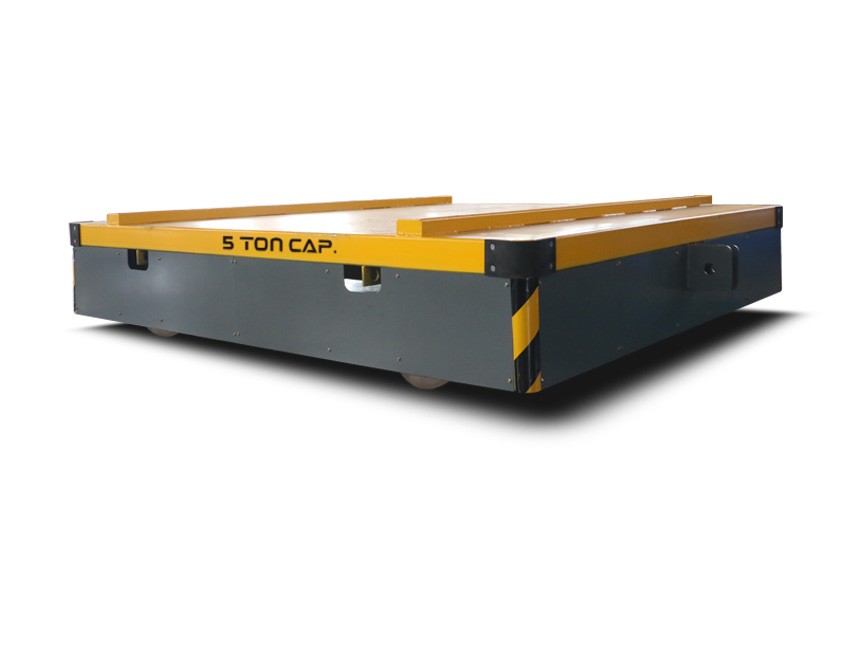
Workshop transport optimization solutions Real cases from machining, metal fabrication, electronics assembly, plastic molding, and aerospace with measurable results
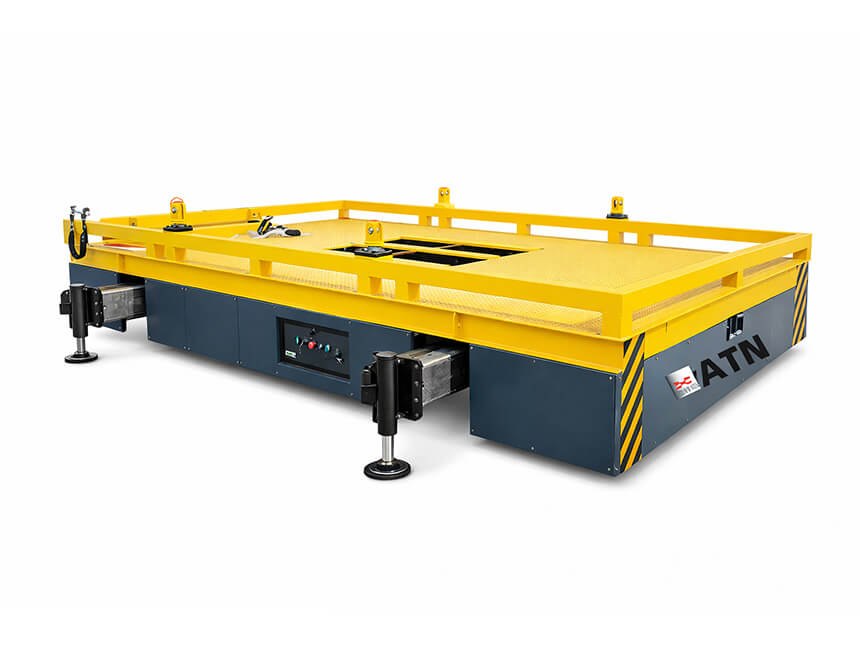
How to reduce downtime in material handling Covers maintenance programs, operator training, spare parts management, and real-time monitoring for transfer carts
Electric transfer carts in construction material handling Case studies from concrete, steel, modular construction, glass, and lumber with cost and damage reduction results
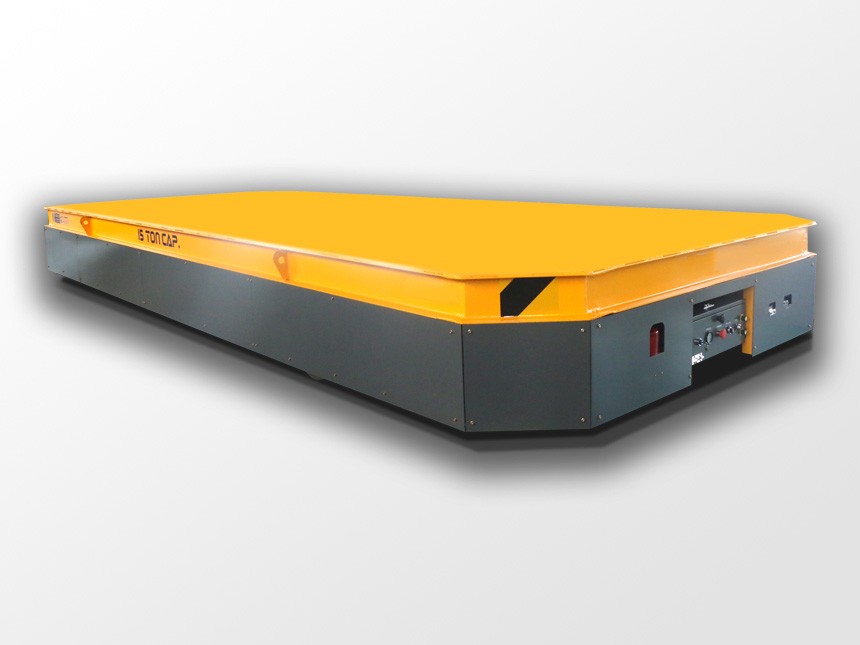
Industrial transport case studies Real examples from automotive, pharmaceutical, heavy machinery, electronics, and aerospace industries with measurable outcomes
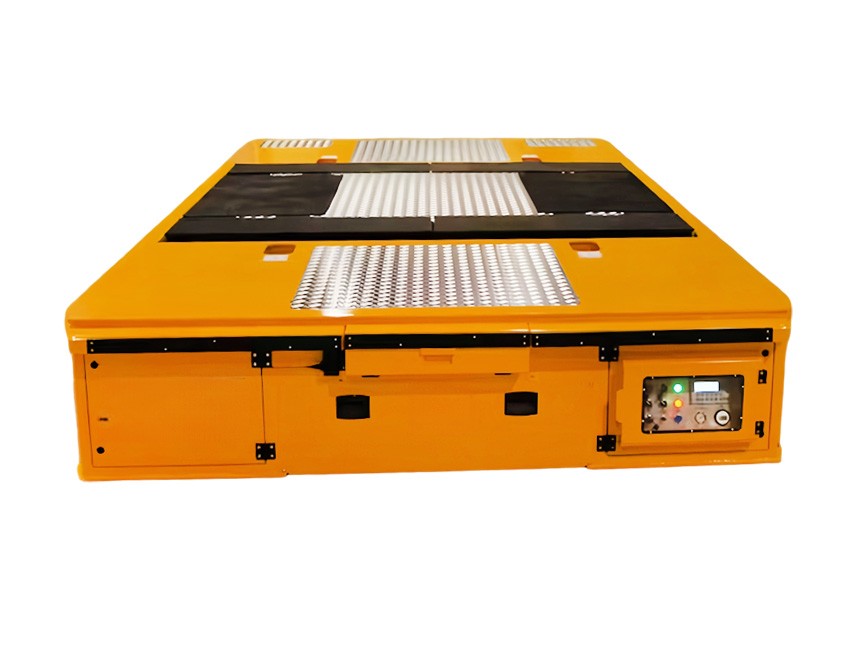
How to optimize factory internal transport Covers demand analysis, route optimization, load efficiency, production scheduling integration, and maintenance