
 English
 简体中文
简体中文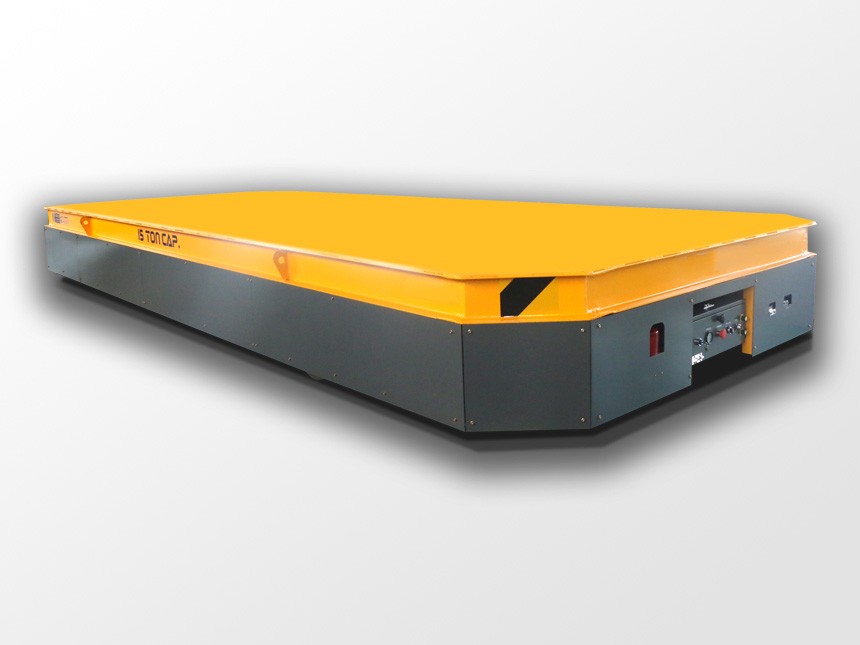
Why Case Studies Demonstrate More Than Specifications Ever Can
Equipment specifications tell you what a transfer cart can do in controlled conditions. Case studies tell you what it actually does in real facilities with real constraints—budget limits, space restrictions, production schedules, and workers who have their own preferred ways of doing things. Understanding what worked, what failed, and what tradeoffs were made helps you assess whether a particular solution fits your situation better than any specification sheet could.
Case 1: Automotive Parts Supplier Reduces Transport Labor by 40%
A tier-2 automotive parts supplier producing stamped and welded components for several OEM assembly plants was spending 22% of its direct labor hours on internal material transport. Operators were leaving their production stations to fetch components and deliver completed parts, breaking their rhythm and reducing the effective capacity of the production equipment they operated. The supplier's CEO had set a target of reducing transport labor to under 10% of direct labor without adding headcount.
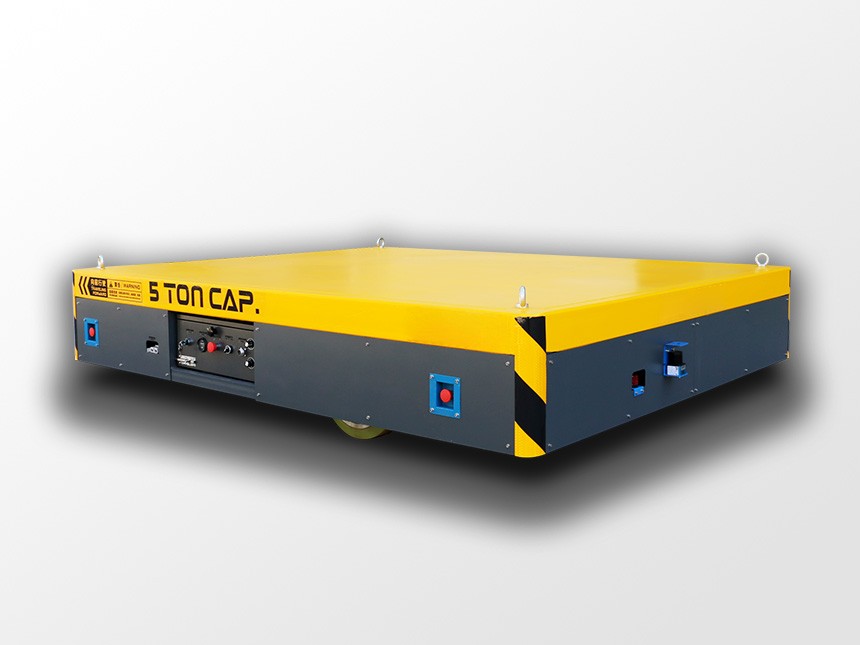
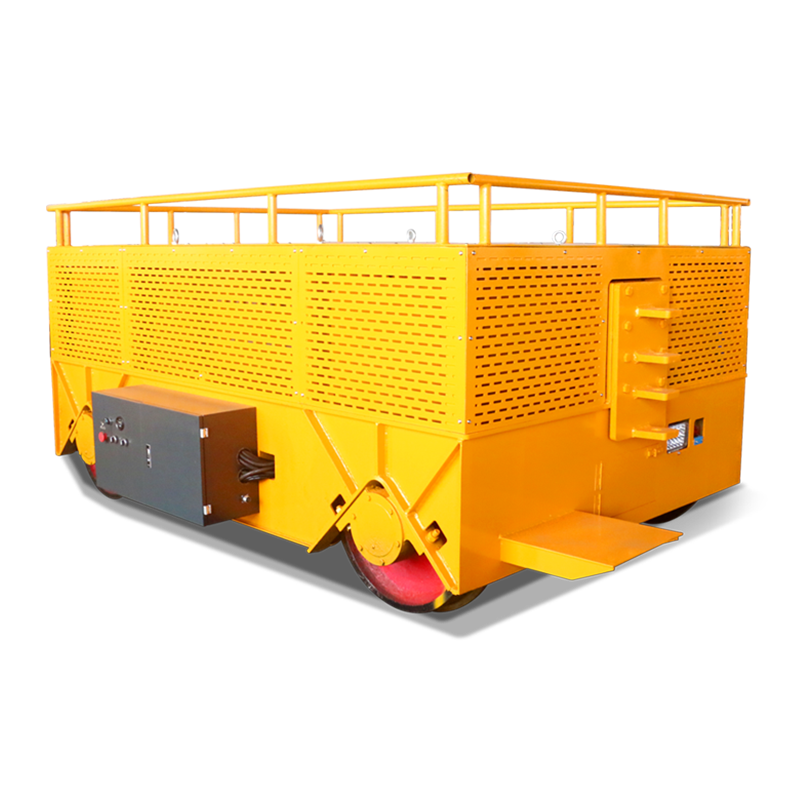
The solution was a fleet of 8 electric transfer carts operating on scheduled delivery routes, with each route optimized for the specific material flow pattern between the supplier's receiving area, three production cells, and the shipping dock. The carts were assigned dedicated operators who became experts in their specific routes rather than having any available operator handle any cart. Route scheduling software adjusted delivery frequencies dynamically based on the production schedule for the current shift. Transport labor as a percentage of direct labor fell from 22% to 11% within 6 months—well below the 10% target, and the dedicated operator model meant production operators never left their stations for material handling. The supplier calculated that the labor cost savings paid for the cart investment in 19 months.
Case 2: Pharmaceutical CMO Eliminates Cross-Contamination Risk
A contract manufacturing organization producing sterile injectable drugs for pharmaceutical companies had a recurring regulatory finding related to material transport between its warehouse and cleanroom production areas. The finding: the internal transport carts used to move raw materials and components into the cleanroom were creating a potential cross-contamination pathway because they were also used for non-sterile waste removal from the production area. The regulatory expectation was complete separation of sterile and non-sterile material flows.
The solution was a dedicated fleet of 4 electric transfer carts for sterile material transport only, with physically distinct routing from the non-sterile waste transport path. The carts were designed to specific GMP cleanroom requirements: stainless steel construction without crevices, sealed wheel assemblies, and battery systems that could be steam-sterilized. Cart routing was integrated with the production scheduling system so that sterile material deliveries were timed to arrive at the cleanroom airlock exactly when needed, reducing the amount of time materials spent in the transition zone between classified and unclassified areas. After implementation, the regulatory finding was closed with no recurrence in three subsequent audits, and the integrated scheduling approach reduced material waste from scheduling-related expiry by 60%.
Case 3: Heavy Machinery Manufacturer Cuts Die Change Time by 50%
A manufacturer of hydraulic excavators and wheel loaders operated a large press brake forming line where die changes were a significant constraint on press utilization. The forming dies—each weighing 3-8 tonnes and requiring precise positioning in the press—were transported using an overhead bridge crane. Crane scheduling was the bottleneck: the same crane served both die transport and other facility needs, and die change timing depended on crane availability rather than press production requirements. Average die change time was 52 minutes, with some changes exceeding 90 minutes when the crane was occupied elsewhere.
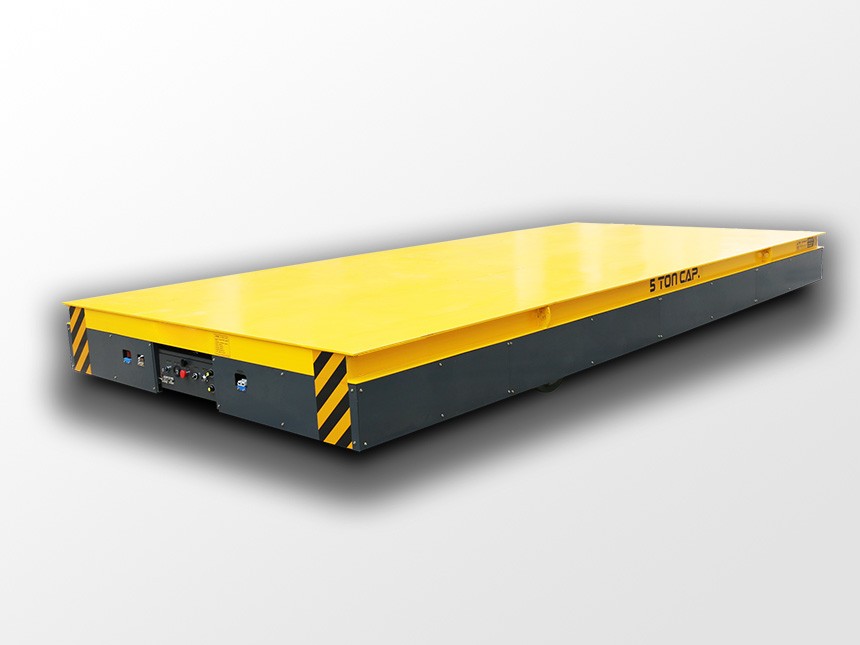
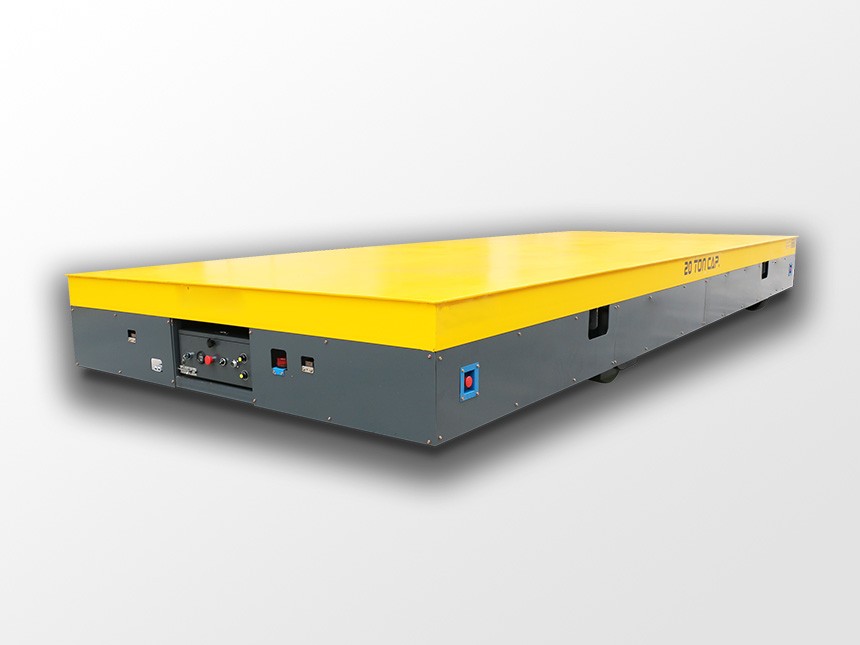
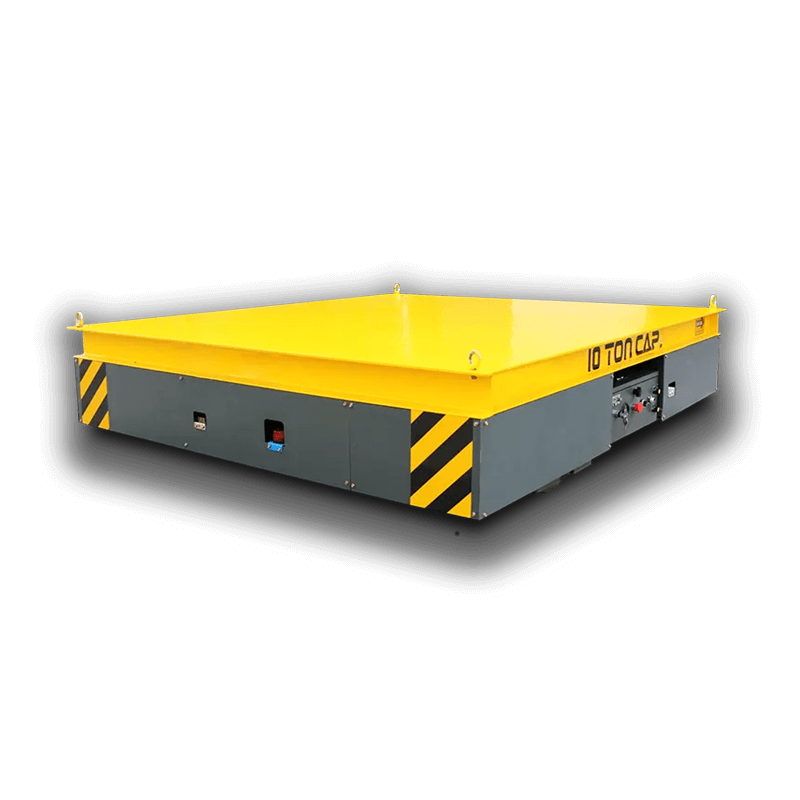
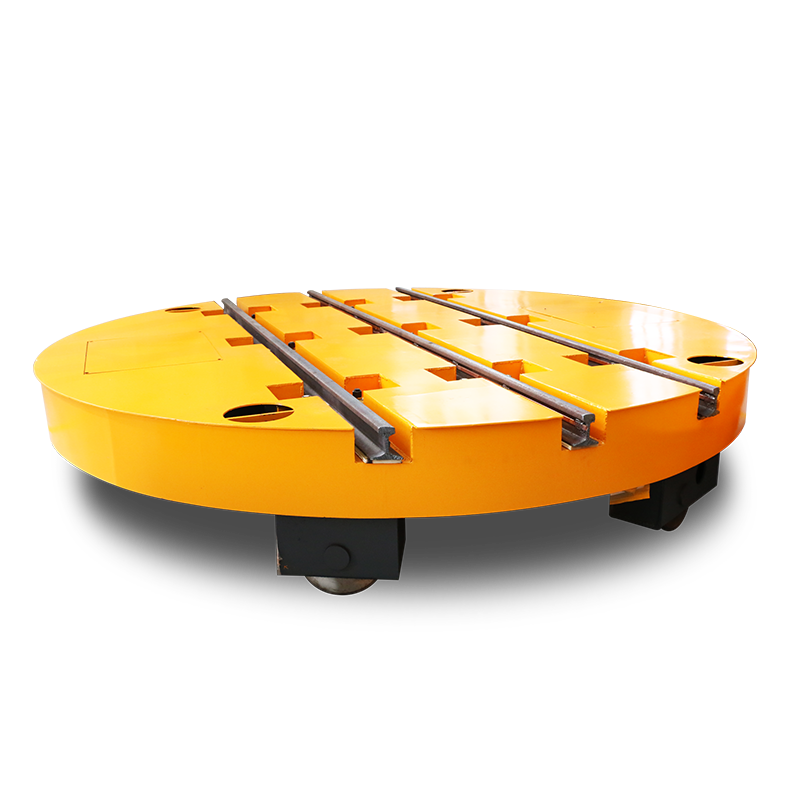
The manufacturer replaced overhead crane transport with 3 heavy-capacity electric flatbed carts, each equipped with die-specific positioning fixtures. The carts operated on dedicated routes between the die storage area and each press, with cart availability guaranteed for die change events. Press operators managed die changes independently by positioning the cart at the press, engaging the positioning fixtures, and activating the press's die clamping system. Average die change time fell from 52 minutes to 24 minutes—a 54% reduction. Press utilization improved by 14 percentage points across the press brake line, adding the equivalent of one additional press shift per day without adding equipment.
Case 4: Electronics EMS Provider Achieves 99.4% On-Time Delivery
An electronics manufacturing services provider running 3 surface mount lines and 4 assembly/test lines was struggling with on-time delivery performance, consistently running at 94-96% on-time for a customer base that expected 99%+ performance. Analysis showed that the primary root cause was not assembly quality or test yields but material availability at the assembly stations. Components were arriving at the lines late because internal transport was handled by a team of 6 material handlers using manual carts, and the demand pattern from 200+ active SKUs was too variable for a fixed schedule to handle effectively.
The provider replaced the manual cart team with 4 electric transfer carts controlled by a material transport management system that received delivery requests from the production scheduling system and assigned cart tasks based on real-time demand and cart position. The system dynamically prioritized urgent requests and rerouted carts when priority changes occurred. When a high-mix/low-volume order required components from a distant storage area, the transport management system could reassign the nearest available cart to handle that delivery immediately. On-time delivery performance improved from 95% to 99.4% within 3 months, and the material handler headcount was reduced from 6 to 3 through attrition.
Case 5: Aerospace Composites Supplier Manages 14-Tonne Load Transport
An aerospace composites supplier producing carbon fiber fuselage panels for a major airframe manufacturer faced a transport challenge unique to the combination of large size and critical load value: each panel was 8 meters long, 3 meters wide, and cost over $50,000. Any transport damage meant scrap—the panels could not be repaired—and any transport delay meant production line downtime at the customer's assembly plant, with contractual penalty clauses that made delays extremely expensive.
The solution was a custom-engineered electric flatbed cart with active vibration monitoring, real-time load position sensing, and speed profiling that adjusted travel speed based on floor conditions. The cart's speed automatically reduced when the vibration monitoring system detected conditions exceeding safe thresholds for the composite material, and the load position sensing system confirmed that the load remained properly secured throughout the transport. Floor surface conditions throughout the supplier's facility were surveyed and mapped, with the cart's control system using the floor map to optimize speed profiles for each route segment. In 18 months of operation, the supplier recorded zero transport damage events and zero transport-related production delays, compared to 4 transport damage incidents and 12 transport delays in the 18 months prior to the new system.
What These Cases Tell You About Your Own Transport Decisions
The common thread across these cases is that the transport improvement delivered measurable production outcomes—labor savings, regulatory compliance, throughput improvement, delivery performance, or quality improvement—that were far larger than the transport investment itself. Transport is not a cost center; it is an enabler or a constraint on whatever the facility actually does for its customers. The decision to invest in transport optimization should be driven by the production outcomes it enables, not by the transport cost it reduces.