
 English
 简体中文
简体中文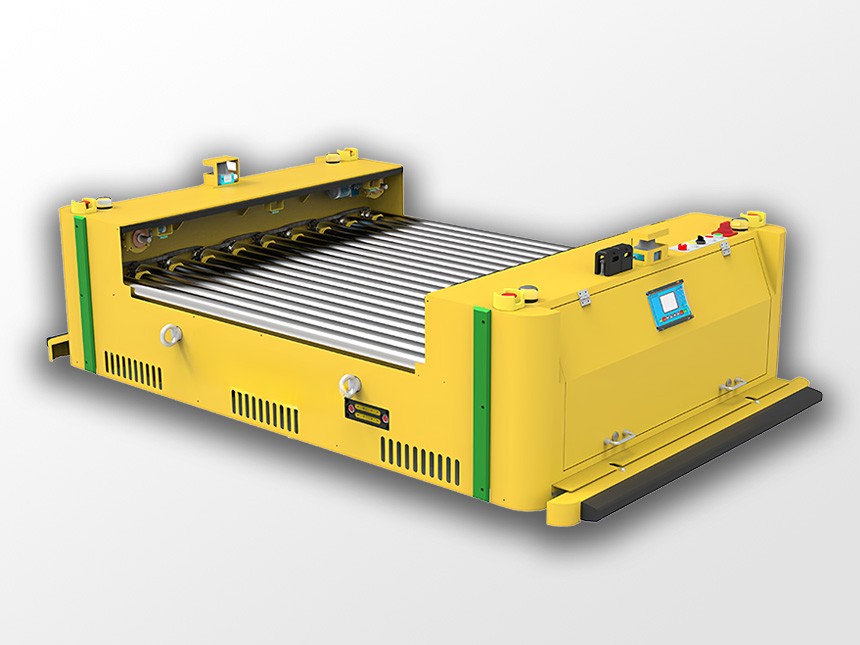
The Unique Material Handling Challenges of Construction Sites
Construction sites present material handling challenges that differ fundamentally from manufacturing environments. Materials arrive in unpredictable quantities at unpredictable times, must be moved across sites that are continuously changing in layout and condition, and must be delivered to locations where permanent equipment infrastructure does not yet exist. These conditions make flexible, mobile material handling equipment more valuable on construction sites than in almost any other environment—and make the limitations of traditional construction equipment more costly.
Case 1: Precast Concrete Plant—Moving Heavy Panels Without Damage
A precast concrete manufacturing facility producing architectural wall panels, floor slabs, and structural beams for commercial construction faced a recurring problem with material handling: concrete panels were being damaged during internal transport at a rate that was running 3% of annual production volume. The damage was caused by the vibration and impact loads from rough floor surfaces, forklift tire deflection, and the turning forces applied during forklift maneuvering. Repairing damaged panels was costly, and damaged panels that reached the job site created quality disputes with customers.
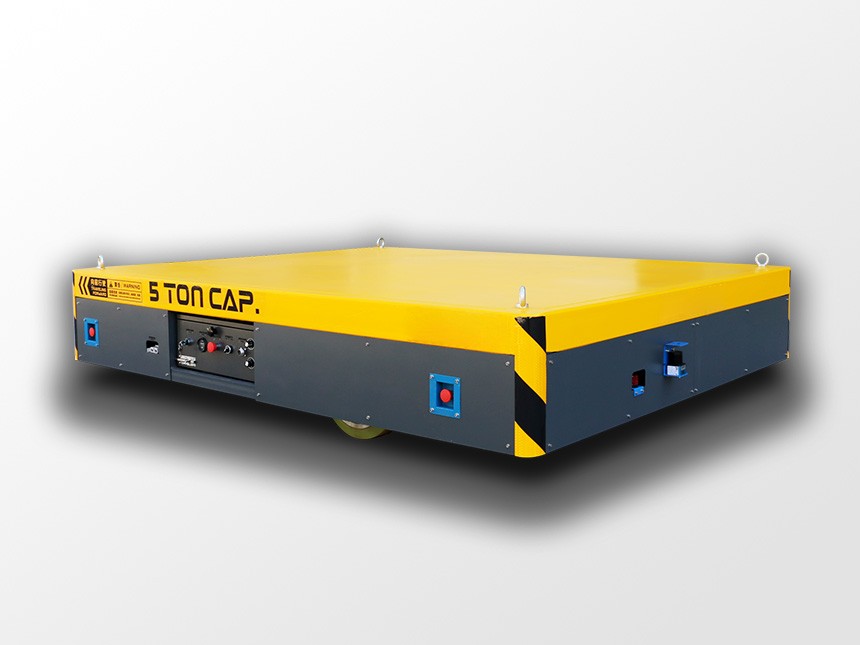
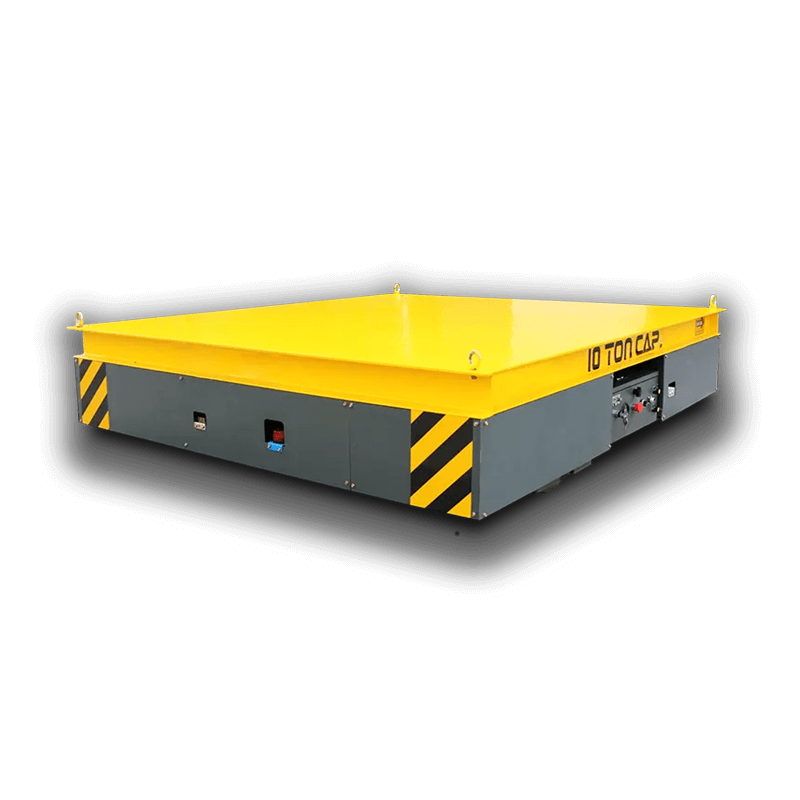
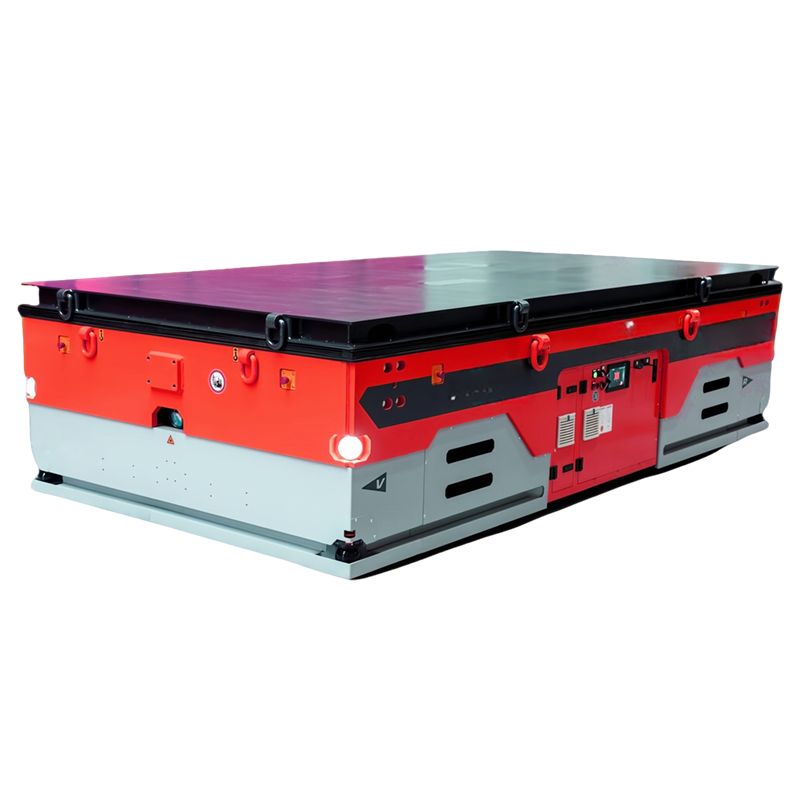
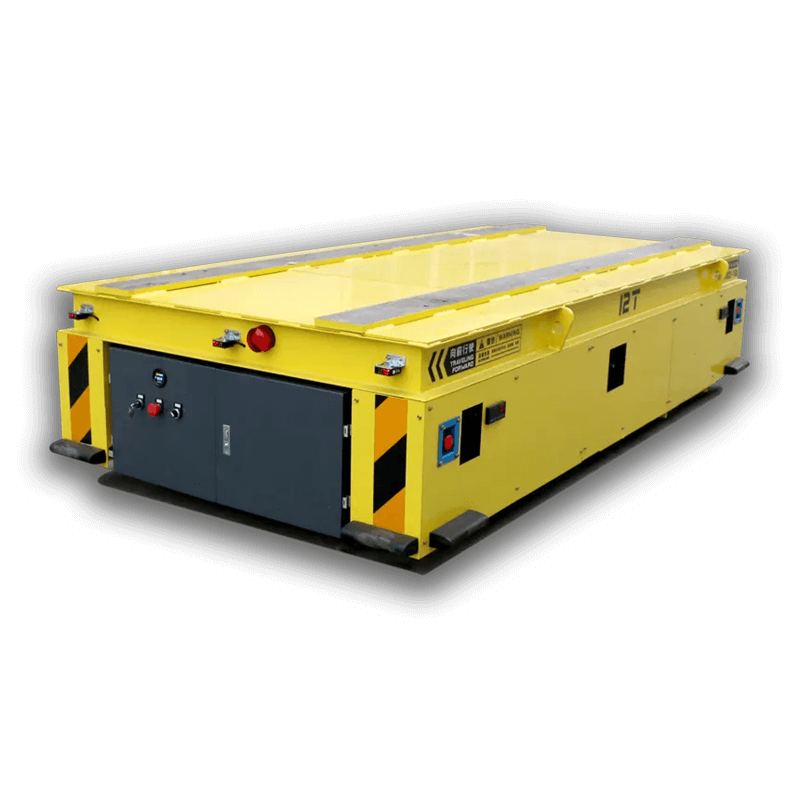
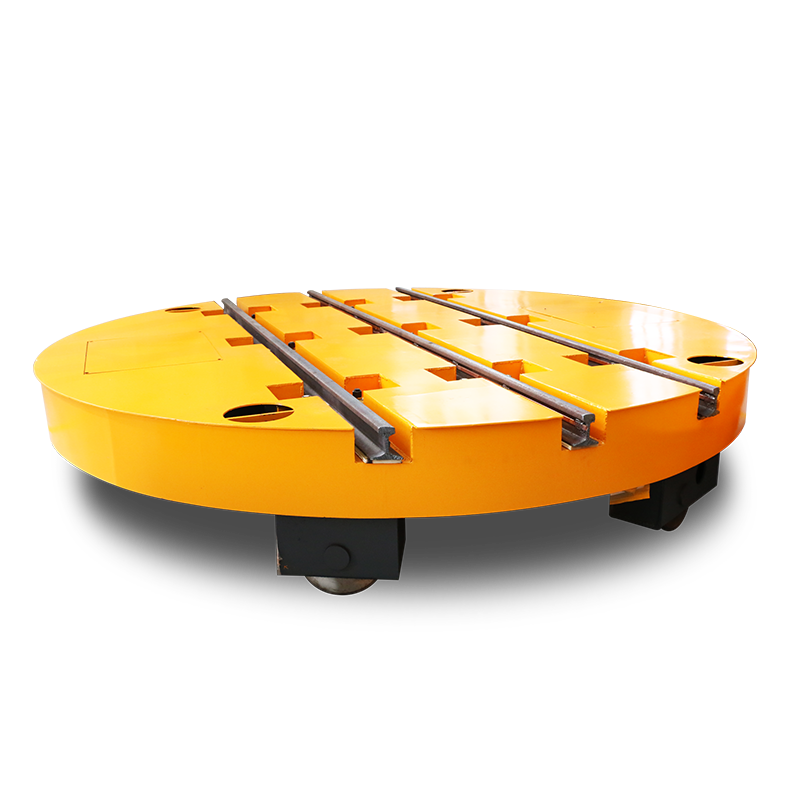
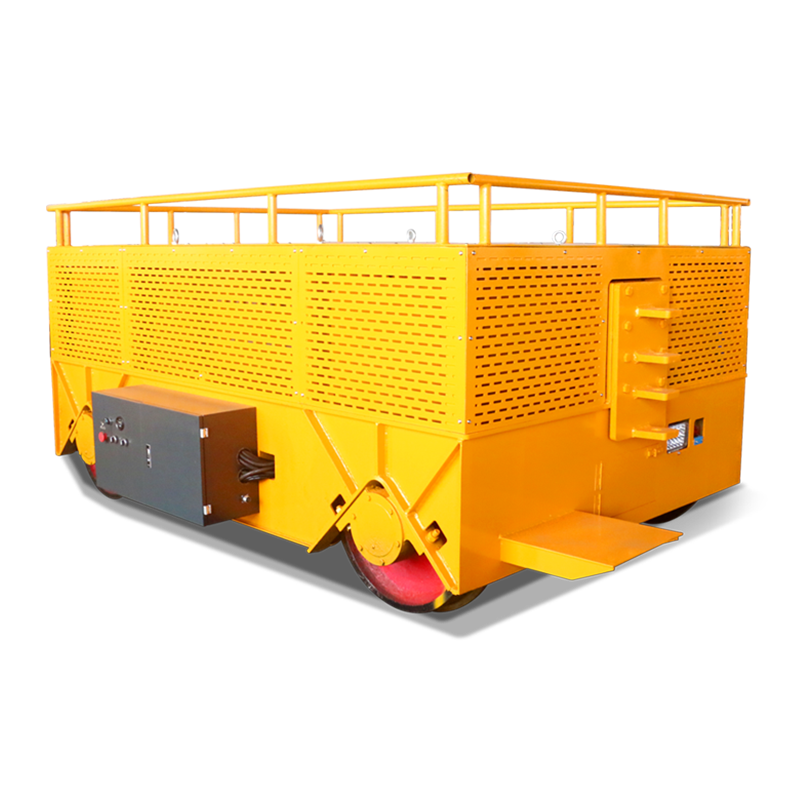
The facility transitioned to electric transfer carts with air-suspension wheel modules that reduced the vibration transmitted to the load by 85% compared to the forklifts they replaced. The carts' solid-state electronic controls provided smooth, gradual acceleration and deceleration that eliminated the impact loads that forklifts create during direction changes. The carts operated on smooth concrete floors that the facility upgraded specifically to support the cart operation. Panel damage rate fell from 3% to under 0.3%, and the facility calculated that the damage reduction savings paid for the cart investment within 14 months.
Case 2: Steel Fabricator—On-Site Transport of Structural Steel
A steel fabrication shop producing structural steel assemblies for commercial buildings operated from a facility where space was at a premium—every square meter was productive floor space, and dedicating space to material staging areas was economically painful. The shop was using a combination of overhead bridge cranes and semi-trailers for internal transport, but the semi-trailers required significant maneuvering space and could not operate near the fabrication bays during active welding operations.
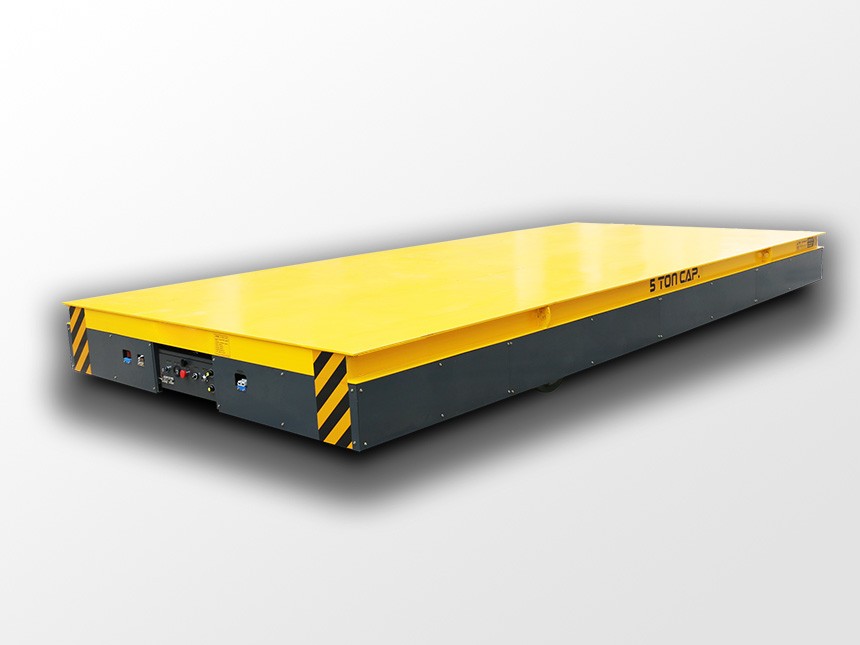
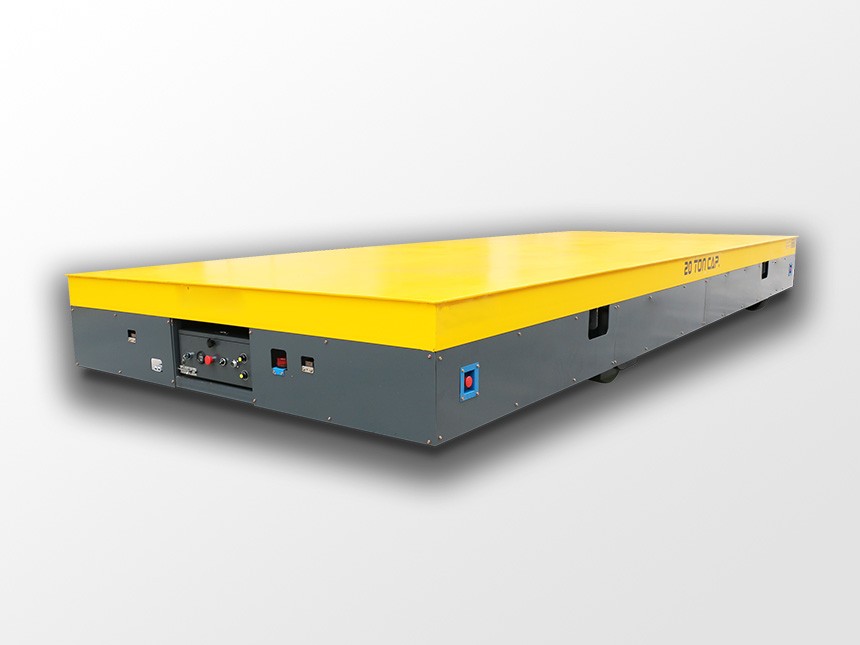
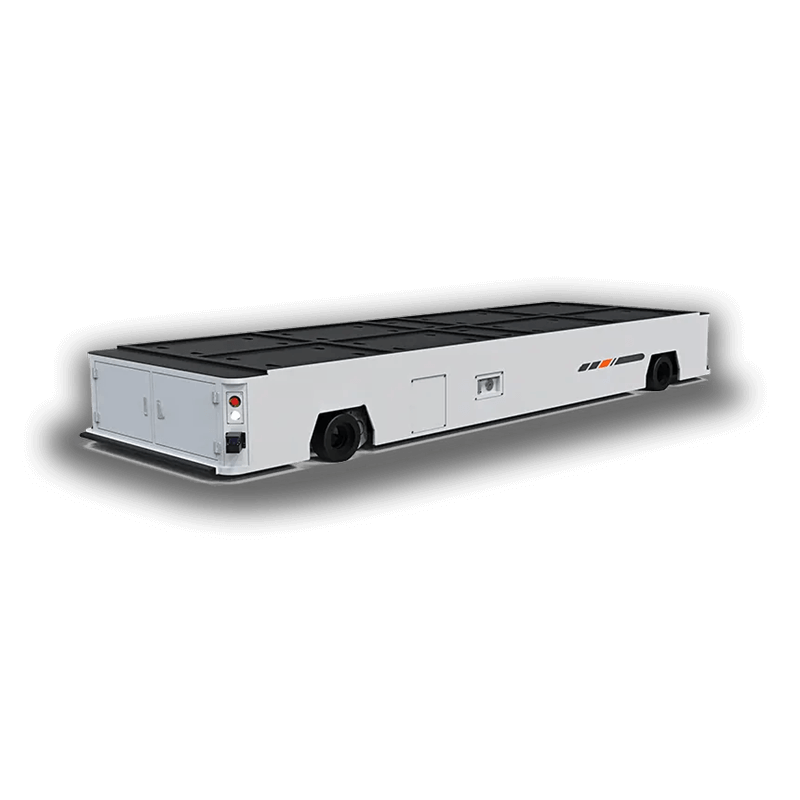
Electric transfer carts replaced the semi-trailers for internal steel transport, operating in dedicated lanes that provided clear circulation paths between fabrication bays and the staging area. The carts' compact turning radius allowed them to operate in aisles that were too narrow for the trailers, recovering approximately 15% of the shop floor area that had been dedicated to trailer maneuvering space. The carts' precise positioning capability—stopping within ±10mm of the target position without the swing and overshoot of trailer backing—allowed the shop to position steel assemblies directly at the assembly stations without intermediate handling. Labor hours per tonne of steel shipped fell by 22%, and the floor space recovered from eliminating trailer circulation allowed the shop to add one additional fabrication bay.
Case 3: Modular Construction Facility—Coordinating Multi-Unit Transport
A modular construction manufacturer producing fully finished bathroom pods and volumetric modular sections for hotel construction faced a transport challenge that was essentially a logistics problem: each module contained finishes—tile, plumbing fixtures, millwork—that had to be protected from impact and vibration during internal transport. The modules were large—each bathroom pod measured 3 meters by 2.5 meters by 3 meters—and heavy, with finished weights of 1,500-2,200 kg per pod.
The facility deployed electric transfer carts with active vibration monitoring systems that continuously measured the vibration levels at the module's mounting points. When the monitoring system detected vibration approaching the threshold that could cause finish damage, the cart's control system automatically reduced travel speed until conditions improved. The monitoring system also logged vibration data continuously, allowing the facility to map which routes and which operating speeds kept vibration below the damage threshold and to establish speed limits for each route segment. Finish damage during internal transport fell from 8% of pods to under 0.5%, and the data from the vibration monitoring system allowed the facility to optimize its internal transport routes to minimize travel time while staying within vibration limits.
Case 4: Glass Manufacturing—Fragile Load Transport
A glass manufacturing facility producing tempered and laminated glass for commercial glazing faced the fundamental challenge that glass breaks—and breaking is expensive, because a broken pane represents both the raw material cost and the production time invested in it. The facility was using forklifts with foam-padded forks for internal glass transport, but the damage rate from fork penetration, load shifting, and vibration was running at 2.5% of production volume.
The facility replaced the forklift fleet with electric transfer carts designed specifically for glass handling. The carts featured spring-loaded support arms that engaged the edges of the glass bundle without penetrating the packing material, a variable-frequency drive system that provided extremely smooth acceleration and deceleration, and a rubber isolated wheel mounting system that reduced vibration transmission from the floor surface. The carts' precise electronic steering allowed accurate positioning without the sudden corrections that caused load shifting in the previous forklift operation. Glass damage rate fell from 2.5% to 0.3%, and the consistency of the carts' smooth operation meant that the packing specifications could be reduced—the same level of protection was no longer needed because the transport conditions were now controlled and predictable rather than variable and unpredictable.
Case 5: Lumber Mill—High-Volume Material Flow
A lumber mill processing 200+ tonnes of dimension lumber per day required continuous internal transport from the head saws to the kiln dryers, from the kilns to the planing mill, and from the planing mill to the shipping yard. The mill had historically used a combination of forklift trucks and pushboats to manage this flow, but the manual coordination between equipment types was creating bottlenecks as production speeds increased.
The mill installed a system of 6 electric transfer carts operating on fixed routes with automated dispatch. The dispatch system received input from the mill's production management system about current and anticipated flow rates and assigned cart tasks to maintain continuous material flow without accumulation or gaps at each process step. The carts' automated operation—running without dedicated operators—allowed the mill to maintain continuous material flow during shift breaks and shift changes without the equipment idling that occurred when operators left their stations. Throughput increased by 12% without adding equipment, and the energy cost per tonne moved fell by 28% compared to the previous combination of forklifts and pushboats.
What Construction and Heavy Industry Can Learn from Each Other
The common thread across these cases is not a specific technology or equipment type but a principle: the cost of material handling is not in the equipment itself but in what happens to materials during handling. Equipment that reduces damage, reduces variability, and provides information about handling conditions delivers value that goes far beyond its own purchase and operating cost. The evaluation framework for material handling equipment should be built around the cost of what happens to materials during transport, not around the cost of the transport equipment in isolation.