
 English
 简体中文
简体中文
Introduction
Manufacturing facilities with multiple workshops face a persistent logistical challenge: moving materials, components, and finished goods between buildings efficiently and safely. Traditional methods relying on forklifts or manual transport create bottlenecks, safety hazards, and scheduling conflicts. Electric carts designed for cross-workshop transport offer a modern solution that addresses these pain points while providing measurable operational improvements.
The Cross-Workshop Transport Challenge
A heavy machinery manufacturer operating three separate workshops encountered significant material flow disruptions. Components fabricated in Workshop A required transport to Workshop B for assembly, then to Workshop C for testing and packaging. The 150-meter outdoor route between buildings exposed loads to weather conditions, while indoor transitions required navigating narrow doorways and shared pedestrian corridors.
Existing forklift operations created congestion at building entrances, weather delays during rain or snow, and frequent scheduling conflicts when multiple departments needed simultaneous transport. The facility needed a reliable, all-weather solution capable of operating autonomously across mixed indoor-outdoor environments.
Electric Cart Solution Design
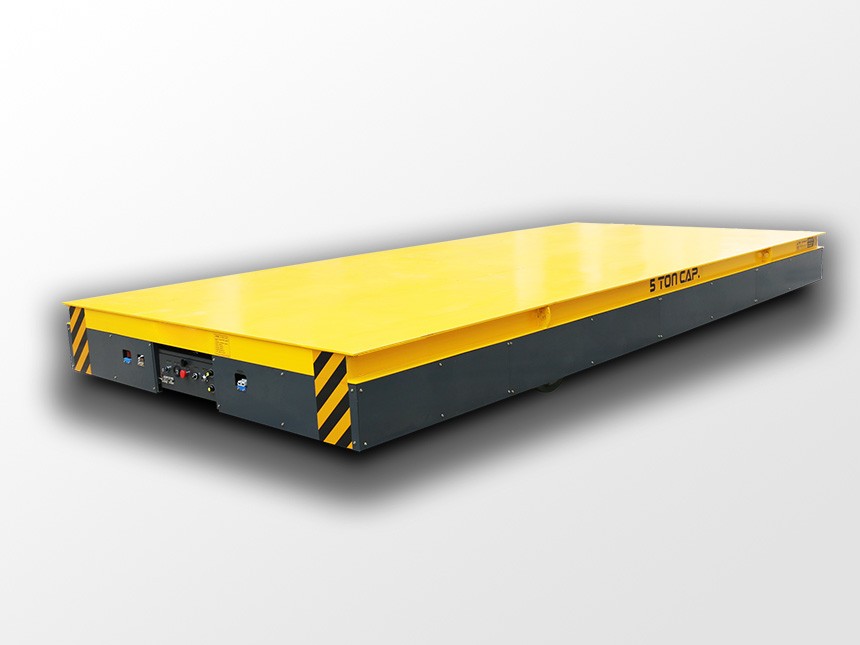
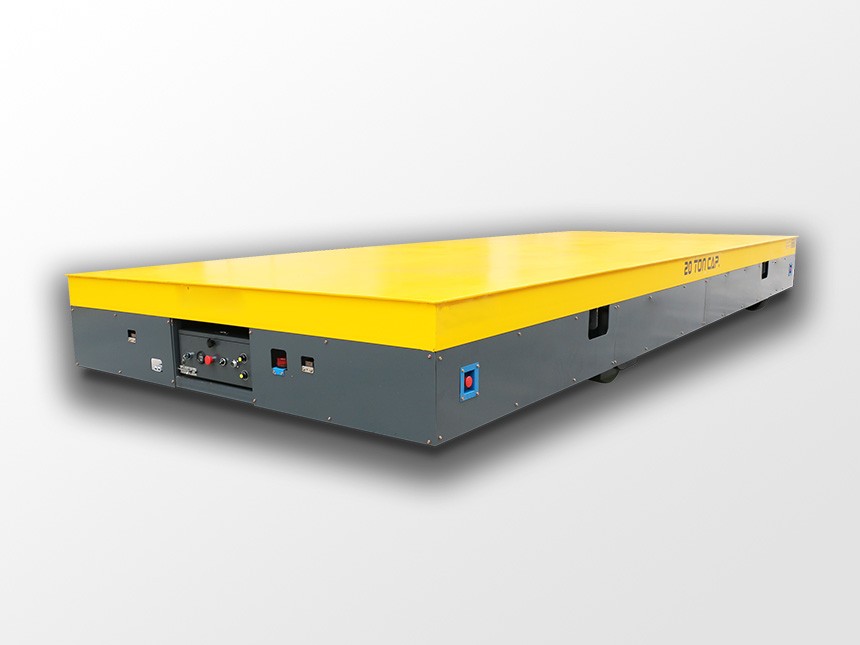
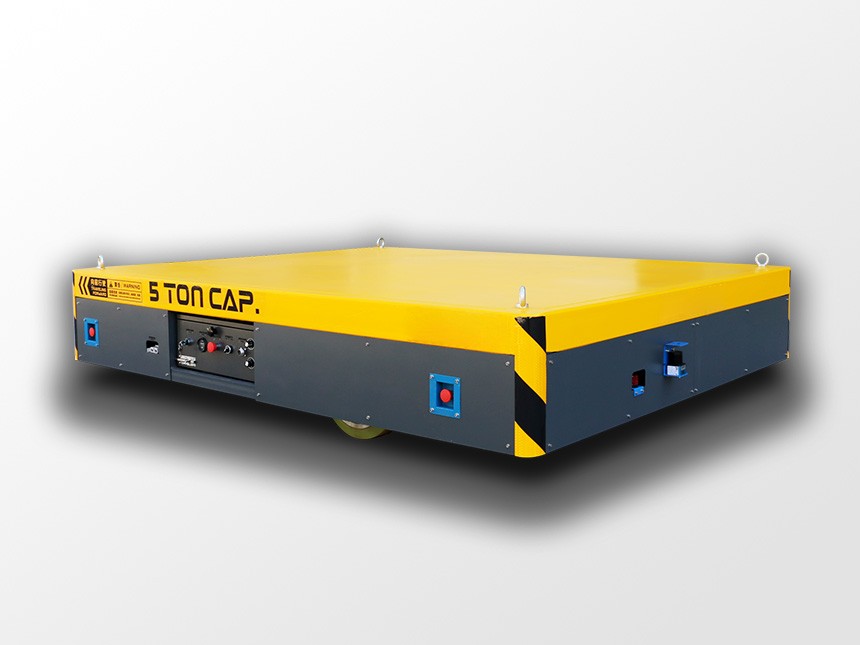
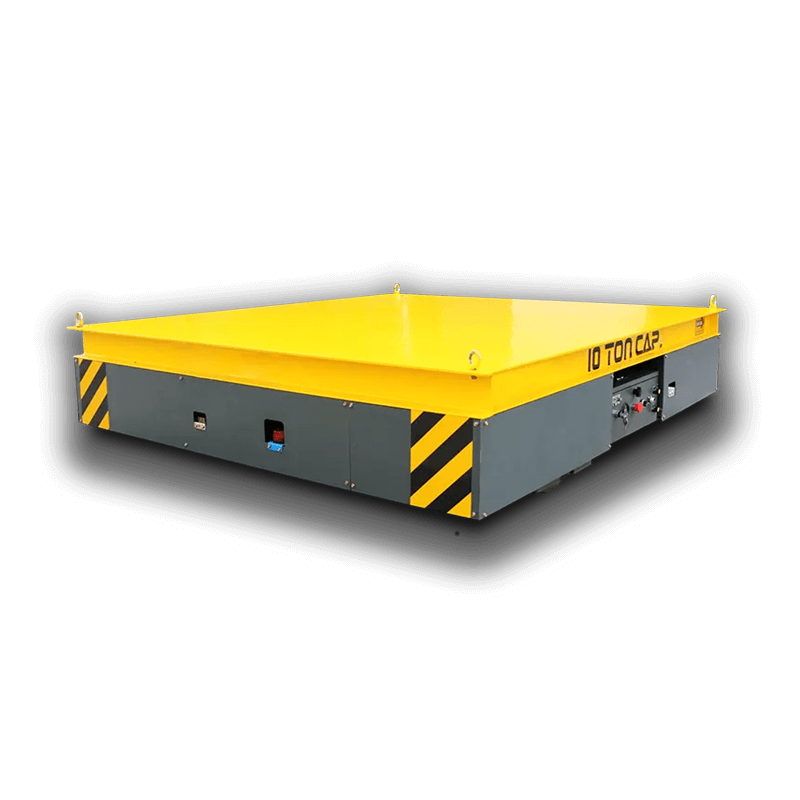
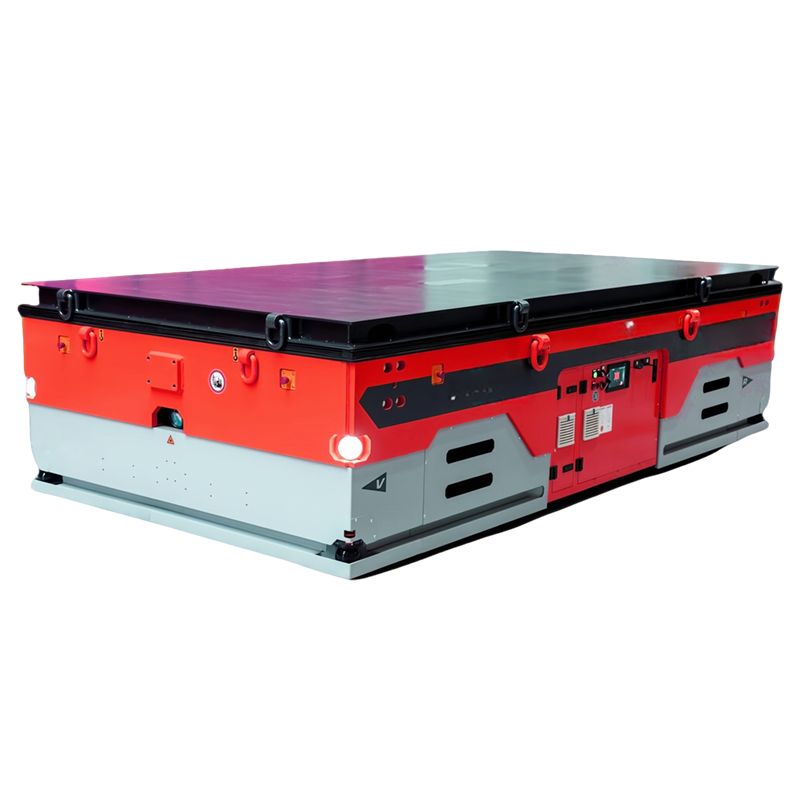
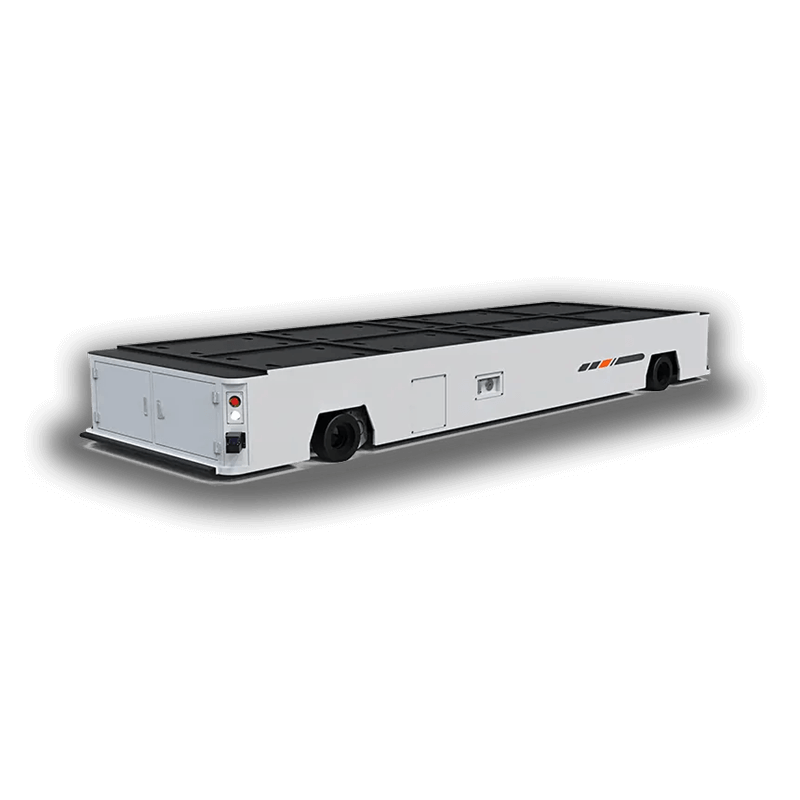
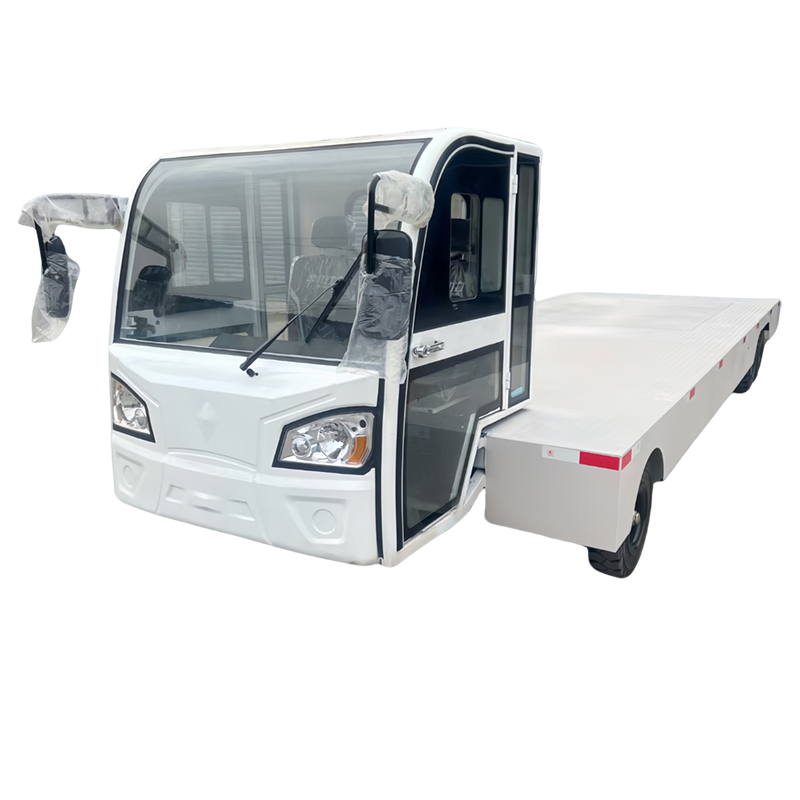
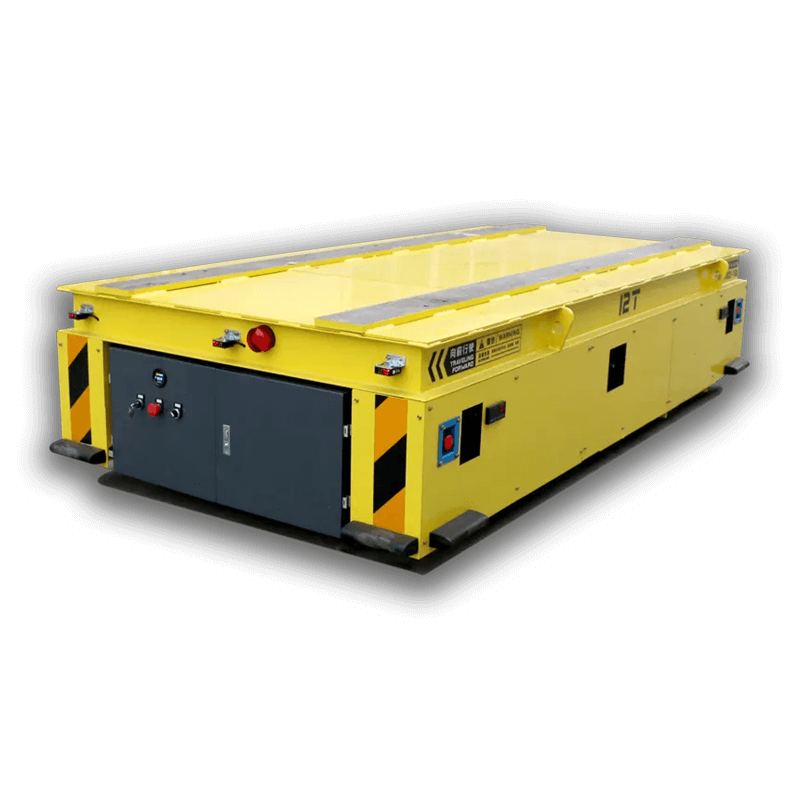
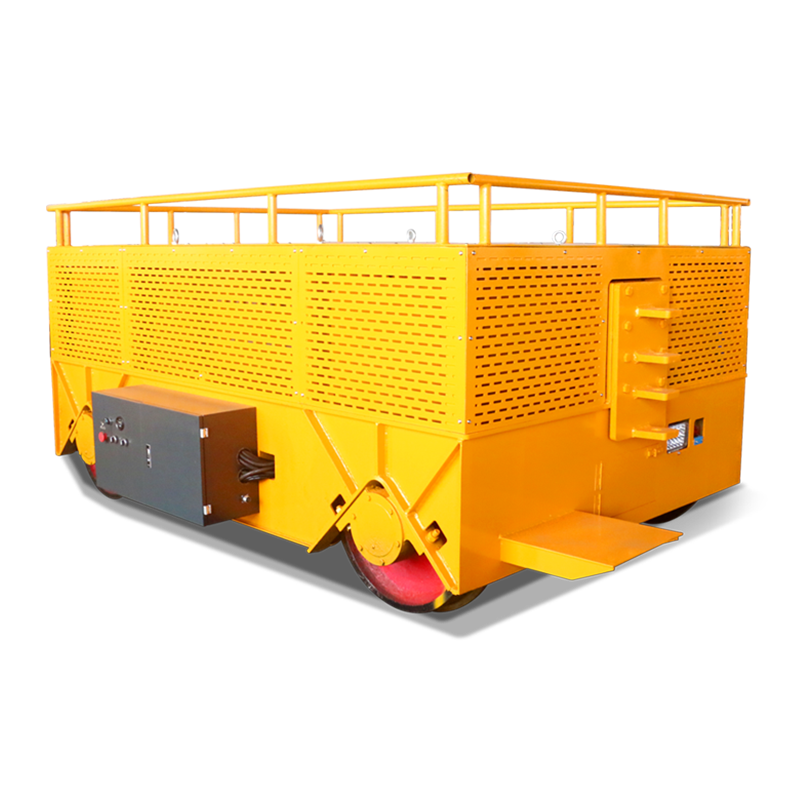
The engineering team specified outdoor-capable electric carts with all-weather protection, hybrid navigation systems, and modular load platforms. Critical design elements included:
IP54-rated enclosures protecting electronics from dust and moisture
Pneumatic or solid rubber tires suitable for asphalt and concrete surfaces
Dual-mode navigation: magnetic tape indoors, LiDAR-based autonomous navigation outdoors
Modular platform attachments accommodating pallets, stillages, and custom fixtures
Battery capacity supporting 12-hour shifts with opportunity charging at endpoints
Implementation Strategy
Route Preparation
The cross-workshop route required surface improvements to ensure consistent cart performance. Outdoor sections received compacted gravel or paved surfaces eliminating mud and standing water hazards. Doorway widths were verified against cart dimensions, with automatic door openers installed at critical passage points. Route markings and signage guided both cart navigation and pedestrian awareness.
Weather Protection Measures
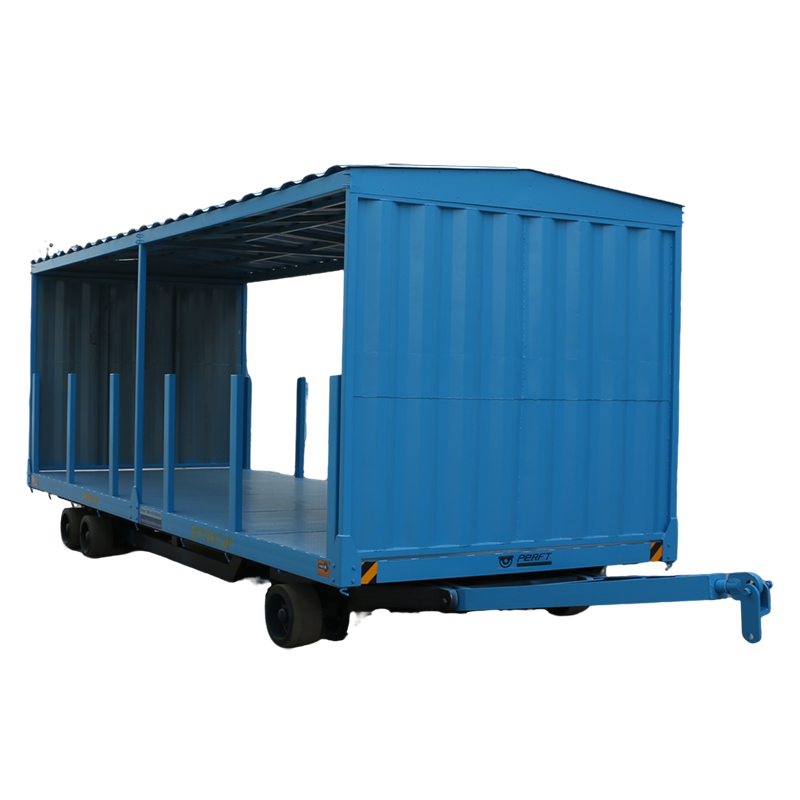
While carts operated in light rain, heavy precipitation triggered automatic route suspension with alerts to operations staff. Covered loading and unloading zones at each workshop protected goods during transfer. For temperature-sensitive components, enclosed cart variants with climate control maintained specified conditions throughout transport.
Traffic Management
Cross-workshop routes intersected with pedestrian walkways and occasional vehicle traffic. The facility implemented time-based routing, scheduling cart movements during low-pedestrian periods where possible. At unavoidable intersections, traffic light systems coordinated cart passage with pedestrian crossing signals. Dedicated cart lanes marked with high-visibility paint separated autonomous vehicles from general traffic.
Operational Results
Following six months of operation, the electric cart system transformed cross-workshop logistics:
Transport time between workshops: reduced from 15 minutes average to 6 minutes consistent
Weather-related transport delays: eliminated entirely
Forklift utilization in workshop areas: reduced by 40%, allowing fleet right-sizing
Pedestrian safety incidents: zero occurrences in cart-operating zones
Labor reallocation: two full-time transport operators reassigned to value-added tasks
Product damage during transport: reduced by 85%
Key Implementation Insights
Successful cross-workshop electric cart deployment depends on several critical factors. Route planning must account for both current needs and future expansion, as infrastructure changes become more expensive post-installation. Weather resilience requires realistic assessment of local climate patterns rather than optimistic assumptions about operational windows.
Integration with workshop scheduling systems enables predictive dispatch, reducing idle time and ensuring carts arrive precisely when needed. Maintenance planning should include preventive schedules aligned with production downtime to avoid disrupting critical transport routes.
Scalability Considerations
The modular nature of electric cart systems allows gradual fleet expansion as operational requirements grow. Additional carts can share existing route infrastructure with minimal incremental investment. Software-defined routing enables dynamic path optimization as facility layouts evolve or new workshops come online.
For facilities considering expansion, specifying communication protocols and data formats during initial deployment prevents costly retrofitting when integrating with future automation systems or enterprise resource planning platforms.
Conclusion
Electric carts designed for cross-workshop transport represent a practical evolution in industrial logistics. By eliminating weather dependency, reducing labor requirements, and improving safety outcomes, these systems deliver both immediate operational benefits and strategic flexibility for future growth. Facilities with multi-building operations should evaluate electric cart solutions as a core component of their material handling strategy.