
 English
 简体中文
简体中文
Introduction
When managing material transport in heavy industry environments, facility managers often face a critical decision: should they invest in electric transfer carts or stick with traditional forklifts? Both solutions have their place in modern manufacturing, but understanding when one outperforms the other can significantly impact operational efficiency, safety, and long-term costs. This guide provides a practical comparison to help you make an informed choice for your heavy-duty material handling needs.
Key Differences: Transfer Carts vs Forklifts
Load Capacity and Stability
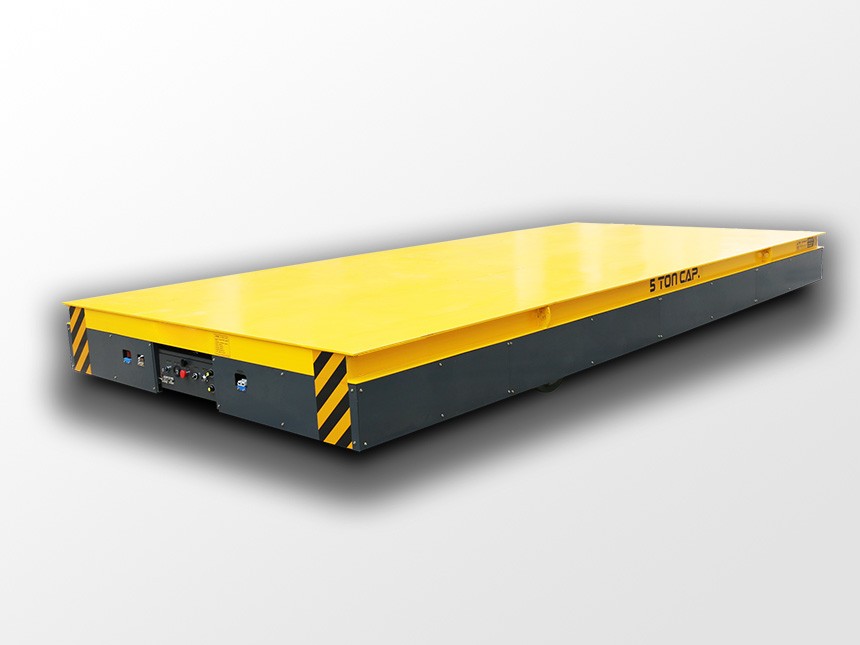
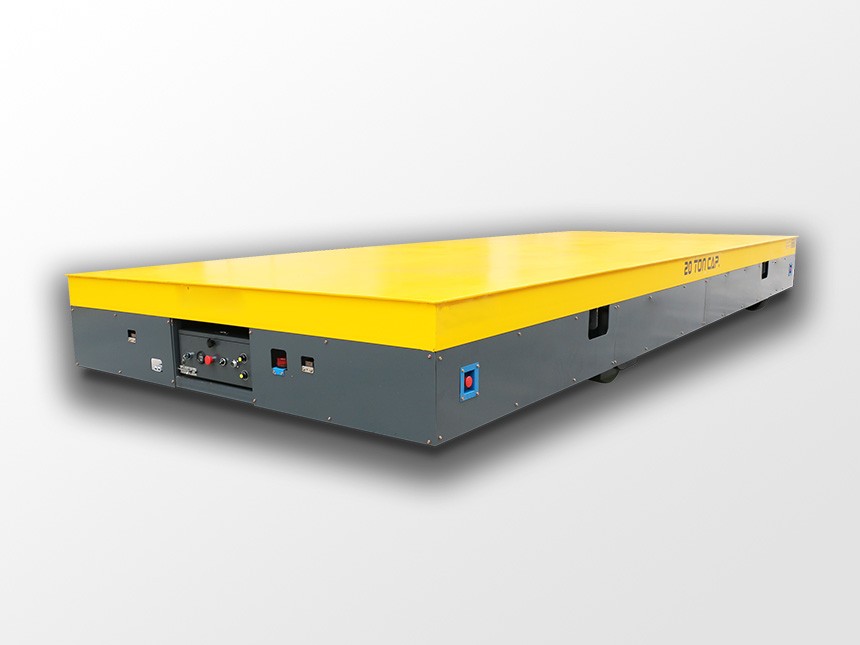
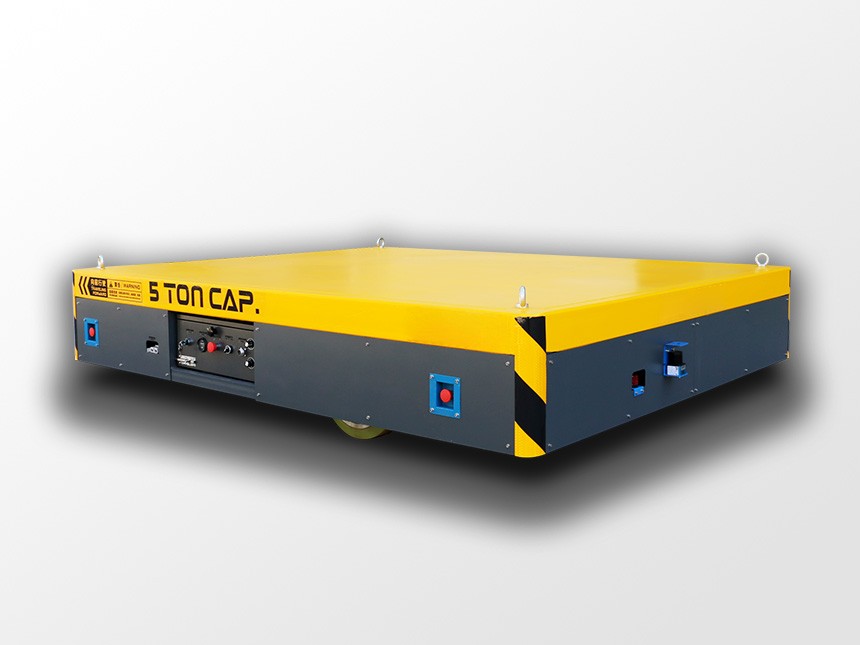
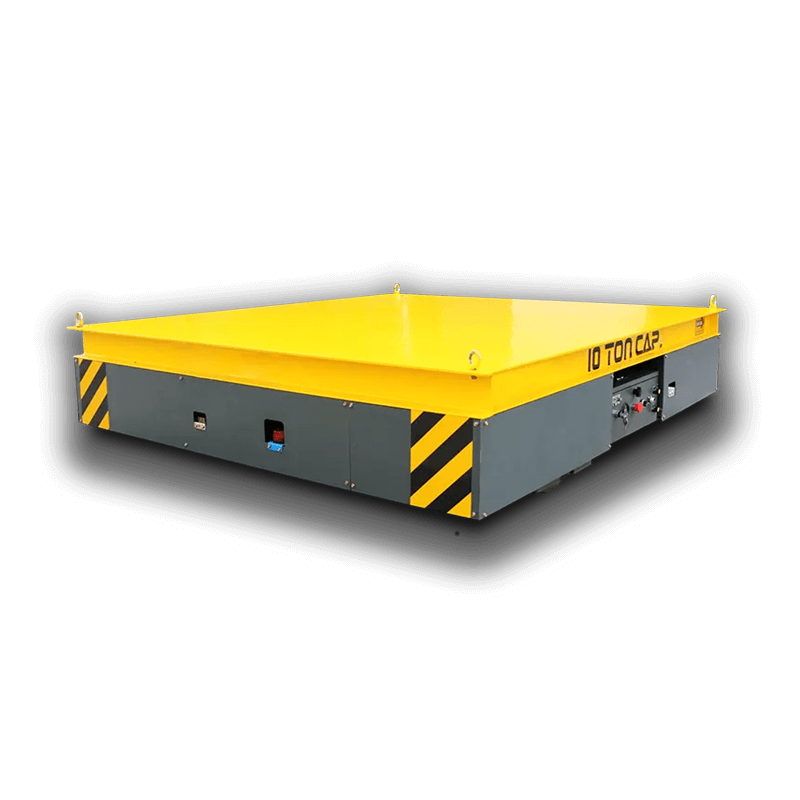
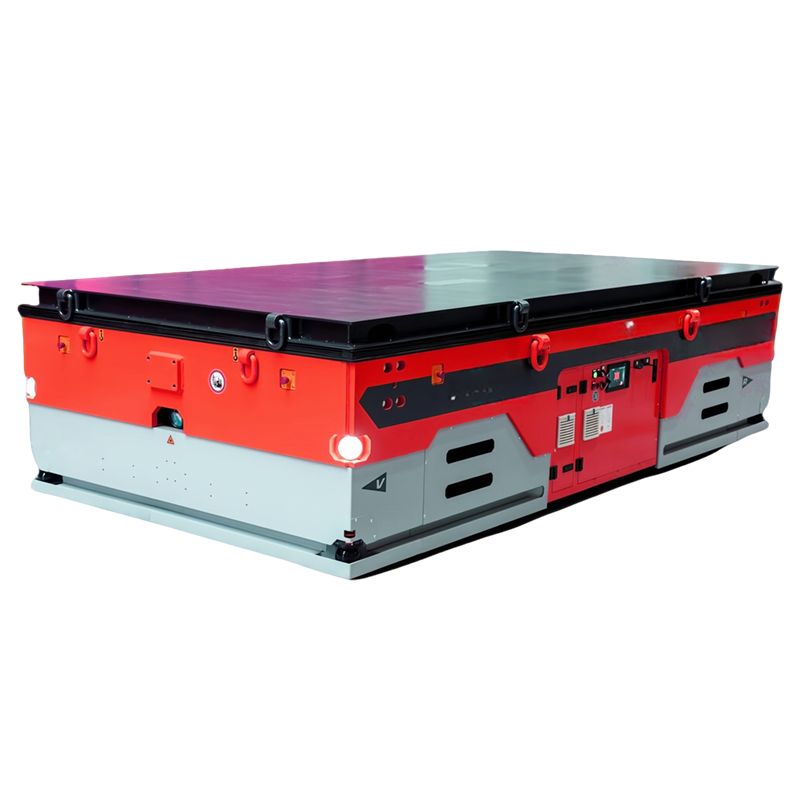
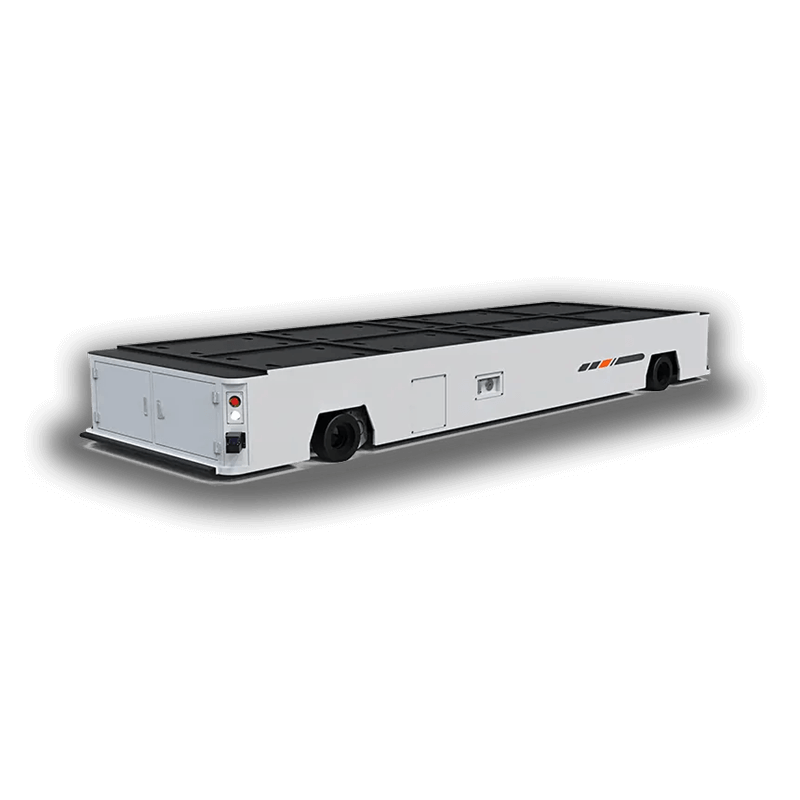
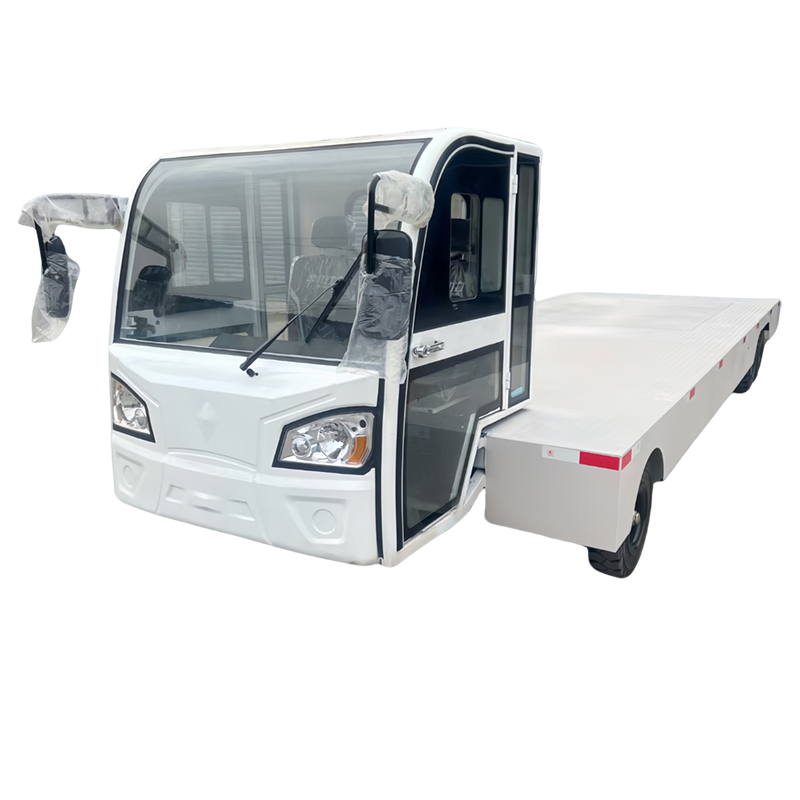
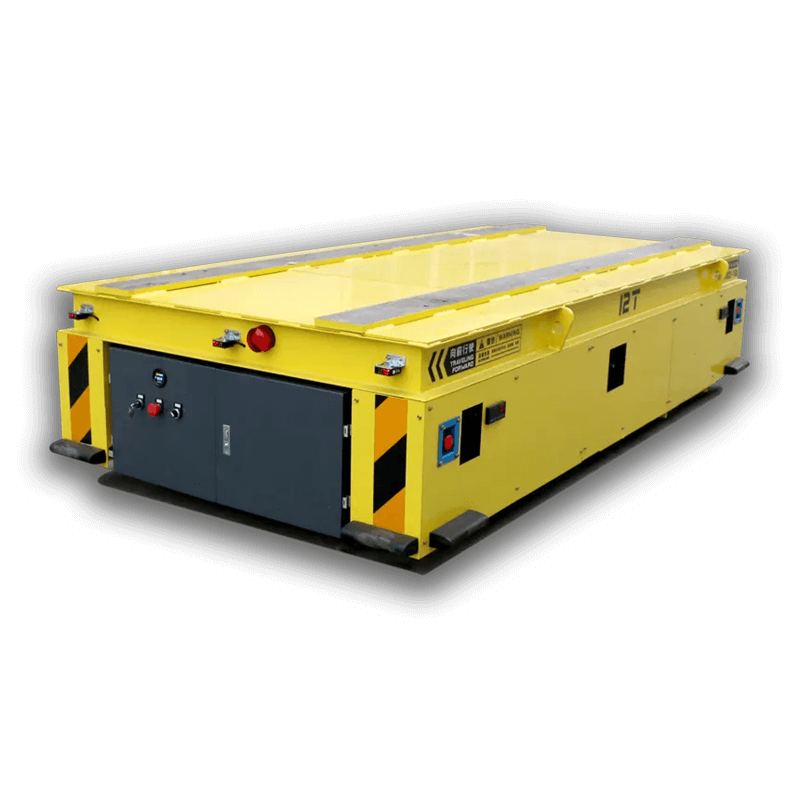
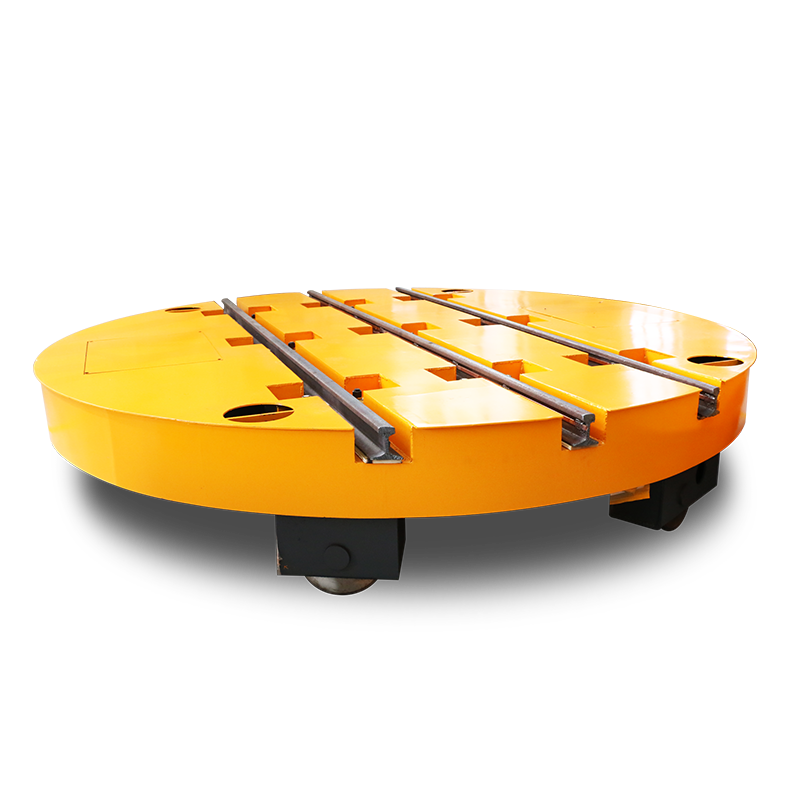
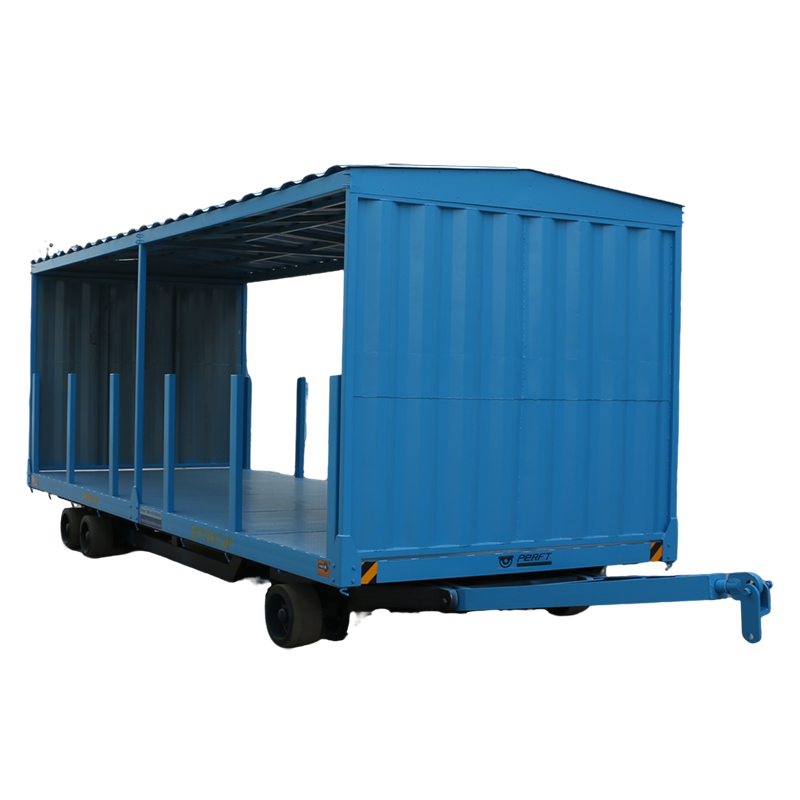
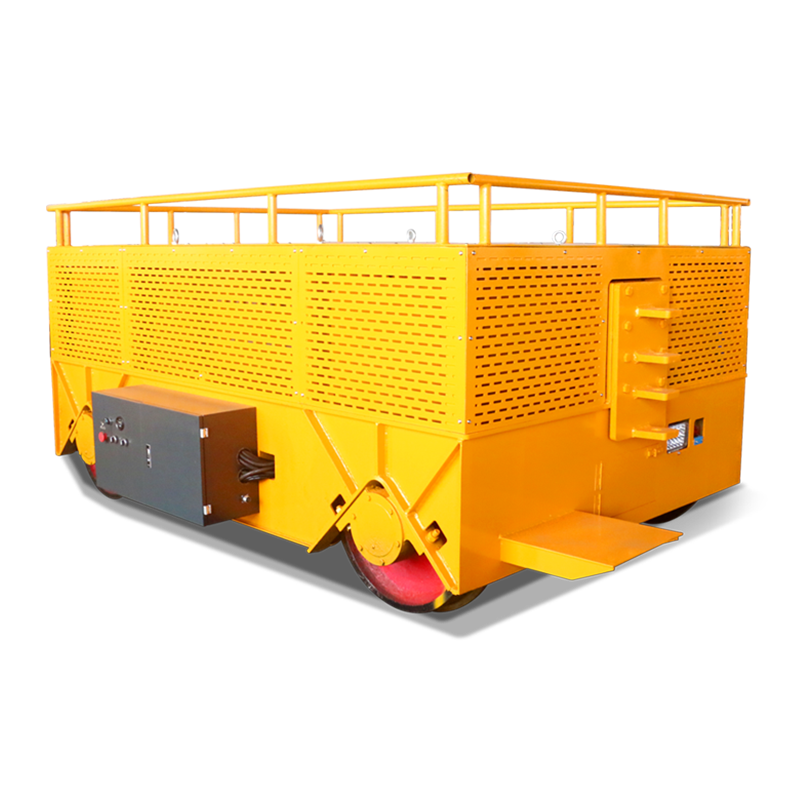
Electric transfer carts are purpose-built for extreme loads. Standard models handle 10 to 300 metric tons, with specialized units capable of moving 500+ tons. The low center of gravity and wide wheelbase provide exceptional stability during transport. Forklifts, while versatile, typically max out at 25-50 tons in heavy-duty configurations, and their elevated load position introduces tipping risks, especially with irregularly shaped items.
Operational Safety
Transfer carts operate at ground level, eliminating the falling load hazard inherent in forklift operations. Remote-controlled or automated transfer carts remove operators from the transport path entirely, reducing accident exposure. Forklifts require certified operators, clear sightlines, and wide aisles. In heavy industry settings where workers and equipment share space, ground-level transport significantly reduces incident potential.
Floor Space and Maneuverability
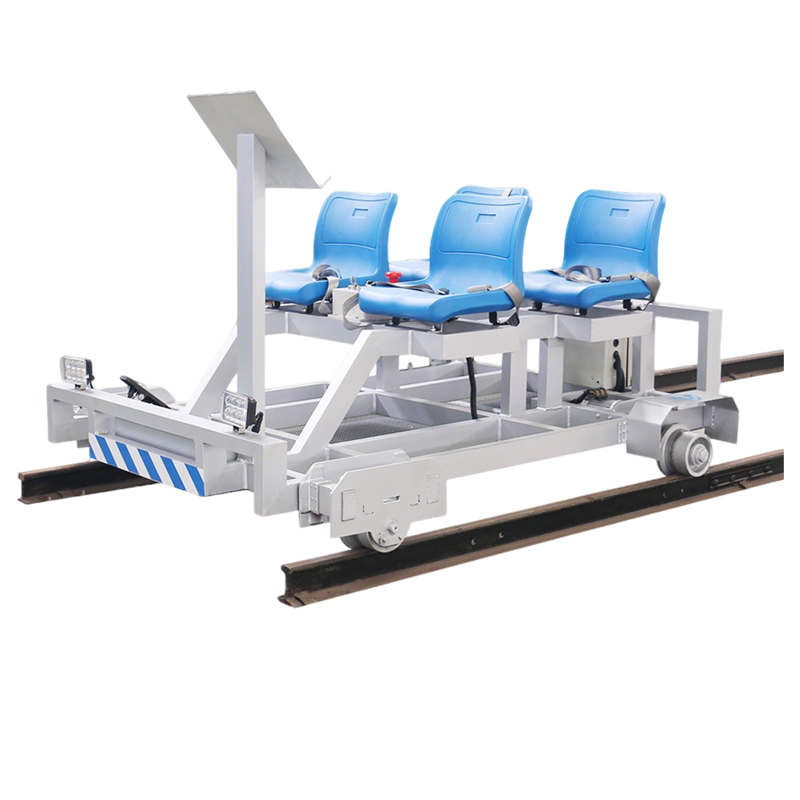
Transfer carts follow fixed rail paths or programmed routes, optimizing floor space usage. Rail-guided systems require minimal aisle width. Forklifts need broader corridors for turning and stacking, consuming valuable production space. However, forklifts offer point-to-point flexibility that transfer carts cannot match without infrastructure investment.
When Transfer Carts Excel
Repetitive Heavy Load Movement
For facilities moving identical heavy components between fixed stations—such as steel mills, shipyards, or heavy machinery plants—transfer carts deliver unmatched efficiency. Once programmed or routed, they execute repetitive cycles with minimal labor input and consistent timing.
Harsh or Restricted Environments
Transfer carts tolerate extreme temperatures, dust, and chemical exposure better than forklifts. Explosion-proof and high-temperature variants operate safely in foundries, forges, and chemical plants where standard forklifts pose ignition risks or suffer accelerated wear.
Long-Distance Internal Transport
Covering hundreds of meters between workshops, transfer carts maintain steady speeds without operator fatigue. Battery-powered models achieve 8-12 hours of continuous operation, while cable-drum or rail-powered variants run indefinitely for fixed routes.
When Forklifts Remain the Better Choice
Variable Routes and Light Loads
If your operation requires frequent route changes, multiple pickup points, or loads under 5 tons, forklifts provide the flexibility that fixed-path transfer carts cannot. Their ability to stack, retrieve, and navigate unstructured environments keeps them essential in warehouses and mixed-use facilities.
Short-Term or Low-Volume Needs
For intermittent material handling or seasonal demand spikes, renting or leasing forklifts avoids the capital investment and infrastructure requirements of transfer cart systems.
Cost Comparison Framework
| Factor | Transfer Cart | Forklift |
|---|---|---|
| Initial Investment | High (system + infrastructure) | Moderate |
| Operating Cost | Low (minimal labor, efficient power) | Moderate (fuel, maintenance, operators) |
| Maintenance | Predictable, scheduled | Higher frequency, more components |
| Lifespan | 10-15 years | 8-12 years |
| Labor Requirements | Minimal (remote or automated) | Dedicated certified operators |
Implementation Recommendations
Choose Transfer Carts If:
- Regular loads exceed 10 tons
- Routes are fixed or semi-fixed
- Safety is a top priority
- Floor space is limited
- Operating environment is harsh
Choose Forklifts If:
- Loads vary significantly in size and weight
- Routes change frequently
- Stacking or vertical retrieval is required
- Initial budget constraints exist
Conclusion
Neither solution is universally superior. In heavy industry, transfer carts dominate for repetitive, high-capacity transport where safety and efficiency outweigh flexibility requirements. Forklifts retain their role in dynamic environments requiring adaptability. Many facilities deploy both: transfer carts for primary heavy transport corridors and forklifts for secondary handling, loading, and variable tasks. Assess your load profiles, route stability, and safety priorities to determine the optimal mix for your operation.