
 English
 简体中文
简体中文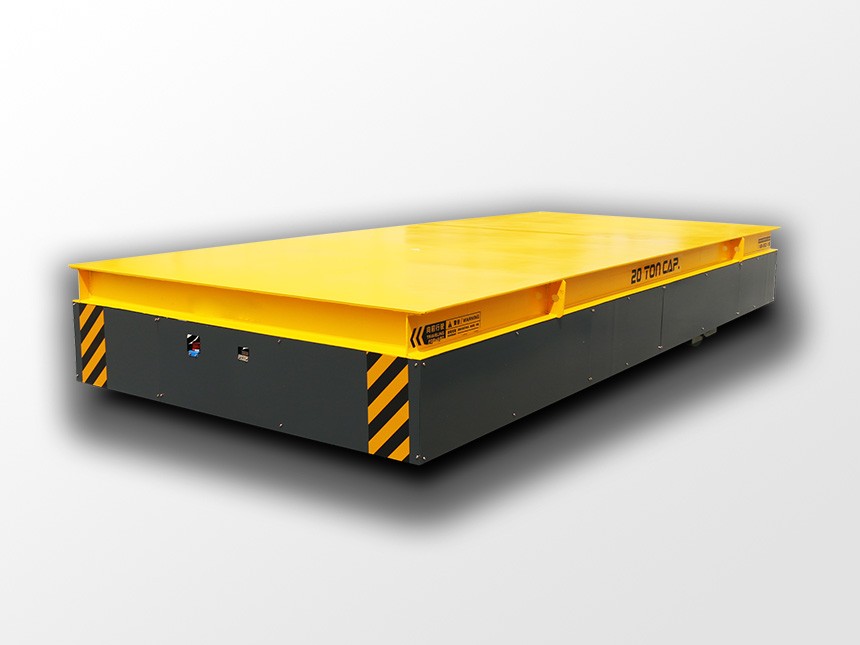
Transfer Cart vs Forklift in Heavy Industry
Heavy industry operations require robust material handling solutions capable of moving massive loads safely and efficiently. Two primary options dominate this space: industrial transfer carts and forklifts. Understanding their respective strengths helps optimize your material handling strategy.
Load Capacity Comparison
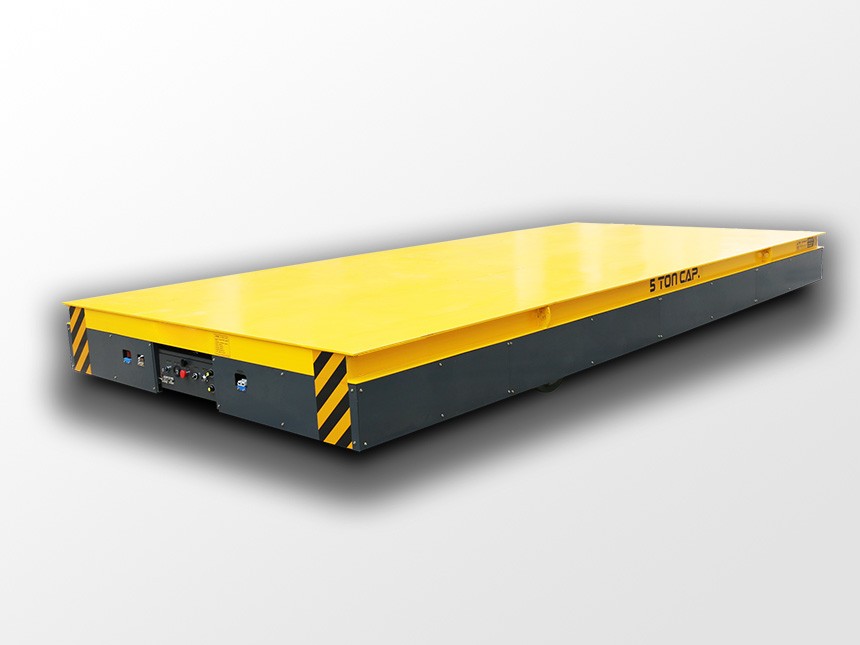
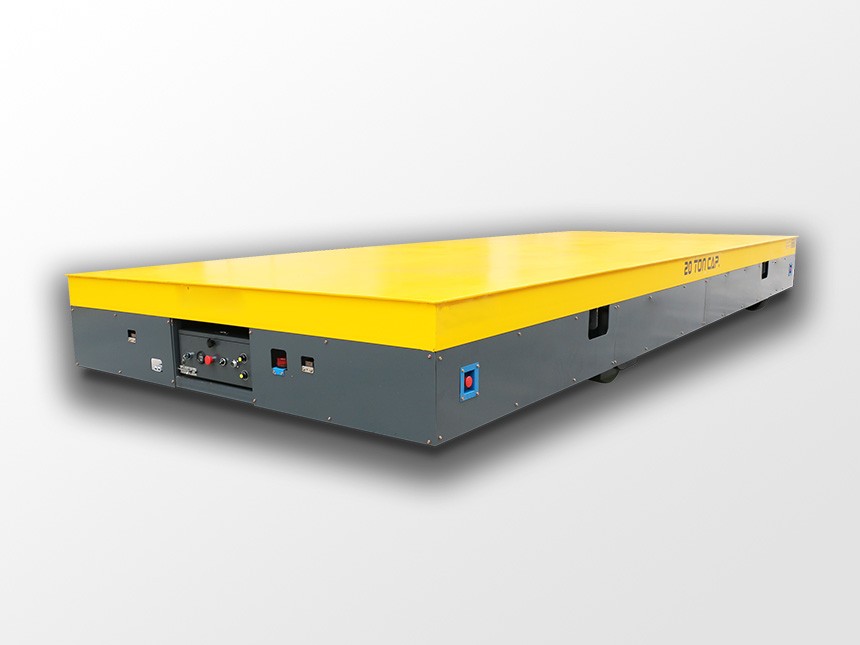
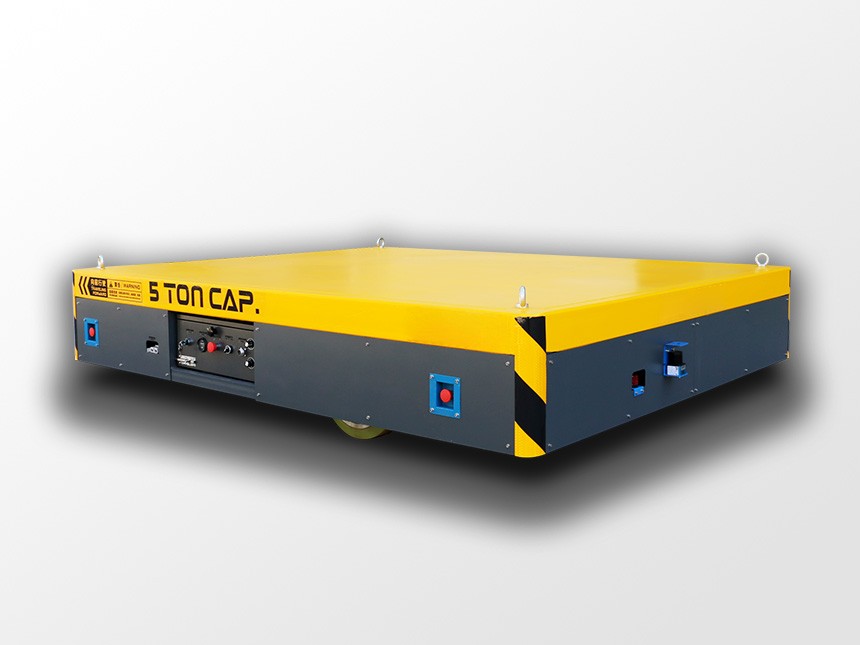
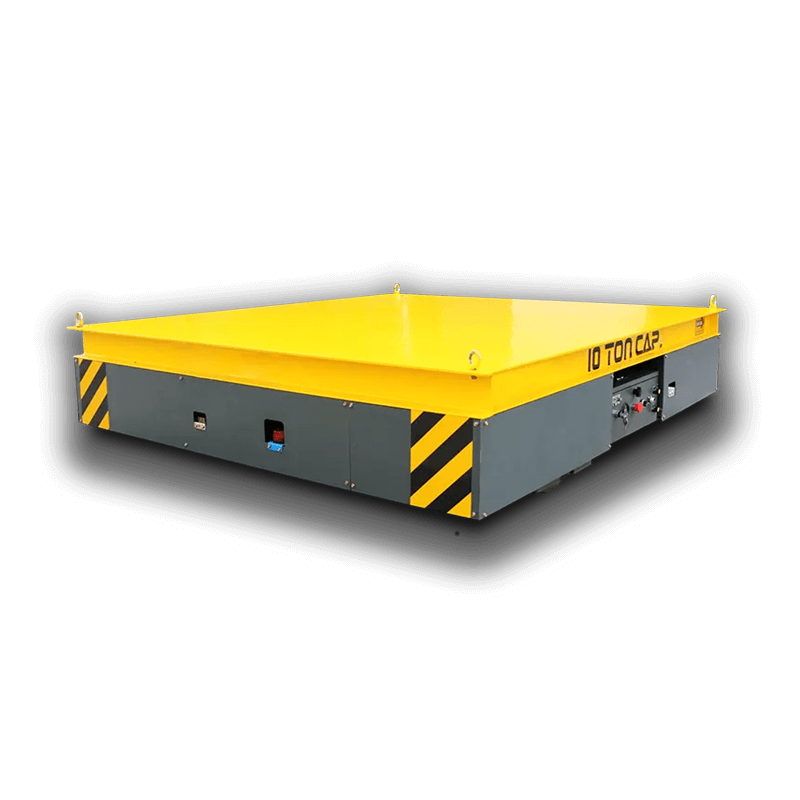
Transfer Carts
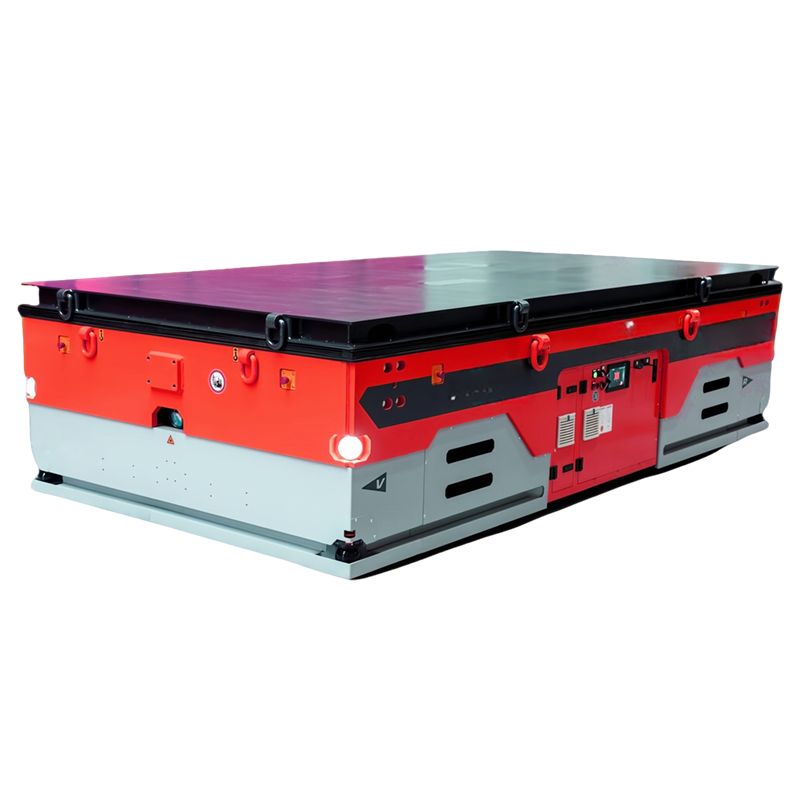
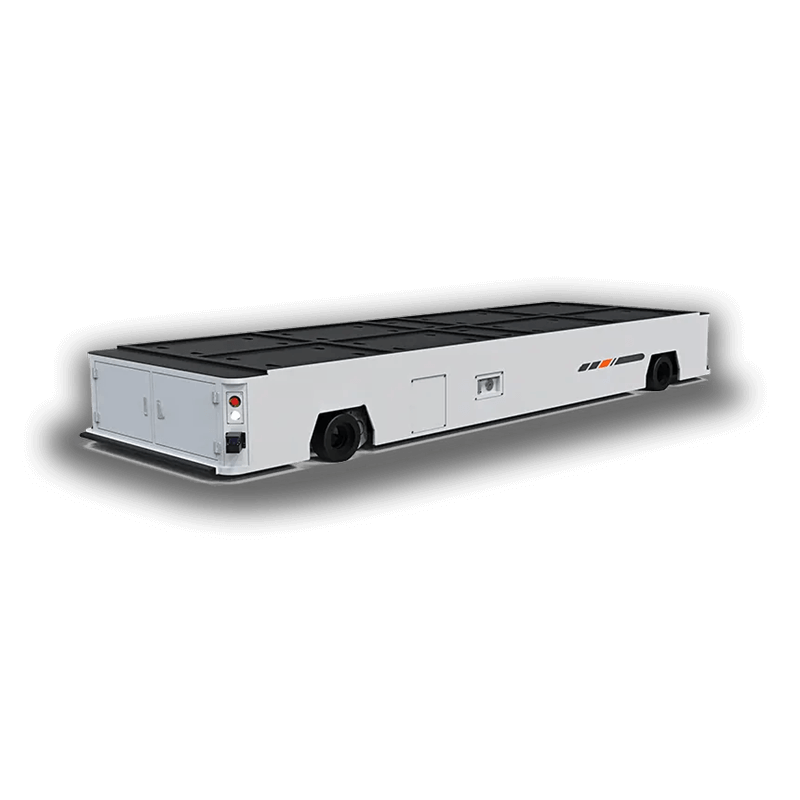
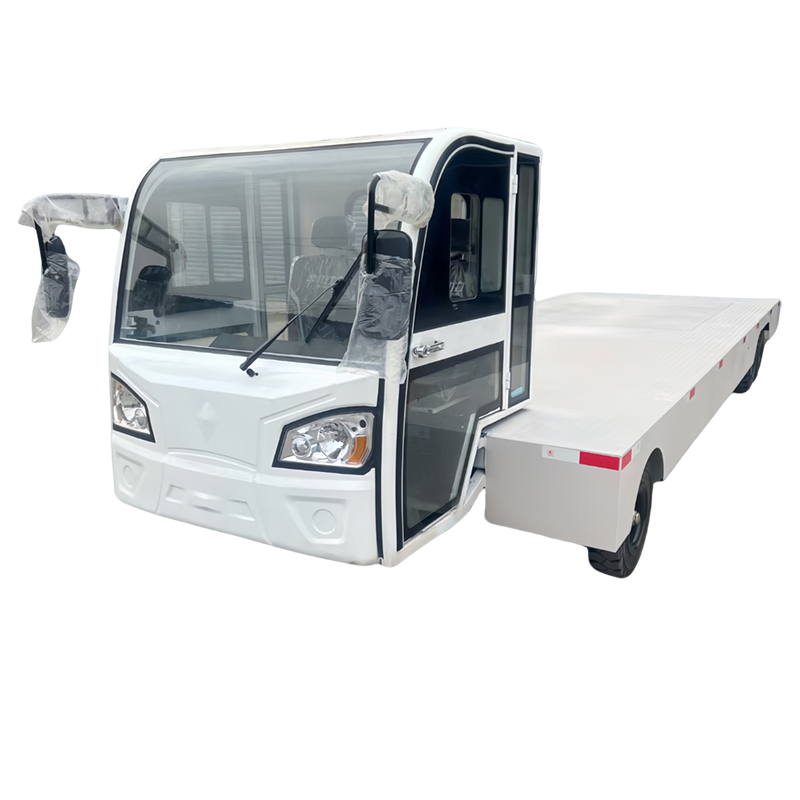
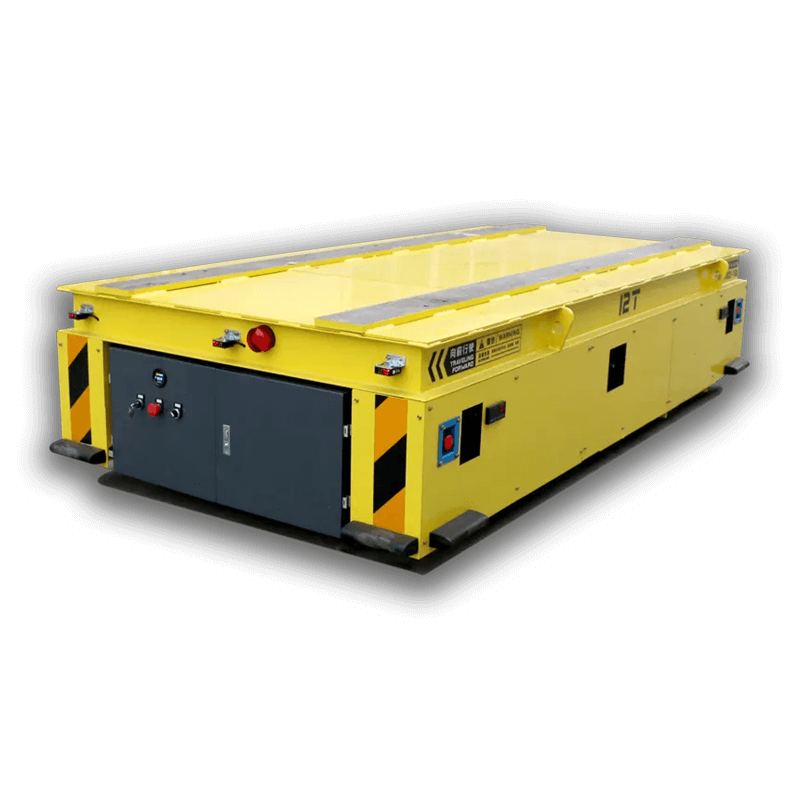
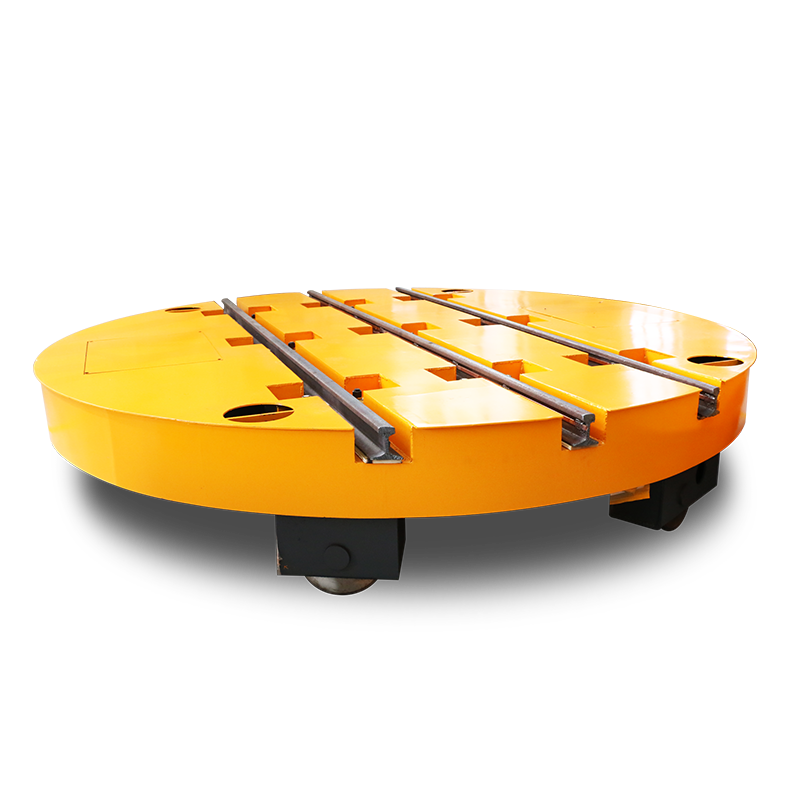
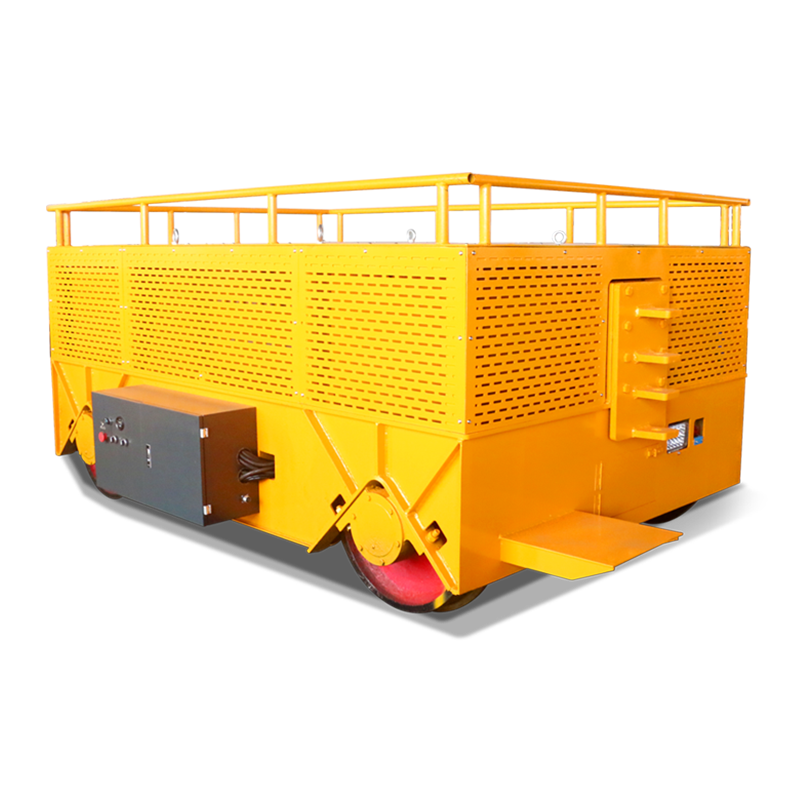
Electric transfer carts excel in ultra-heavy load applications:
- Standard capacities: 1-500 tons
- Specialized units: 1,000+ tons for extreme applications
- Low center of gravity design for stability
- Even weight distribution across platform
Forklifts
forklifts serve lighter heavy-duty needs:
- Typical industrial range: 3-25 tons
- Heavy-duty models: up to 50 tons
- Load concentrated at forks, requiring counterbalance
- Higher center of gravity affects stability
Operational Environment
Transfer Cart Advantages
- Operates on flat floors without specialized infrastructure
- Suitable for high-temperature environments (foundries, steel mills)
- Can be designed for explosive atmospheres
- No emissions in indoor operations
Forklift Advantages
- Excellent maneuverability in tight spaces
- Vertical lifting capability for stacking
- Rapid deployment without fixed paths
- Versatile attachment options
Safety Considerations
Transfer Cart Safety Features
- Low-speed operation reduces accident risk
- Clear sight lines for operators
- No mast obstruction
- Can include comprehensive sensor arrays
Forklift Safety Challenges
- Tip-over risk with elevated loads
- Blind spots when carrying tall loads
- Pedestrian collision hazards
- Requires certified operators
Cost Analysis
Initial Investment
Transfer carts generally offer lower acquisition costs for equivalent capacity:
- Transfer cart (10-ton): $8,000-$15,000
- Forklift (10-ton): $50,000-$100,000+
Operating Costs
Ongoing expenses favor different solutions depending on usage:
- Transfer carts: Lower maintenance, no fuel costs, minimal wear
- Forklifts: Higher fuel/consumption, regular maintenance, tire replacement
Application Scenarios
Choose Transfer Carts When:
- Moving loads >25 tons
- Fixed or semi-fixed routes
- High-temperature or hazardous environments
- Minimizing operator certification requirements
- Long-distance horizontal transport
Choose Forklifts When:
- Loads <25 tons
- Vertical stacking required
- Variable routes and flexible operation
- Rapid loading/unloading from trucks
- Multi-purpose equipment needs
Hybrid Approaches
Many heavy industries benefit from combined deployment:
- Transfer carts for long-distance heavy load movement
- Forklifts for loading, unloading, and stacking
- Coordinated workflow maximizes efficiency
Conclusion
Neither solution is universally superior. Transfer carts dominate ultra-heavy, fixed-route applications while forklifts offer versatility for lighter loads requiring vertical movement. Many operations benefit from strategic deployment of both technologies to optimize material handling efficiency across diverse operational requirements.