
 English
 简体中文
简体中文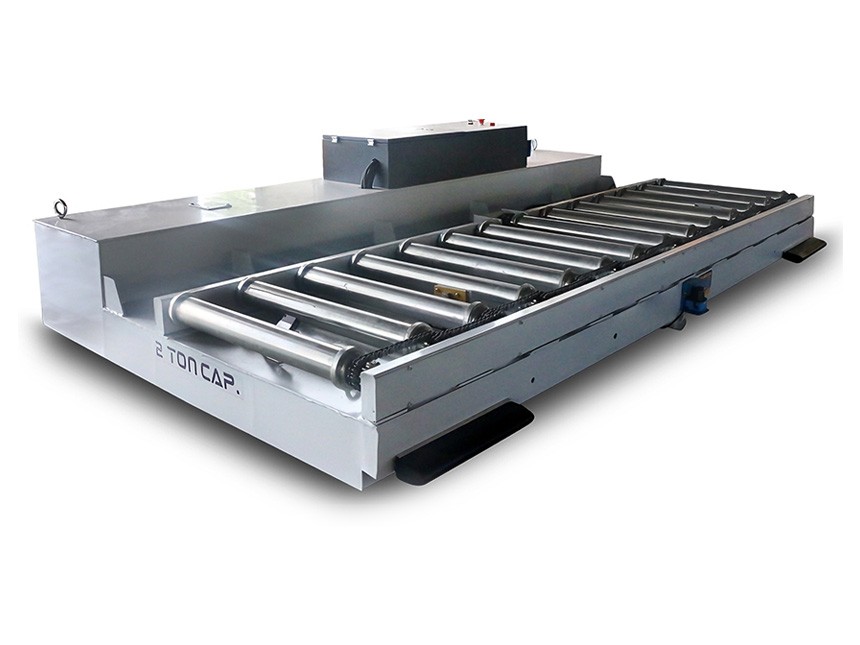
Using Electric Carts for Cross-Workshop Transport
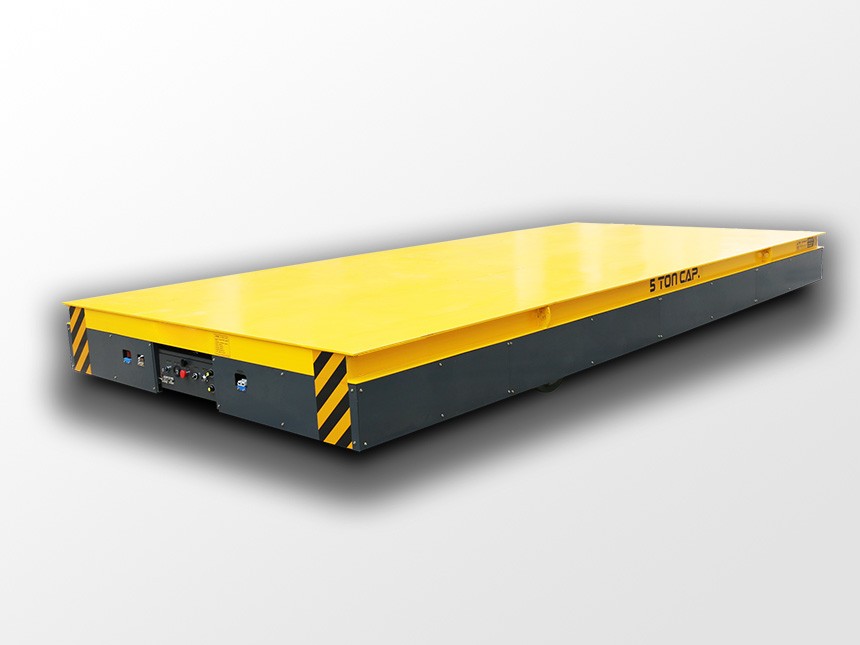
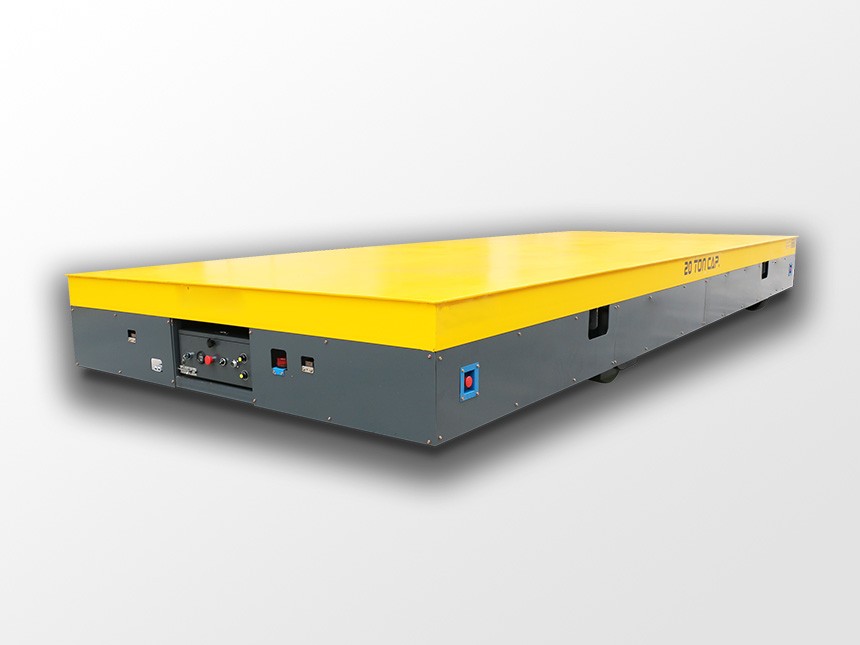
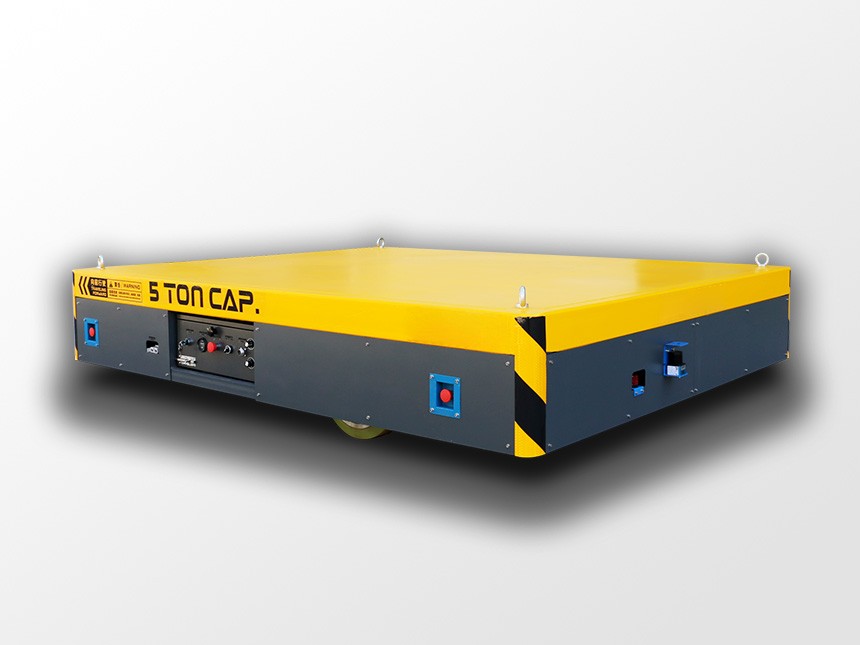
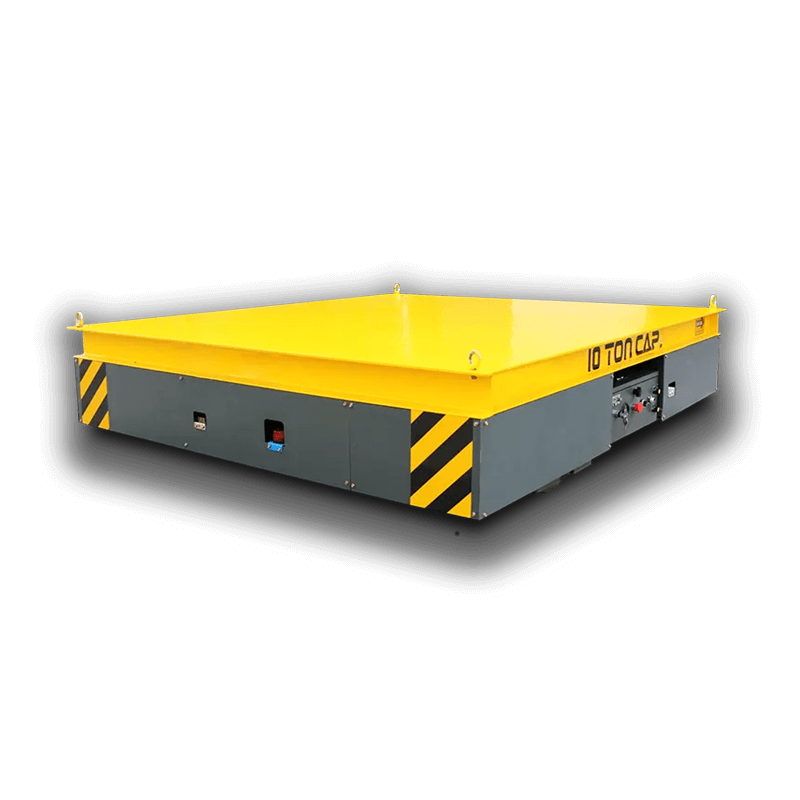
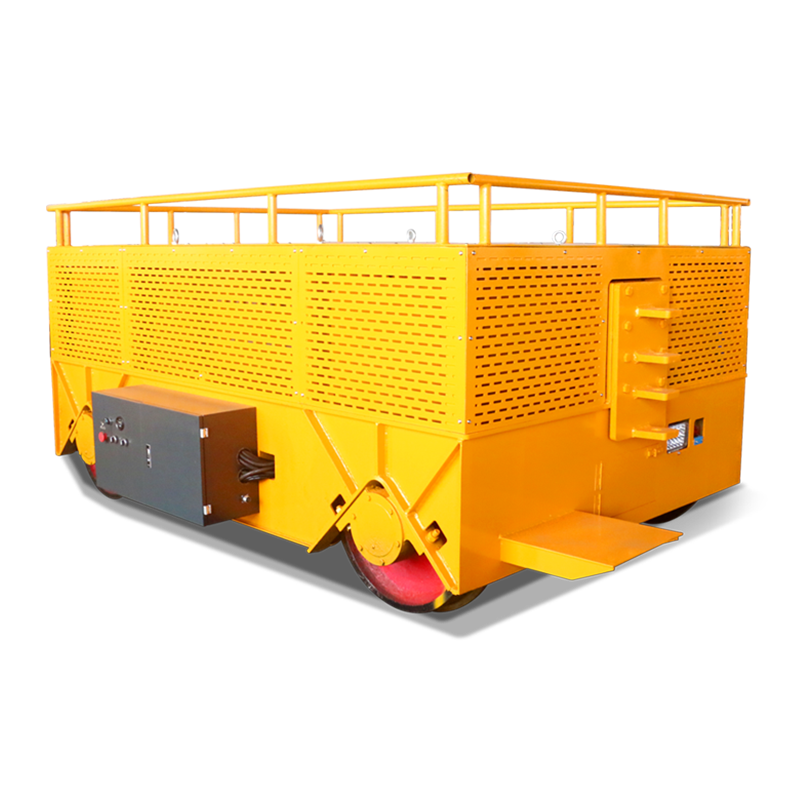
Modern manufacturing facilities often consist of multiple workshops specializing in different production stages. Moving materials efficiently between these dispersed locations presents unique logistical challenges that electric transfer carts solve effectively.
Cross-Workshop Transport Challenges
Multi-workshop facilities face specific material flow issues:
- Long transport distances (100+ meters common)
- Varying floor conditions between buildings
- Outdoor exposure requirements
- Traffic crossing shared pathways
- Coordination between independent production schedules
Electric Cart Advantages
Distance Efficiency
Electric carts excel in long-distance transport:
- Continuous operation without operator fatigue
- Consistent speed regardless of distance
- Battery capacities supporting 8+ hour shifts
- Opportunity charging at workstations
Environmental Adaptability
Configure carts for diverse conditions:
- Weatherproofing for outdoor travel
- Temperature-resistant components
- All-terrain wheel options
- Corrosion protection for harsh environments
Load Protection
Secure transport prevents damage:
- Stable platform eliminates vibration
- Custom fixtures secure irregular loads
- Shock-absorbing suspension options
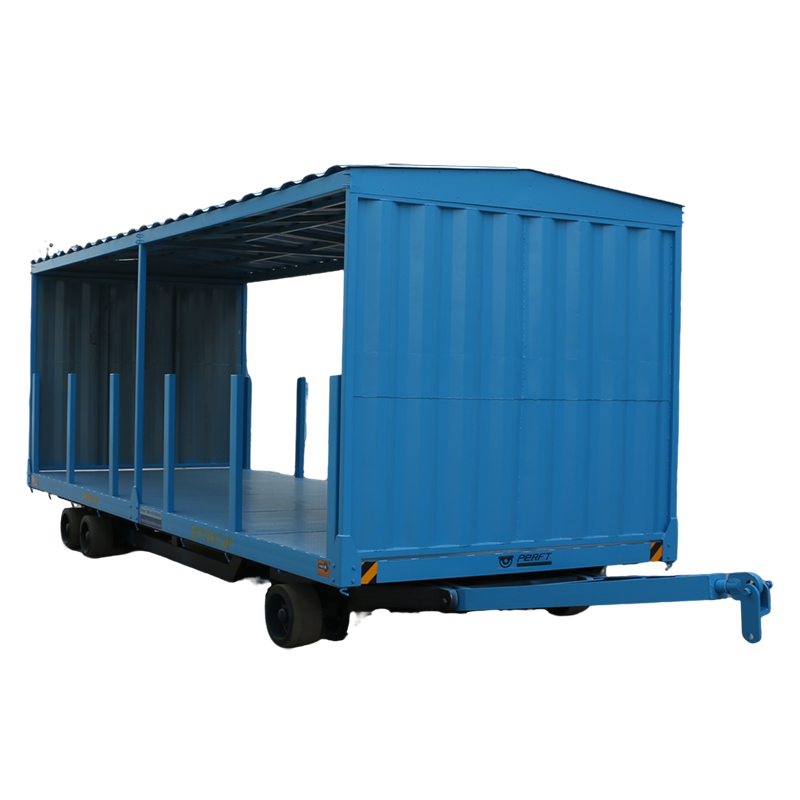
- Enclosed transport for sensitive materials
Route Planning Considerations
Indoor Routes
Optimize internal pathways:
- Width requirements for two-way traffic
- Doorway and elevator dimensions
- Floor load capacity verification
- Clearance for overhead obstacles
Outdoor Routes
Address external travel challenges:
- Paved surface quality and maintenance
- Drainage and weather exposure
- Lighting for night operations
- Security and access control
Traffic Management
Coordinate multi-cart operations:
- One-way route design where possible
- Designated crossing points with signaling
- Priority rules for urgent transports
- Scheduled windows for high-traffic corridors
Integration with Workshop Operations
Dispatch Systems
Automated task assignment:
- RFID trigger at loading points
- Button-activated call systems
- Scheduled automatic departures
- Priority override for urgent materials
Loading/Unloading Stations
Dedicated transfer points:
- Dock-level platforms for easy transfer
- Conveyor interfaces for automated loading
- Crane hookup points for heavy items
- Staging areas for batch consolidation
Safety Protocols
Cross-workshop safety requirements:
- Audible and visual warning systems
- Speed restrictions in shared areas
- Pedestrian crossing guards and signage
- Emergency stop stations along routes
- Operator visibility requirements
Implementation Best Practices
- Map all transport routes with precise measurements
- Identify bottleneck points and capacity constraints
- Calculate required cart capacity and quantity
- Design charging infrastructure strategically
- Establish clear operating procedures
- Train all affected personnel
- Monitor performance and optimize routes
Conclusion
Electric transfer carts provide reliable, efficient cross-workshop material transport that adapts to diverse facility layouts and operational requirements. By carefully planning routes, integrating with workshop systems, and implementing robust safety protocols, manufacturers achieve seamless material flow across even the most complex multi-building production environments.