
 English
 简体中文
简体中文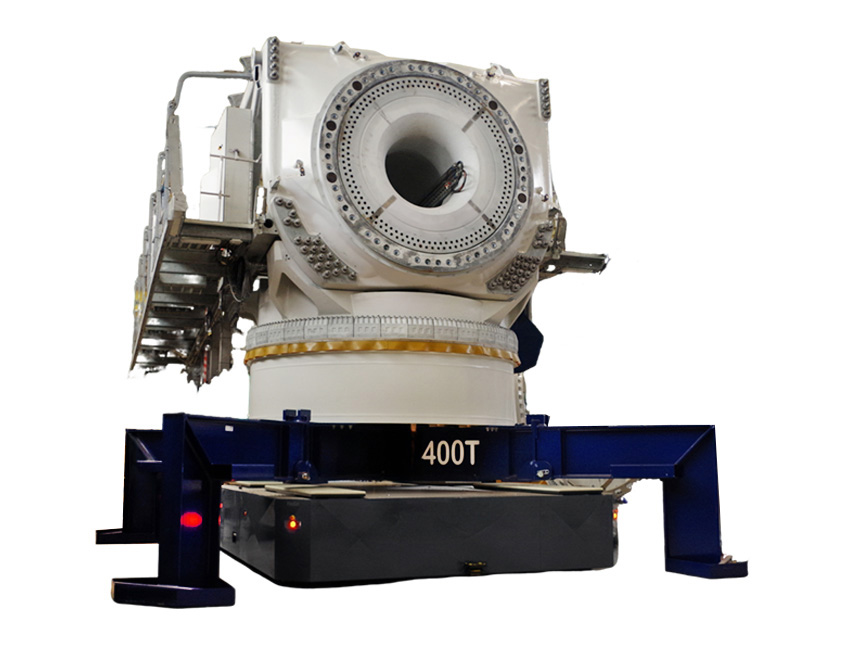
Future of Non-Automated Transport Systems
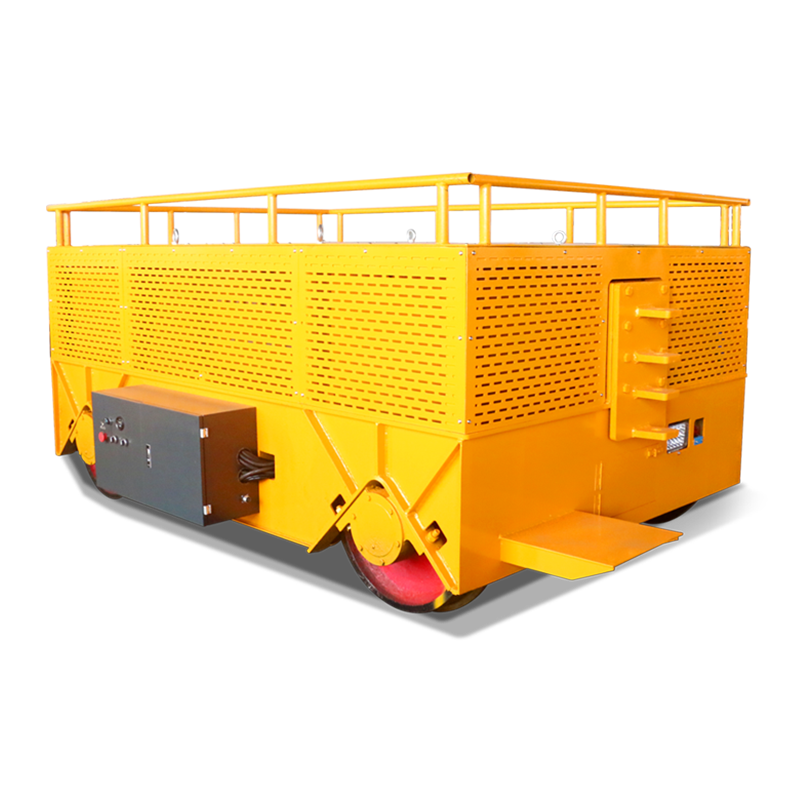
While automated guided vehicles (AGVs) and autonomous mobile robots (AMRs) dominate industry headlines, non-automated transport systems remain essential in manufacturing. Understanding their evolving role helps businesses make informed equipment decisions.
Why Non-Automated Systems Persist
Several factors sustain demand for operator-controlled transport:
- Lower capital investment requirements
- Flexibility for variable routes and tasks
- No complex infrastructure or software dependencies
- Easier maintenance with widely available parts
- Immediate deployment without system integration
Technology Integration Trends
Smart Manual Carts
Modern non-automated carts incorporate intelligent features:
- Digital load weighing and display
- GPS tracking for fleet management
- Battery monitoring with smartphone alerts
- Usage logging for maintenance scheduling
- RFID integration for inventory tracking
Human-Machine Interface Improvements
Enhanced operator experience:
- Ergonomic controls reducing fatigue
- Intuitive touchscreen displays
- Voice command capabilities
- Haptic feedback for safety warnings
- Adjustable operating positions
Hybrid Operation Models
Combining automated and manual systems strategically:
- Automated main lines with manual feeder routes
- Manual operation during peak demand periods
- Backup manual systems during AGV maintenance
- Gradual automation transition preserving existing equipment
Industry-Specific Evolution
Heavy Manufacturing
Ultra-heavy loads favor robust manual systems:
- 500+ ton capacity requirements beyond AGV economics
- Harsh environments challenging automation sensors
- Custom handling needs defying standardization
Small and Medium Enterprises
Cost-conscious operations prioritize flexibility:
- Limited capital for full automation
- Variable production volumes
- Multi-product manufacturing lines
- Skilled workforce preferring direct control
Sustainability Considerations
Environmental factors influencing design:
- Lithium battery technology improving energy density
- Regenerative braking capturing energy
- Solar charging stations for outdoor operations
- Lightweight materials reducing power consumption
- End-of-life recyclability in design
Cost-Benefit Analysis
Evaluating automation vs. manual operation:
- Break-even analysis for AGV investment
- Labor cost trends in different regions
- Maintenance cost comparisons
- Productivity gains quantification
- Risk-adjusted return calculations
Future Outlook
Projected developments in non-automated transport:
- Semi-autonomous features (collision avoidance, route optimization)
- Modular designs enabling capability upgrades
- Cloud-connected fleet analytics
- Predictive maintenance via IoT sensors
- Integration with warehouse management systems
Conclusion
Non-automated transport systems evolve rather than disappear. By incorporating smart technologies, improving ergonomics, and maintaining operational flexibility, these systems complement automated solutions in comprehensive material handling strategies. The future belongs to intelligent integration of both approaches tailored to specific operational requirements.