
 English
 简体中文
简体中文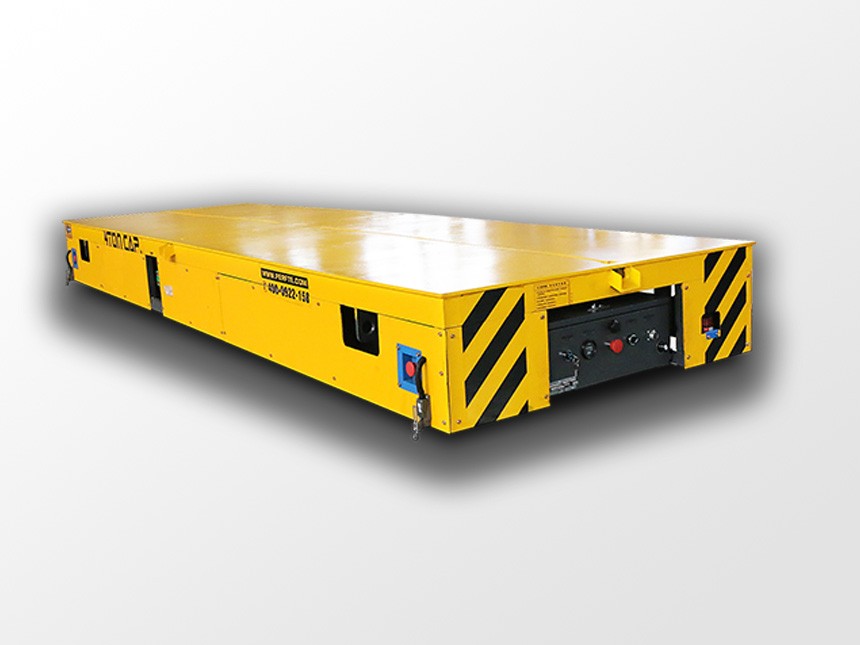
Industrial Cart Safety Standards
Safety isn't a checkbox — it's the foundation of sustainable operations. Industrial carts move heavy loads through busy facilities, and when things go wrong, they go wrong fast. Understanding the standards that govern cart design and operation protects your people, your equipment, and your liability exposure.
Why Standards Matter
We've seen facilities skip safety reviews to save time. Inevitably, someone gets hurt, production stops for investigation, and the "savings" evaporate. Proper safety standards aren't bureaucratic overhead — they're distilled from decades of incidents and near-misses. Following them is cheaper than learning the hard way.
Key Design Requirements
Industrial carts must incorporate these safety features:
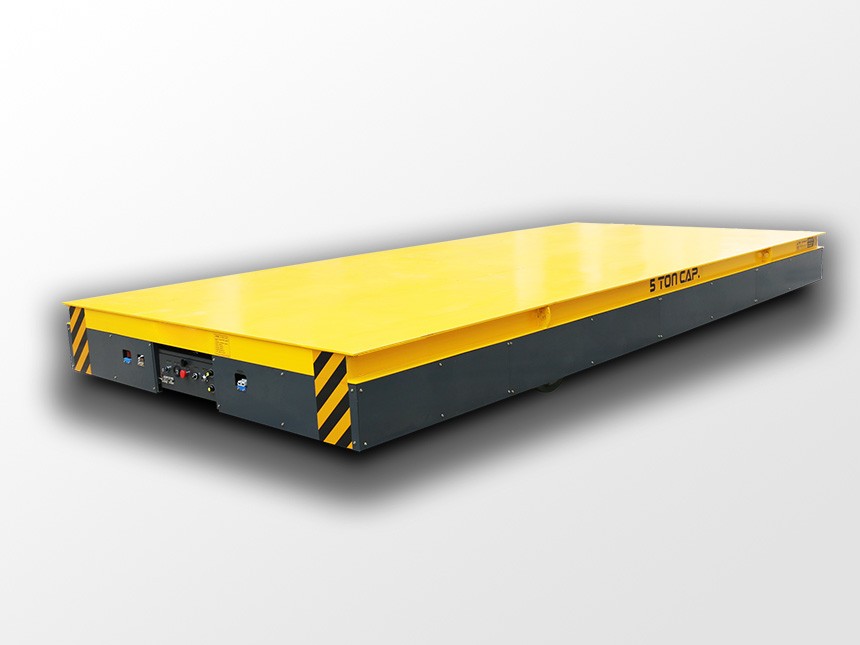
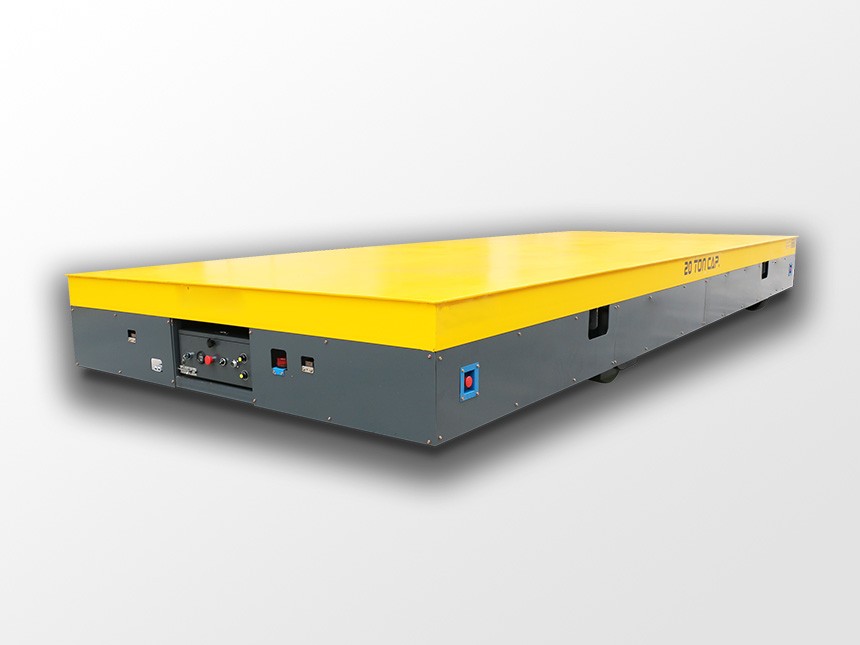
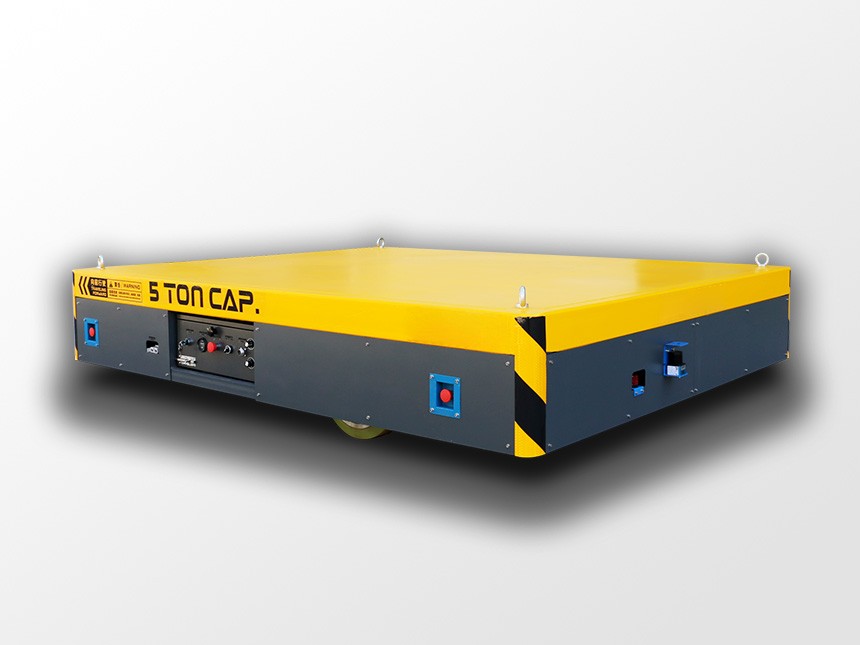
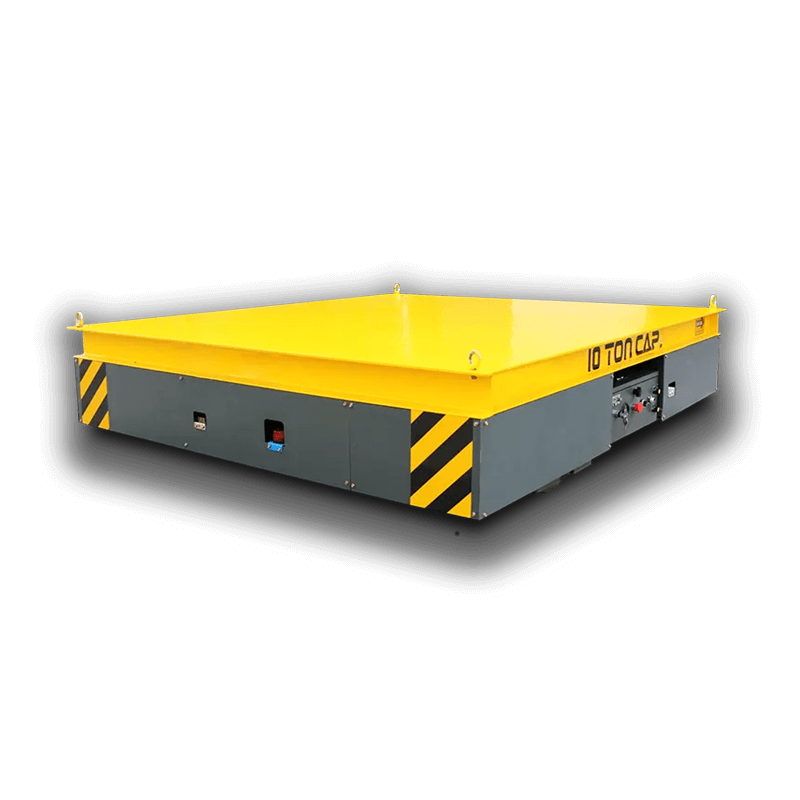
- Emergency stop buttons — accessible from multiple positions, hardwired (not software-dependent)
- Audible alarms — activated during movement, loud enough for noisy environments
- Warning lights — visible from all angles, especially critical for blind corners
- Dead-man switches — cart stops if operator releases control
- Speed limiters — physically constrained maximum speeds for indoor operation
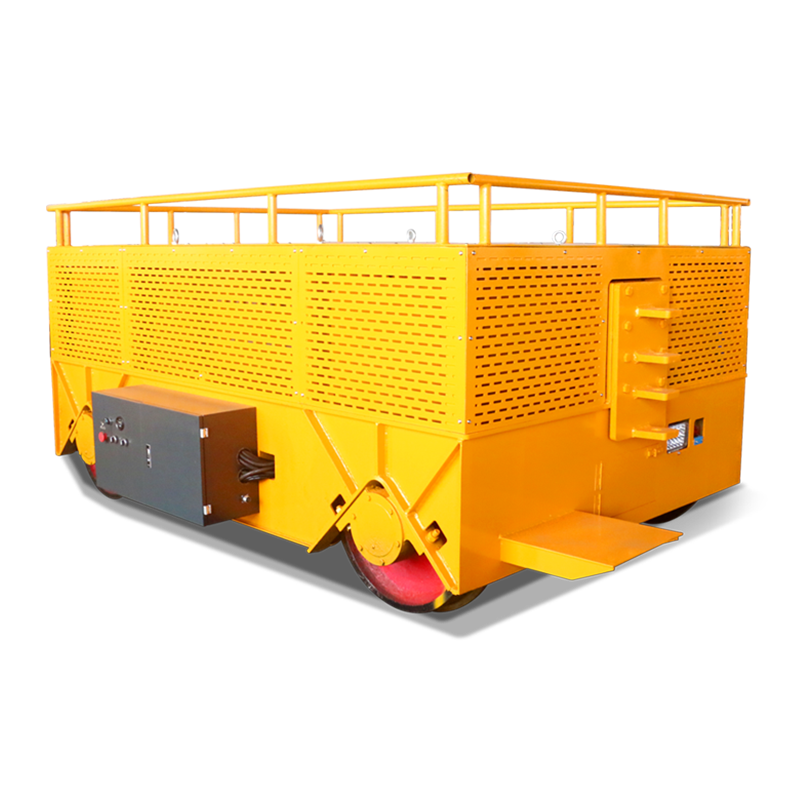
Load stability matters too. Deck surfaces need anti-slip treatment. Railings or containment edges prevent shifting during transport. For exceptionally heavy loads, automatic braking on slopes isn't optional — it's essential.
Operational Protocols
Even perfectly designed carts become hazards with poor procedures:
- Pre-shift inspections — brakes, alarms, lights, and controls checked daily
- Load limits enforced — no exceptions, no "just this once"
- Designated routes — separating pedestrian and cart traffic where possible
- Operator certification — documented training, not informal handoffs
- Incident reporting — near-misses included, not just accidents
Regulatory Landscape
Different regions impose different requirements. In the EU, machinery directives mandate CE marking and risk assessments. OSHA in the US focuses on employer responsibility for safe workplaces. Asian markets increasingly adopt ISO standards alongside local regulations.
If you're exporting equipment, compliance isn't optional — it's a market access requirement. We've seen shipments held at customs for missing documentation. The delay costs more than preparing proper certificates upfront.
Risk Assessment Framework
Before deploying any cart system, conduct formal risk assessment:
- Identify all hazards (mechanical, electrical, environmental, human factors)
- Estimate probability and severity for each
- Implement controls following the hierarchy: eliminate → substitute → engineer → administer → PPE
- Document residual risks and mitigation plans
- Review quarterly or after any incident
Training That Actually Works
Most safety training fails because it's passive — videos and handouts that workers forget within days. Effective programs include:
- Hands-on practice with actual equipment
- Scenario-based problem solving
- Regular refreshers, not just onboarding
- Peer observation and feedback
- Clear consequences for protocol violations
Conclusion
Safety standards aren't constraints on productivity — they're enablers of sustainable operations. Facilities with strong safety records consistently outperform those treating compliance as an afterthought. The investment in proper equipment, training, and procedures pays dividends in reduced downtime, lower insurance costs, and most importantly, workers who go home uninjured every day.