

 English
 简体中文
简体中文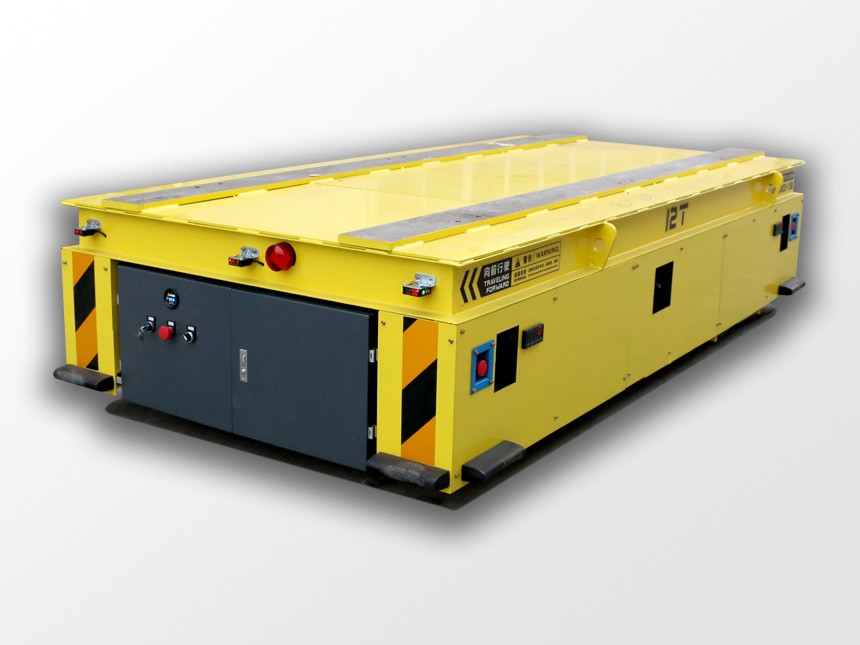
How to Improve Material Flow Efficiency
Material flow efficiency isn't about moving things faster — it's about moving them smarter. We've seen factories double throughput without adding equipment, simply by reorganizing how materials move from receiving to shipping. The gains come from eliminating waste, not increasing speed.
Map Before You Optimize
You can't improve what you haven't measured. Start with a spaghetti diagram — literally trace every material movement for a week. The results usually shock people. We've seen products travel 3 kilometers inside a building that measures 100 meters across. Every unnecessary meter is waste.
Key metrics to capture:
- Distance traveled per unit
- Number of handling touches
- Wait times between operations
- Transport batch sizes versus production needs
- Cross-traffic and congestion points
The Seven Wastes of Material Flow
Lean manufacturing identifies seven wastes. Applied to material flow:
- Overproduction — moving materials before the next station needs them
- Waiting — materials sitting idle, blocking capital and floor space
- Transport — unnecessary movement between non-adjacent operations
- Over-processing — excessive packaging, redundant inspections
- Inventory — buffer stock hiding flow problems
- Motion — workers walking to fetch materials instead of value-added work
- Defects — damaged goods from poor handling during transport
Most facilities have at least four of these. Fixing even two typically yields 15-25% improvement.
Practical Improvements
1. Straighten the Line
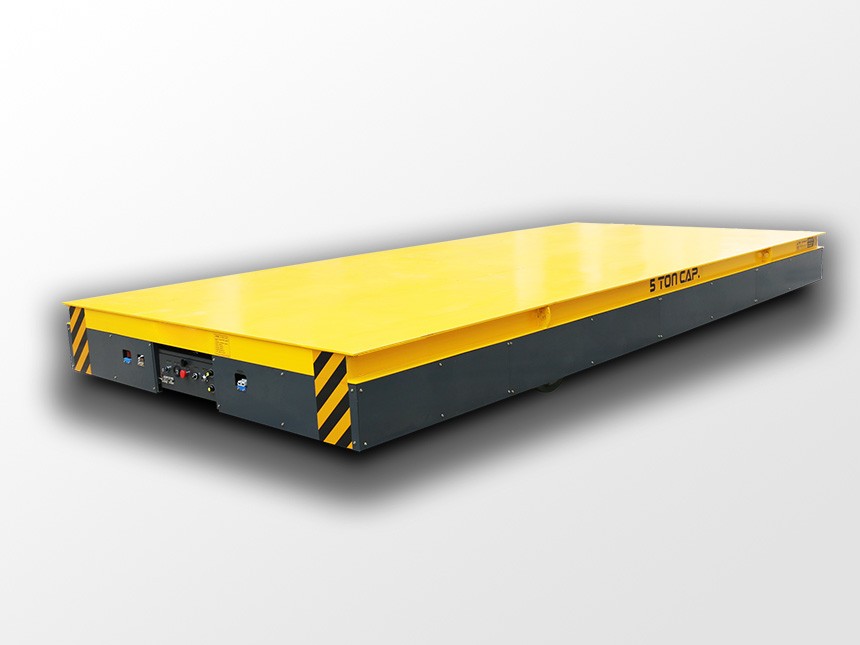
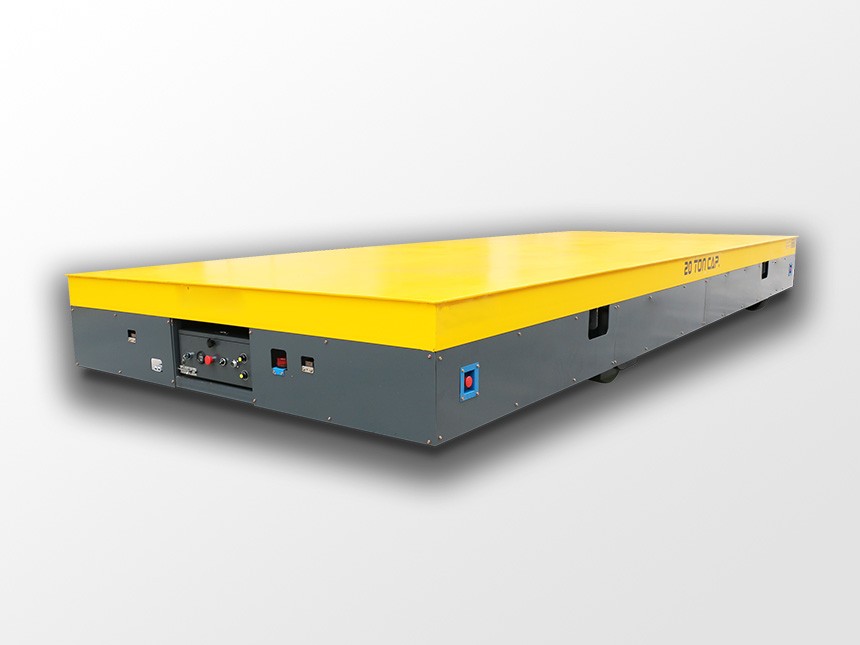
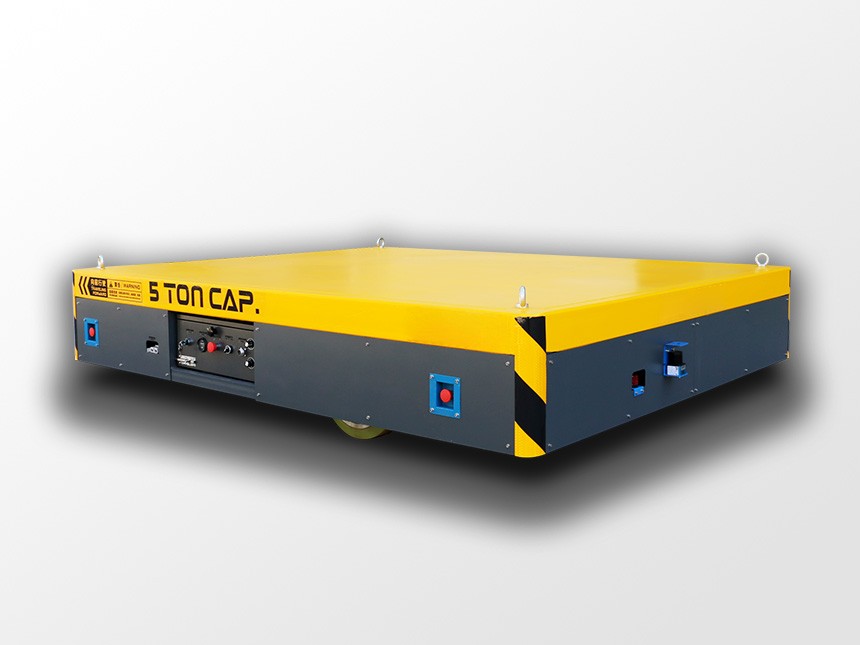
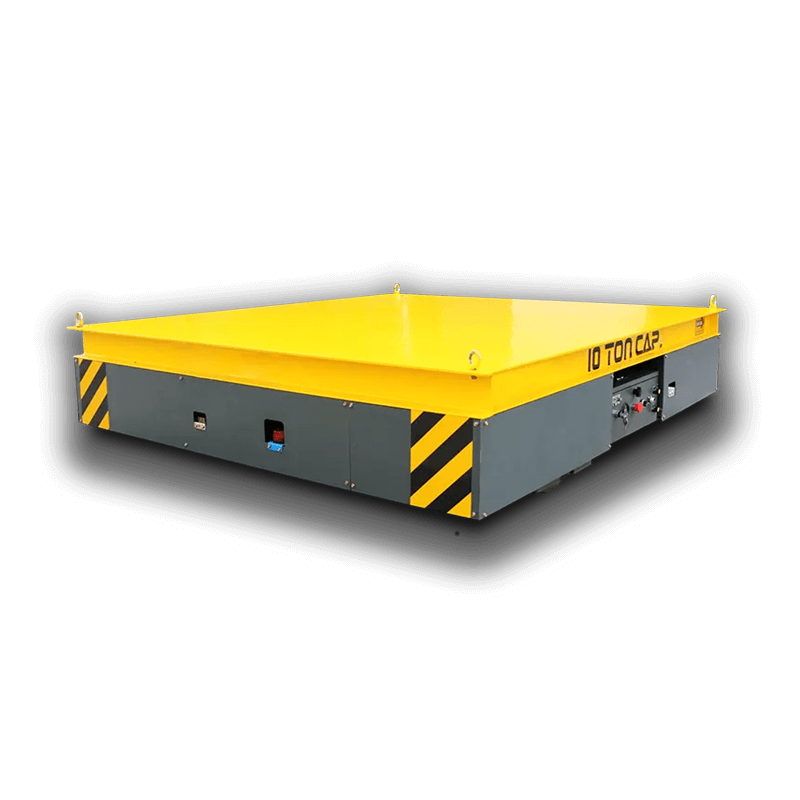
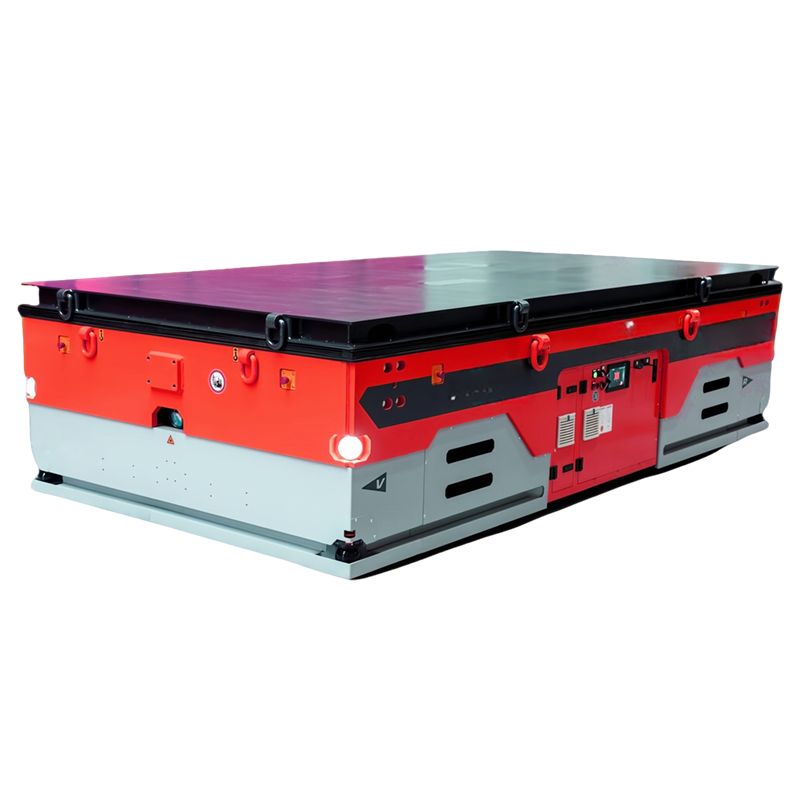
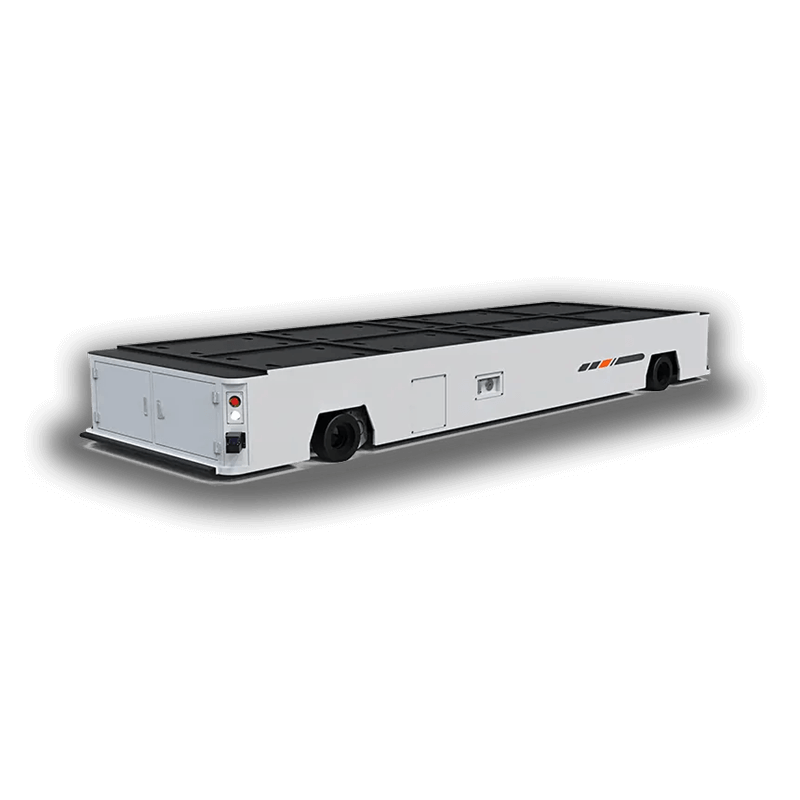
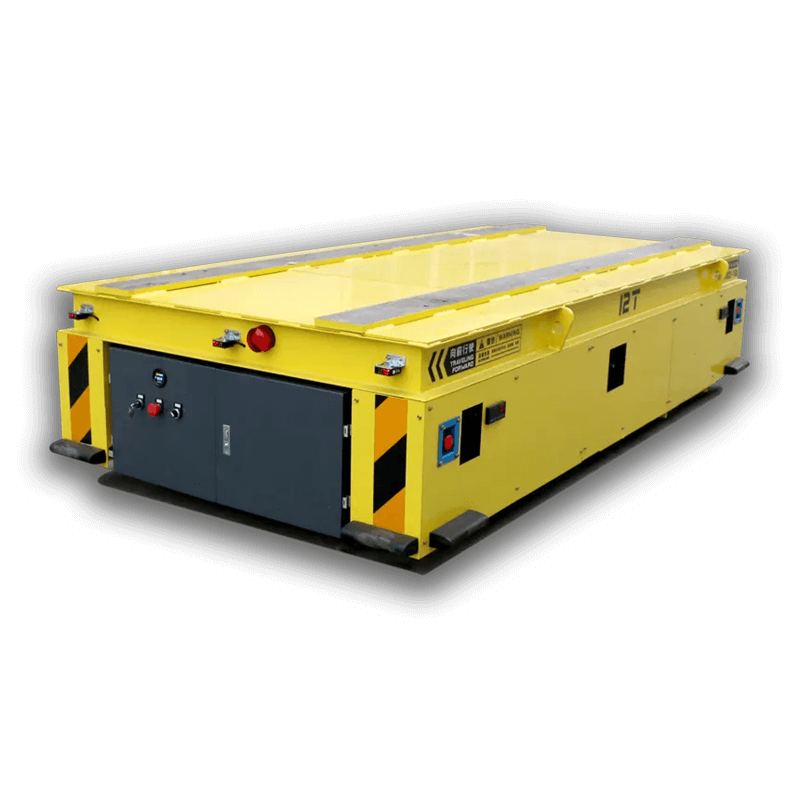
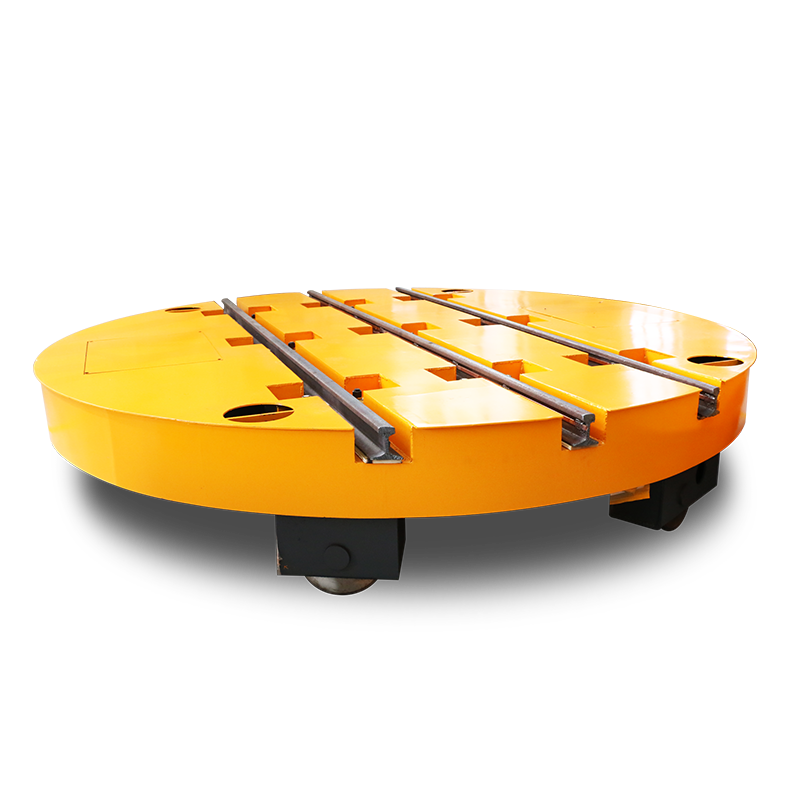
U-shaped layouts beat straight lines for most manufacturing. Workers can reach multiple stations. Materials flow in one direction without backtracking. If you can't rebuild, use transfer carts to create virtual straight-line flow across a winding physical layout.
2. Right-Size Containers
Oversized containers encourage overproduction. A cart carrying 50 units when the next station needs 10 means 40 units sit waiting. Use smaller, standardized containers that match production takt time. The transport frequency increases, but inventory drops proportionally more.
3. Milk Run Routes
Instead of dedicated carts per route, establish fixed loops that pick up and deliver at multiple stations. Like a bus route versus individual taxis. One cart replaces three, with predictable timing that stations can plan around.
4. Visual Management
Color-code routes. Mark floor lanes. Use Andon lights to signal material needs. When flow problems are visible, they get fixed. When they're hidden in computer systems, they persist.
Technology as Enabler, Not Solution
WMS software, RFID tracking, and automated carts help — but only after processes are sound. We've seen companies implement expensive tracking systems that merely document how inefficient their flow is. Fix the flow first, then add technology to maintain it.
The right sequence:
- Measure and map current state
- Eliminate obvious waste with low-cost changes
- Standardize the improved process
- Add technology to sustain and monitor
Measuring Success
Track these KPIs monthly:
- Material travel distance per finished unit (target: reduce 20% year one)
- Dock-to-dock time (receiving to shipping)
- Inventory turns (higher is better)
- Transport labor as percentage of total labor
- Material damage rate during handling
Conclusion
Material flow improvement is continuous, not a project. The best facilities revisit their flow quarterly, questioning why materials move the way they do. Start with measurement, attack the obvious waste, and build a culture where unnecessary movement is seen as failure. The efficiency gains follow naturally.