
 English
 简体中文
简体中文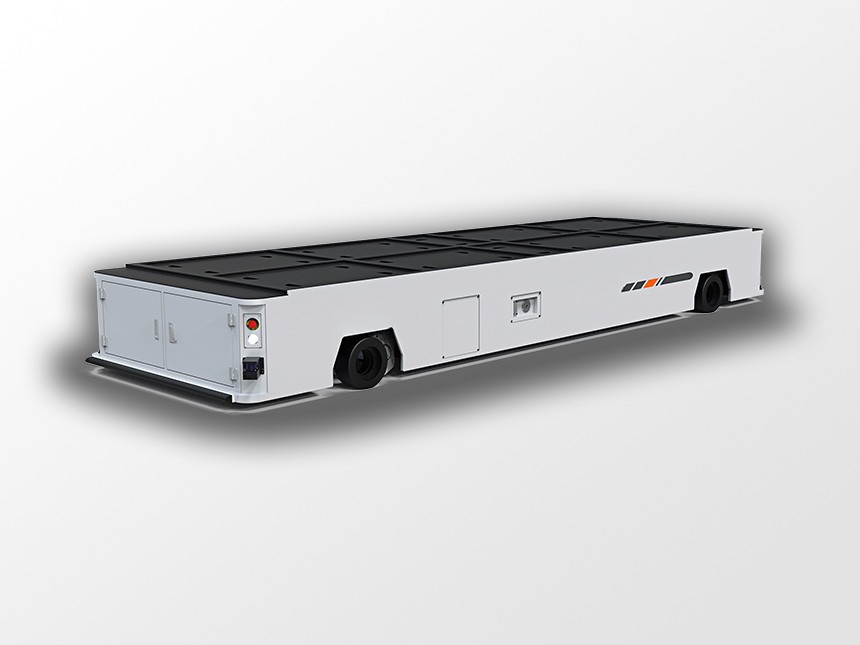
What Is the Best Way to Transport Large Equipment in Factories?
Moving large equipment inside a factory isn't like loading a truck. You have tight clearances, weight-bearing floor limits, overhead obstacles, and production schedules that don't pause for your move. The wrong approach damages equipment, injures people, or shuts down production lines. Here's how experienced facilities handle it.
Assess the Move First
Every large equipment move starts with questions, not action:
- Weight and dimensions: Not just the equipment — include packaging, lifting fixtures, and transport frame
- Center of gravity: Top-heavy loads need different handling than balanced ones
- Fragility: Precision equipment tolerates less vibration and shock than structural steel
- Path analysis: Measure every doorway, elevator, turn, and overhead obstruction
- Floor loading: Verify the route can support concentrated loads (especially mezzanines and elevated floors)
- Schedule constraints: When can you block aisles without stopping production?
Skipping this assessment is how machines end up stuck in doorways or dropped through floors.
Choose the Right Transport Method
For Loads Under 5 Tons
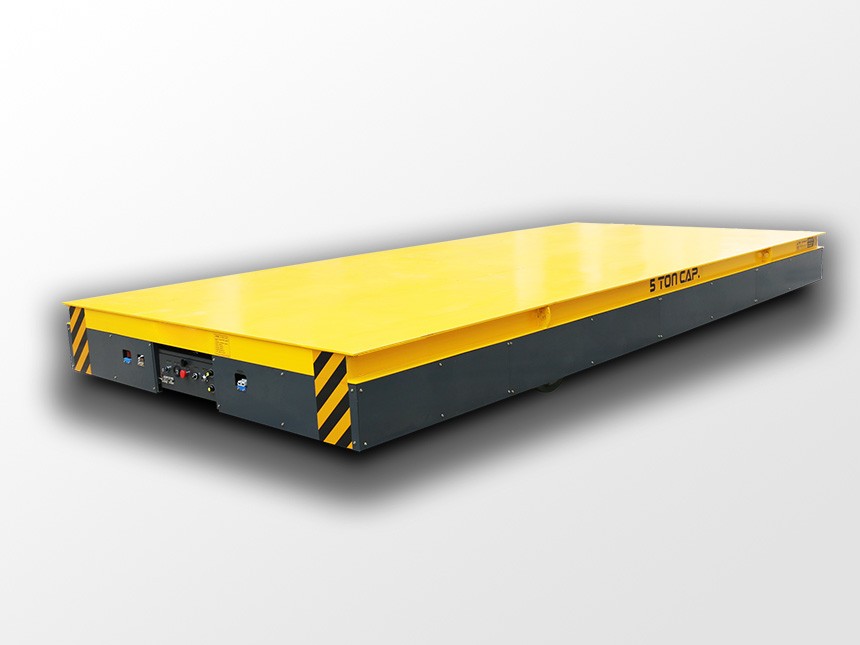
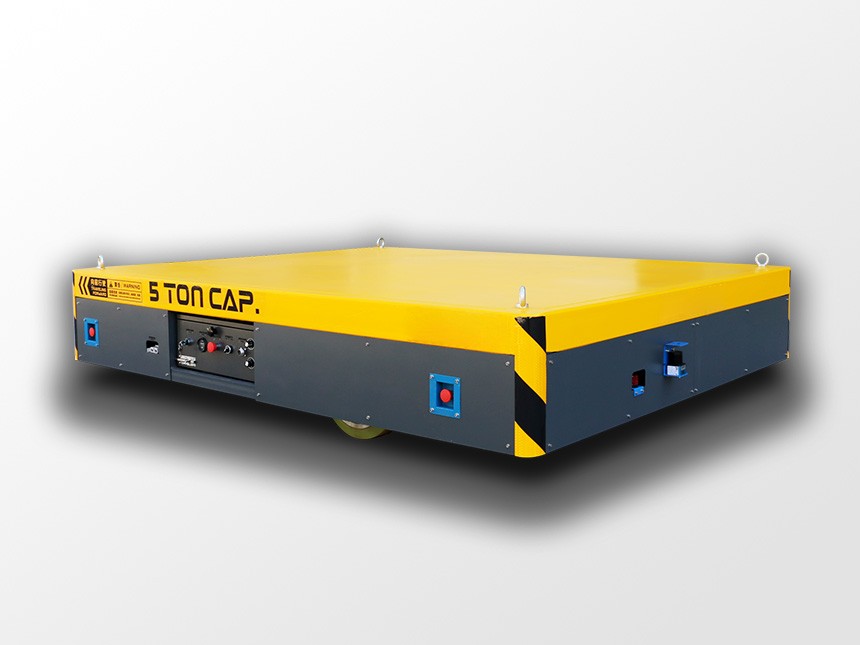
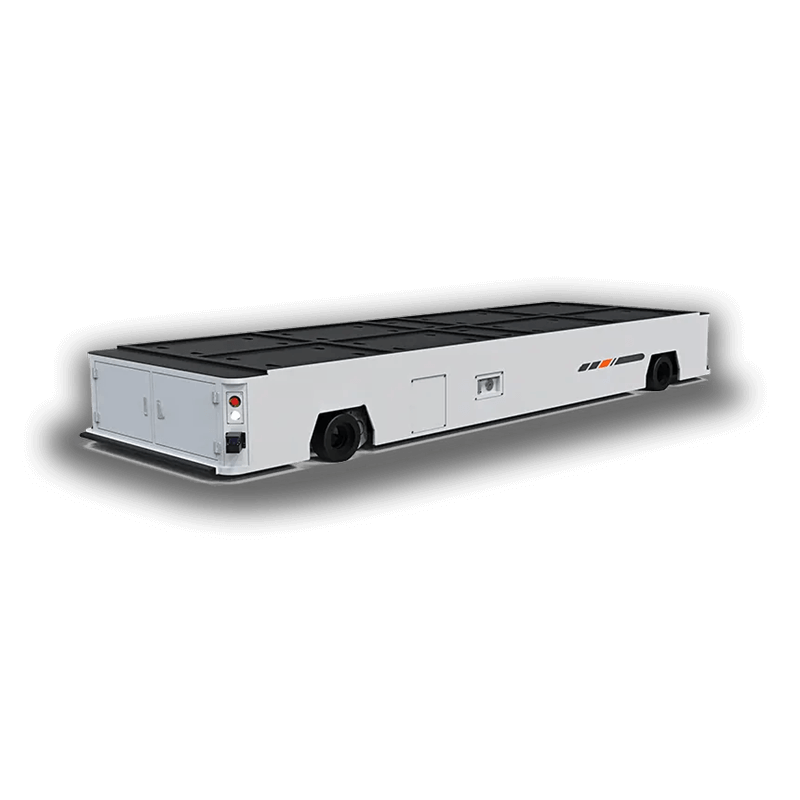
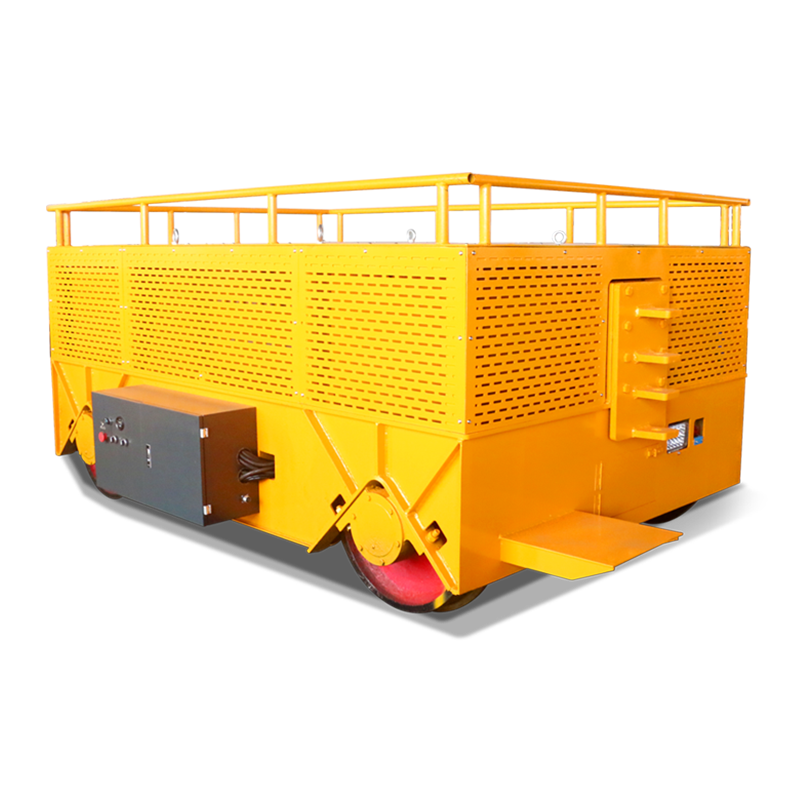
Electric transfer carts or heavy-duty platform trucks handle most factory moves in this range. They're maneuverable, don't require certified operators in most jurisdictions, and fit through standard doorways. Look for carts with:
- Variable speed control for precise positioning
- Low deck height for easy loading
- Sufficient wheelbase for load stability
- Brakes that hold on slopes
For Loads 5-20 Tons
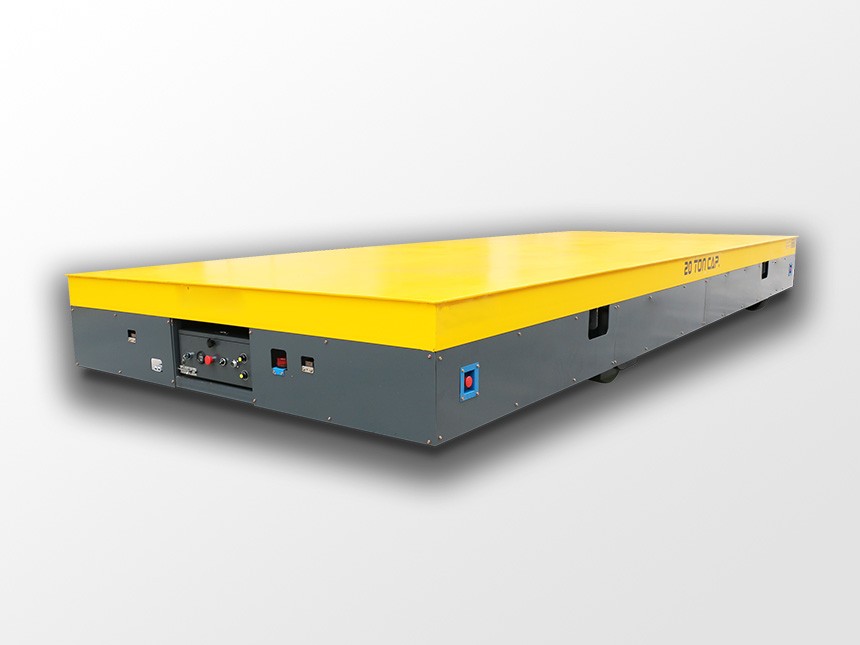
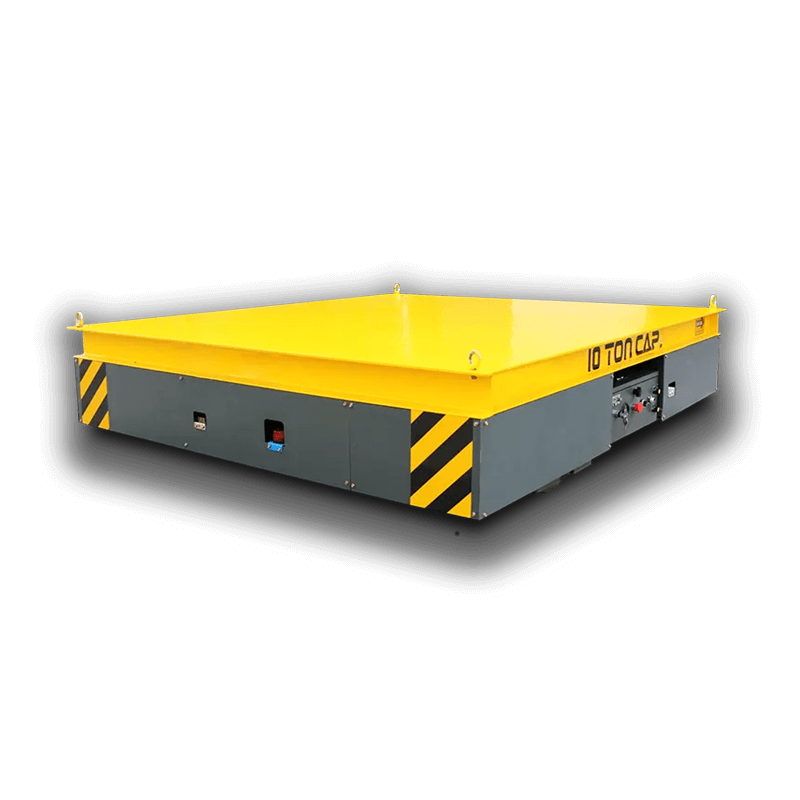
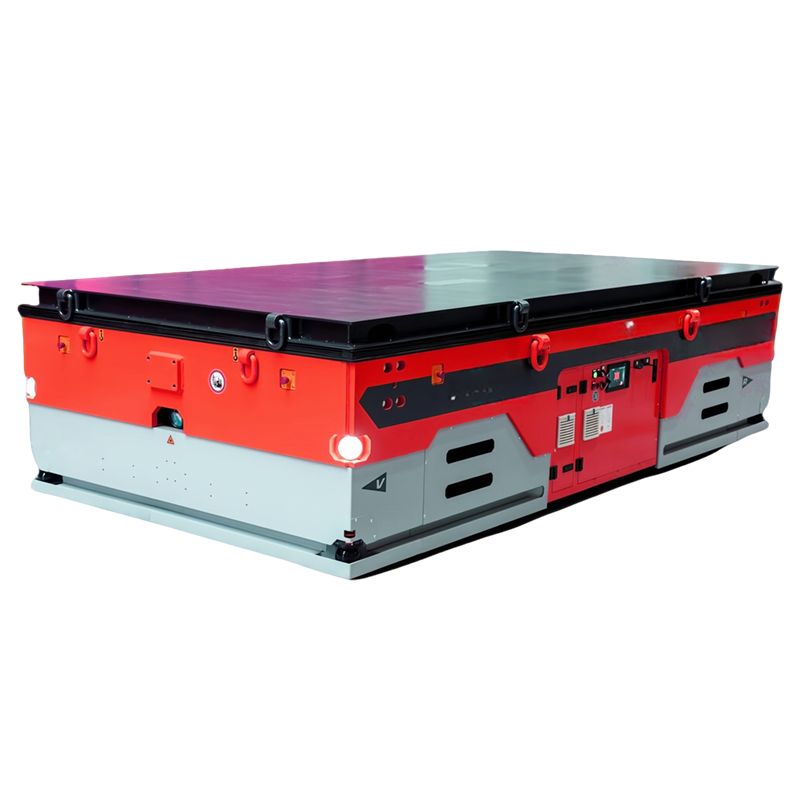
Heavy-duty electric transfer carts with rail guidance or omnidirectional wheels. Rail-guided systems eliminate steering challenges with long loads. Omnidirectional carts (using Mecanum or similar wheels) move sideways and rotate in place — invaluable in tight spaces.
For Loads Over 20 Tons
Specialized solutions:
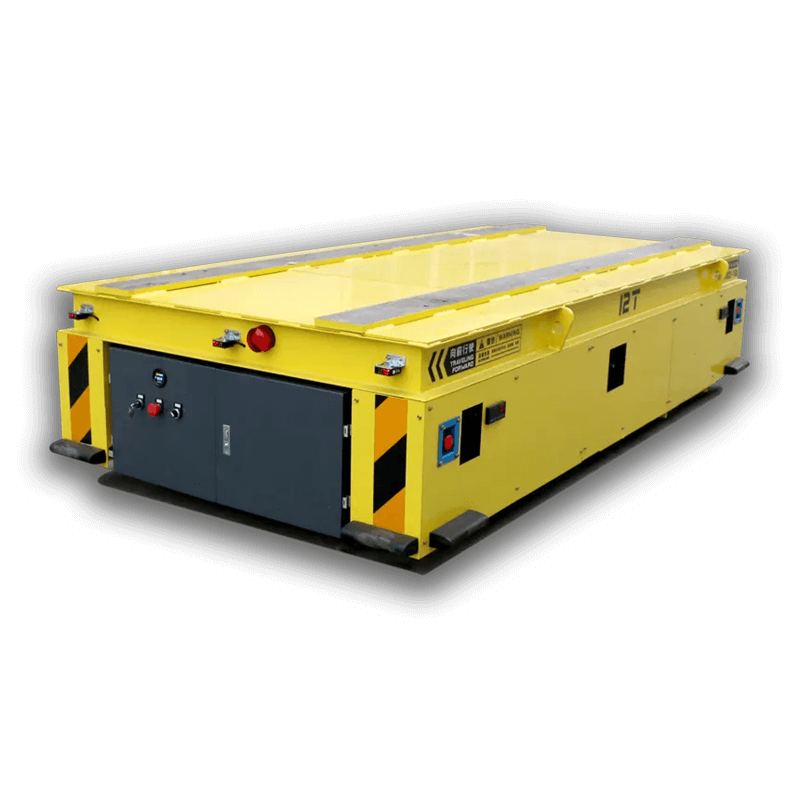
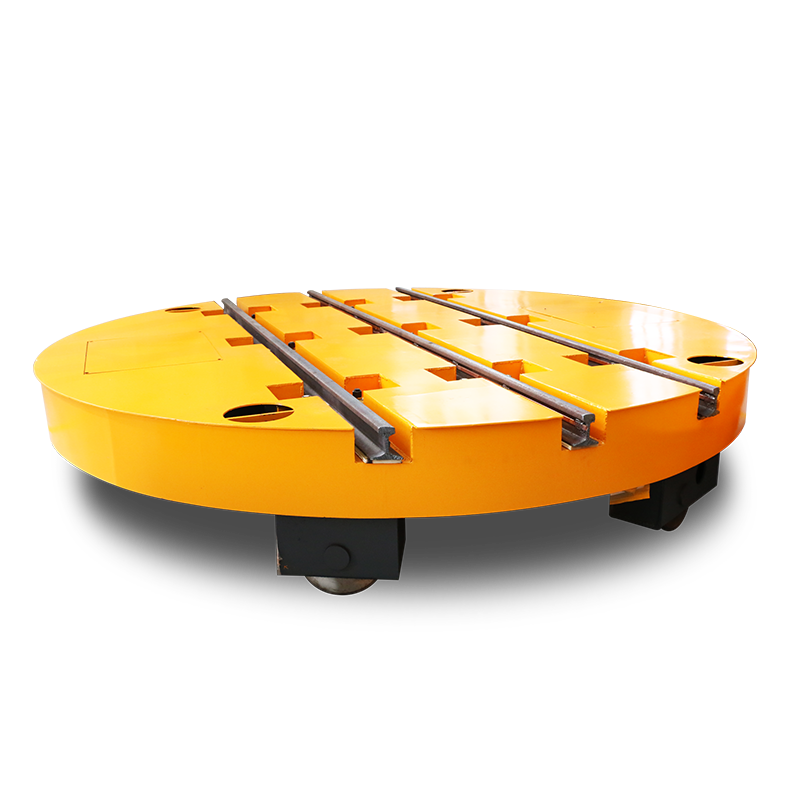
- Rail transfer carts: Fixed routes, highest capacity, most stable
- Self-propelled modular transporters (SPMTs): Hydraulic platforms that lift and drive independently, used for 100+ ton loads
- Air bearings: Float heavy loads on a thin air film, allowing one person to move 10 tons with hand pressure
- Overhead cranes: When the path is straight and the building structure supports it
Prepare the Route
A clear path prevents delays and accidents:
- Remove temporary obstacles — pallets, tools, unused equipment
- Protect floor surfaces with plywood or steel plates if needed
- Cover or remove threshold plates that catch wheels
- Verify door width with the load at its most awkward orientation
- Check overhead clearance for the load plus lifting equipment
- Mark the route and restrict pedestrian access during the move
Use Proper Rigging
How you attach the load matters:
- Use lifting points designed into the equipment — never attach to fragile housings or piping
- Balance the load so it stays level during transport
- Protect sharp edges with padding to prevent strap damage
- Use spreader bars for wide loads to prevent crushing from sling angles
- Verify all rigging hardware is rated for the load and in good condition
A dropped load usually isn't equipment failure — it's rigging failure.
Coordinate the Move
Large equipment moves are team operations:
- Move coordinator: One person directs, everyone else follows their signals
- Spotters: Positioned at blind corners, doorways, and clearance points
- Equipment operator: Focuses on controls, not navigation
- Safety observer: Watches for hazards the team might miss
Radio communication keeps everyone synchronized. Hand signals work as backup but require line of sight.
Consider Specialized Equipment
Some situations need custom solutions:
- Tilt frames: For equipment that can't tolerate horizontal orientation
- Shock-isolated platforms: For vibration-sensitive machinery
- Climate-controlled enclosures: For equipment sensitive to temperature or humidity during move
- Cleanroom-compatible carts: For semiconductor or pharmaceutical equipment
Document Everything
Record the move for future reference:
- Photos of the original position and rigging setup
- Measurements of clearances and any tight spots
- Issues encountered and how they were resolved
- Final position and leveling data
- Any damage or adjustments needed
Next time you move this equipment — or similar equipment — you'll have a playbook.
Conclusion
Transporting large equipment in factories requires planning, the right equipment, clear routes, proper rigging, and coordinated execution. Rushing the preparation phase guarantees problems during the move. Take time to assess, plan, and communicate — the actual transport will be smoother, safer, and faster as a result.