
 English
 简体中文
简体中文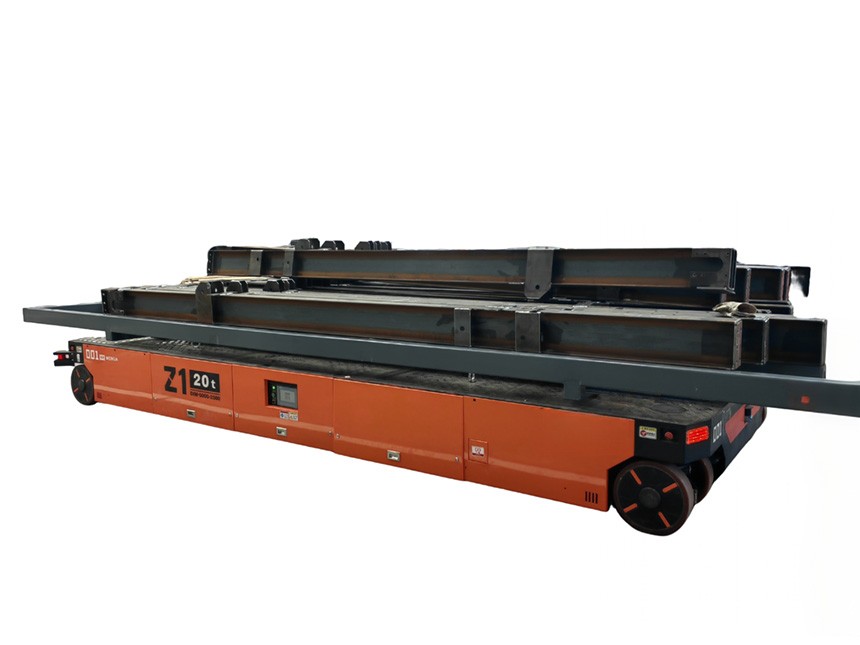
Moving Heavy Equipment: The Core Challenge
Every factory manager knows the problem. You've got a 15-ton press die that needs to move from the storage bay to the stamping line. A forklift can't handle the weight safely. An overhead crane ties up your bay for twenty minutes. And your floor space is too tight for a traditional transport system. This is where most facilities start looking at dedicated heavy-load transport solutions.
Electric transfer carts have become the go-to option for moving large equipment indoors. They don't need aisle clearance like forklifts. They don't require permanent infrastructure like cranes. And they handle loads that would strain conventional equipment. But choosing the right approach depends on your specific setup.
Option 1: Electric Flatbed Transfer Carts
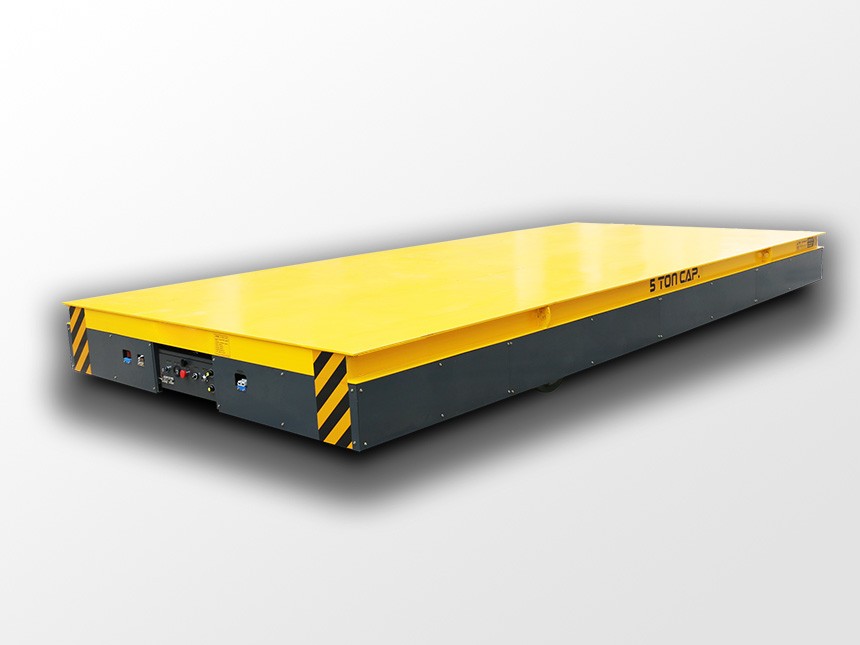
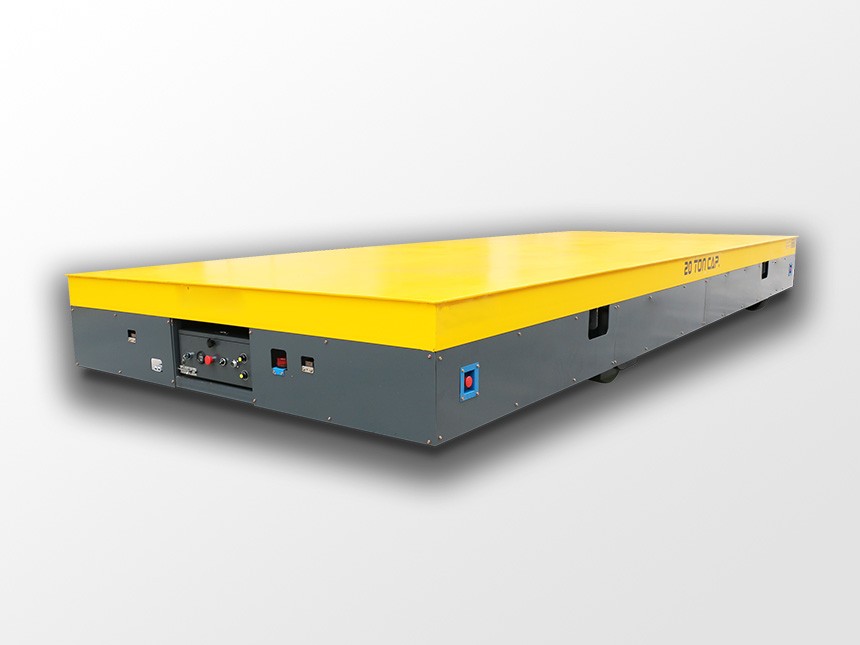
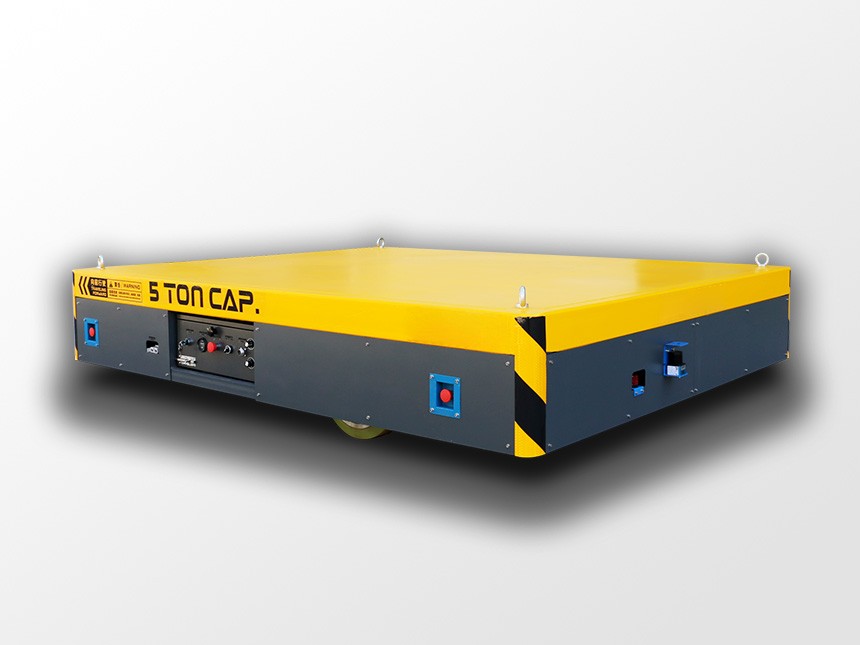
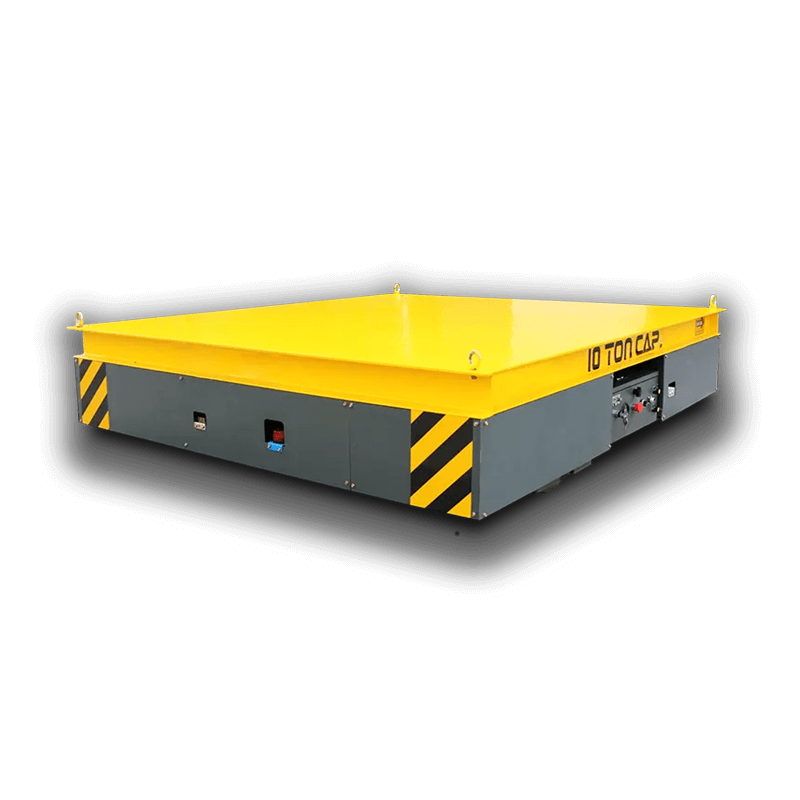
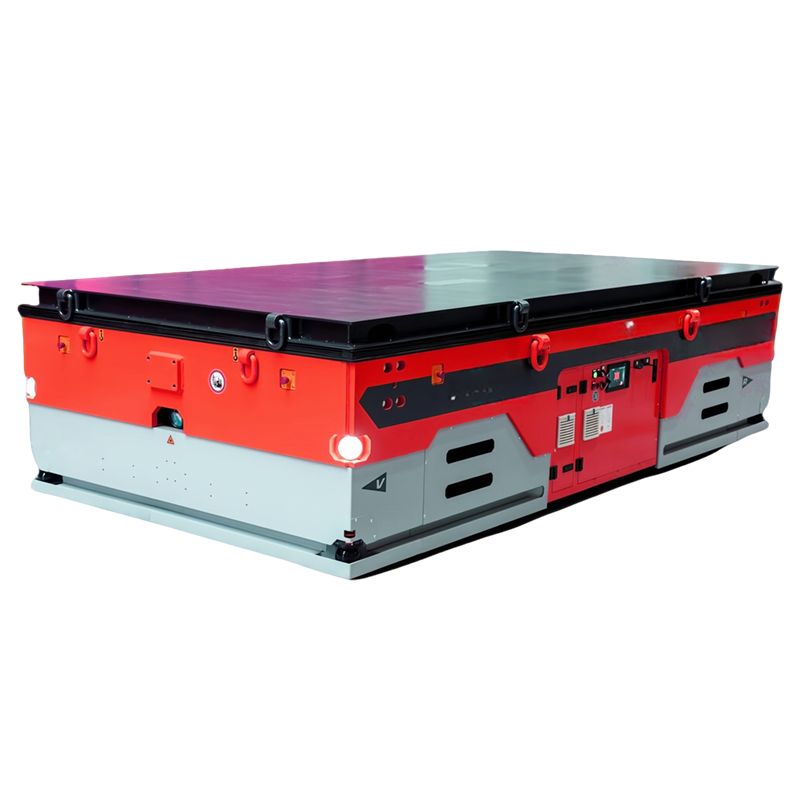
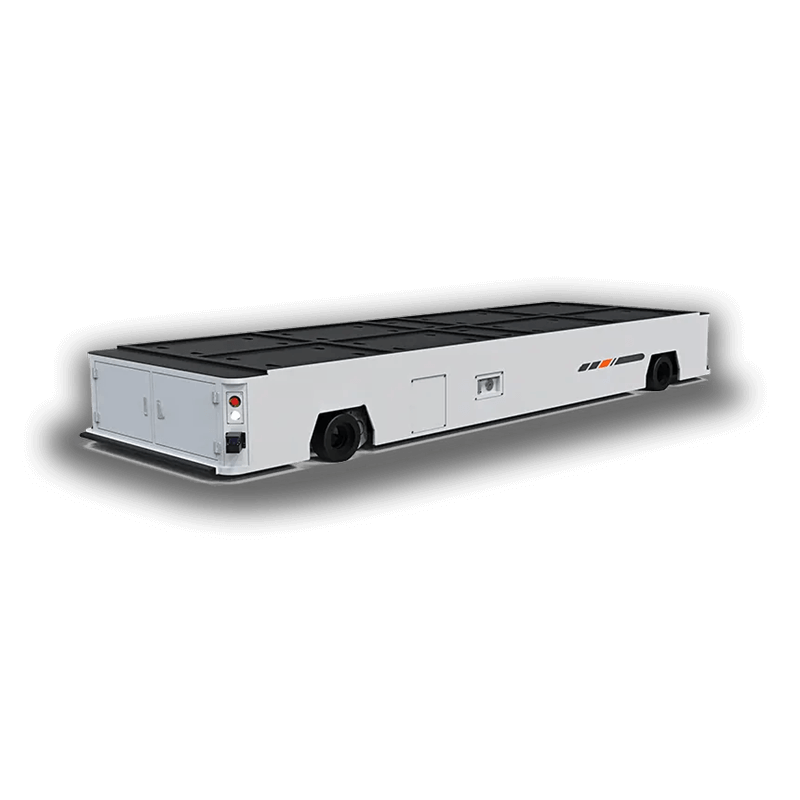
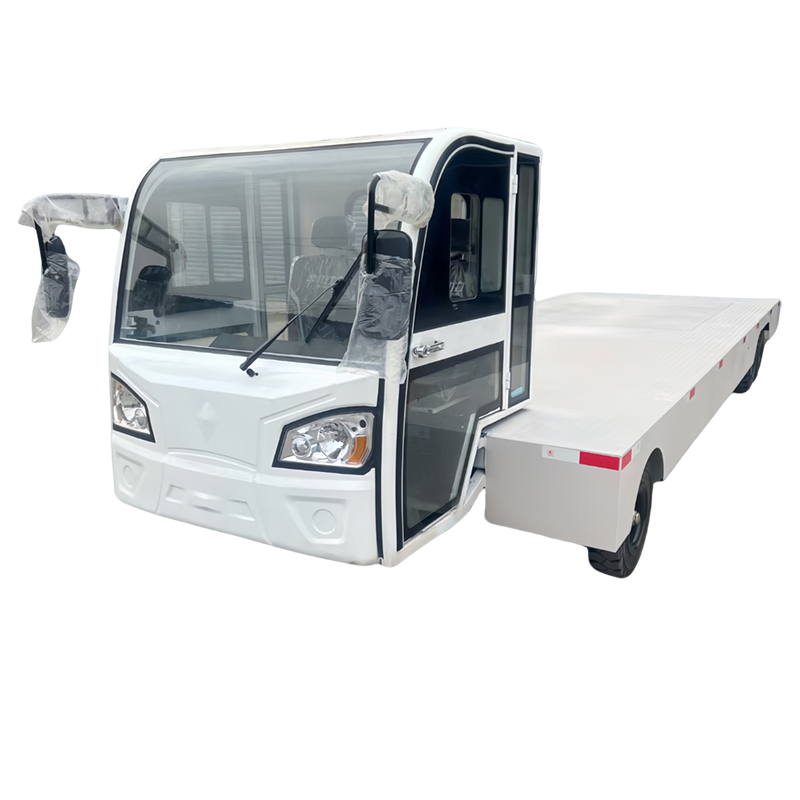
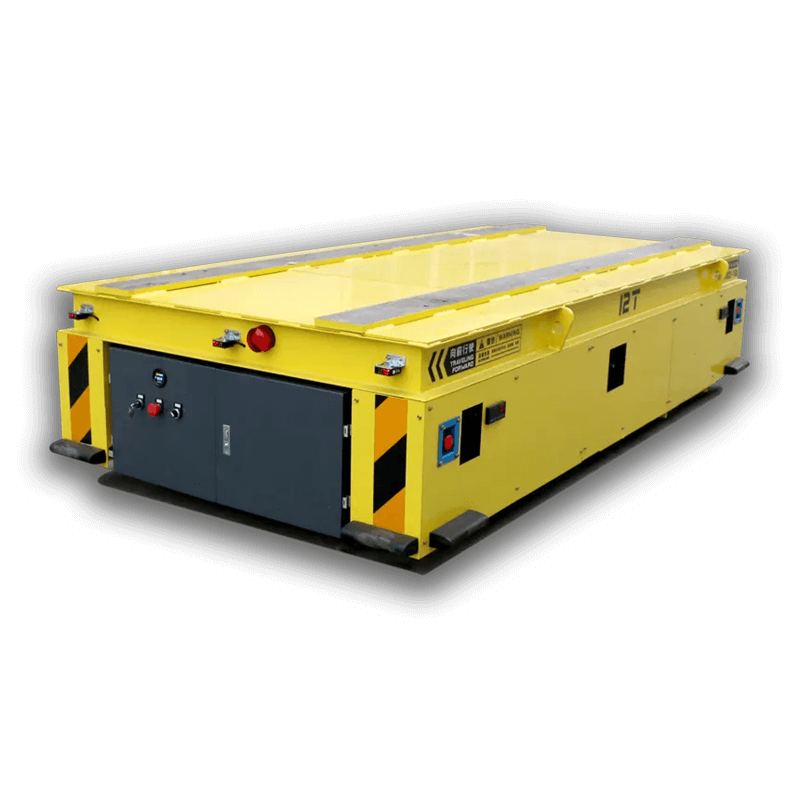
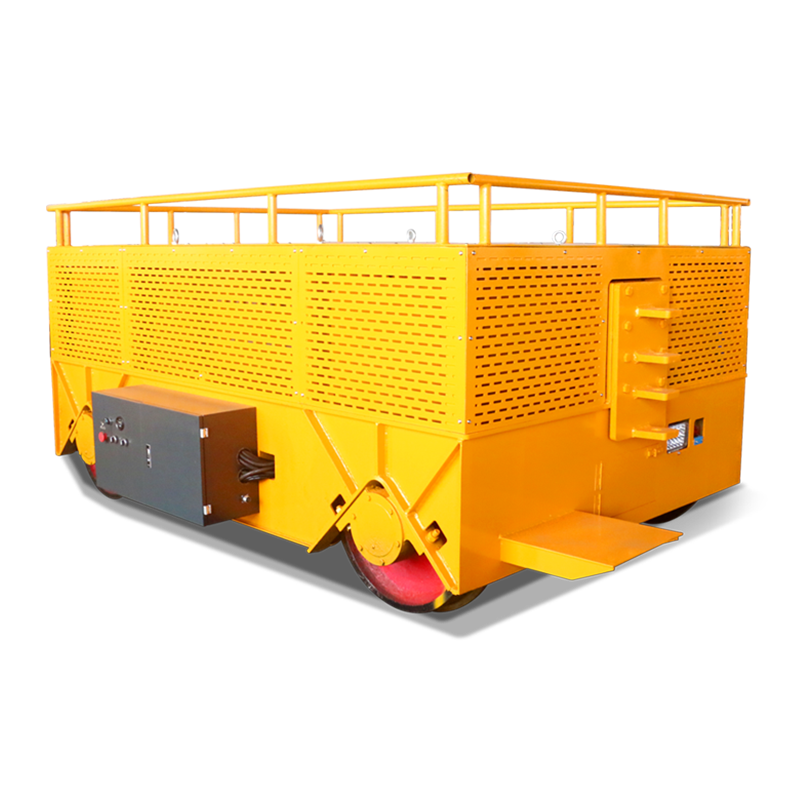
These are purpose-built platforms on wheels, powered by industrial batteries. Load capacities range from 2 tons up to 300 tons, depending on the model. The cart rolls on factory floor at controlled speeds — typically 0.5 to 1.5 meters per second — with remote or pendant control.
What makes them practical for large equipment? First, the platform sits low to the ground. You don't need ramps or lifting equipment to load heavy items. Second, they run on standard concrete floors. No rails, no tracks, no installation downtime. Third, the drive system distributes weight across multiple wheels, reducing floor loading pressure compared to forklifts.
For a typical machine tool transport job — say moving a 25-ton CNC base across a workshop — an electric flatbed cart handles it without breaking a sweat. The operator positions the cart, loads the equipment, and drives it to the destination. Simple.
Option 2: Rail-Guided Transfer Carts
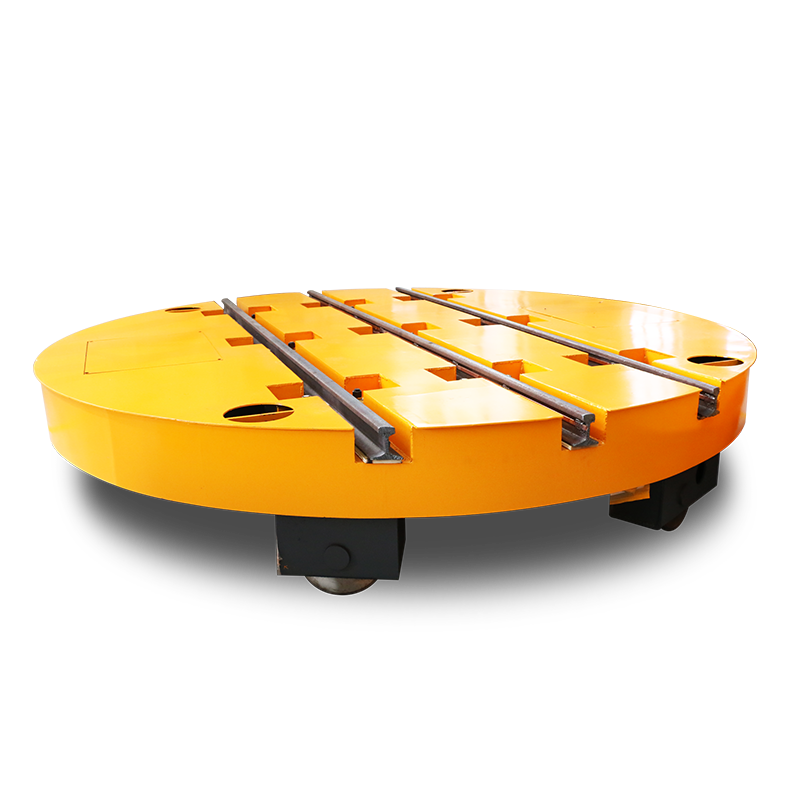
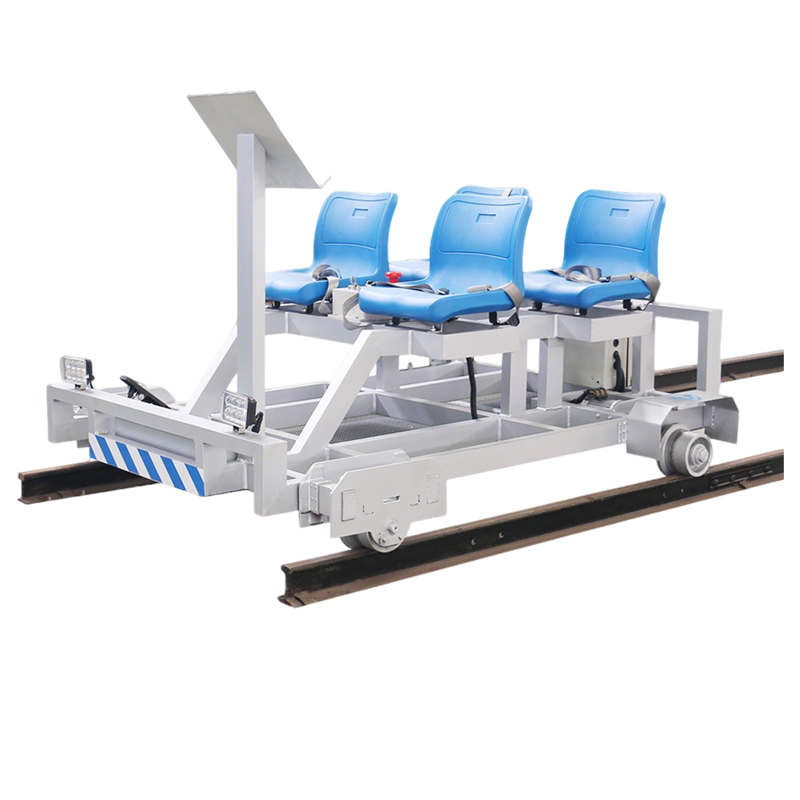
When your transport path is fixed — assembly line to paint booth, or warehouse to loading dock — rail-guided carts make sense. They follow embedded tracks, so there's no steering issue. The rails carry the load, not the floor, which matters when you're moving 100+ tons.
The downside? Installation. Cutting trenches in existing factory floors is expensive and disruptive. But for new facilities or dedicated transport corridors, rail systems offer unmatched reliability. No battery charging interruptions. No operator navigation errors. Just consistent, repeatable movement.
Option 3: Forklifts and Reach Trucks
Standard forklifts top out around 5-8 tons for indoor models. Heavy-duty forklifts exist, but they get expensive fast. A 25-ton forklift costs significantly more than an equivalent-capacity transfer cart. Plus, forklifts need wide aisles — typically 3.5 to 4 meters — and certified operators.
Where forklifts win is flexibility. One truck handles pallets, raw materials, and equipment. But for dedicated large equipment movement, they're rarely the most efficient choice. The load center restrictions, mast height clearances, and stability concerns make them less suitable for oversized or top-heavy items.
Option 4: Overhead Cranes
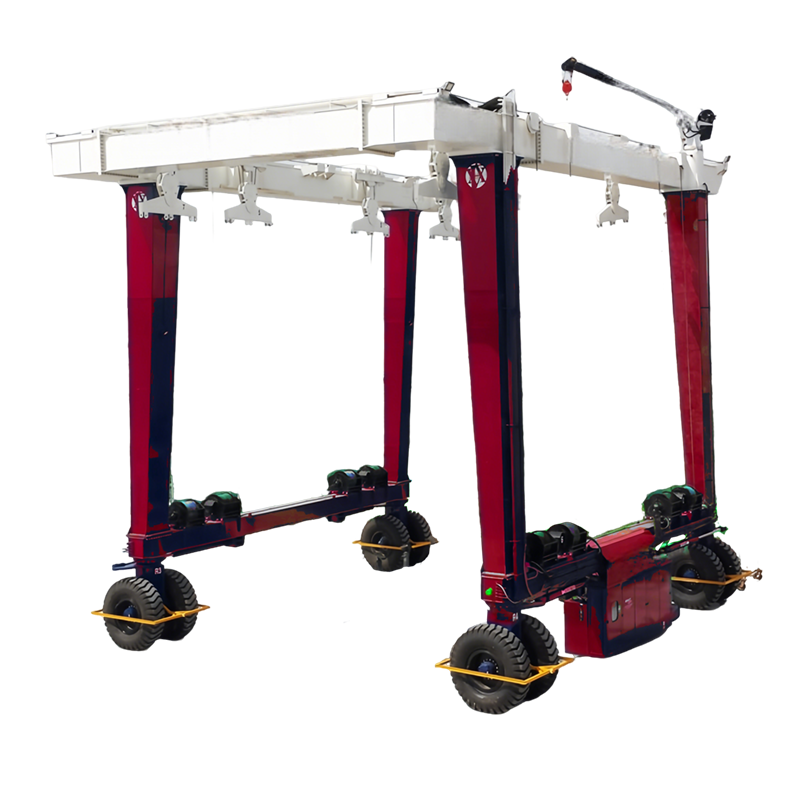
Cranes excel at vertical lifting and spanning large areas. For loading presses, positioning dies, or stacking heavy components, they're hard to beat. But cranes have limitations. They tie up the bay while in use. They need structural support — either building-mounted or freestanding gantries. And they don't solve horizontal transport across the factory floor.
Most facilities use cranes in combination with floor-based transport. The crane lifts the equipment onto a cart. The cart moves it to the destination. The crane offloads it. It's a workflow, not a single solution.
Key Factors in Choosing Your Transport Method
Load Weight and Dimensions
Know your heaviest and largest pieces. A cart rated for 30 tons handles your 25-ton press with safety margin. But if your largest item is 8 tons, you're over-investing. Similarly, platform dimensions matter. An oversized load needs a custom deck or support fixtures.
Floor Conditions
Rail-less carts need flat, level concrete. Cracks, slopes, or expansion joints affect performance. Rail-guided systems are more forgiving of floor quality but require installation. Measure your floor load capacity too — heavy carts concentrate weight on wheel contact points.
Transport Distance and Frequency
Moving equipment once a month? A rental forklift or contracted rigging service might suffice. Daily transport between fixed points? Invest in a dedicated cart. The payback period on an electric transfer cart typically runs 12-18 months when used regularly.
Space Constraints
Narrow aisles, low doorways, and tight turns favor compact, maneuverable carts. Some models feature differential steering or four-wheel drive for tight spaces. Forklifts need more clearance. Cranes need overhead space.
Safety Considerations
Moving large equipment isn't just about capacity. It's about control. Electric transfer carts include emergency stops, warning lights, and speed limiters. Remote control keeps operators at safe distance. Load securing fixtures prevent shifting during transport.
Compare that to forklifts, where tip-over is the leading cause of serious accidents. Or cranes, where rigging failures can drop loads from height. For routine heavy equipment movement, dedicated carts offer the safest operator environment.
Cost Comparison
Let's talk numbers. A 20-ton capacity electric flatbed cart runs roughly $15,000-$35,000 depending on features. A comparable forklift? $80,000-$150,000. An overhead crane system? $50,000-$200,000 plus structural support.
Operating costs favor carts too. Battery charging costs pennies per cycle. No diesel fuel. No hydraulic fluid maintenance. No operator certification requirements in most jurisdictions. Maintenance is mostly wheel bearings and battery upkeep.
When to Choose What
Electric flatbed cart: Best for general factory transport, variable routes, loads under 50 tons, and facilities without crane infrastructure. Most versatile option.
Rail-guided cart: Best for fixed routes, very heavy loads (50+ tons), and new construction where rails can be installed during build.
Forklift: Best for mixed loads under 8 tons, outdoor use, and operations needing maximum flexibility.
Overhead crane: Best for vertical lifting, spanning large areas, and operations where floor space is extremely limited.
Practical Implementation Tips
Start with a transport audit. Map every piece of equipment that moves regularly. Note weights, dimensions, origin points, and destinations. Count frequency. This data tells you whether a single cart handles everything or you need multiple solutions.
Measure your floor carefully. Look for slopes, cracks, and doorway heights. Check electrical supply for charging stations. Review safety requirements — some facilities require flashing beacons or audible alarms on mobile equipment.
Consider future growth. If you're adding heavier equipment next year, buy capacity now. It's cheaper than replacing a cart later. Similarly, if automation is on your roadmap, choose a cart with PLC compatibility and communication ports.
Conclusion
The best way to transport large equipment in factories depends on your specific constraints. For most operations, electric transfer carts hit the sweet spot of capacity, safety, and cost. They handle loads that stress forklifts, without the infrastructure investment of cranes or rails. The key is matching the transport method to your actual workflow — not buying the most expensive option, or the cheapest, but the one that solves your specific problem reliably.