
 English
 简体中文
简体中文
Why Remote-Controlled Electric Flatbed Carts Matter
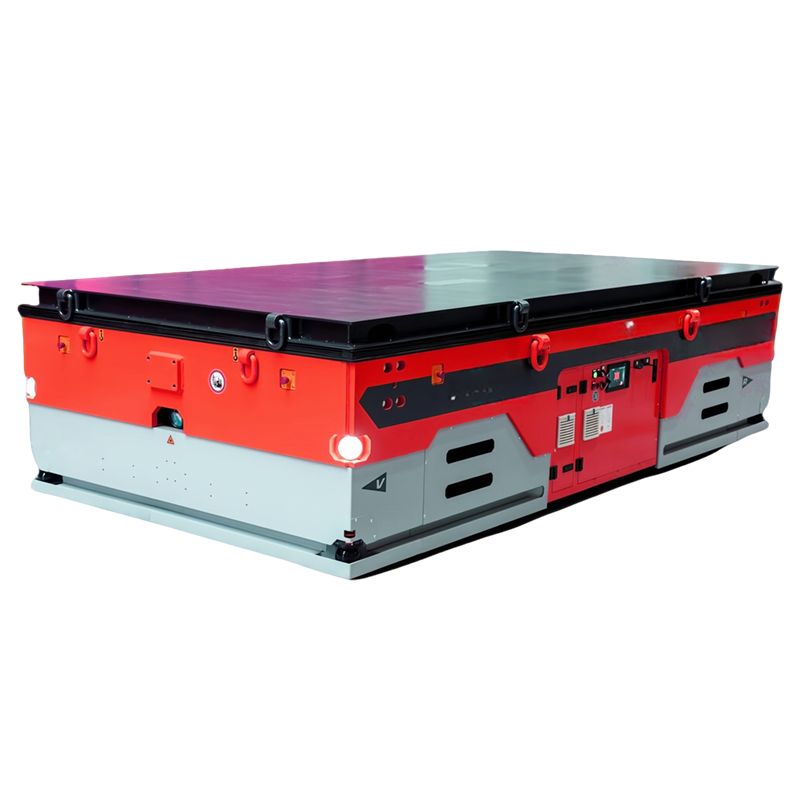
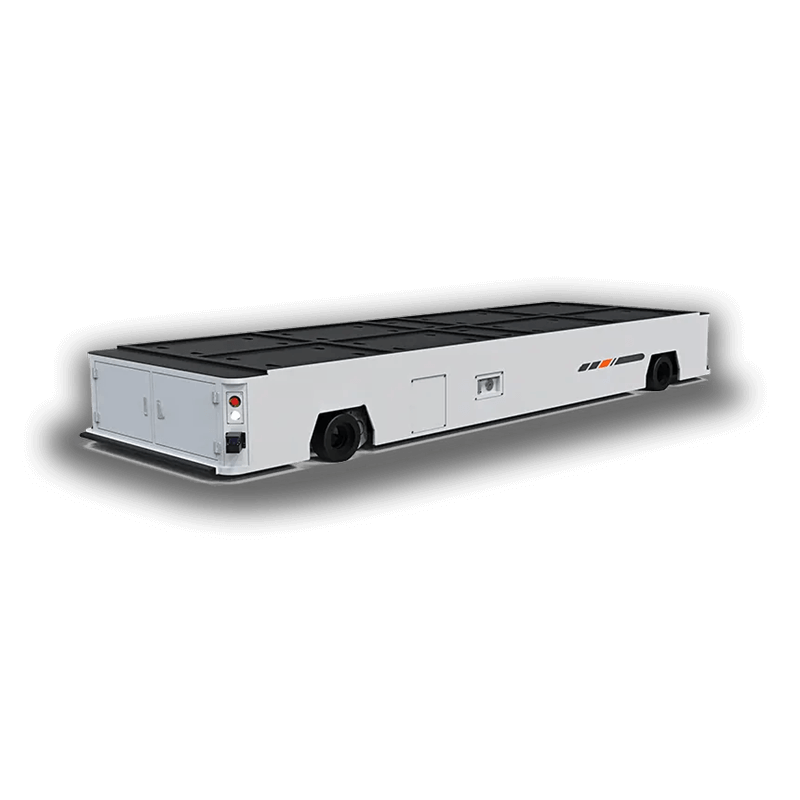
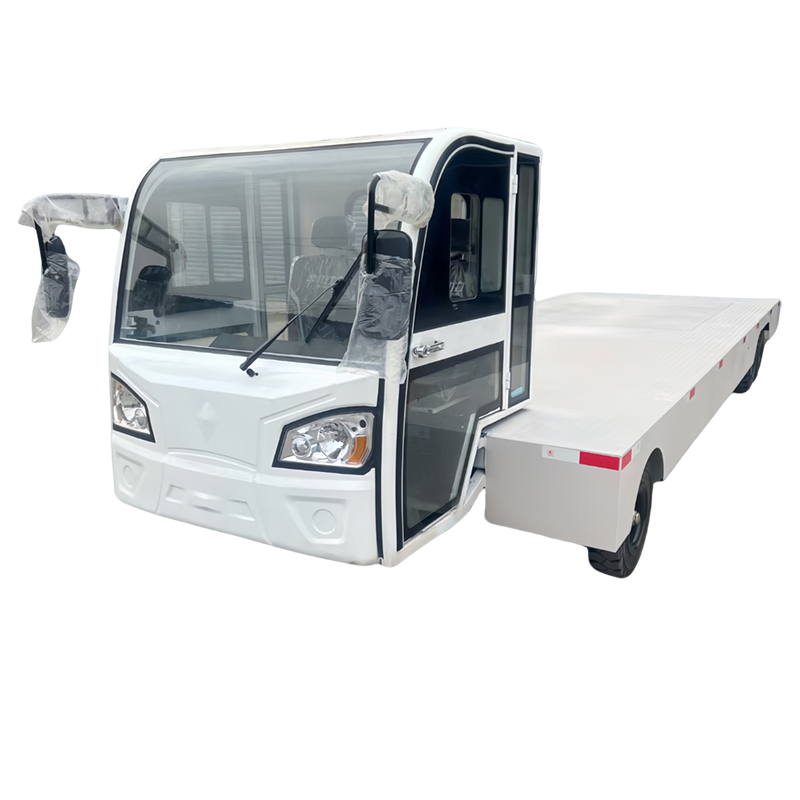
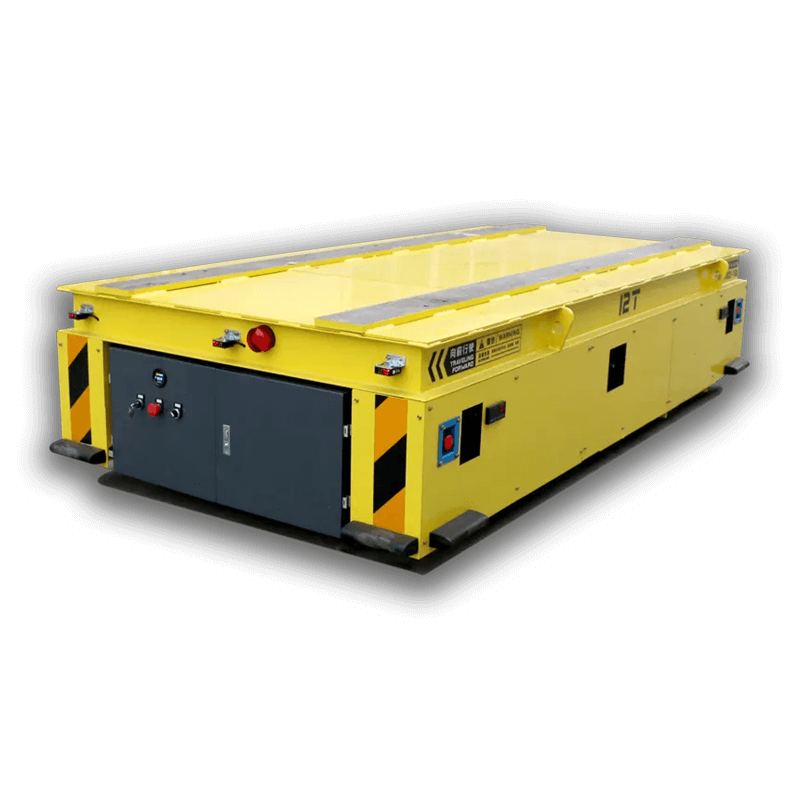
Moving heavy materials through tight factory spaces isn't straightforward. Forklifts can't always fit. Overhead cranes don't reach every corner. That's where remote-controlled electric flatbed carts come in — they fill the gap between manual labor and full automation without demanding a complete infrastructure overhaul.
But here's the thing: not every cart suits every factory. Pick the wrong unit and you'll end up with a machine that can't turn in your aisles, lacks the torque for your loads, or simply sits unused because operators find it awkward. This guide walks through the selection criteria that actually matter on the shop floor.
Start with Your Load Profile
Before looking at specifications, map out what you're actually moving. A cart rated for 5 tons might handle your heaviest component, but what about load distribution? A 3-ton mold with uneven center of gravity stresses the drive system differently than a uniformly distributed steel plate.
Consider these parameters:
- Maximum single-load weight and dimensions
- Load center of gravity (centered vs. offset)
- Frequency of transport cycles per shift
- Whether loads require fixtures, rollers, or custom decking
Most suppliers offer standard decks, but the real value comes from matching the cart to your actual payload. If you're moving paper rolls, you'll want V-decking. For sheet metal, a flat deck with anti-slip coating works better. Don't assume standard configurations will fit your workflow.
Maneuverability in Confined Spaces
This is where remote-controlled carts shine — or fail. Factory aisles are rarely designed for vehicles. Pipes, conduits, and equipment encroach on pathways. You need a cart that can navigate these constraints.
Key factors:
- Turning radius: Can the cart pivot in your narrowest aisle?
- Wheel configuration: Four-wheel drive vs. differential drive affects traction and turning
- Speed control: Variable speed matters more than maximum speed in tight quarters
- Remote range and responsiveness: Lag between command and response creates accidents
Test this practically. If possible, have the supplier demonstrate the cart in a space similar to your worst-case aisle. A cart that looks good on paper can be frustrating when the operator can't see around a corner and the remote signal drops.
Power and Battery Considerations
Battery technology has shifted significantly. Lead-acid batteries still dominate budget-conscious purchases, but lithium iron phosphate (LiFePO4) options are becoming standard for operations running multiple shifts.
Here's what to evaluate:
- Battery capacity vs. your duty cycle — will it last a full shift without swapping?
- Charging time and opportunity charging capability
- Battery weight and its impact on total payload capacity
- Maintenance requirements (watering for lead-acid, BMS for lithium)
A common mistake: buyers focus on purchase price and ignore the total cost of ownership. A lithium battery might cost 3x more upfront, but if you're running two shifts daily, the reduced maintenance and longer lifespan often pay back within 18 months.
Safety Features That Actually Work
Every supplier lists emergency stops and bumpers. Look deeper.
Effective safety systems include:
- Proximity sensors with adjustable detection zones
- Automatic speed reduction in tight areas
- Audible and visual warnings that cut through factory noise
- Dead-man switch on the remote — if the operator drops it, the cart stops
- Load stability indicators for uneven terrain
Ask for incident data. Reputable suppliers can tell you how their safety systems performed in real deployments. If they can't, that's a red flag.
Remote Control System Quality
The remote isn't an accessory — it's the primary interface. A poor remote turns a capable cart into a liability.
Evaluate:
- Signal reliability in environments with metal structures and electrical interference
- Ergonomic design for operators wearing gloves
- Battery life of the remote itself
- Fail-safe behavior when signal is lost
- Whether multiple carts can operate without cross-interference
Some systems now offer tablet-based controls with camera feeds. These work well for line-of-sight limitations but add complexity. For most factories, a robust industrial remote with tactile feedback remains the practical choice.
Integration with Existing Workflow
Remote-controlled carts don't need the infrastructure investment of AGVs, but they still must fit your workflow. Consider:
- How carts enter and exit production areas
- Whether they share pathways with pedestrians or forklifts
- Loading and unloading points — fixed stations or flexible?
- Maintenance access and spare parts availability
The best implementations treat these carts as part of a broader material handling strategy rather than isolated solutions. Even without automated scheduling, consistent routes and designated parking reduce congestion and improve predictability.
Total Cost of Ownership
Purchase price is just the starting point. Factor in:
- Installation and commissioning
- Operator training time
- Annual maintenance (wheels, bearings, batteries, remote)
- Downtime cost if the cart fails during peak production
- Resale value or trade-in options
A cart that costs 20% more upfront but requires half the maintenance often wins on TCO. Run the numbers for your specific duty cycle before deciding.
Supplier Evaluation
Not all suppliers are equal. Beyond specifications, assess:
- Track record in your industry
- Response time for technical support
- Availability of spare parts (especially wheels and controllers)
- Willingness to customize deck configurations
- Reference customers you can actually contact
Ask for a site visit or video demonstration. Specifications on a datasheet don't reveal how a cart handles your actual floor conditions, load types, and operator expectations.
Common Selection Mistakes
After years of seeing these deployments, a few patterns stand out:
- Over-specifying capacity: A 10-ton cart for 3-ton loads wastes capital and consumes more power
- Ignoring floor conditions: Cracked concrete or uneven joints affect wheel wear and load stability
- Neglecting operator input: The people who'll use the cart daily often spot issues engineers miss
- Underestimating maintenance: Every mechanical system needs attention; plan for it
Final Recommendations
Choosing a remote-controlled electric flatbed cart isn't about finding the most features — it's about matching the right capabilities to your actual operational needs. Start with your load profile and spatial constraints, then evaluate power, safety, and control systems against real-world conditions.
Involve operators early in the evaluation process. Their feedback on maneuverability, visibility, and remote ergonomics often determines whether a cart becomes a productive asset or expensive equipment that sits idle.
Finally, think beyond the immediate purchase. A cart that integrates smoothly into your workflow today and adapts to changing production demands tomorrow delivers far more value than one that simply meets today's specifications.