
 English
 简体中文
简体中文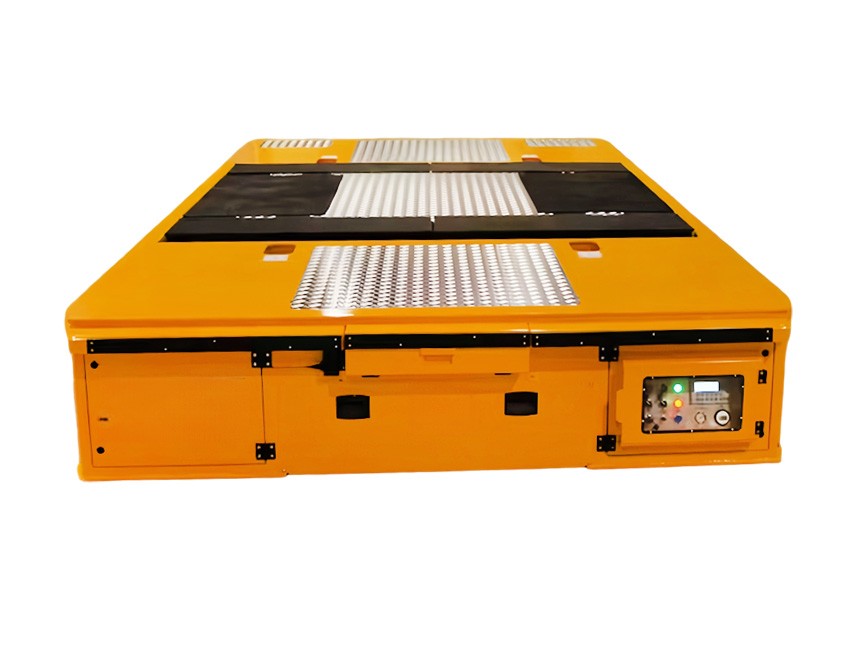
Two Philosophies, One Material Handling Problem
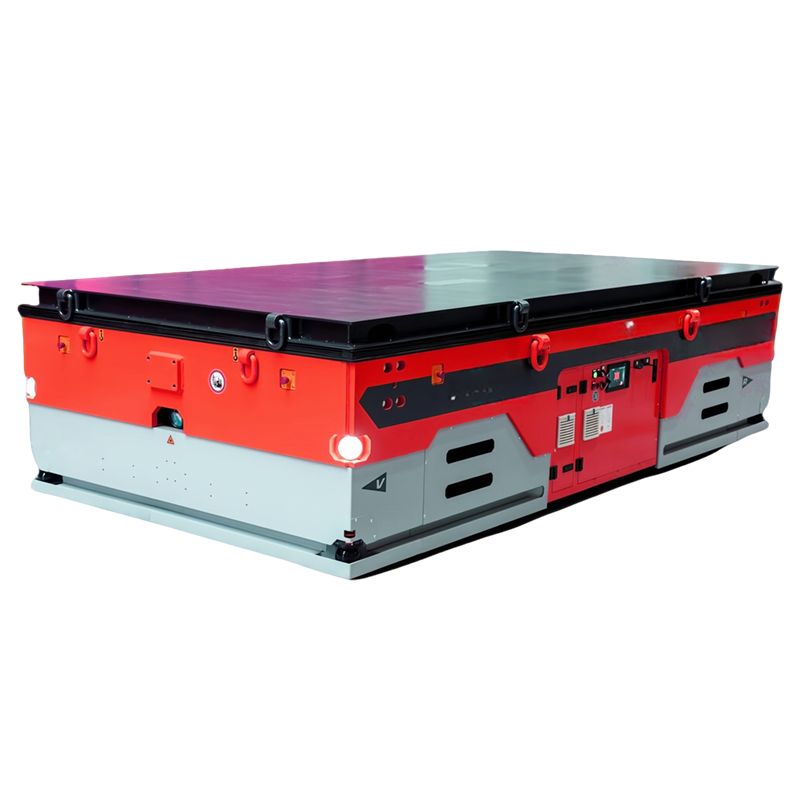
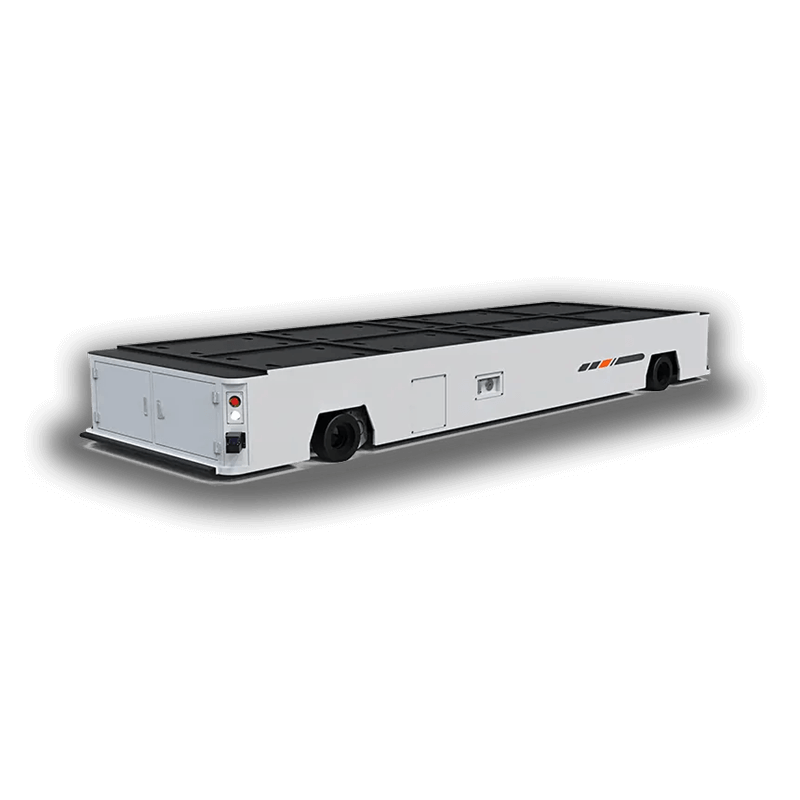
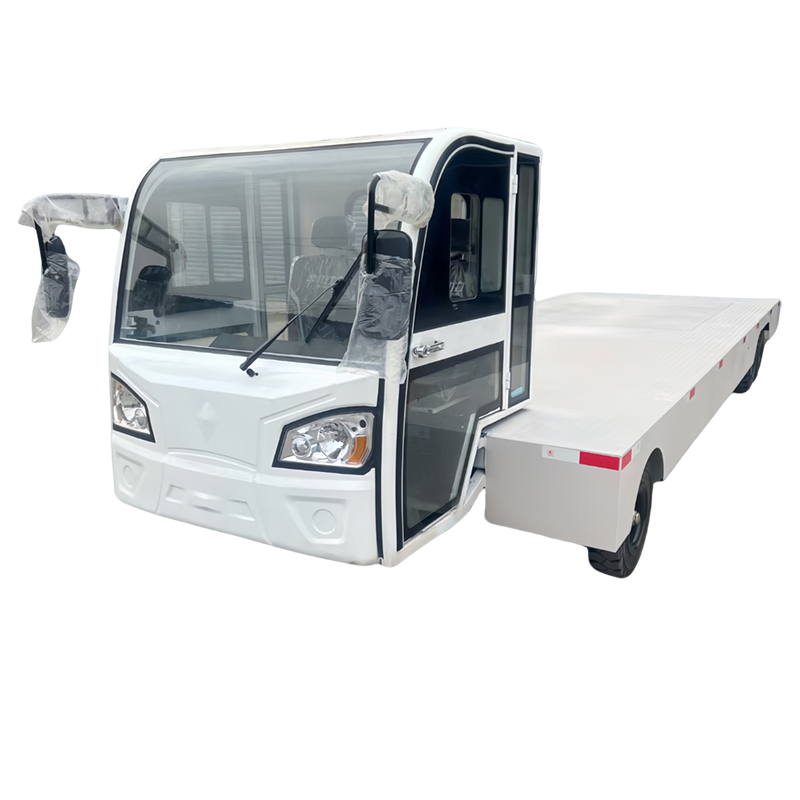
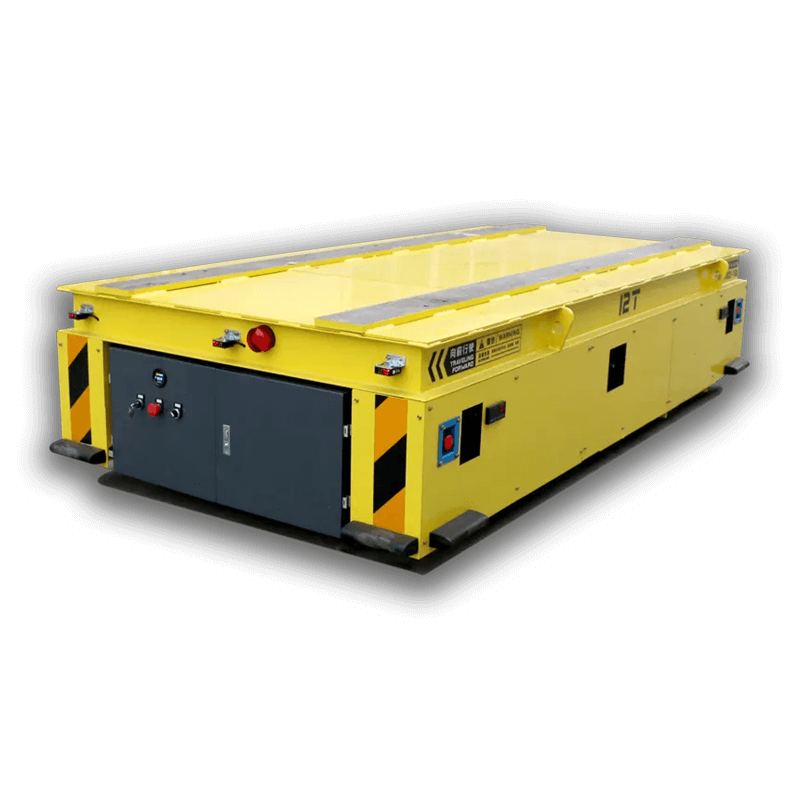
Transfer carts and overhead cranes both solve the problem of moving heavy loads in industrial environments—but they solve it in fundamentally different ways. A transfer cart carries a load on a horizontal platform that moves along the floor. An overhead crane lifts a load and moves it through the air, suspended from a runway system mounted to the building structure. The choice between them is not simply about capacity or cost—it is about how the facility is organized, how the material flow is structured, and what level of operational flexibility the production process requires.
Getting this decision right has long-term consequences. A crane installation is building infrastructure—it modifies the structural steel, requires significant permitting, and is essentially permanent. A transfer cart installation is equipment infrastructure—it can be relocated, repurposed, or removed as production needs change. Choosing the wrong system leads to either expensive permanent infrastructure serving changing needs, or inadequate overhead lifting where a floor-level alternative would have been more practical.
1. Load Capacity: Where Each System Excels
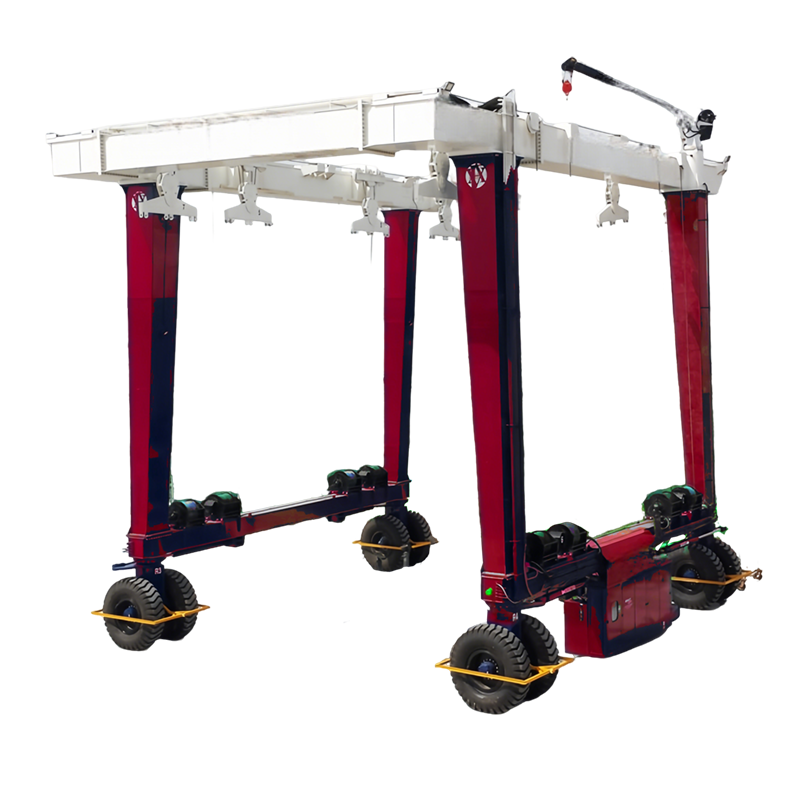
Overhead cranes have higher theoretical load capacity limits. A top-running double girder overhead crane routinely handles 50–250 tons; specialized units exceed 1,000 tons. The load is suspended from the building's runway structure, so the crane itself only needs to support the load weight—the floor bears nothing.
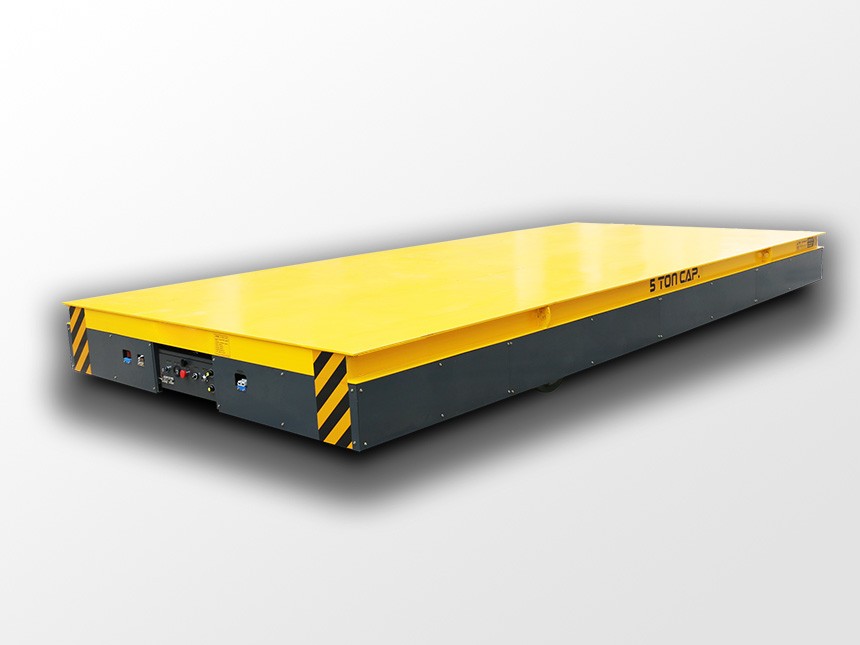
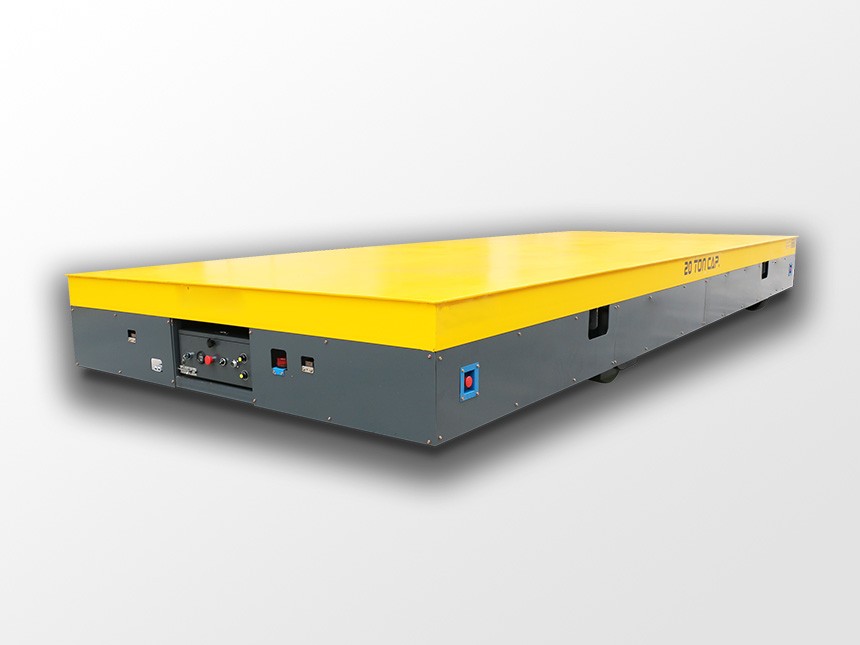
Transfer carts have practical capacity limits imposed by floor loading and wheel configurations. Standard industrial transfer carts handle 5–200 tons; specialized heavy-duty units reach 500+ tons. Above 100 tons, the cart's weight plus load creates significant floor loading demands, requiring reinforced concrete or specialized wheel configurations. For most manufacturing applications in the 5–100 ton range, both systems have adequate capacity—the choice is determined by other factors.
2. Operational Flexibility and Route Constraints
This is the most consequential difference and the most common source of poor equipment decisions.
Crane Route Constraints
An overhead crane is constrained to its runway. The runway defines a single linear path; a bridge crane adds a perpendicular axis, but the coverage area is still a fixed rectangle within the building structure. The crane cannot serve areas outside its runway coverage without additional runway sections. As the production layout changes—as new machines are added, as product flow is reorganized—the crane's coverage area either continues to serve the original layout or requires expensive runway extension or modification.
Cart Operational Freedom
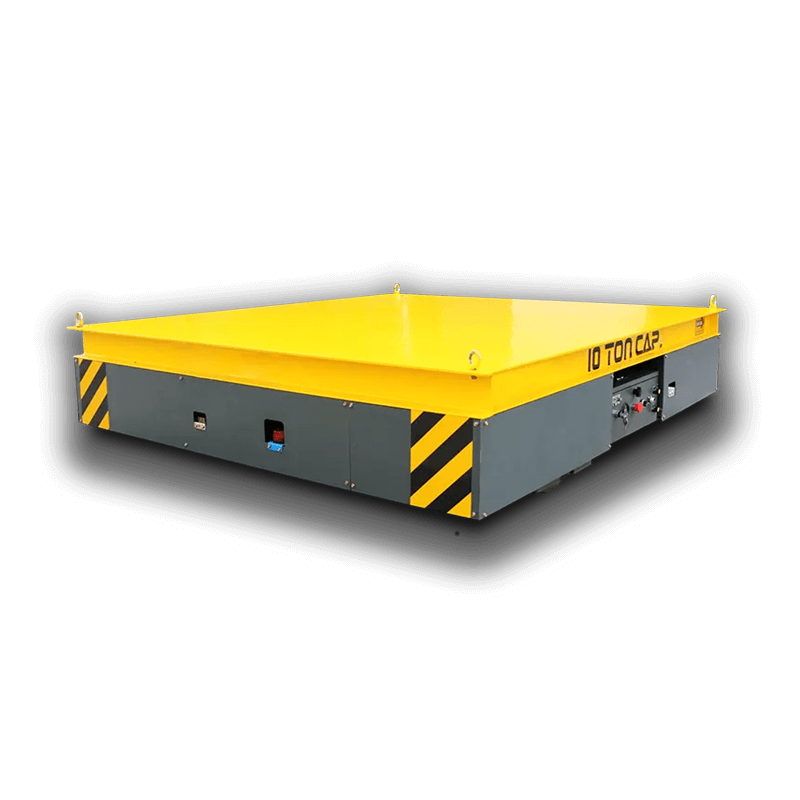
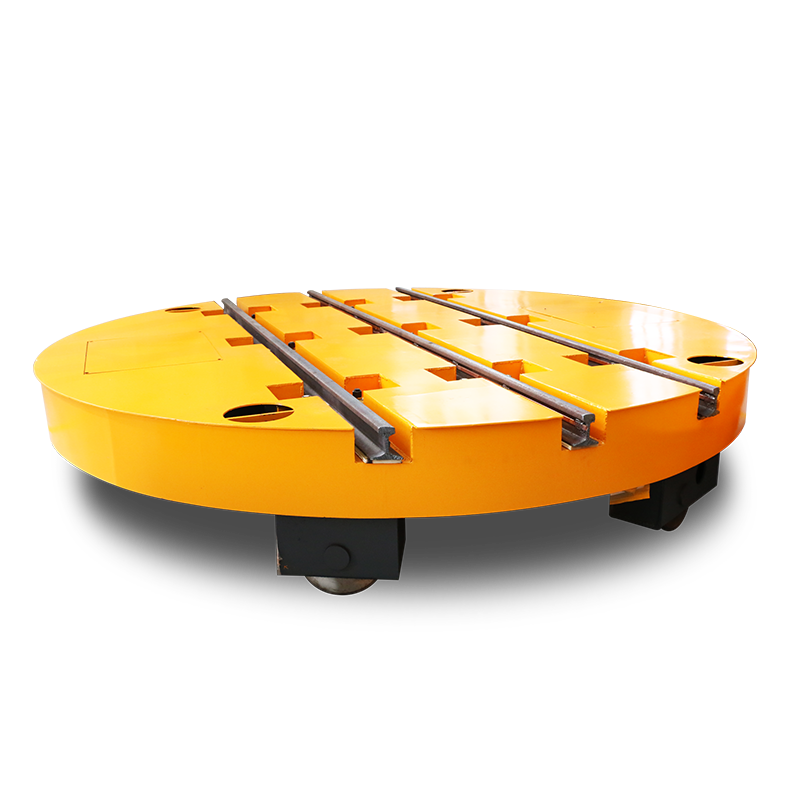
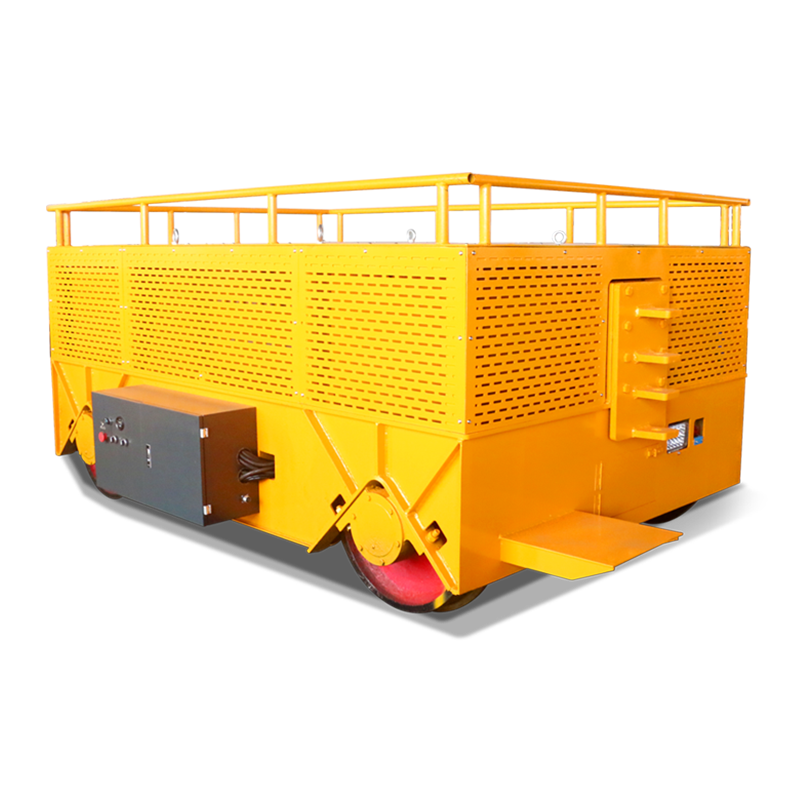
A transfer cart operates on the floor surface, which means it can access any point that has adequate floor strength and headroom clearance. The cart is not constrained to a fixed path—it can be routed around temporary obstructions, between workstations, across production lines, or out to outdoor storage areas. For facilities with variable material flow or frequent layout changes, this flexibility is a decisive advantage.
3. Floor Space and Building Infrastructure
Crane Space Requirements
Overhead cranes appear to require no floor space—and in terms of the path beneath the crane, this is true. However, cranes require: runway support columns or bracket attachments to the building structure, minimum headroom from the floor to the hook (typically 500mm–2m depending on the crane's span and lifting height), and clearance at the ends of the runway for the end trucks and drive mechanisms. A factory that installs an overhead crane may need to relocate existing equipment, modify building structural elements, or accept reduced hook height that limits the types of loads the crane can handle.
Cart Space Requirements
Transfer carts require clear floor space for travel. The minimum aisle width is the cart width plus approximately 300–500mm on each side for maneuvering. A typical 2-meter-wide cart needs a minimum 2.5-meter aisle. Carts also need space at loading and unloading points for the cart to position itself perpendicular to the workstation, which typically adds 2–3 meters to the length of each stop. In tight factory layouts where every square meter has productive use, this floor space requirement can be a significant constraint.
4. Installation Complexity and Cost
Crane Installation
A new overhead crane installation involves: structural engineering assessment of the building's capacity to support the runway loads, design and fabrication of runway support structures, installation of runway beams, electrification of the runway (typically through conductor bar or cable), installation of the crane itself, and inspection and certification by a licensed inspector. For a 10-ton capacity bridge crane in a 20-meter span facility, installation costs typically range from $50,000 to $150,000 depending on building structure, site access, and local permitting requirements. The installation typically takes 4–12 weeks and may require partial production shutdown in the installation area.
Cart Installation
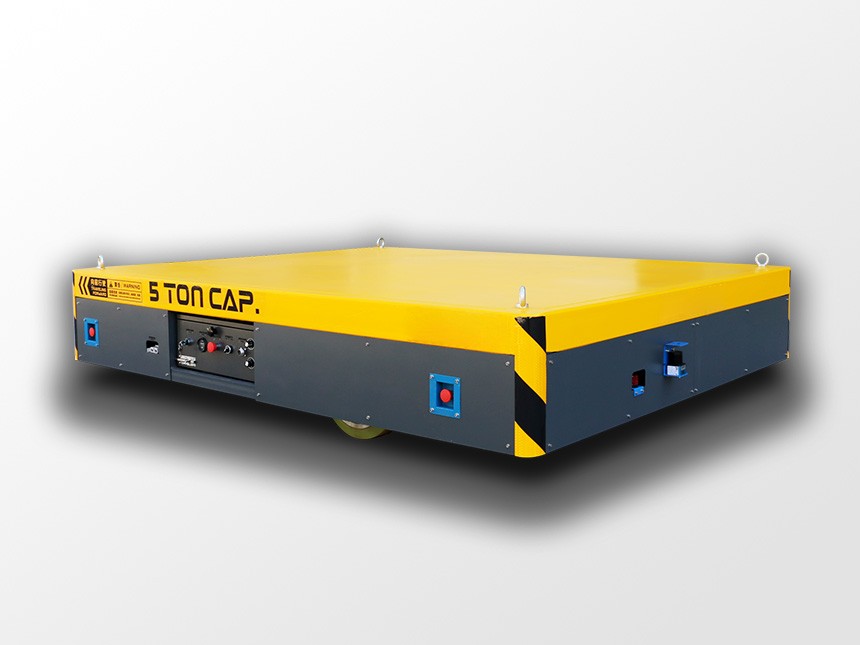
For a battery-powered transfer cart, installation consists of: verifying the floor surface is adequate for the cart's loaded weight, installing one or more battery charging stations (essentially 380V industrial outlets with charger units), and commissioning the cart's control system by configuring speed limits, safety zones, and any integration with building systems. Total installation cost for a battery cart: $2,000–$10,000 depending on the number of charging stations and any control integration. Installation timeline: 1–3 days, with no impact on existing production operations.
5. Safety Considerations
Both systems present significant safety hazards that must be managed—but the nature of the hazards differs.
Crane Hazards
Overhead cranes present: suspended load hazards (a falling load or load swing endangers everything beneath), rigging hazards (lifting devices and slings fail if improperly selected or maintained), collision hazards (the crane bridge can collide with building structure, other cranes, or personnel), and electrical hazards (runway conductor bars present shock hazards if damaged or improperly guarded). Crane safety requires rigorous inspection regimes, certified riggers for load attachment, exclusion zones during lifts, and regular maintenance of lifting components.
Cart Hazards
Transfer carts present: collision hazards (the cart in motion can strike personnel, equipment, or building elements), crushing hazards (hands, feet, or body parts can be crushed between the cart and a fixed surface during maneuvering), and load shifting hazards (loads that are improperly secured can shift or fall during transport). Modern carts address these through obstacle detection sensors, emergency stop buttons at multiple positions, automatic speed reduction in designated zones, and audible motion warnings.
6. Application Suitability
Choose an overhead crane when: loads must be lifted above obstacles on the floor that cannot be moved, the travel path is permanently fixed and the volume justifies the infrastructure investment, headroom is available and building structure can support the runway loads, and the operation involves lifting loads to elevation (machines, racks, or platforms above floor level).
Choose a transfer cart when: material flow paths vary by product, shift, or season, the facility layout changes periodically, loads are moved primarily at floor level without elevation change, the operation requires the same equipment to serve multiple origin-destination pairs, or the facility is leased or otherwise unable to modify the building structure.
In many facilities, the optimal solution is both: cranes for the high-volume, permanent, elevated-handling tasks and carts for the variable floor-level transport between the crane's service area and individual workstations. The two systems complement each other rather than compete.