
 English
 简体中文
简体中文
Introduction
Internal logistics remains one of the most persistent operational bottlenecks in manufacturing and warehousing environments. From raw material delivery to work-in-progress transport and finished goods outbound, material handling accounts for a disproportionate share of operational cost and time. Manual forklifts and tugger carts — the traditional workhorses of factory logistics — introduce variability: driver availability, route inconsistencies, human error, and rising labor costs. Electric carts, particularly when integrated into an AGV (Automated Guided Vehicle) system, offer a compelling alternative that addresses these challenges at scale. This article examines how electric cart-based automation transforms internal logistics for operations managers and plant directors facing pressure to do more with less.
The Challenge: Inefficiency Hidden in Plain Sight
Most manufacturing facilities inherit their internal logistics workflows from older operational models. Forklifts require certified operators. Route deviations happen daily. Peak demand periods create bottlenecks as human operators become the rate-limiting step. In large-scale warehouses, a single missed delivery can cascade into downstream delays affecting production schedules.
The core pain point is not just cost — it is predictability. Operations teams need repeatable, scheduled, and traceable material flows. Manual systems deliver neither. Additionally, workplace safety regulations are tightening globally, making the idea of reducing human-driven vehicles in busy plant zones increasingly attractive.
Facilities also face the challenge of scaling logistics without proportionally scaling headcount. As production volumes fluctuate seasonally or project-based, the inflexibility of a fully manual fleet becomes a strategic liability.
The Solution: Electric Carts as AGV Building Blocks
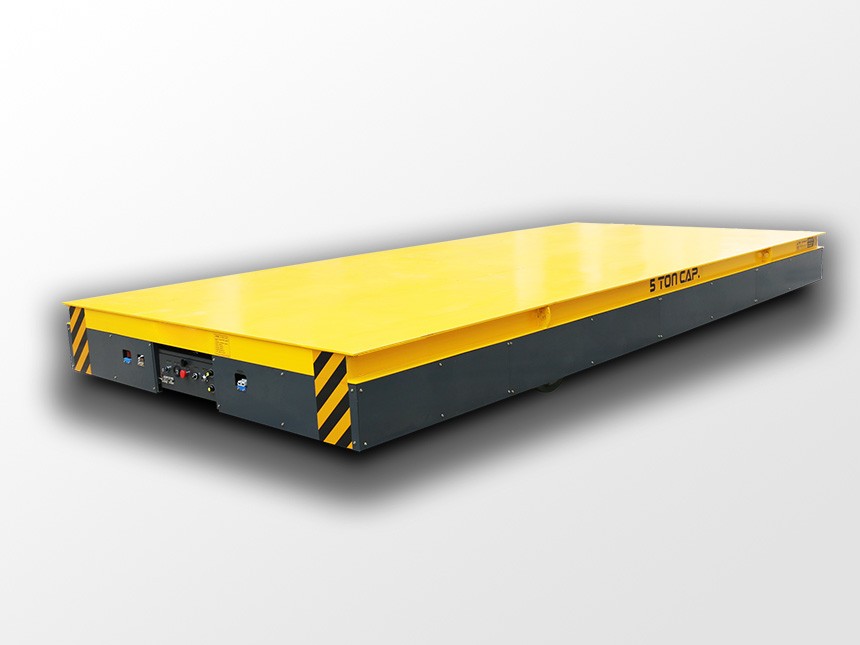
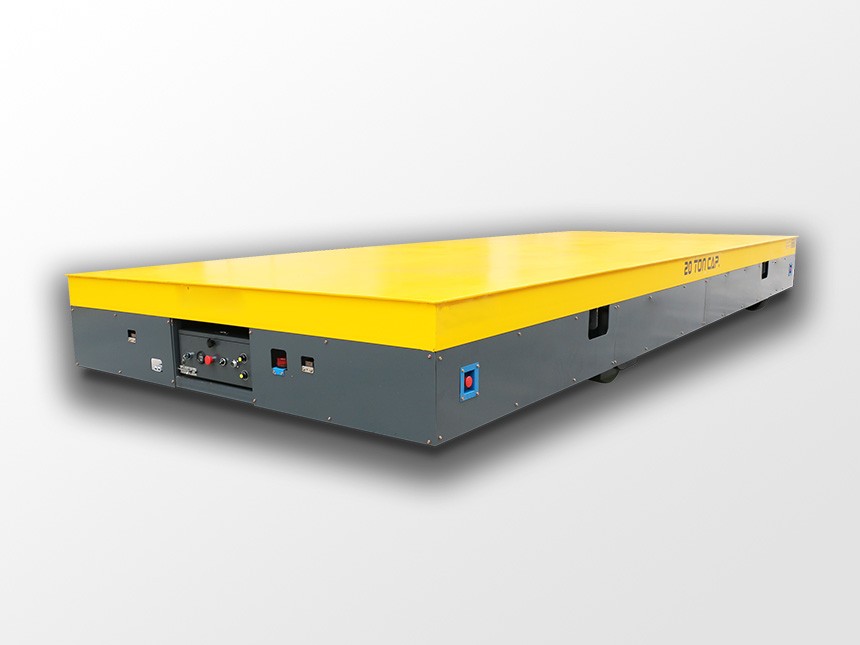
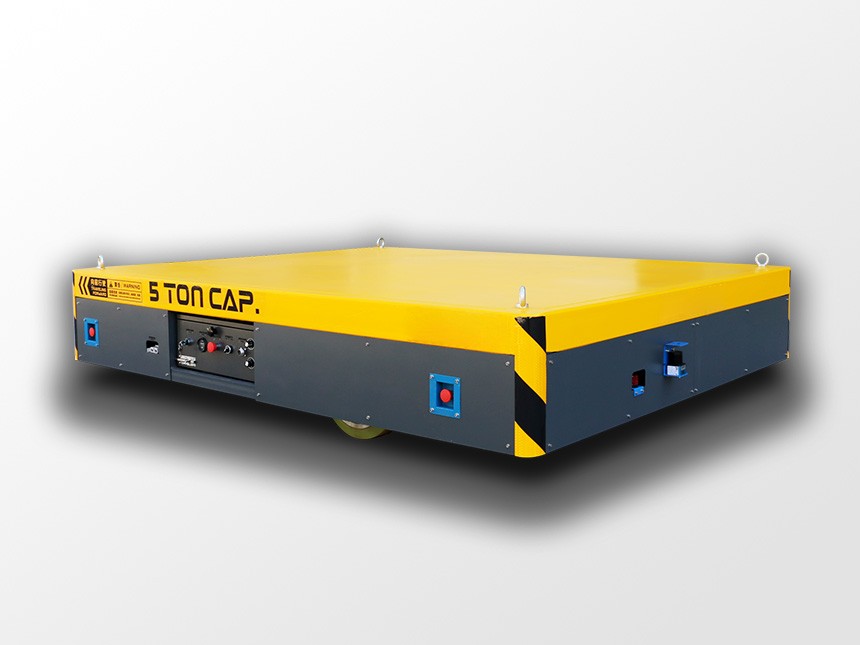
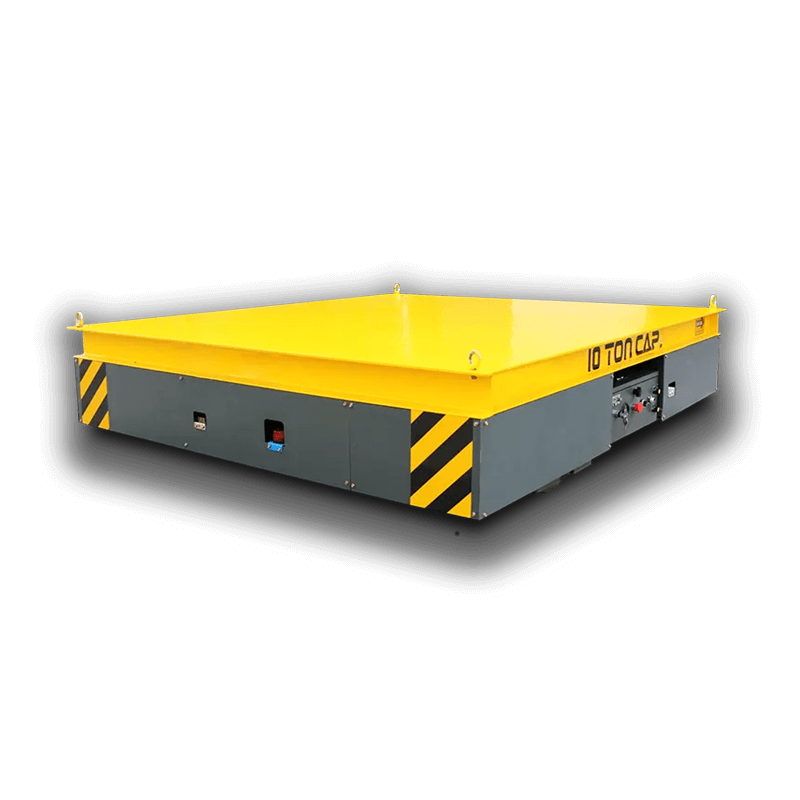
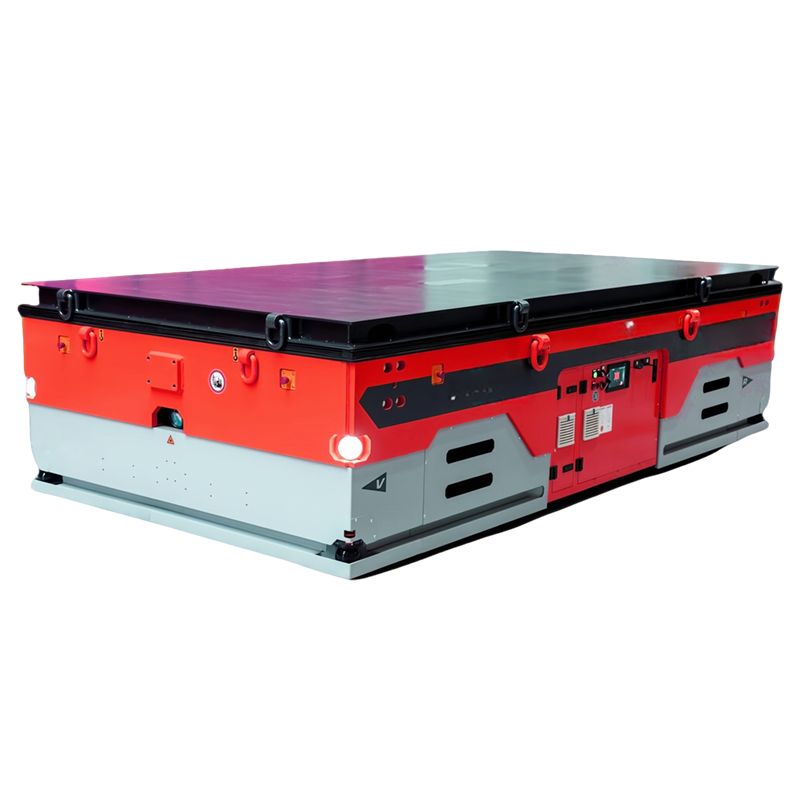
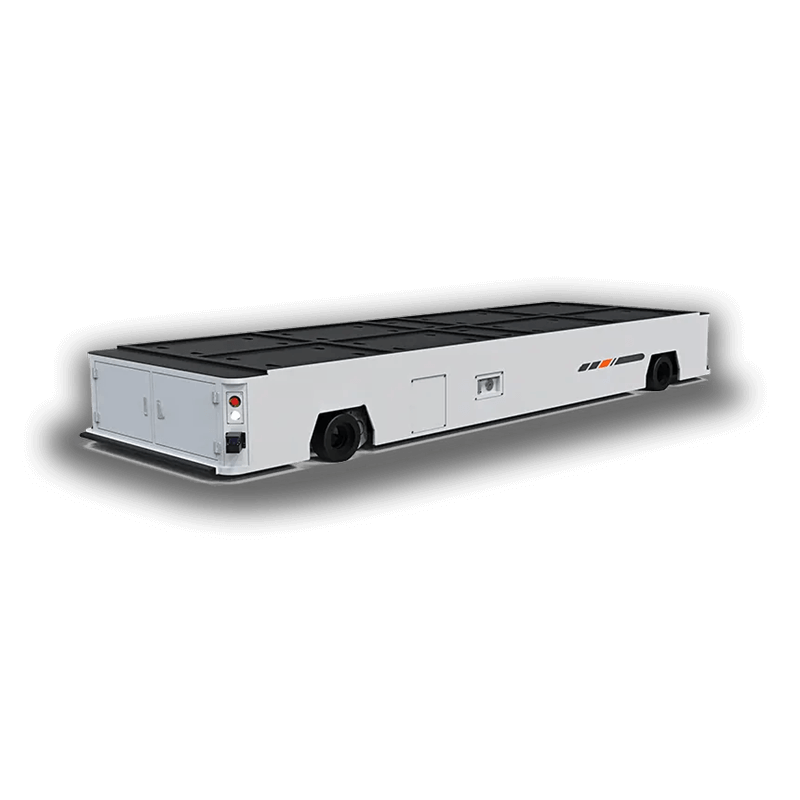
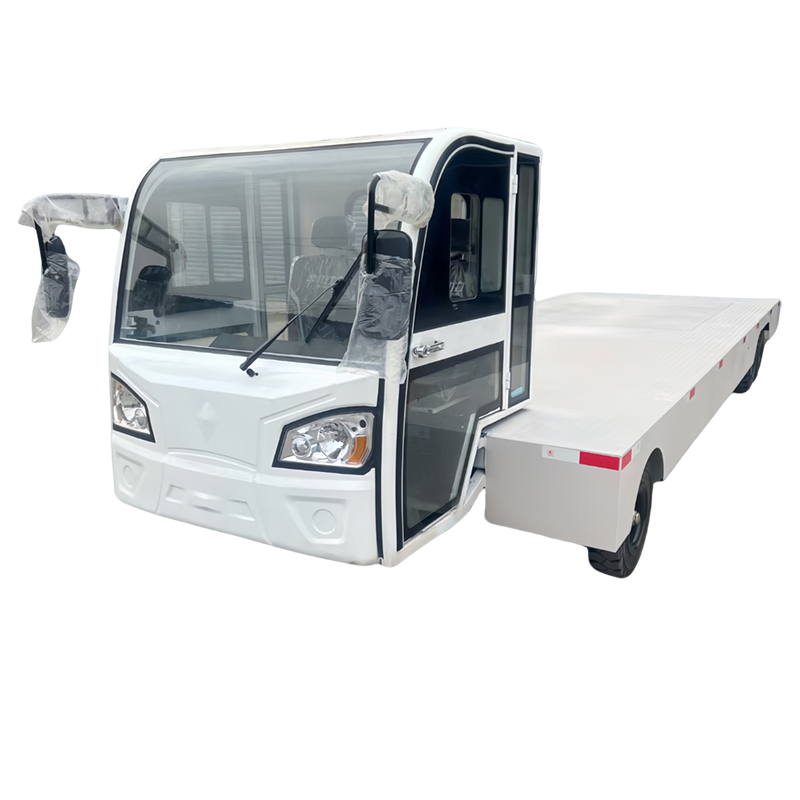
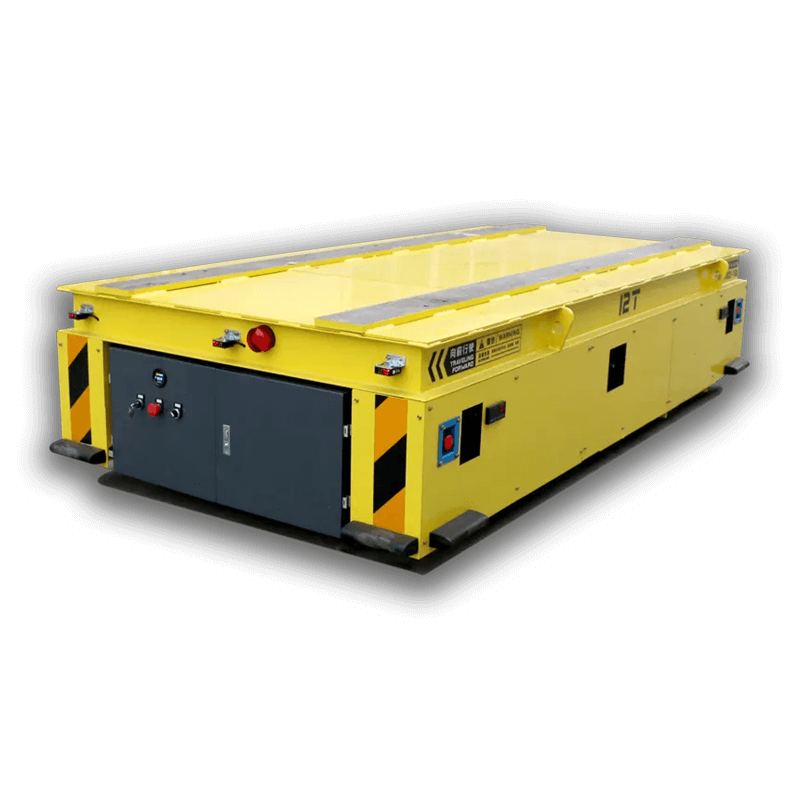
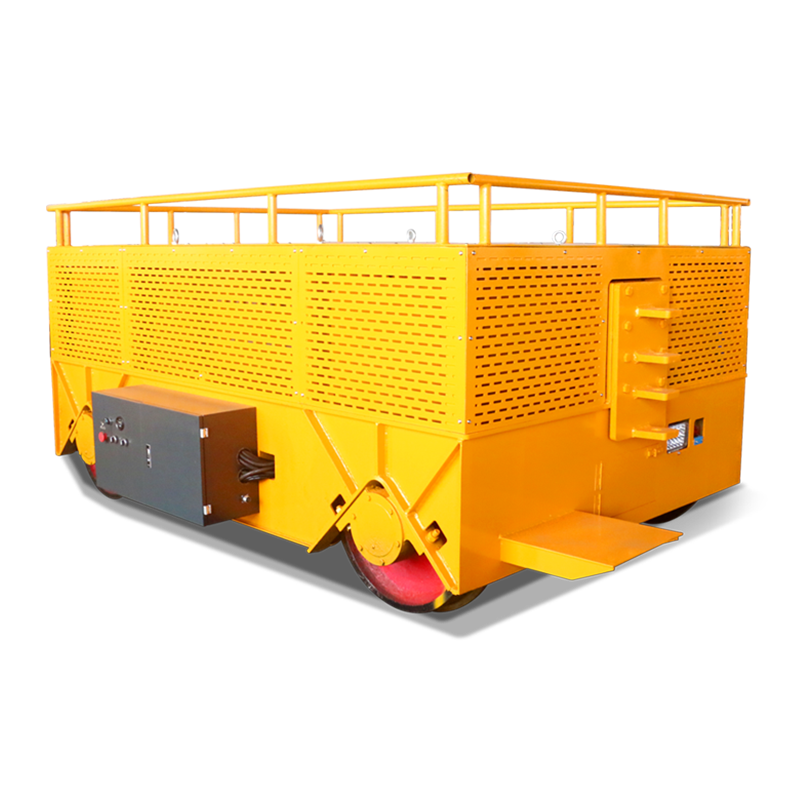
Electric carts configured for automated operation represent the practical entry point for facilities seeking AGV-level automation without a full infrastructure overhaul. Unlike traditional forklifts, electric carts can be retrofitted with guidance systems — magnetic tape, laser triangulation, or vision-based navigation — transforming them into autonomous or semi-autonomous transport vehicles.
The solution architecture typically involves:
- Electric cart platform selection based on payload and floor conditions
- Navigation system integration (laser, magnetic, or GPS-based)
- Fleet management software for task scheduling and routing
- Integration with warehouse management systems (WMS) or manufacturing execution systems (MES)
- Safety monitoring through LIDAR, proximity sensors, and software-defined speed zones
This modular approach means facilities do not need to replace their entire material handling fleet overnight. A phased rollout — starting with the highest-frequency routes — delivers early ROI while building operational readiness for broader deployment.
Implementation: Phased Deployment for Real-World Environments
Successful electric cart AGV implementation follows a structured deployment methodology. The process begins with route mapping and throughput analysis to identify the highest-impact automation targets. Operations teams typically prioritize闭环 (closed-loop) routes with predictable stops — these offer the fastest path to measurable results.
Configuration involves pre-programming the cart's navigation paths, defining stop positions with millimeter-level accuracy, and setting up communication protocols between the cart fleet and the central control system. For facilities with existing WMS, integration layers allow automated task generation — a production station signals a material request, the system dispatches the nearest available cart, and tracking updates automatically.
Safety configuration is critical. In mixed-traffic environments where autonomous carts share aisles with human workers, the AGV system must support dynamic obstacle detection and adaptive speed control. Zones with high pedestrian traffic can be designated as reduced-speed areas, while open corridors allow full-speed operation.
Pilot deployments typically run 4–8 weeks before full fleet rollout, allowing operations staff to develop maintenance competency and identify edge cases in real routing scenarios.
Results: Measurable Gains Across Key Metrics
Facilities that have transitioned to electric cart-based AGV systems report consistent, quantifiable improvements across several operational dimensions:
- Throughput improvement: 30–45% increase in material delivery frequency on automated routes compared to manual dispatch
- Labor cost reduction: 25–40% decrease in internal logistics labor hours as cart operators are redeployed to higher-value tasks
- Error reduction: Route deviations and missed deliveries drop by over 70%, improving production schedule adherence
- Safety improvement: Collision incidents in automated zones decrease by 60% due to sensor-driven speed regulation
- Equipment utilization: Fleet management software increases cart utilization rates from typical manual levels of 40–50% to 75–85%
Beyond the hard numbers, operations managers consistently report improved scheduling predictability. With automated routes executing on clockwork schedules, production planners gain confidence in material availability windows — enabling tighter production cycles and reducing work-in-progress inventory.
Key Takeaways
Electric cart-based AGV automation is not a futuristic concept — it is a present-day, proven approach to solving internal logistics challenges. The critical success factors are:
- Start with high-frequency, closed-loop routes to capture early ROI
- Choose modular navigation systems that allow incremental capability expansion
- Invest in WMS/MES integration from day one — isolated automation delivers isolated results
- Plan for mixed-traffic safety from the outset, not as an afterthought
- Train maintenance staff during the pilot phase, not after full rollout
The approach is adaptable across manufacturing verticals — from automotive assembly to electronics production to food and beverage warehousing — wherever predictable material flow drives production efficiency.
Conclusion
Internal logistics is often the invisible constraint on manufacturing performance. Electric carts configured for autonomous operation provide a practical, scalable, and measurable path to resolving that constraint. For operations managers evaluating their next efficiency investment, the combination of proven AGV technology, modular implementation pathways, and hard operational data makes electric cart automation a compelling case. The question is no longer whether automation makes sense — it is how quickly a facility can move from pilot to scaled deployment.