
 English
 简体中文
简体中文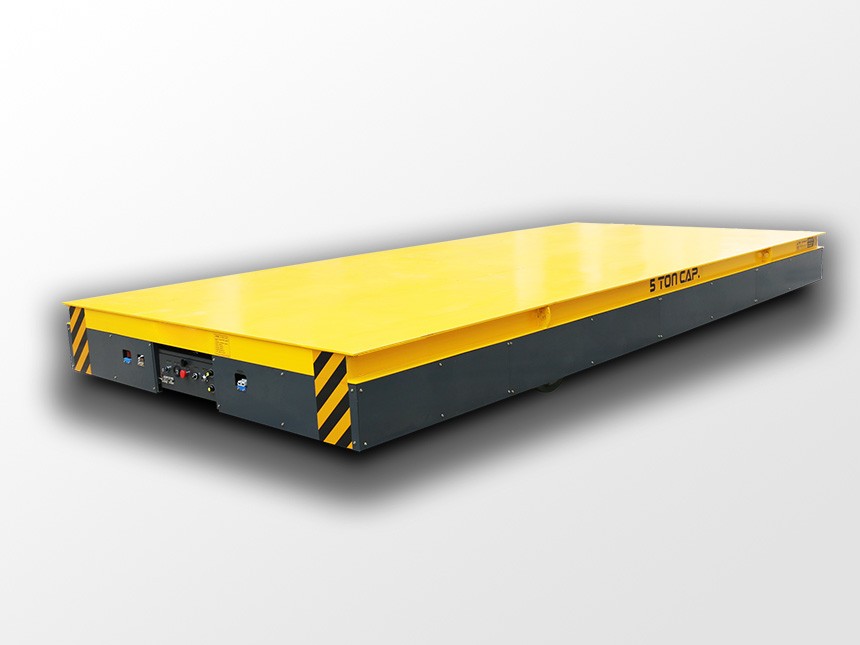
Why Operations Are Moving Away from Manual Transport
Manual material transport remains one of the most persistent inefficiencies in manufacturing and warehousing operations. Forklifts, hand pallets, and manual carts still move the majority of floor-level loads — yet these methods carry hidden costs that compound silently: rising labor expenses, injury risk, inconsistent throughput, and the inability to scale during peak demand. For operations managers tasked with doing more with the same headcount, the gap between manual processes and operational goals has become unsustainable.
The Challenge: High-Volume Transport Without the Headcount
One common scenario: a mid-size electronics parts warehouse handling 800–1,200 pick-and-transfer cycles per shift. The operation relies on a team of six fork truck operators working two shifts. During seasonal peaks, overtime costs spike and on-time dispatch rates dip below 85%. The floor manager identifies the bottleneck not in picking or packing, but in the point-to-point transport layer — tasks too simple to justify skilled forklift work, yet too frequent for human stamina to sustain at consistent speed across a full shift.
The AGV-Based Solution: Targeted Automation Where It Counts
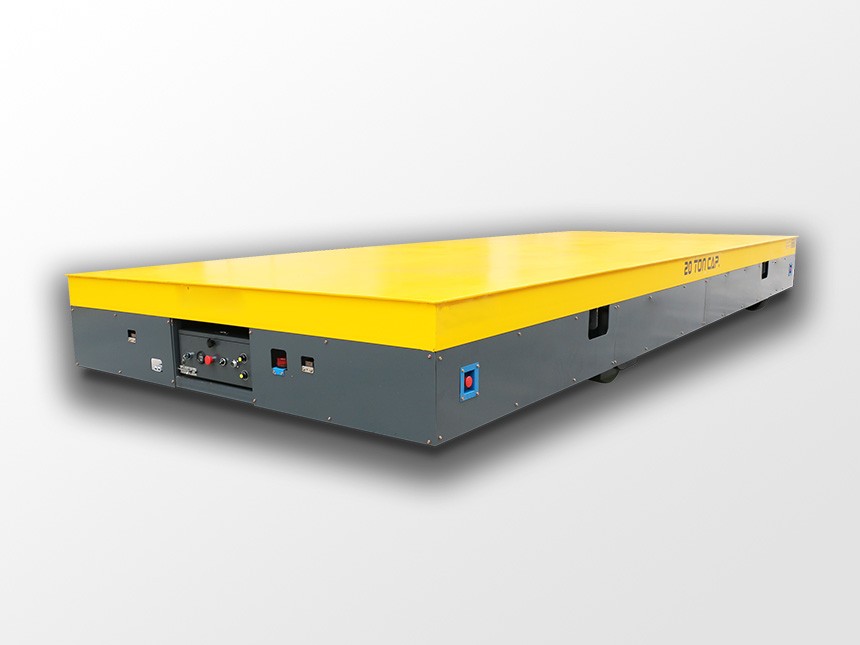
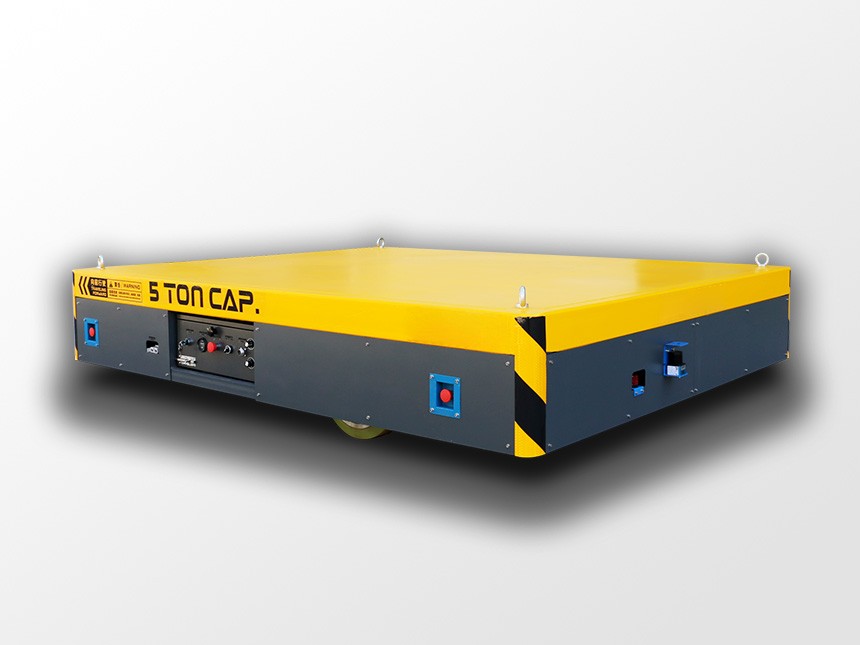
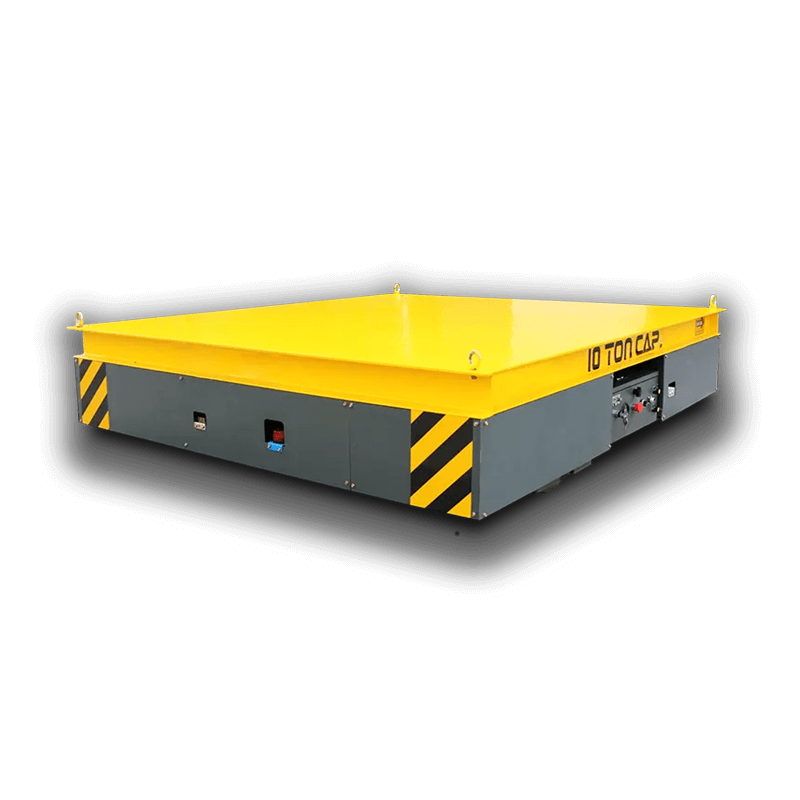
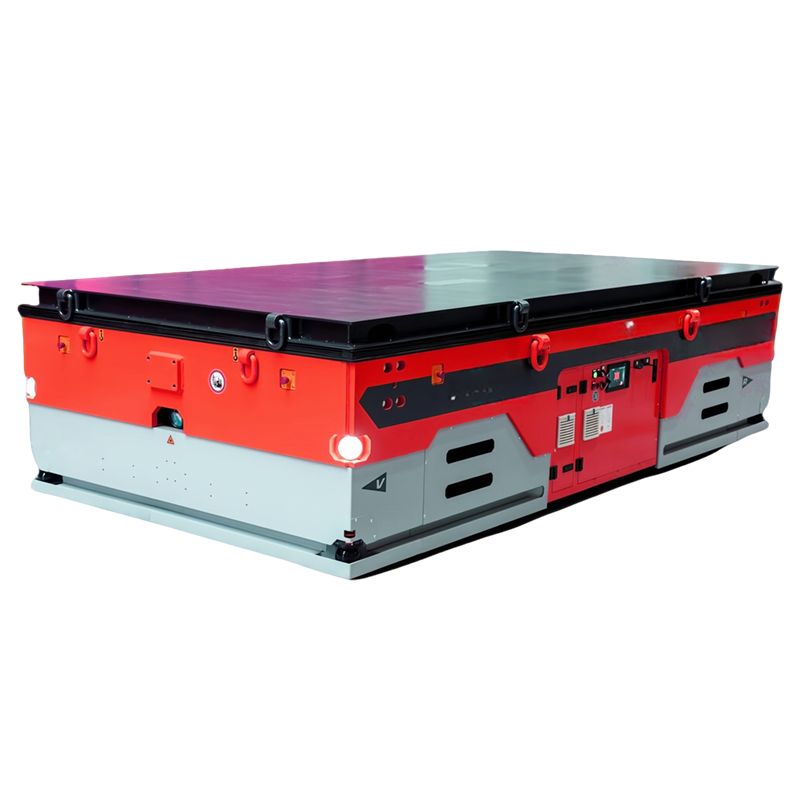
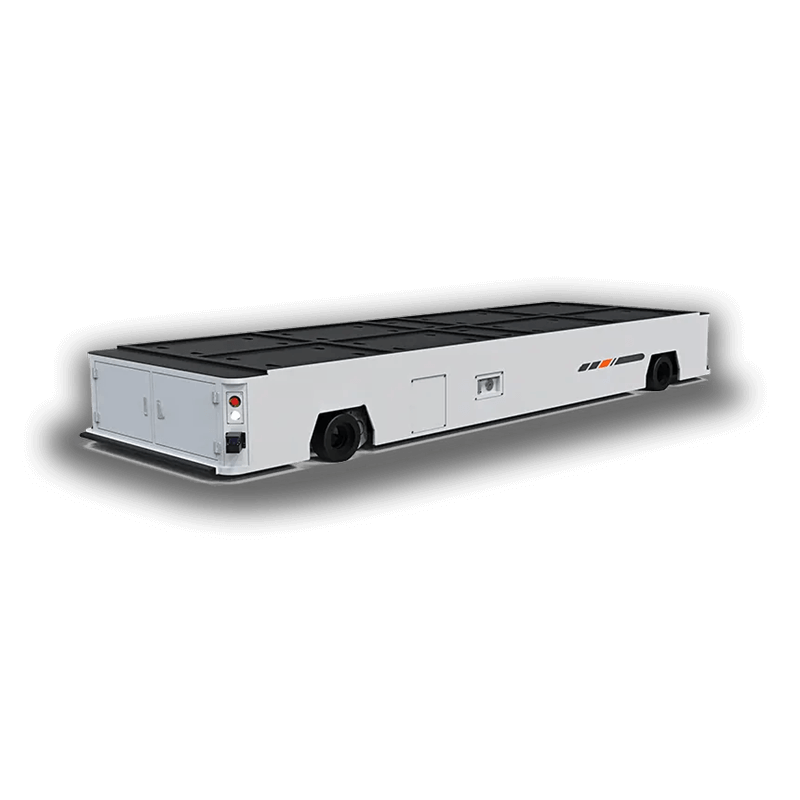
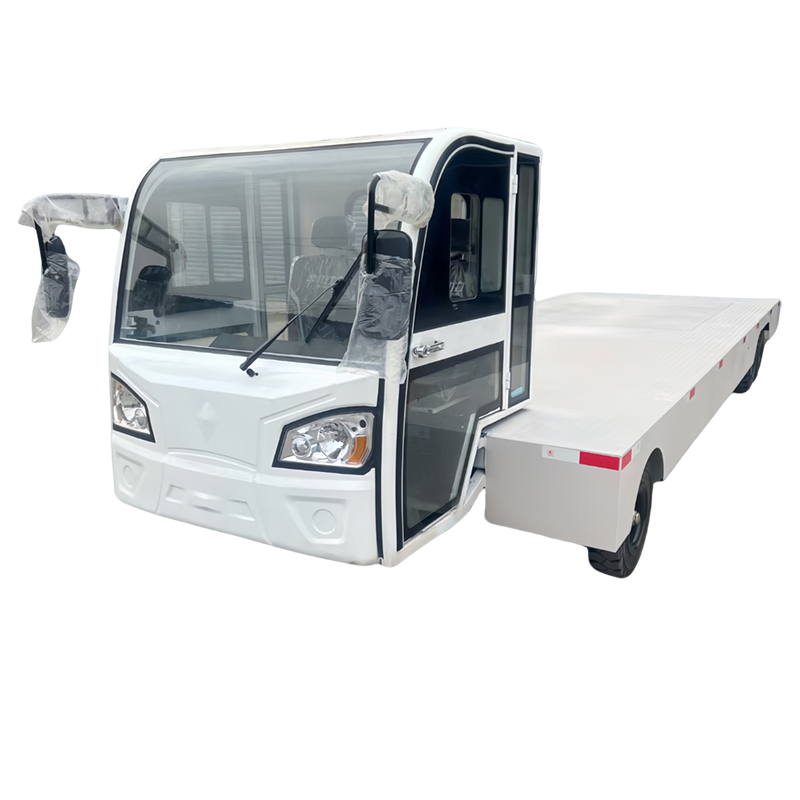
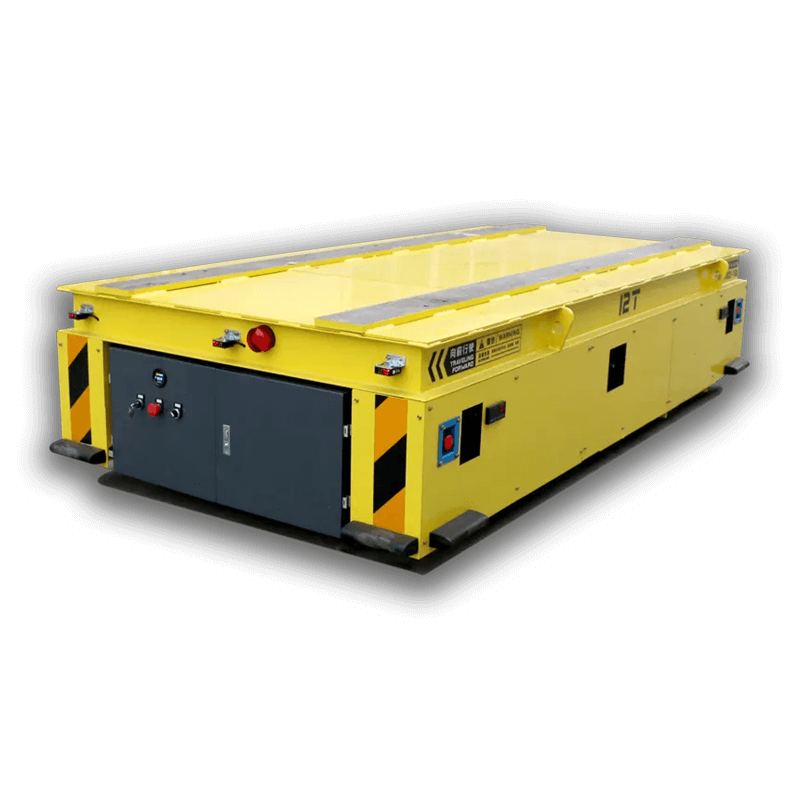
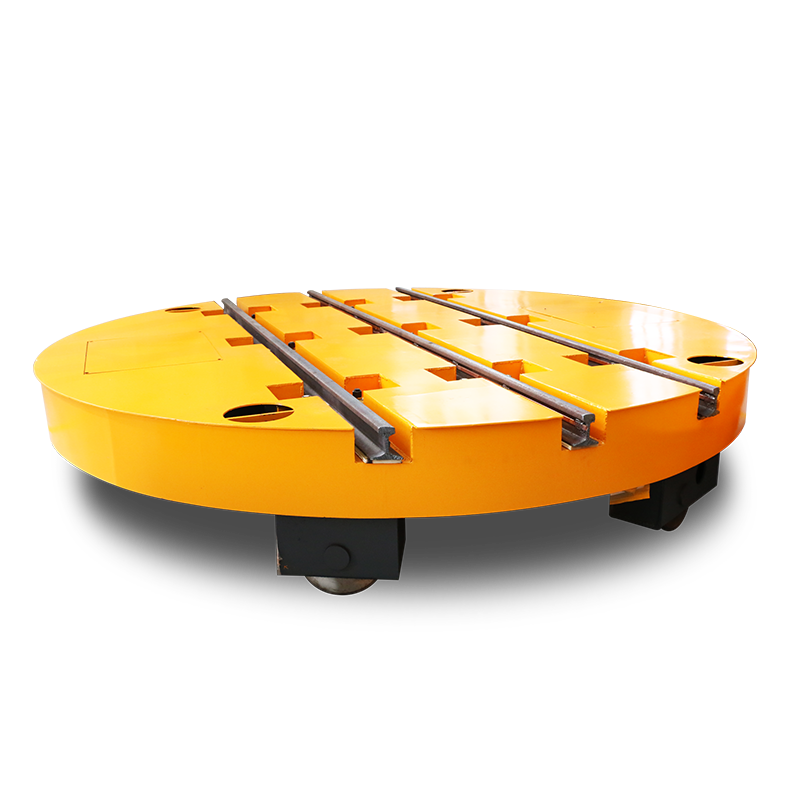
Semi-automatic transport AGVs are designed exactly for this layer of operation. Unlike fully autonomous systems requiring complex infrastructure overhaul, semi-automatic AGVs operate along predefined routes with minimal environmental modification. They bridge the gap between manual handling and full automation — introducing consistency and continuity without demanding a complete operational redesign.
The typical deployment involves:
- Route mapping and magnetic tape or QR-coded guide path installation
- Selection of suitable AGV models based on load capacity and travel distance
- Integration with warehouse management systems (WMS) for task dispatch
- Phased rollout starting with one or two critical transport loops
Implementation: A Phased Approach to Minimal Disruption
Most successful transitions begin with a single, high-frequency route — for example, the connection between the receiving dock and the sorting area. In this representative deployment, the process unfolded across 12 weeks:
Weeks 1–3: Site survey and floor mapping. Engineers documented traffic patterns, identified collision risk zones, and defined safe stopping zones. No existing infrastructure was altered.
Weeks 4–6: Guide path installation (magnetic tape on existing concrete floor) and AGV commissioning. Two units were configured and tested in offline mode.
Weeks 7–9: WMS integration via REST API. Transport tasks were digitally queued and assigned to AGVs automatically. Operators received task updates via existing handheld terminals.
Weeks 10–12: Parallel operation. AGVs ran alongside existing manual transport during full shifts. Speed, cycle time, and exception handling were monitored and tuned.
Results: Measurable Gains Across the Board
After full deployment, the operation recorded the following outcomes over a six-month evaluation period:
- Throughput for target transport routes increased by 34%
- Direct labor hours for point-to-point transport decreased by 38%
- Transport-related incidents dropped to zero
- Average cycle time per route improved from 18 minutes to 11 minutes
- Return on investment was achieved within 14 months
Key Takeaways
Three patterns consistently appear across semi-automatic AGV deployments in transport-heavy operations:
Start narrow, prove value, expand. Beginning with a single high-frequency route limits risk and provides concrete data for justifying further investment. The first route rarely fails if traffic analysis is thorough.
Integration beats isolation. AGVs connected to the WMS outperform those operating on fixed schedules. Dynamic task assignment eliminates idle time and prevents queue buildup during demand surges.
Operator buy-in changes everything. Involving floor operators in commissioning — rather than presenting them with a finished system — dramatically reduces resistance and accelerates proficiency.
Conclusion
Transitioning from manual to semi-automatic transport is not an all-or-nothing proposition. With the right AGV platform and a phased implementation strategy, operations can achieve measurable efficiency gains, meaningful labor cost reductions, and a faster path to ROI — without the disruption of a full system overhaul. For operations managers evaluating where automation delivers the highest return per effort, point-to-point material transport remains one of the most compelling starting points.