
 English
 简体中文
简体中文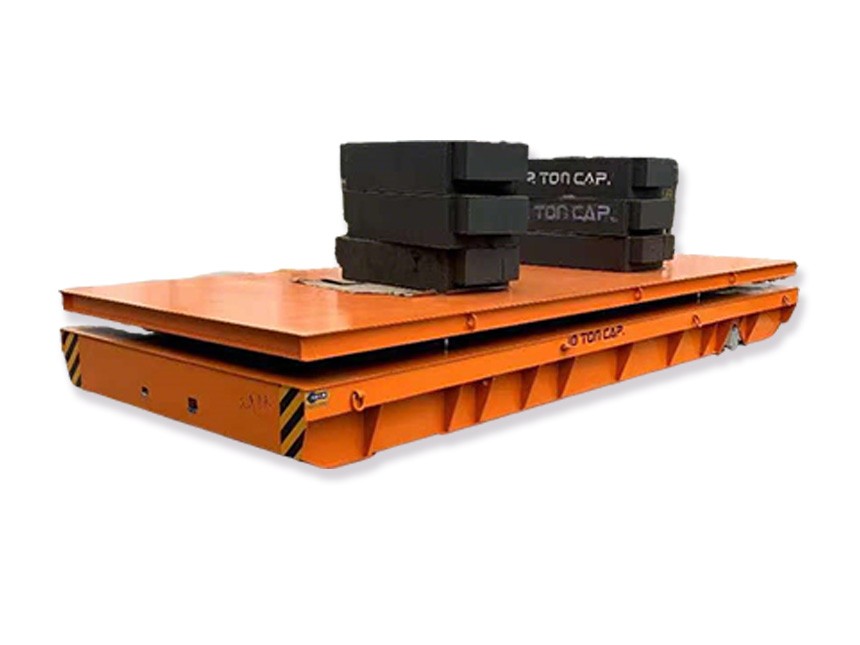
Why Electric Flatbed Carts Are Transforming Manufacturing
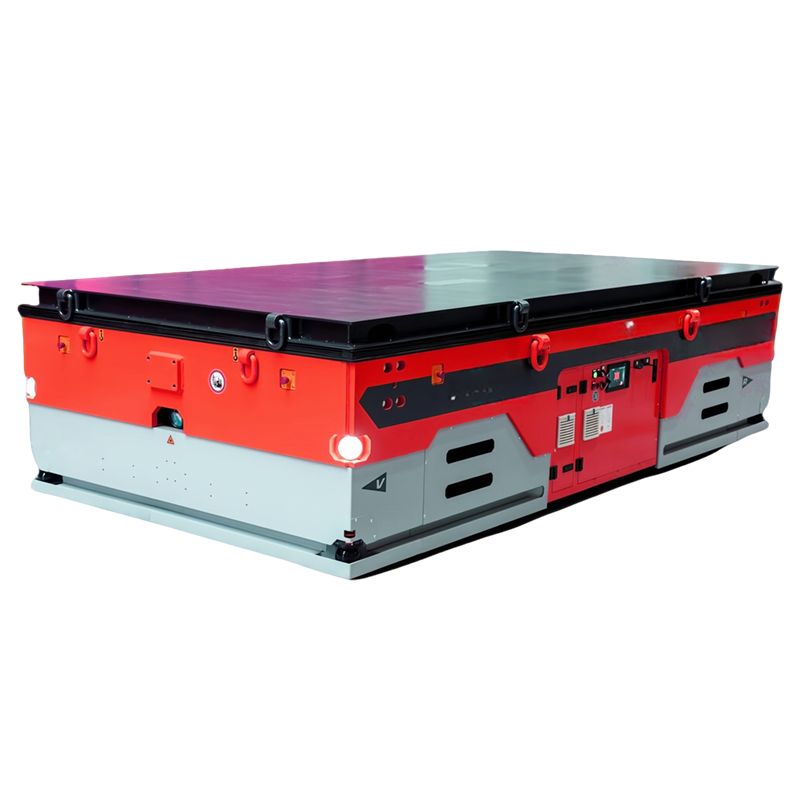
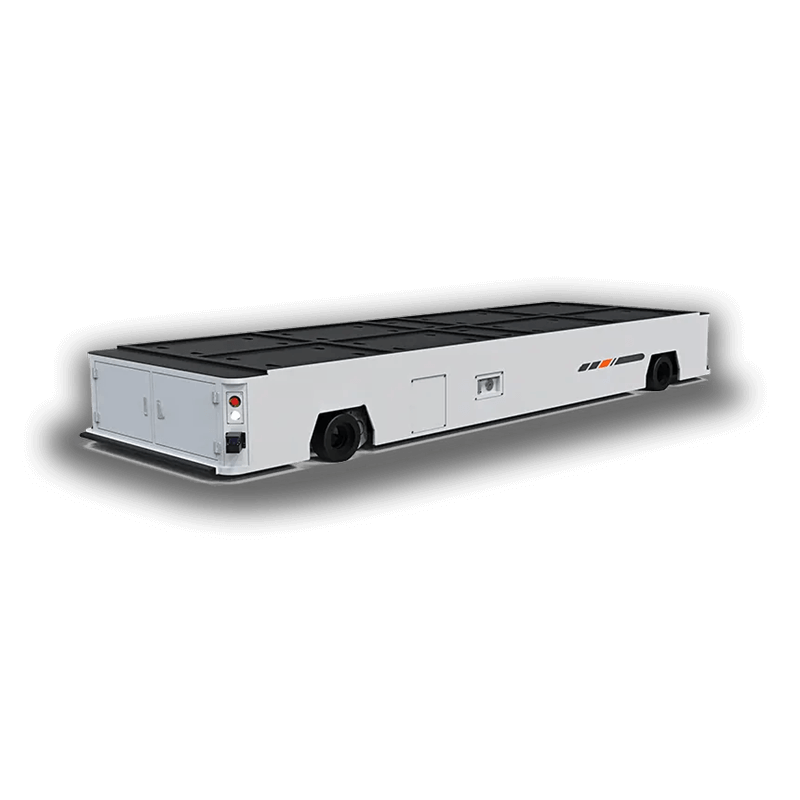
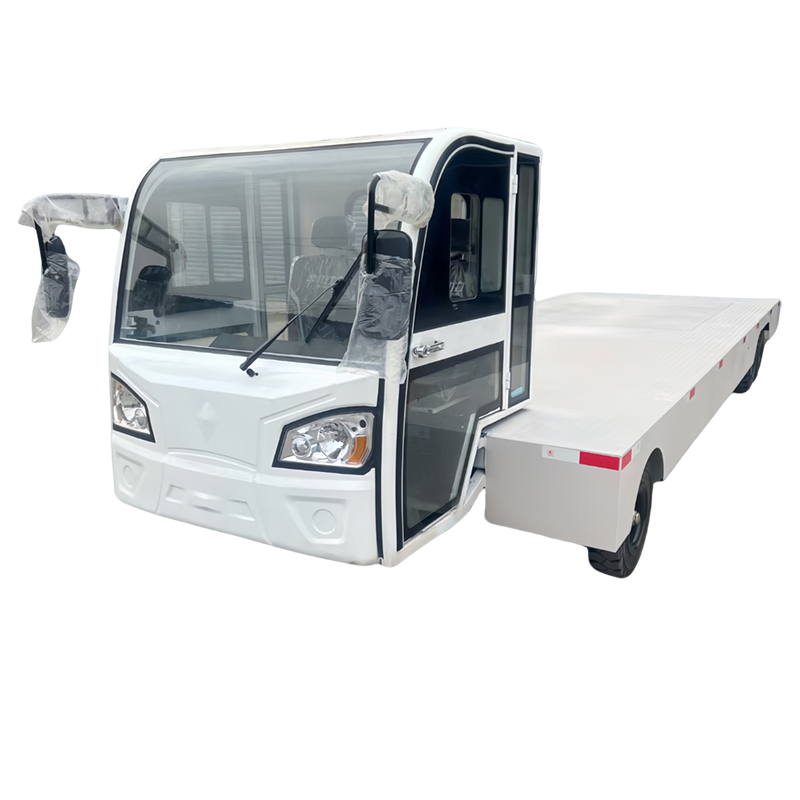
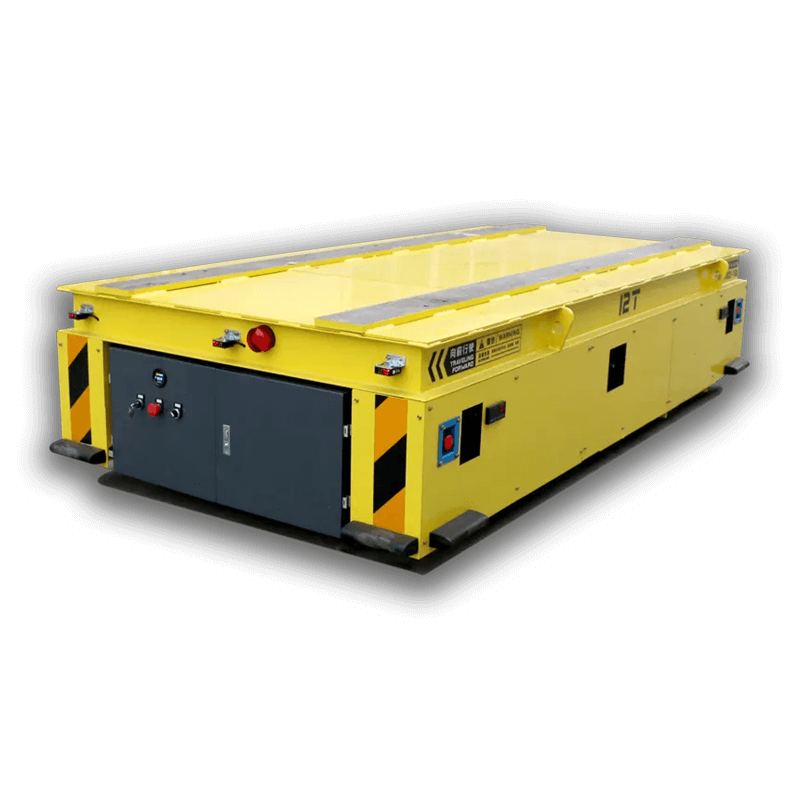
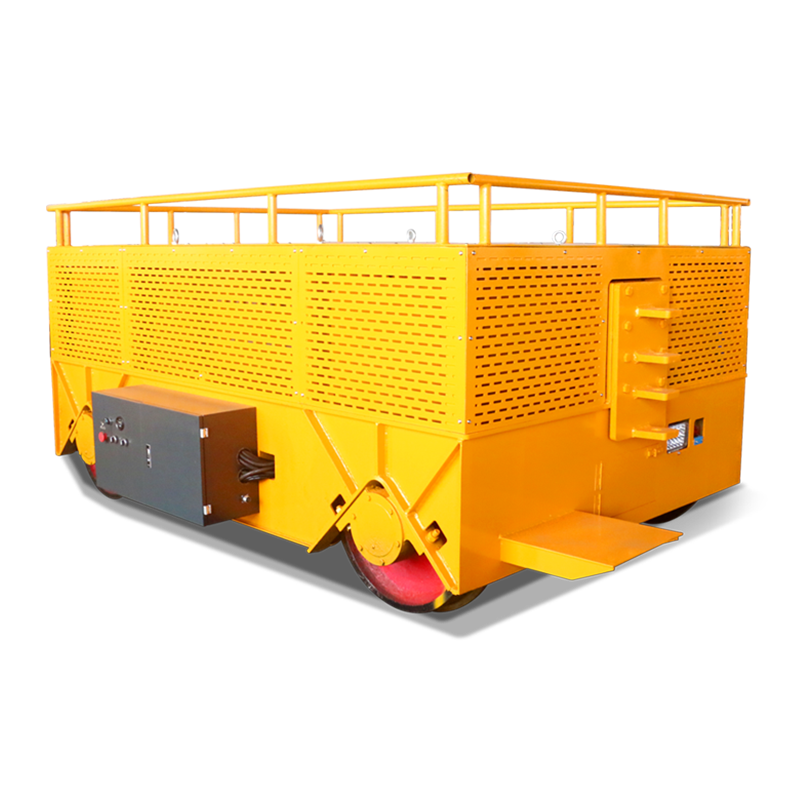
Manufacturing plants face constant pressure to move materials faster, safer, and more efficiently. Electric flatbed carts have emerged as a cornerstone solution for modern production facilities, replacing manual pushing and outdated diesel-powered equipment. These automated guided vehicles (AGVs) offer precise control, zero emissions, and seamless integration with existing production lines.
Key Applications in Manufacturing Environments
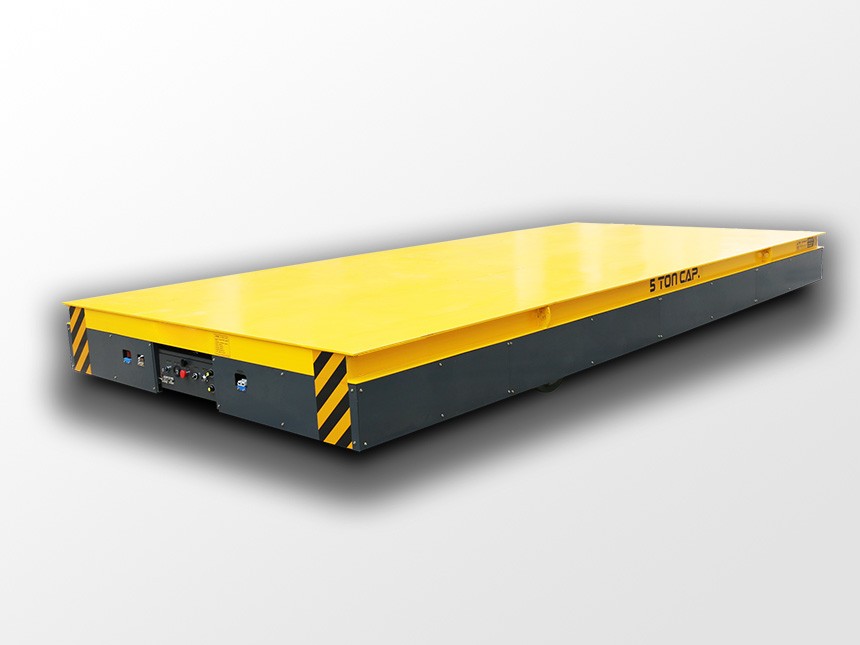
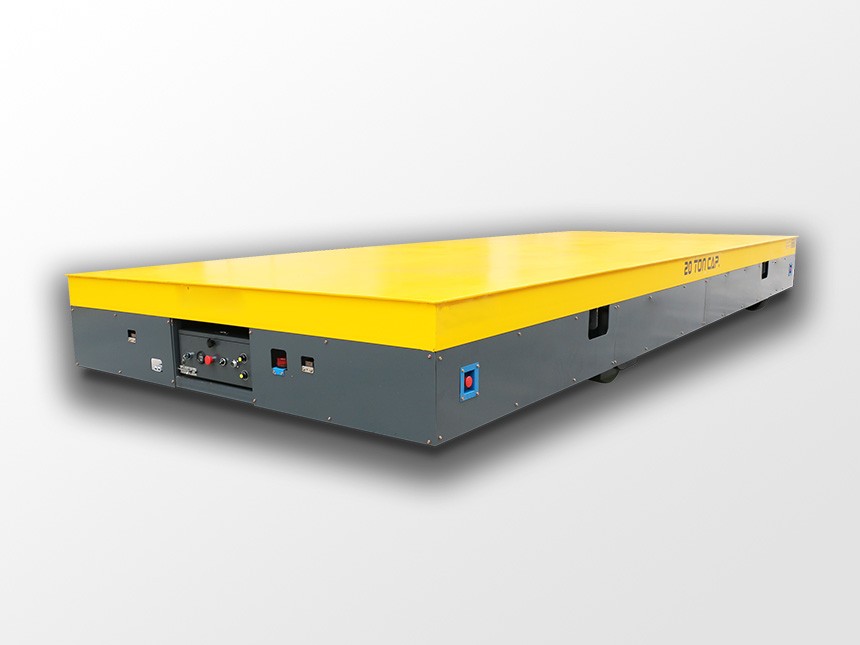
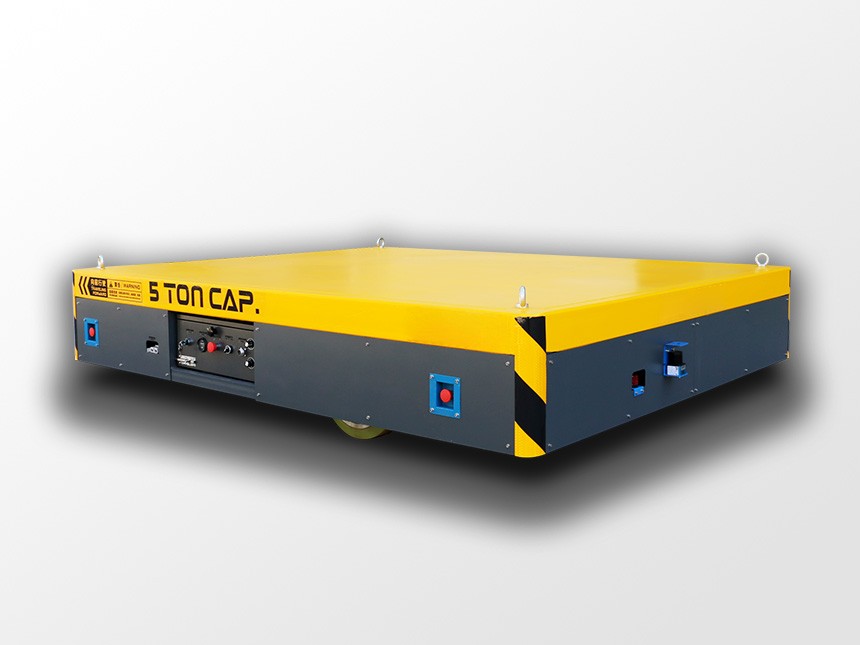
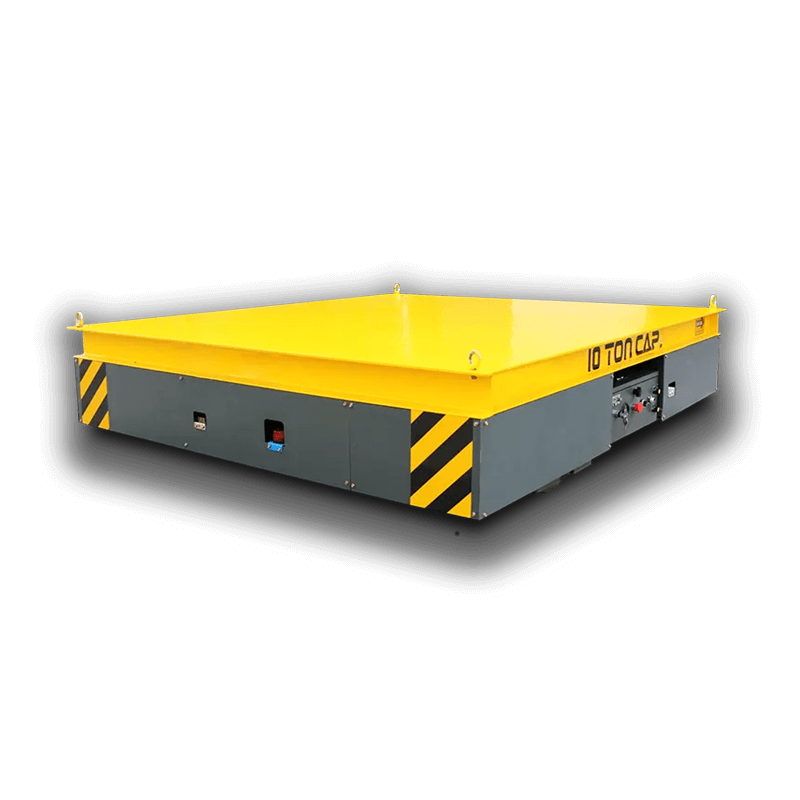
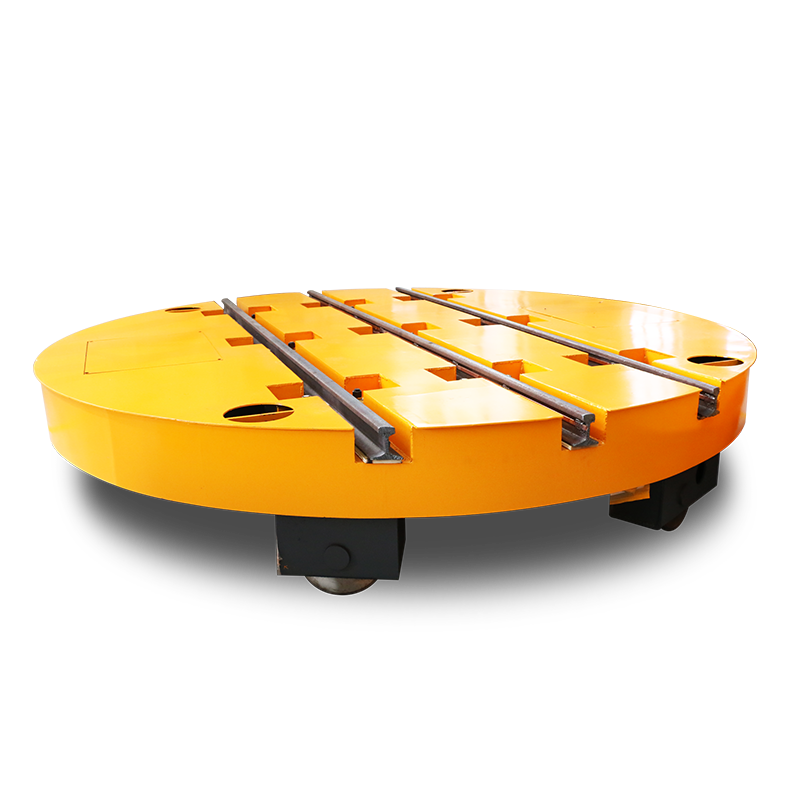
Electric flatbed carts serve multiple roles across manufacturing operations. They transport raw materials from warehouses to production zones, move work-in-progress between assembly stations, and deliver finished goods to packaging or shipping areas. Their low-profile design accommodates standard pallets and oversized machine components alike.
In automotive manufacturing, flatbed carts shuttle engine blocks and transmission assemblies through multi-stage assembly processes. Electronics plants rely on them to move delicate circuit boards between cleanrooms. Heavy machinery factories use high-capacity models rated for loads up to 10,000 kg.
Operational Benefits and Efficiency Gains
Facilities deploying electric flatbed carts report significant improvements in throughput and labor utilization. Automated material flow eliminates bottlenecks caused by manual transport, keeping production lines consistently fed. Workers previously assigned to pushing carts can be redeployed to higher-value tasks.
Modern carts feature advanced navigation systems, including laser guidance, magnetic tape following, and vision-based obstacle detection. They operate safely alongside human workers, automatically slowing or stopping when obstacles appear. Fleet management software enables centralized scheduling, real-time tracking, and performance analytics.
Integration Considerations
Successful deployment requires evaluating facility layout, floor conditions, and workflow patterns. Smooth, level floors maximize cart speed and battery efficiency. Turns and intersections need adequate clearance for navigation sensors. Charging stations should position strategically to minimize downtime during shift changes.
ATNAGV provides custom configuration services, matching payload capacity, navigation technology, and communication protocols to each facility's specific needs. Our engineering team assesses existing infrastructure and designs cart systems that integrate without disrupting current operations.
Conclusion
Electric flatbed carts represent a proven investment for manufacturing facilities seeking to modernize material handling. They deliver measurable gains in efficiency, safety, and cost control while providing the flexibility to adapt as production requirements evolve.