
 English
 简体中文
简体中文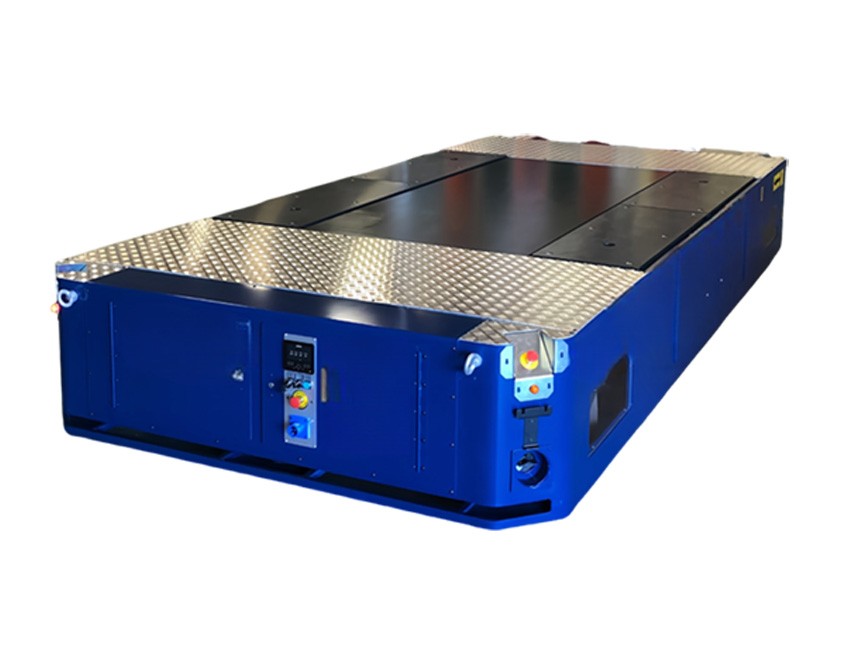
Why Electric Flatbed Carts Are Reshaping Mold Handling
In die-casting and injection-molding operations, molds are heavyweight assets. A single automotive stamping die can weigh anywhere from 500 kg to over 30 metric tons. Moving those loads safely and quickly has always been a bottleneck — until electric flatbed carts entered the picture. These self-propelled platforms have become the workhorses of modern mold shops, replacing conventional chain conveyors and manual tugger systems with cleaner, more precise alternatives.
Core Advantages for Mold Logistics
Precision Positioning
Electric flatbed carts achieve positioning accuracy within ±2 mm, even under full load. That matters on a production line where a mold must index precisely into a press or heat-treatment station without manual realignment. Variable-frequency AC drive systems deliver smooth acceleration and deceleration ramps, eliminating the jolting that can damage sensitive mold tooling or shock-sensitive precision components.
Compact Turning Radius
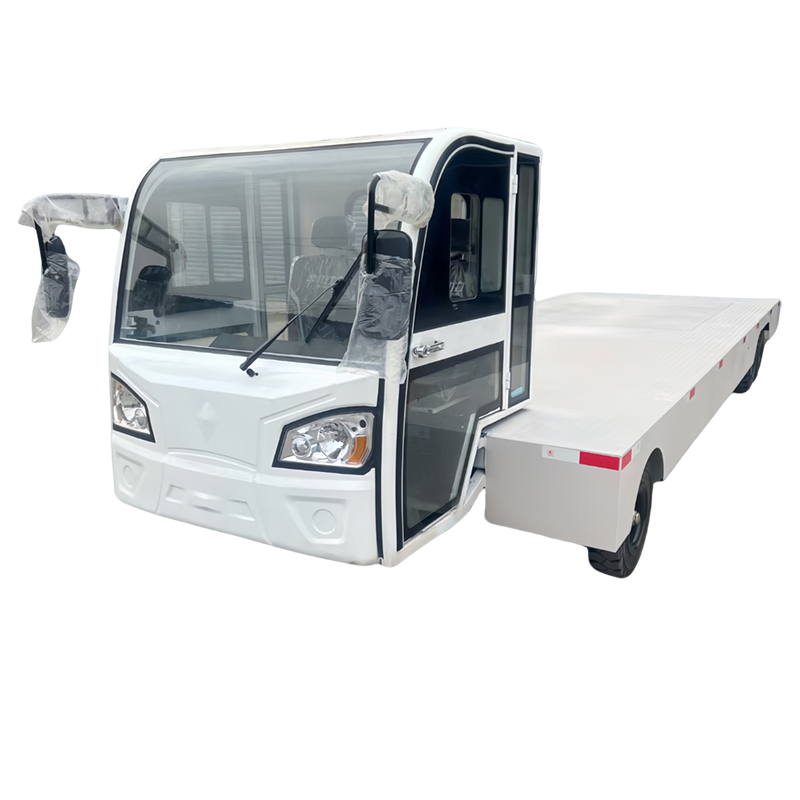
Many mold shops operate in tight floor layouts with fixed equipment and limited aisle space. Electric flatbed carts with front-wheel steering can execute turns within their own length, navigating around press foundations and tool racks that would block a conventional AGV. Some models offer omnidirectional movement via dual-motor swiveling wheels, making them viable in레이아웃 where a traditional vehicle would require extensive facility modification.
Energy Efficiency and Cost Reduction
Lead-acid or lithium battery packs provide 8–12 hours of continuous operation per charge. Because the drive motor only consumes power when the cart is moving, energy use scales directly with actual transport activity rather than running idle. Facilities that have phased out compressed-air tuggers or diesel-powered forklifts report energy cost reductions of 40–60% in their mold-logistics operations.
Payload Capacity and Floor Compatibility
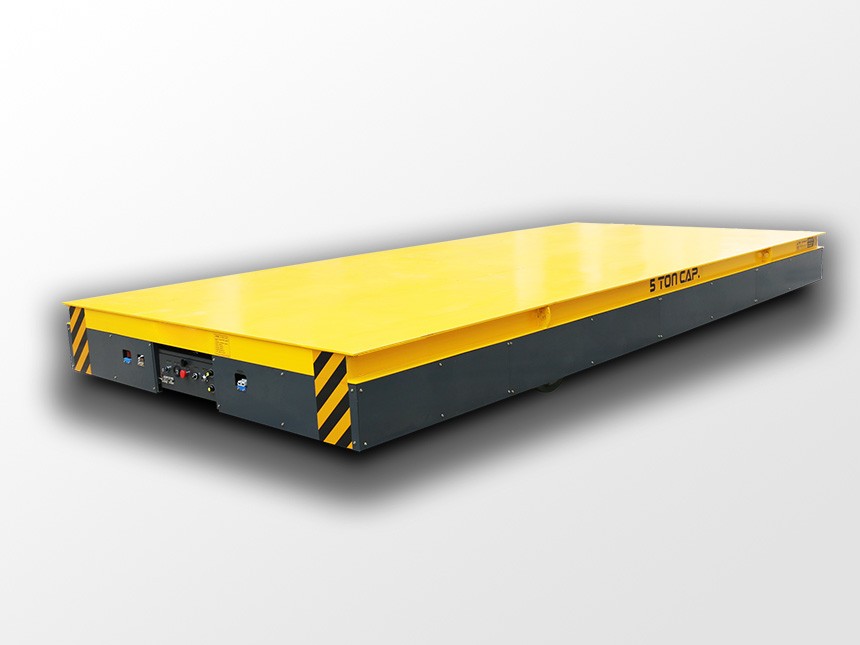
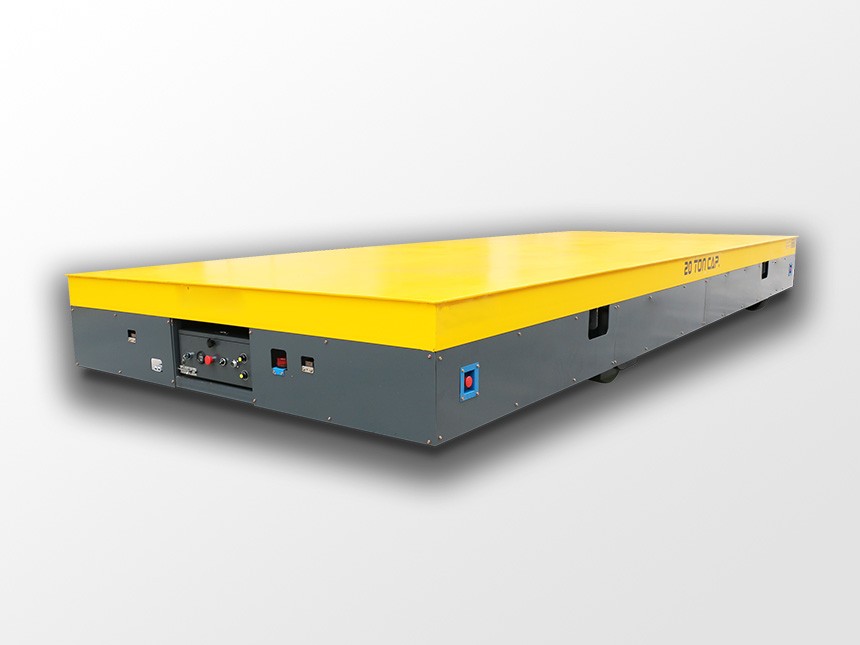
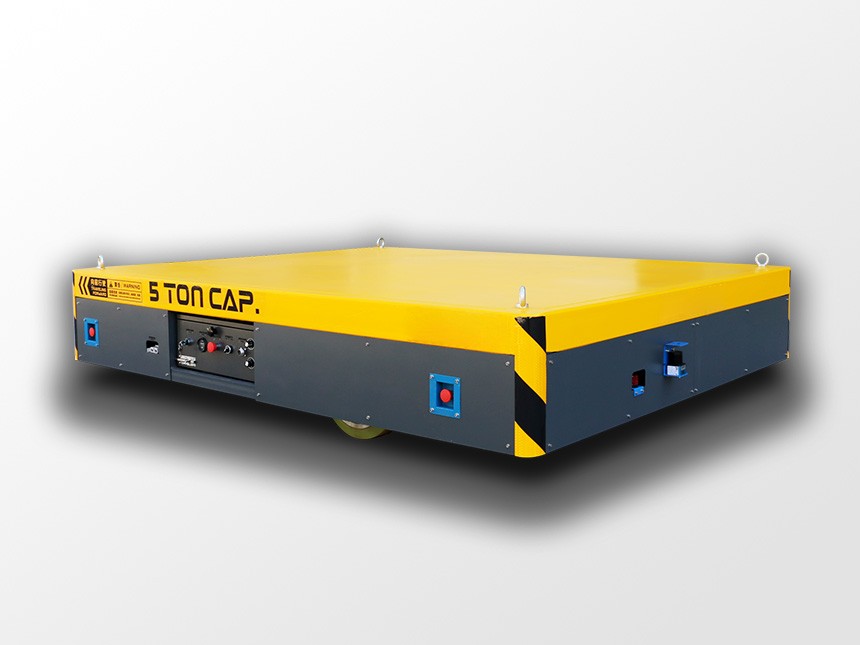
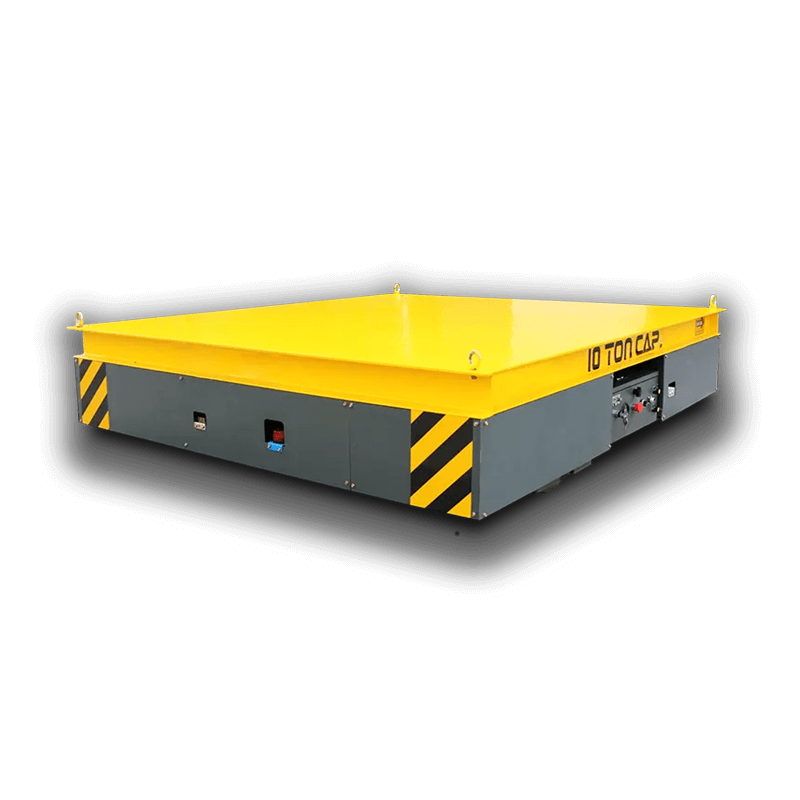
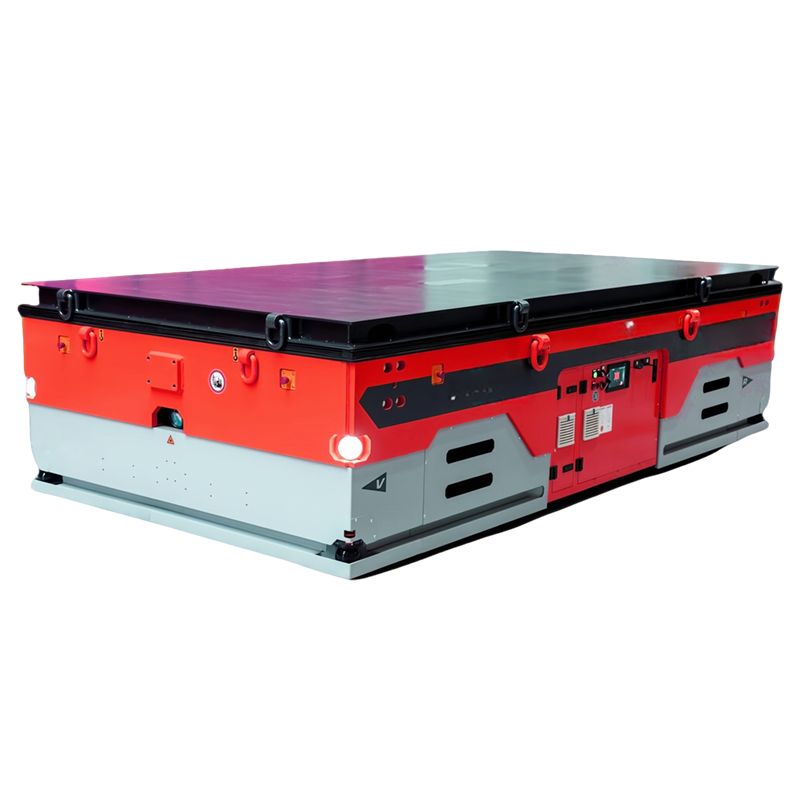
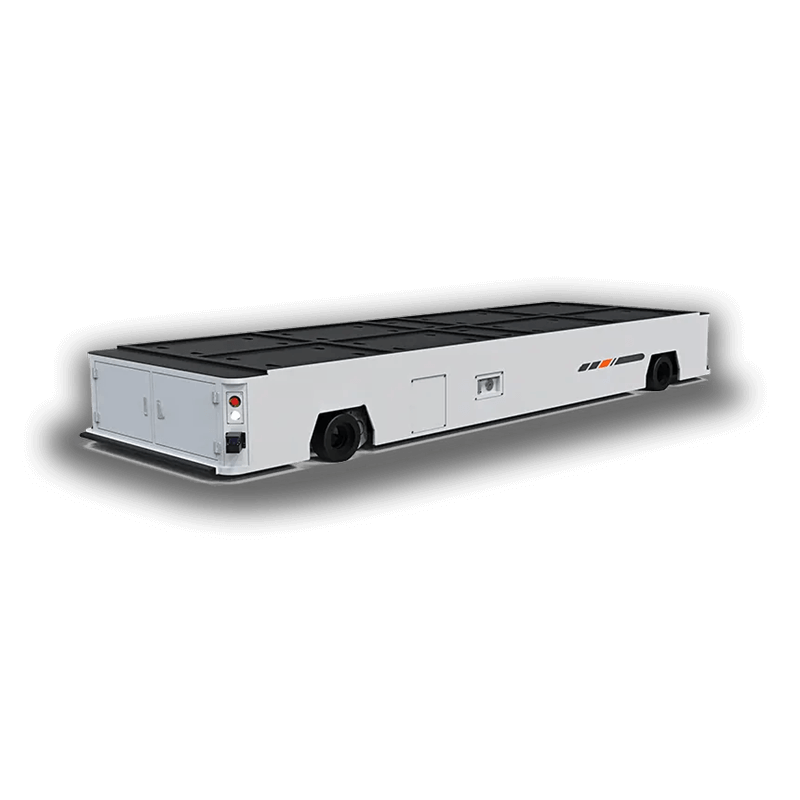
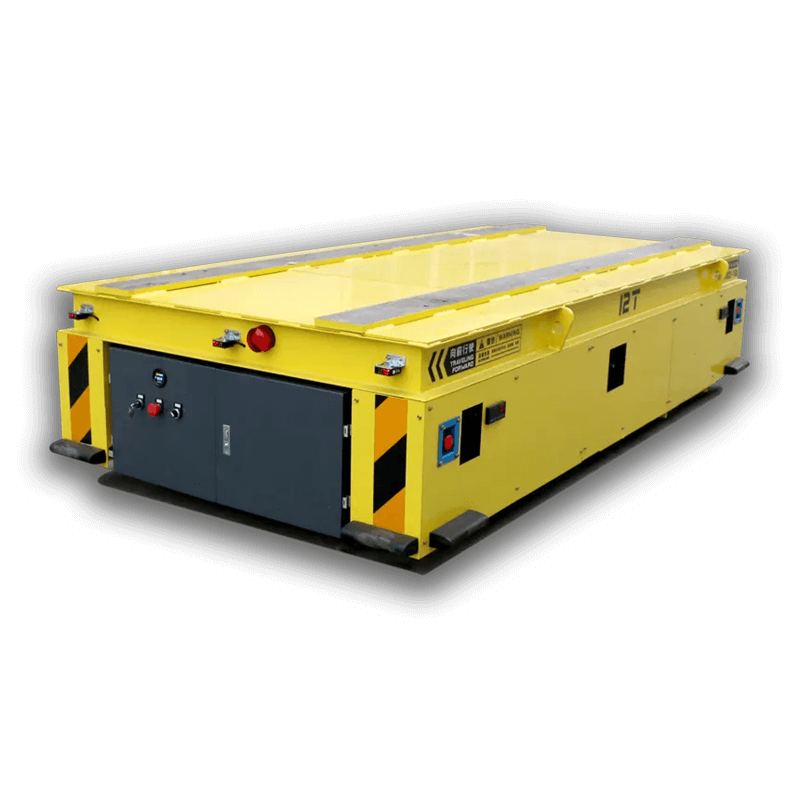
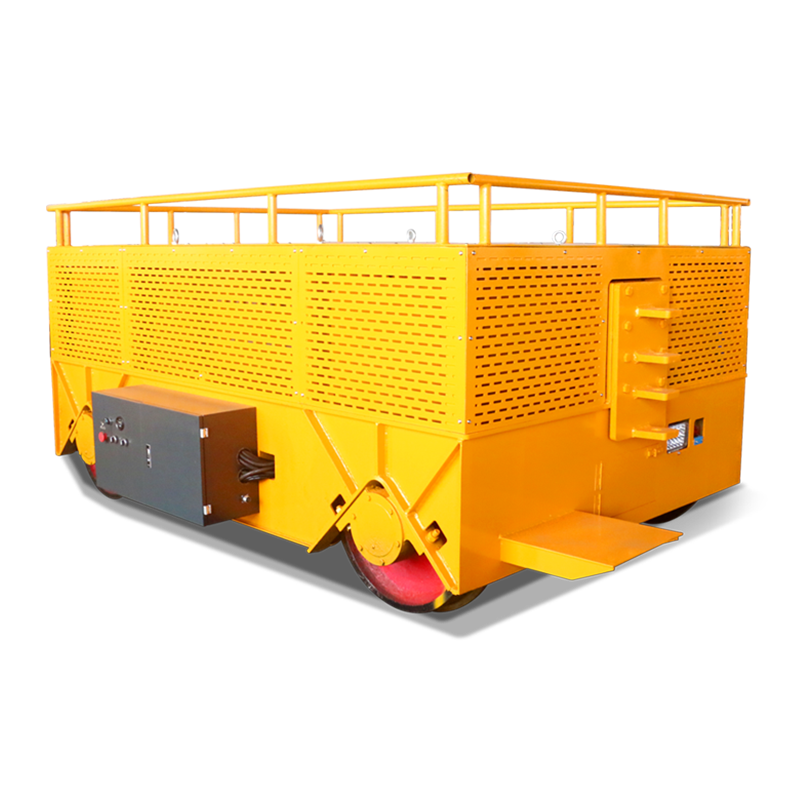
Standard electric flatbed carts for mold applications range from 2-ton to 50-ton capacity. Key structural features include reinforced steel plate decks, dynamically balanced load cells for weight monitoring, and heavy-duty polyurethane or nylon casters rated for concrete, epoxy, and metal grating floors alike. Anti-slip deck coatings and integrated chocking systems prevent mold shift during transit, even on ramps with gradients up to 8 degrees.
Safety Systems Built into the Platform
Operator and facility safety are non-negotiable in mold handling. Modern electric flatbed carts incorporate multiple redundancies: laser-based area scanners that halt motion if an obstacle enters the travel path within 1.5 meters, audible alarms and amber strobes for pedestrian zones, emergency stop buttons on both the cart and any portable pendant controller, and automatic braking that engages if drive power is interrupted. Some systems integrate with plant fire suppression, triggering cart shutdown if an emergency alarm sounds.
Integration with Shop-Floor Control Systems
Electric flatbed carts are not standalone devices — they are nodes in a facility's logistics network. Most manufacturers offer API or OPC-UA connectivity, allowing the cart to receive transport orders directly from MES or ERP systems. An operator schedules a mold move from the press maintenance screen, the system dispatches the nearest available cart, and the cart self-loads, travels, and confirms delivery — all without manual intervention. Route priority logic prevents congestion at common junctions, and dynamic obstacle avoidance keeps traffic flowing even when unexpected barriers appear.
Typical Mold-Handling Configurations
Common deployment scenarios include shuttle runs between die storage and preheating stations, on-demand transport from inbound inspection to CNC machining bays, and scheduled transfers for heat-treated molds back to the production line. Some facilities use a fleet of 3–5 carts serving a cluster of 6–12 presses, with each cart dedicated to a specific weight class to optimize energy use and minimize wear.
Maintenance Considerations
Electric flatbed carts require minimal daily maintenance — essentially battery charge verification, tire pressure checks, and visual inspection of connector harnesses. Quarterly preventive maintenance covers drive motor encoder calibration, brake pad inspection, and software update installation for the navigation controller. Most manufacturers offer remote diagnostics via cellular or Wi-Fi connection, enabling field engineers to troubleshoot without physical presence.
Total Cost of Ownership
While the initial capital cost of an electric flatbed cart exceeds that of a manual pallet jack, the total cost of ownership tells a different story over a 5–7 year horizon. Reduced labor hours, lower energy expenditure, decreased mold damage incidents, and minimal unplanned downtime combine to deliver ROI typically achieved within 18–24 months for a busy mold shop handling 20+ moves per shift.
Conclusion
Electric flatbed carts have moved from novelty to necessity in mold handling. Their precision, safety features, and integration with digital factory systems make them a compelling upgrade path for any facility that moves heavy molds more than a dozen times per shift. As battery technology continues to improve and fleet management software matures, expect adoption to accelerate across die-casting, injection molding, and stamping operations globally.