
 English
 简体中文
简体中文
Introduction: The Hype Around Smart Factories
Smart factories dominate industry headlines. AI-driven scheduling, digital twins, IoT sensors, and autonomous mobile robots promise a new era of manufacturing efficiency. But here's the thing — not every problem needs a high-tech fix. In fact, many manufacturers are discovering that simple, proven solutions often outperform complex systems in reliability, cost, and ease of use.
This isn't about rejecting technology. It's about matching the right solution to the right problem. Sometimes the best approach is the one that works without constant debugging, specialized technicians, or expensive software licenses.
Why Complexity Isn't Always Better
Industrial automation has made incredible strides. AGVs navigate without guides, robots collaborate with humans, and production lines self-optimize in real time. Yet complexity brings its own challenges.
Every sensor adds a potential failure point. Every software integration introduces compatibility risks. Every advanced system requires trained personnel who can troubleshoot when things go wrong. For many mid-sized manufacturers, the cost of maintaining cutting-edge systems outweighs the benefits.
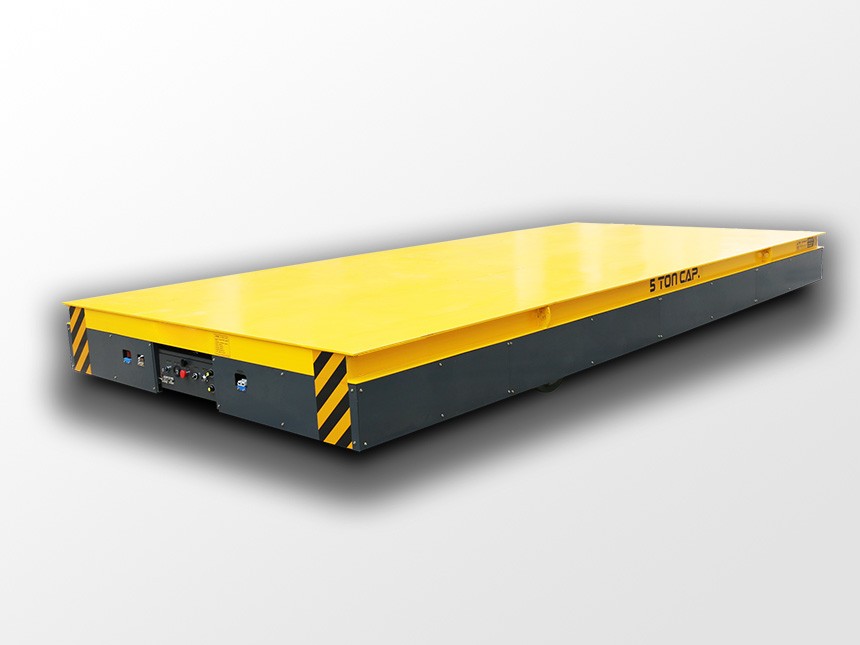
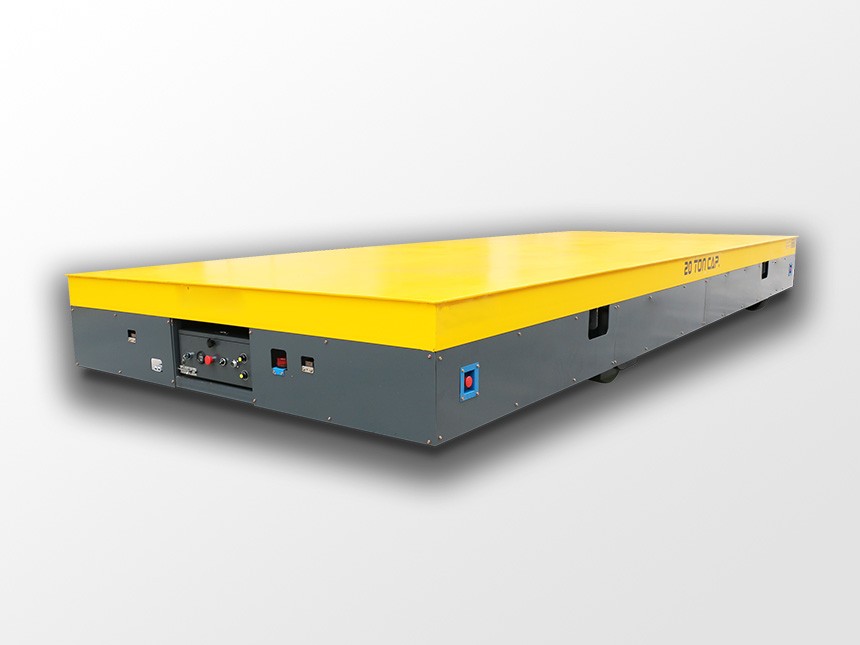
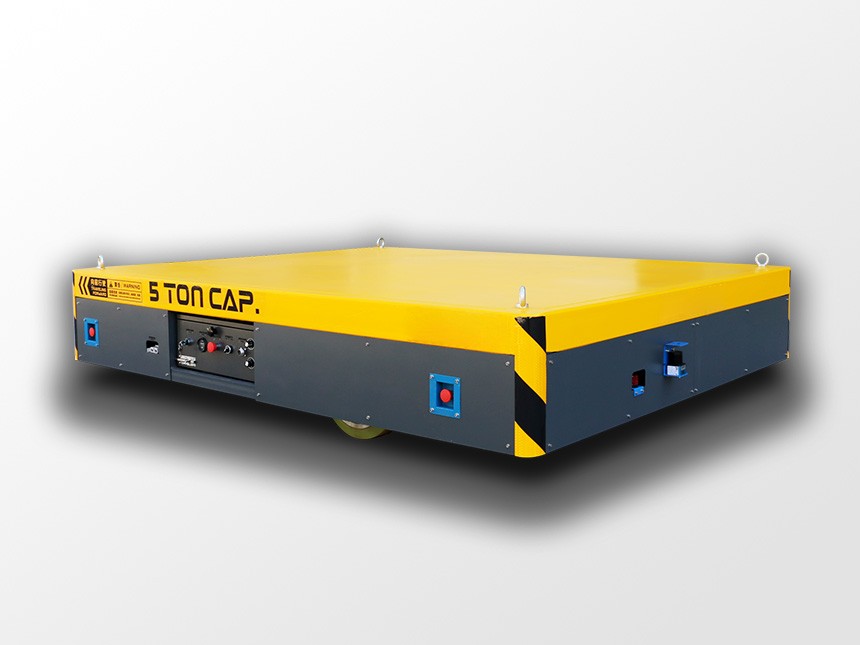
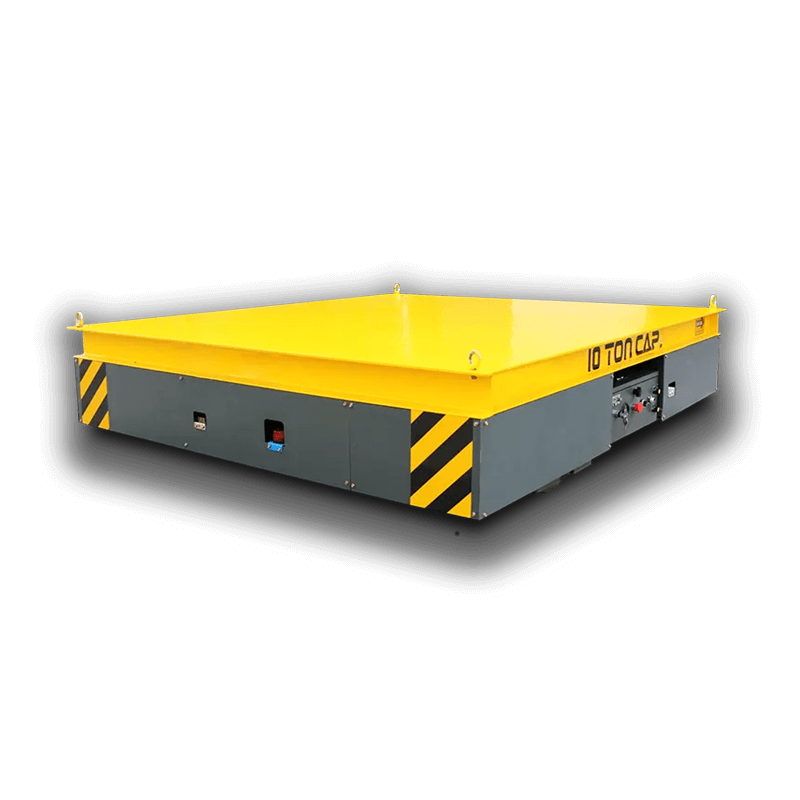
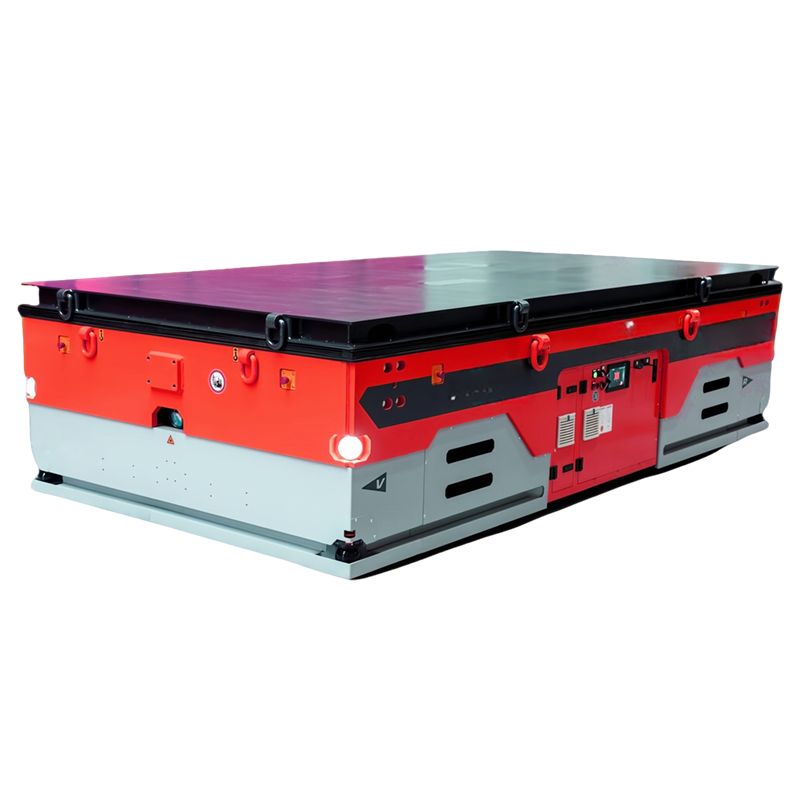
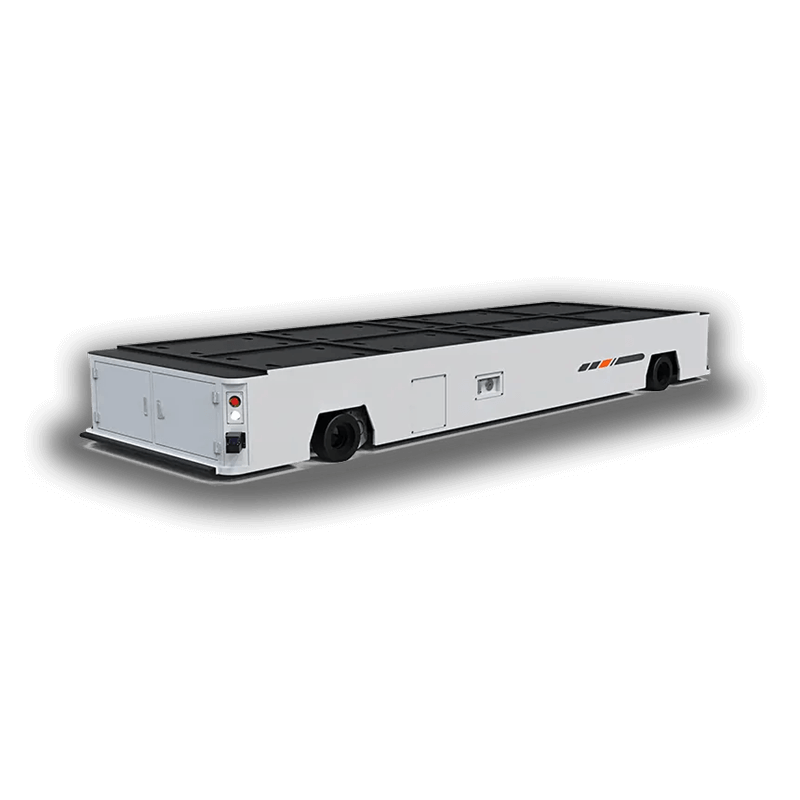
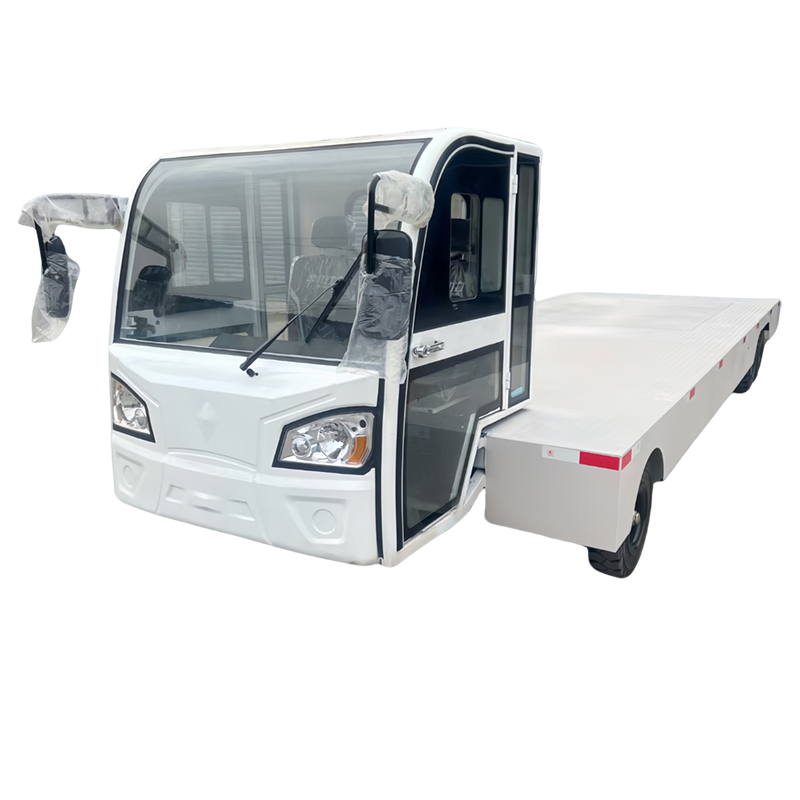
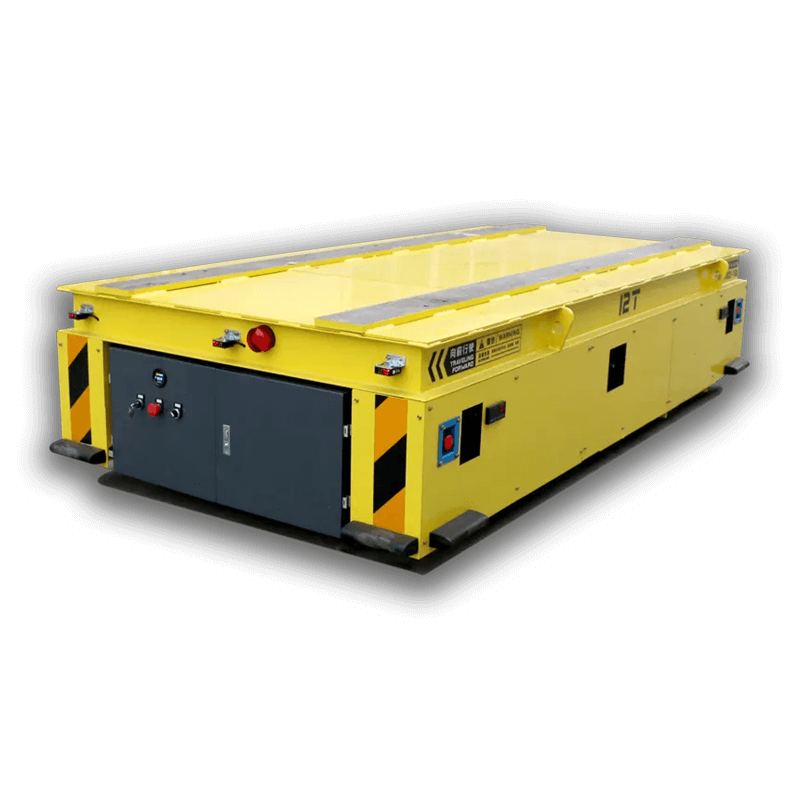
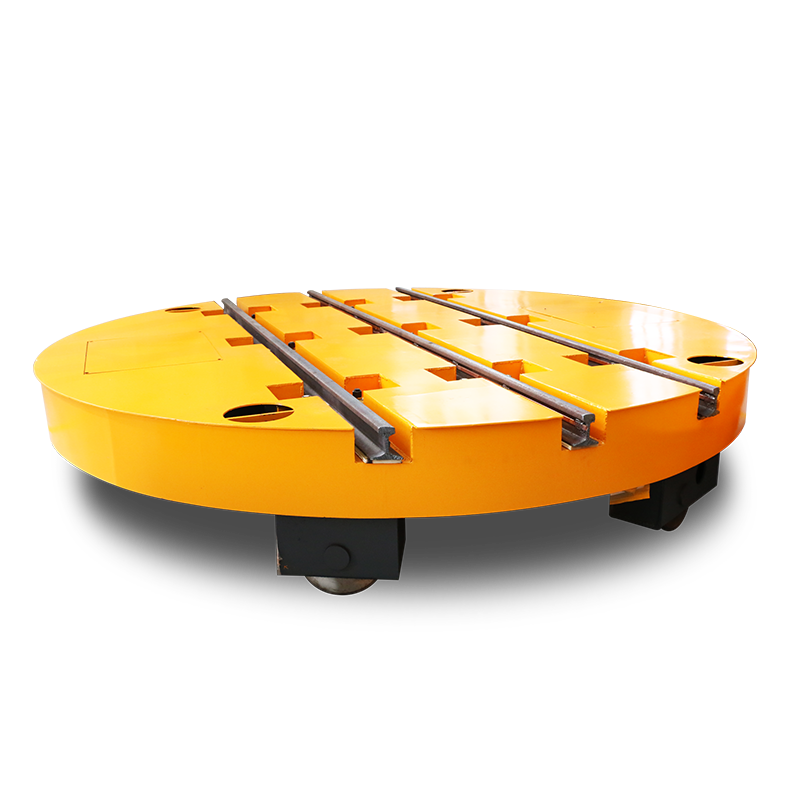
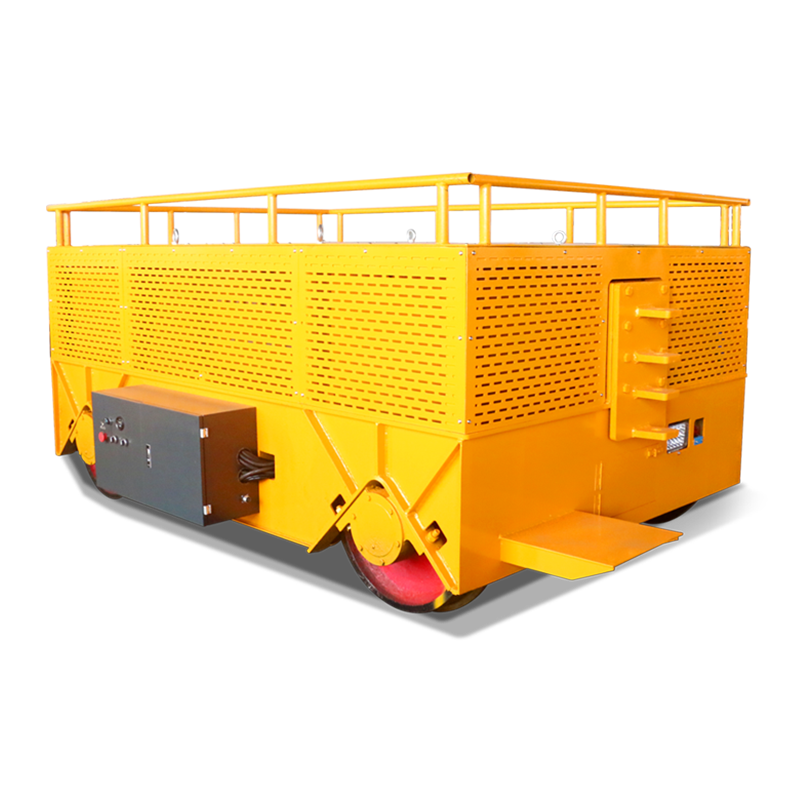
Consider this: a basic electric transfer cart with remote control handles material movement reliably across a factory floor. It doesn't need Wi-Fi, software updates, or IT support. It just works. In environments where uptime matters more than innovation headlines, that's a significant advantage.
Where Simple Solutions Shine
Material Handling on the Factory Floor
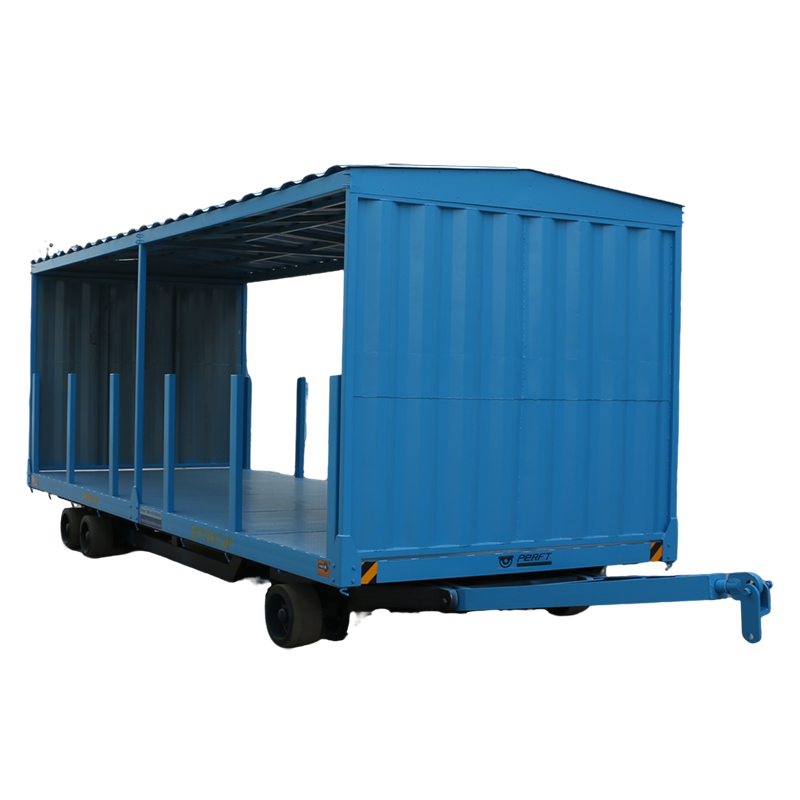
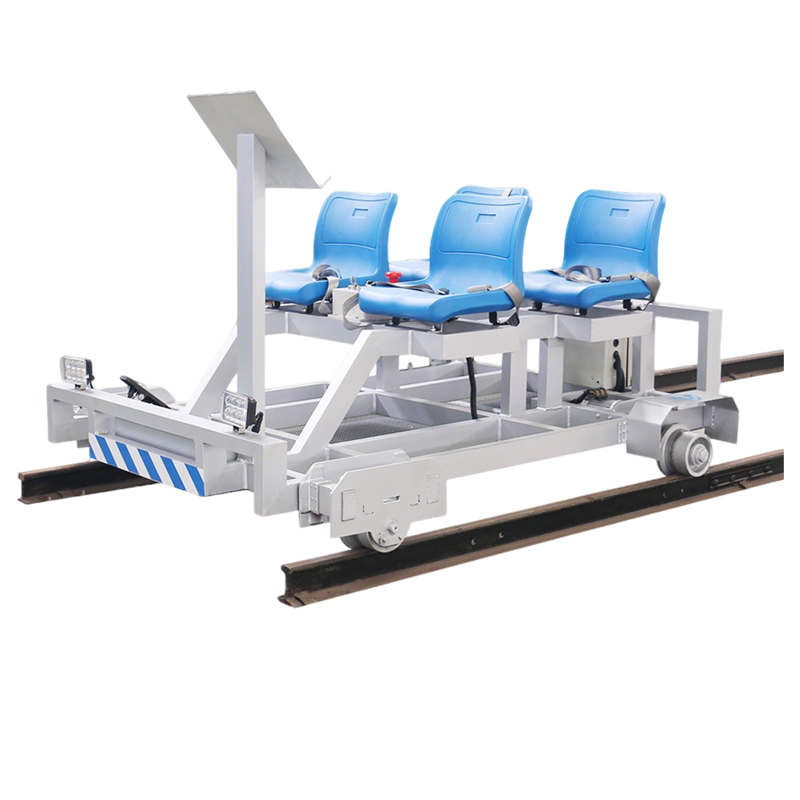
Moving heavy components between workstations doesn't always require autonomous navigation. A rail-guided or rail-less electric cart with straightforward controls gets the job done. These systems are easy to operate, quick to repair, and don't depend on network connectivity.
Factories in heavy industry — steel mills, foundries, shipyards — often prefer robust mechanical solutions over delicate electronic ones. Dust, heat, and vibration don't play well with sensitive sensors. Simple equipment thrives where complex systems struggle.
Production Line Feeding
Assembly lines need consistent material delivery. While fully automated conveyor systems with AGV integration look impressive, a well-designed cart-based feeding system delivers comparable reliability at a fraction of the cost. Plus, it's easier to reconfigure when production layouts change.
Workshop Internal Transport
In workshops with varied tasks and changing routes, fixed automation infrastructure becomes a limitation. Simple motorized carts offer flexibility without the overhead of reprogramming navigation systems. Workers can adapt routes on the fly, responding to real-world conditions rather than software constraints.
The Hidden Costs of Over-Engineering
Over-engineering isn't just about upfront costs. It creates ongoing burdens:
- Maintenance complexity — Advanced systems need specialized technicians. Simple equipment can be serviced by in-house maintenance teams.
- Training requirements — Operators need weeks to master complex automation interfaces. Basic controls take hours.
- Downtime risks — When a smart system fails, production stops until experts arrive. Mechanical systems are often repairable with standard tools.
- Upgrade cycles — Software-dependent equipment requires regular updates and eventual replacement. Mechanical solutions last decades with basic care.
These factors add up. A manufacturer might spend more on maintaining a sophisticated system than they would have spent on a simpler alternative over its entire lifecycle.
Smart Factories Need Smart Choices, Not Just Smart Tech
The smartest factory isn't the one with the most technology — it's the one that applies technology where it matters and uses proven methods everywhere else. This hybrid approach is gaining traction among experienced operations managers.
Here's what this looks like in practice:
- High-value processes get advanced automation — precision assembly, quality inspection, inventory tracking.
- Routine material movement uses reliable mechanical systems — electric carts, conveyors, manual handling where appropriate.
- Data collection focuses on critical metrics rather than monitoring everything.
This approach reduces capital expenditure, simplifies maintenance, and keeps operations running smoothly. It also makes scaling easier — adding another electric cart is faster and cheaper than integrating another autonomous vehicle into a fleet management system.
Real-World Examples
Steel manufacturers have used rail-guided transfer carts for decades. These systems move molten metal, heavy coils, and finished products through extreme environments. They don't need SLAM navigation or AI pathfinding. They need robust frames, reliable motors, and simple controls. And they deliver — day after day, year after year.
Paper mills face similar conditions: humidity, dust, and continuous operation demands. Electric platform carts with basic remote control handle roll transport and warehouse movement without the vulnerabilities of more complex systems. When a cart needs maintenance, any qualified technician can handle it. There's no waiting for a software engineer.
When to Choose Simple Over Smart
Simple solutions make the most sense when:
- The task is straightforward and repetitive
- The environment is harsh or unpredictable
- Skilled technical staff is limited
- Budget constraints favor capital efficiency
- Flexibility and quick reconfiguration matter more than full automation
- Uptime reliability is more important than optimization
These conditions describe a significant portion of industrial operations worldwide. Not every factory is a showcase for Industry 4.0 — and that's perfectly fine.
Conclusion: Balance Is the Real Innovation
Smart factories are the future, but simple solutions remain the backbone of industrial operations. The key is knowing when to invest in advanced technology and when to rely on proven, straightforward equipment.
For manufacturers, the best strategy is often a balanced portfolio: strategic automation for high-impact processes, reliable mechanical systems for routine tasks. This approach delivers the benefits of modernization without the burdens of over-complexity.
After all, the goal isn't to build the most technologically impressive factory. It's to build one that produces quality products efficiently, reliably, and profitably. Sometimes, the simplest path gets you there fastest.