
 English
 简体中文
简体中文
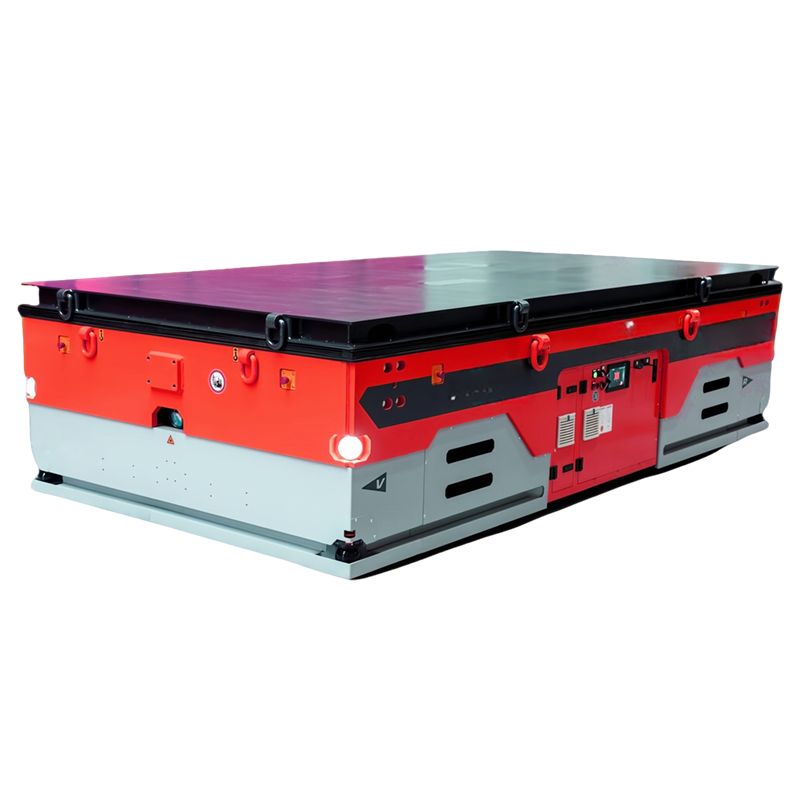
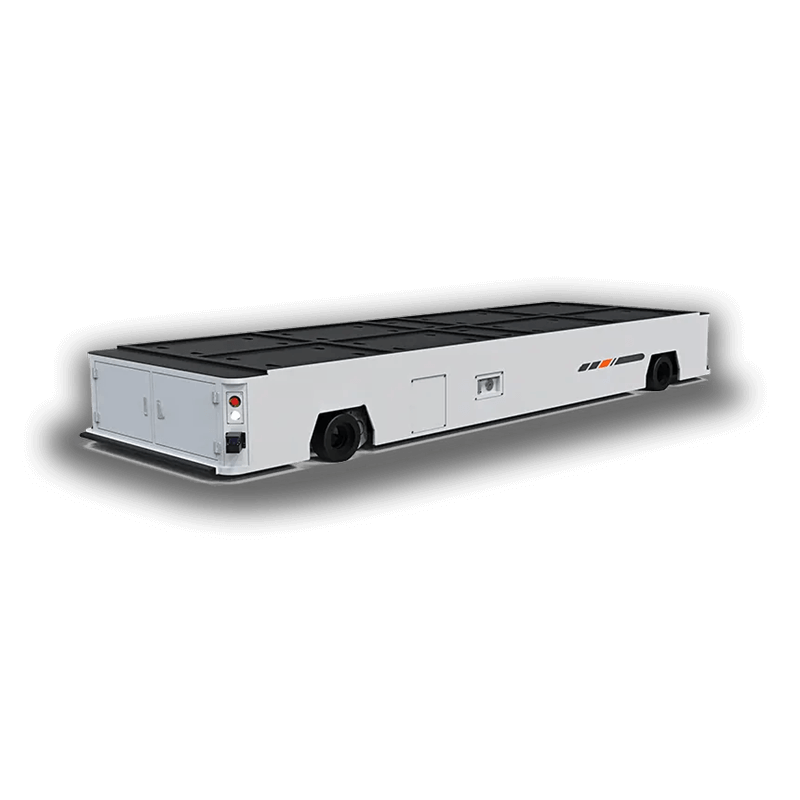
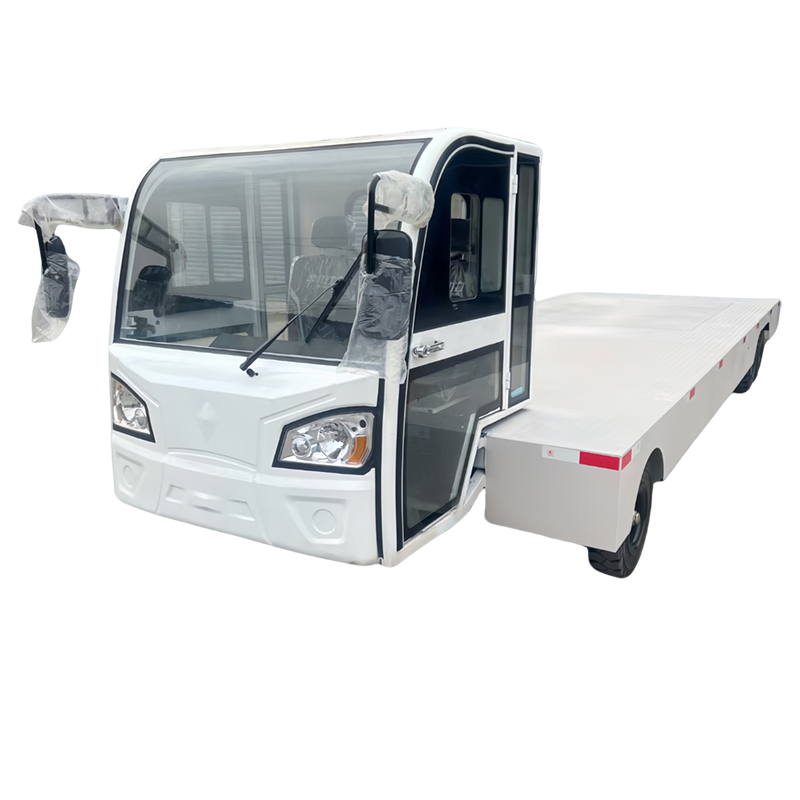
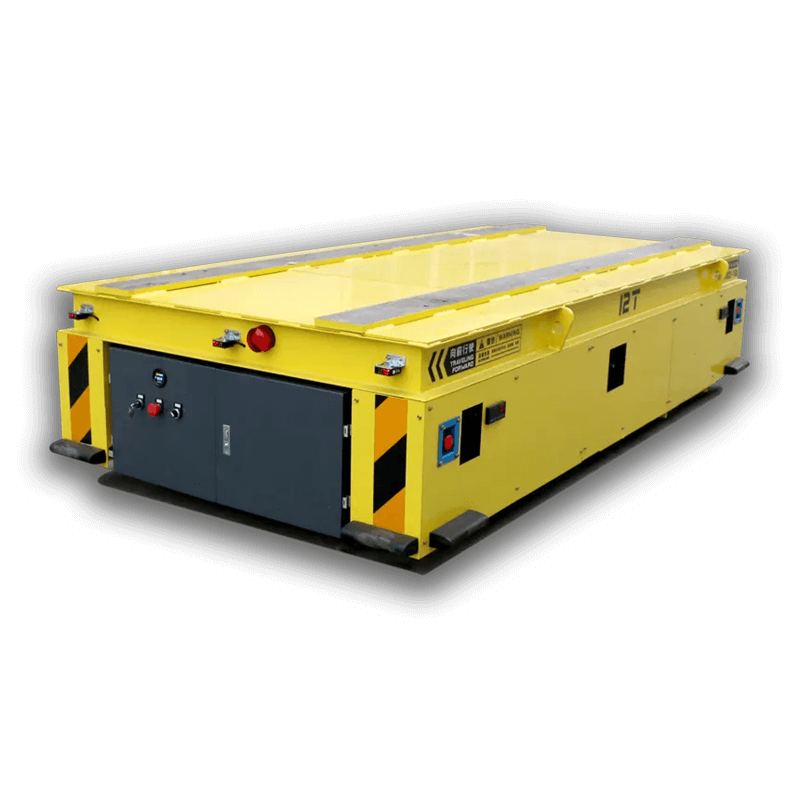
Electric platform carts might look simple from the outside — a flat deck, some wheels, and a motor. But underneath that straightforward appearance sits a carefully engineered system where every component affects performance, reliability, and total cost of ownership. Understanding these parts helps you evaluate suppliers, troubleshoot problems, and specify the right cart for your application.
Frame and Deck Structure
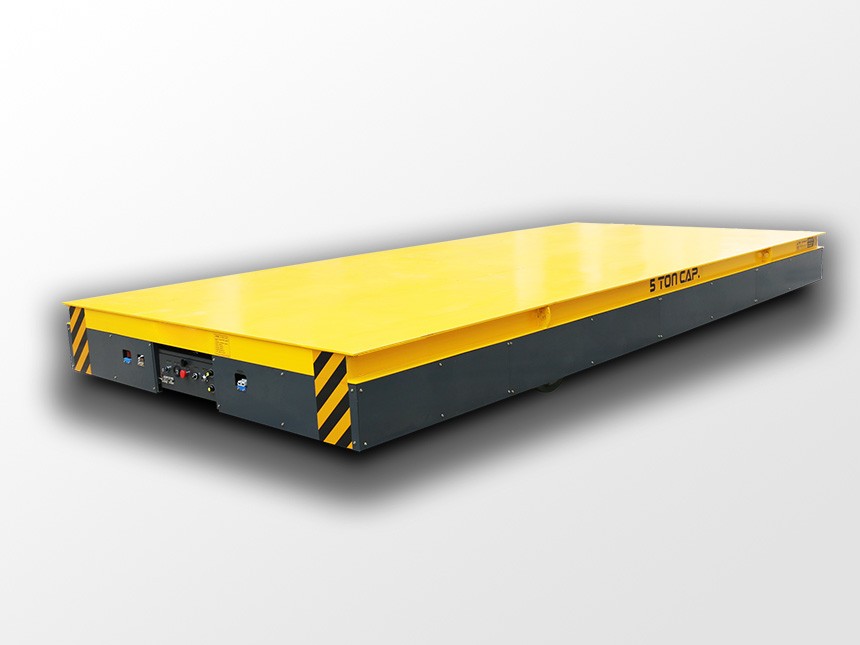
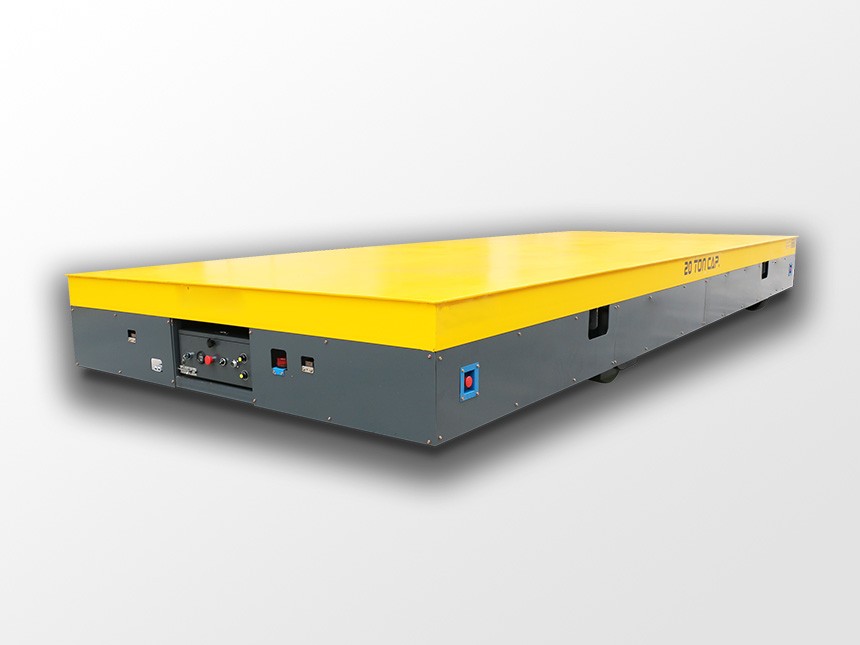
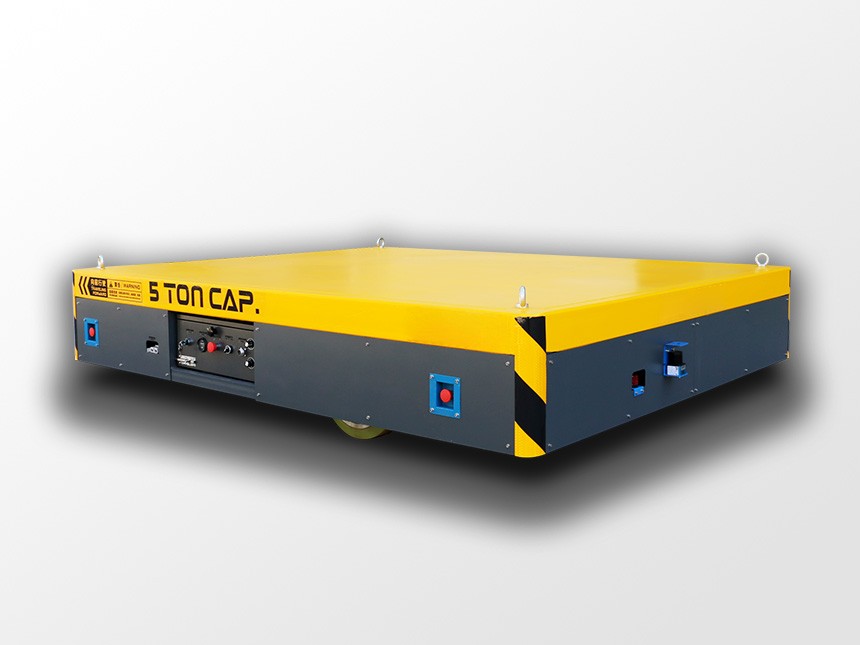
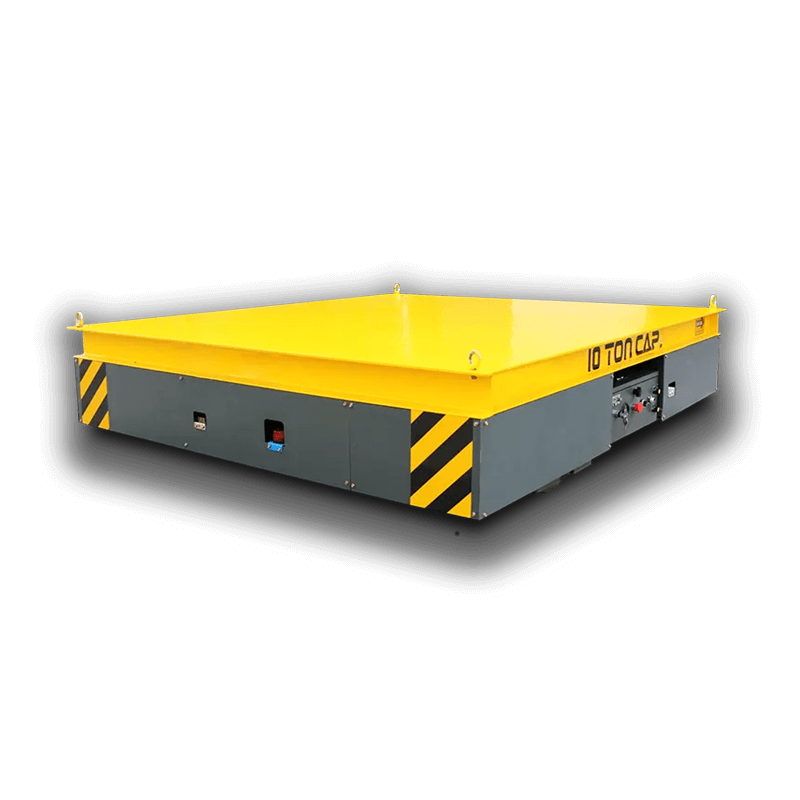
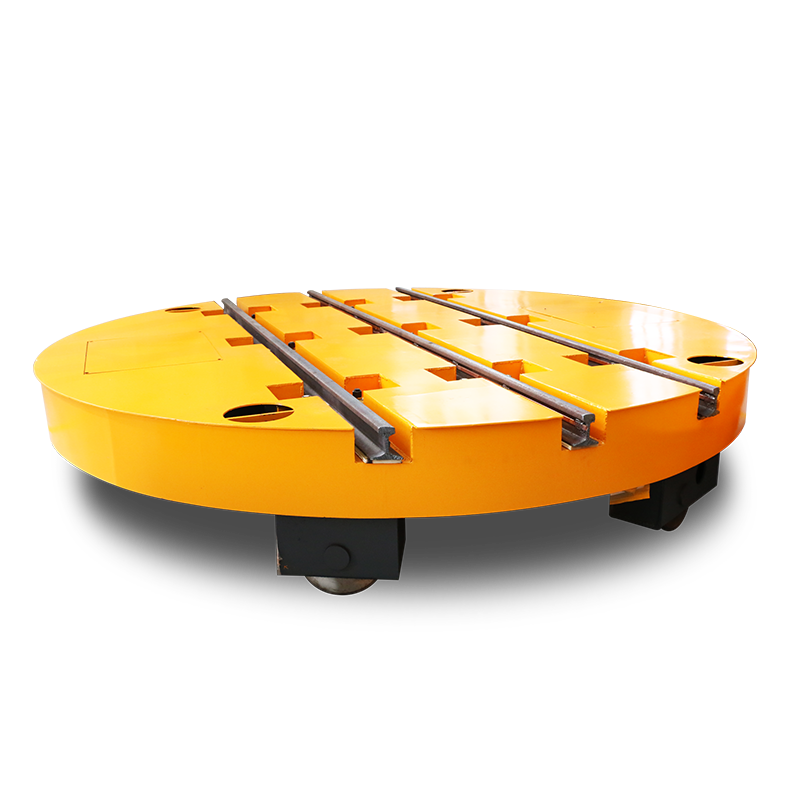
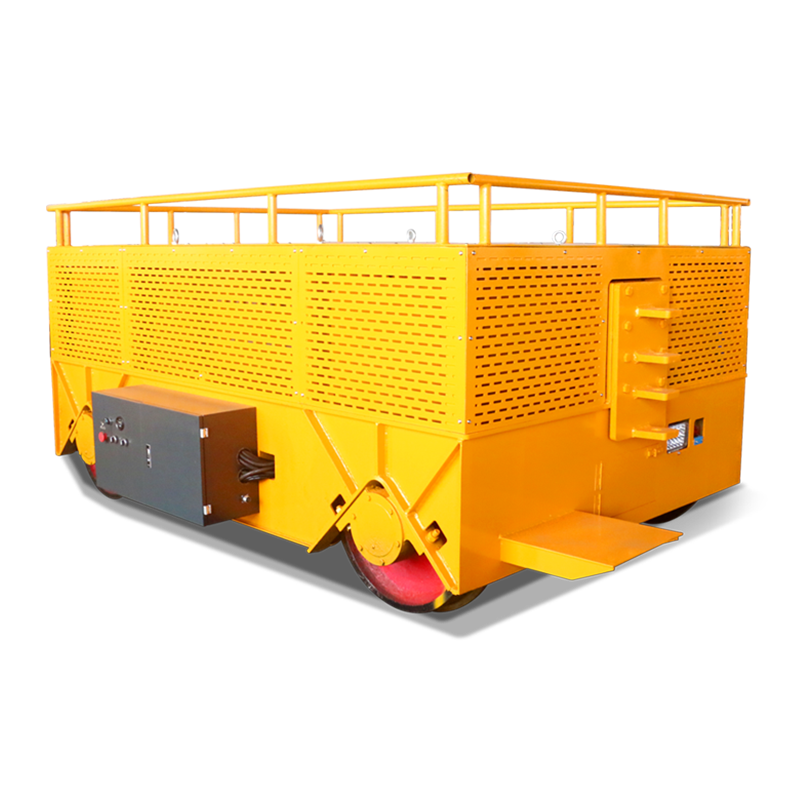
The frame carries everything else. Most industrial electric platform carts use welded steel box-section construction, with deck plates thick enough to handle concentrated loads without deflection. The key detail isn't just material thickness — it's how the load distributes through the frame to the wheel mounts.
Poor frame design creates stress concentrations that crack over time, especially under shock loads or when operators drive over floor joints. Look for reinforced corners, gusseted joints, and a deck that sits flat under rated load without visible bowing.
Surface treatments matter too. Powder coating beats paint for durability in industrial environments. In corrosive settings — chemical plants, coastal facilities — hot-dip galvanizing or specialized coatings extend service life significantly.
Drive System
Motor and Gearbox
The drive motor converts electrical energy into mechanical motion. DC motors dominate smaller and mid-range carts because of their simple control characteristics and lower cost. AC induction motors appear in heavier-duty applications where continuous operation and minimal maintenance matter.
Here's what most spec sheets don't tell you: the motor rating alone means little. A 2 kW motor with poor thermal design overheats under repeated start-stop cycles. What matters is the duty cycle rating — S2 (short-time), S3 (intermittent periodic), or S1 (continuous). For factory applications with frequent stops, S3 rating at 40-60% is typical.
The gearbox reduces motor speed to wheel speed while multiplying torque. Worm gear drives are common for their high reduction ratios and self-locking feature (the cart won't roll backward on slopes). Planetary gearboxes offer higher efficiency and compact size but cost more. Helical or spur gear arrangements sit in between.
Gearbox failures usually trace to lubrication issues or shock overloads. Sealed, maintenance-free units save labor but make oil changes impossible. Open units need scheduled maintenance. There's no universal right answer — it depends on your maintenance capacity and operating intensity.
Wheel and Axle Assembly
Wheels transfer power to the floor and carry the load. Polyurethane wheels dominate indoor applications for their quiet operation, floor protection, and good traction. Cast iron or steel wheels handle extreme loads and high temperatures but damage floors and create noise.
The critical parameter isn't just wheel diameter — it's load per wheel and the contact patch geometry. A 500 mm wheel carries more load than a 300 mm wheel, but it also needs more mounting height and turning radius. For rail-guided carts, V-groove or flanged wheels engage the track precisely. For rail-less carts, dual-wheel or differential drive configurations determine maneuverability.
Wheel bearings take constant abuse. Tapered roller bearings handle heavy radial and axial loads. Deep-groove ball bearings work for lighter applications. Sealed bearings keep contaminants out but trap heat. Again, trade-offs everywhere.
Power System
Battery Technology
Batteries are the energy reservoir, and their characteristics define operational range, charging time, and lifecycle cost.
Lead-acid batteries remain common because they're cheap, proven, and easy to source. Flooded types need water topping and ventilated charging areas. AGM (absorbed glass mat) and gel variants are maintenance-free but cost more and are less tolerant of deep discharge.
Lithium iron phosphate (LiFePO4) batteries are gaining ground fast. They charge faster, last 3-5 times longer than lead-acid, maintain consistent voltage through discharge, and don't need maintenance. The upfront cost is 3-4x higher, but total lifecycle cost often works out lower when you factor in replacement intervals, labor, and downtime.
Battery capacity is specified in ampere-hours (Ah) at a specific discharge rate (usually C5 or C20). A 200 Ah battery at C5 delivers 200 Ah over 5 hours. At faster discharge rates, actual capacity drops. Spec your battery for your duty cycle, not just a headline number.
Battery Management System (BMS)
The BMS monitors cell voltages, temperatures, and current flow. It prevents overcharge, over-discharge, and thermal runaway. In lithium systems, the BMS is mandatory for safety. In lead-acid systems, a basic charger with voltage cutoff often suffices.
A good BMS also tracks cycle count and state of health, giving you early warning when capacity degrades. This data is valuable for predictive maintenance planning.
Charging System
Chargers convert AC power to DC at the voltage and current profile the battery needs. Smart chargers adjust charging phases — bulk charge, absorption, float — based on battery state. Opportunity charging (topping up during short breaks) works with lithium batteries but shortens lead-acid life.
Charging infrastructure location matters. Central charging stations need dedicated space and ventilation. On-board chargers plug into standard outlets but charge slower. Fast chargers reduce downtime but stress batteries more.
Control System
Controller Unit
The controller is the cart's brain. It processes operator inputs (from a pendant, remote control, or onboard panel), manages motor speed and direction, monitors safety systems, and handles fault conditions.
Modern controllers use microprocessor-based designs with programmable parameters — acceleration ramps, maximum speed, braking profiles, and current limits. This programmability lets manufacturers tune cart behavior to specific applications without hardware changes.
Communication interfaces vary. Basic carts use simple analog or digital I/O. More advanced units offer CAN bus, Modbus, or Ethernet for integration with factory systems. If you're connecting carts to a central control system, verify protocol compatibility early.
Remote Control System
Remote-controlled carts use radio frequency (RF) or infrared (IR) links. RF dominates industrial applications for its range and immunity to line-of-sight obstructions. Typical systems operate at 433 MHz or 2.4 GHz, with frequency hopping to avoid interference.
Control range varies from 50 meters to 200 meters depending on the environment and antenna configuration. Metal structures and electrical equipment create dead zones. Test range in your actual facility before committing.
Emergency stop functions must be hardwired and independent of the main control channel. A lost signal should trigger automatic braking, not continued operation.
Braking System
Electric platform carts use several braking methods:
Regenerative braking — The motor acts as a generator, converting kinetic energy back to electrical energy. This reduces mechanical brake wear and extends range. Most effective at higher speeds.
Electromechanical brakes — Spring-applied, electrically released disc or drum brakes. These engage automatically when power is lost, providing fail-safe stopping. They're the standard for safety-critical applications.
Mechanical parking brakes — Manual or pneumatic brakes for stationary holding on slopes. Usually supplementary to the main braking system.
Brake sizing depends on loaded weight, maximum speed, and required stopping distance. On slopes, the brake must hold the full load against gravity. Don't underestimate this — brake failure on an incline with a heavy load is catastrophic.
Safety Systems
Beyond brakes, safety features include:
Emergency stop buttons — Hardwired, latching, and prominently located. Multiple buttons at different positions ensure access from any operating position.
Bumper switches — Mechanical switches on the cart perimeter that trigger emergency stop on contact. Simple, reliable, and mandatory for autonomous or semi-autonomous operation.
Warning devices — Horns, lights, and beepers that activate during movement. Flashing amber lights improve visibility in busy facilities.
Speed limiters — Programmable maximum speeds for different zones. Pedestrian areas get lower limits than open transport corridors.
Conclusion
Every component in an electric platform cart represents an engineering decision with trade-offs between cost, performance, and durability. The motor that looks identical on two spec sheets might have very different thermal characteristics. The battery with the same Ah rating might deliver half the usable cycles.
When evaluating carts, dig past the headline specifications. Ask about duty cycle ratings, BMS features, gearbox types, and brake holding capacity. The best cart isn't the one with the highest numbers — it's the one where every component matches your actual operating conditions.