
 English
 简体中文
简体中文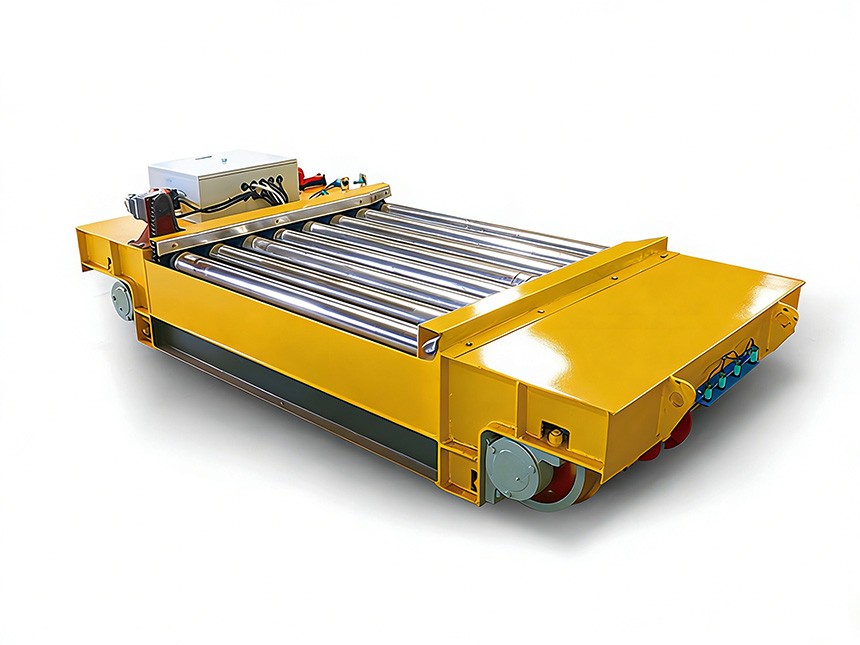
Why Lead Time Matters for Electric Transfer Carts
When you're planning a factory upgrade or replacing aging material handling equipment, lead time isn't just a number on a quote. It's the difference between hitting your production schedule and watching forklifts do overtime for another three months. Electric transfer carts aren't shelf products — they're built to order, and that build process has real implications for your timeline.
Here's the thing: most buyers underestimate how long it takes from PO to delivery. A standard cart might ship in 4–6 weeks. A custom unit with special load capacity, explosion-proof features, or integrated lifting? You're looking at 8–12 weeks, sometimes longer. And that's before shipping.
What Drives Lead Time
Standard vs. Custom Configuration
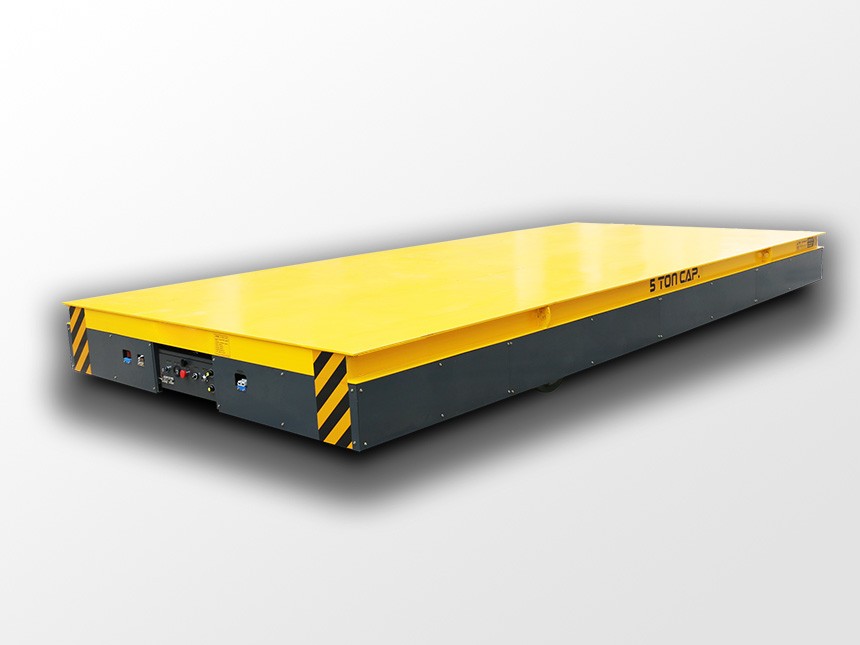
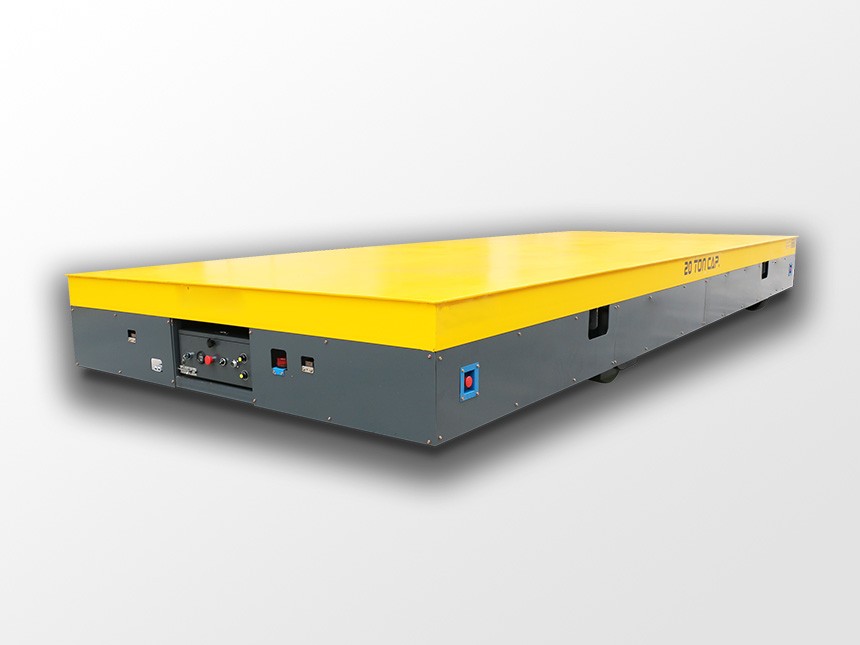
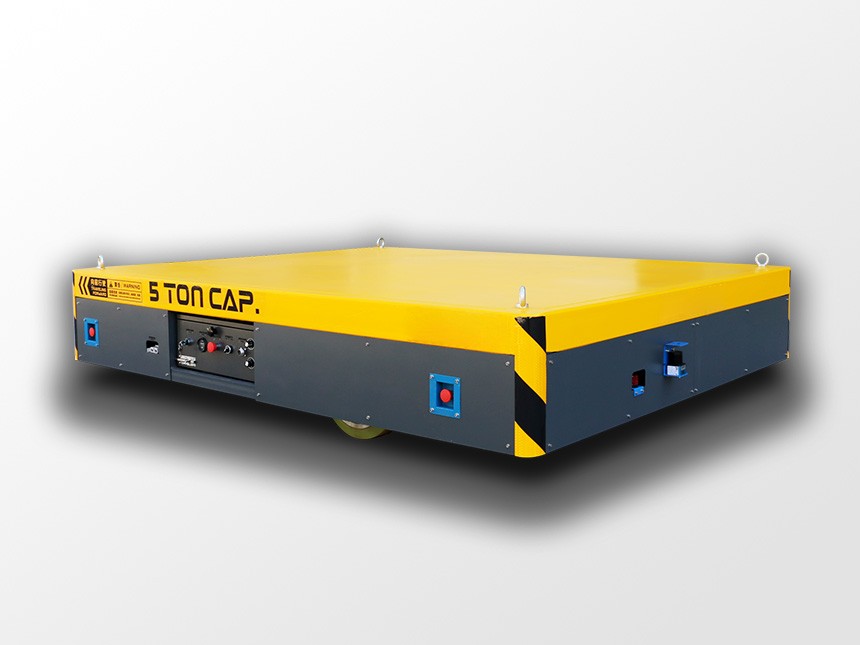
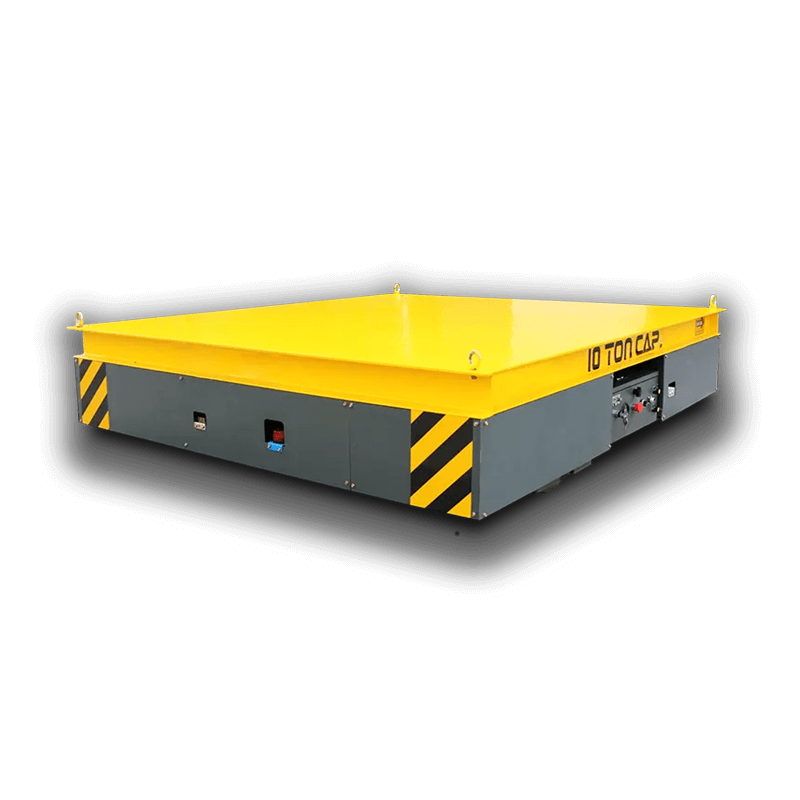
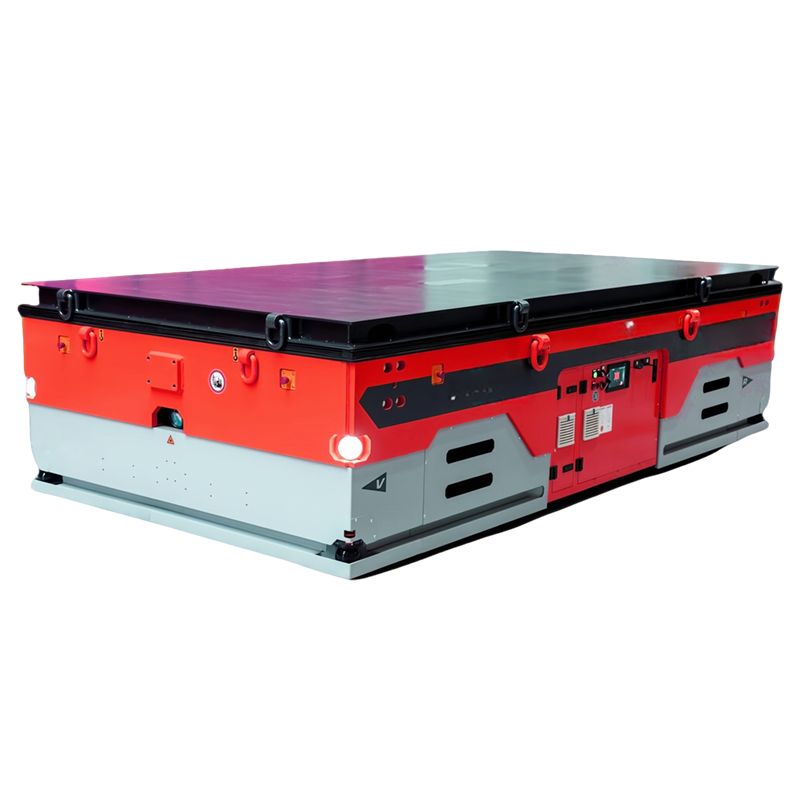
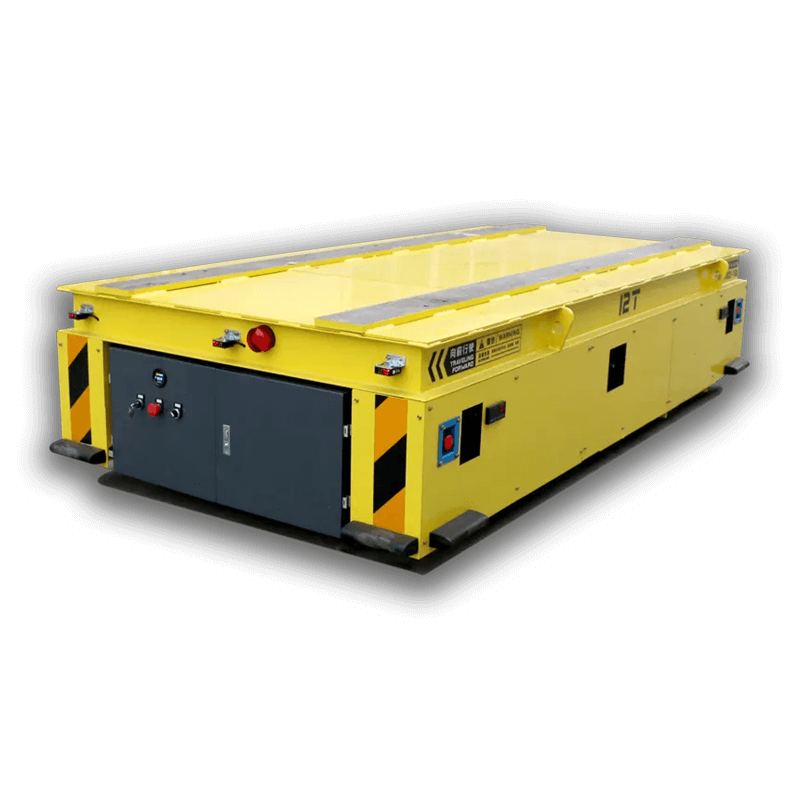
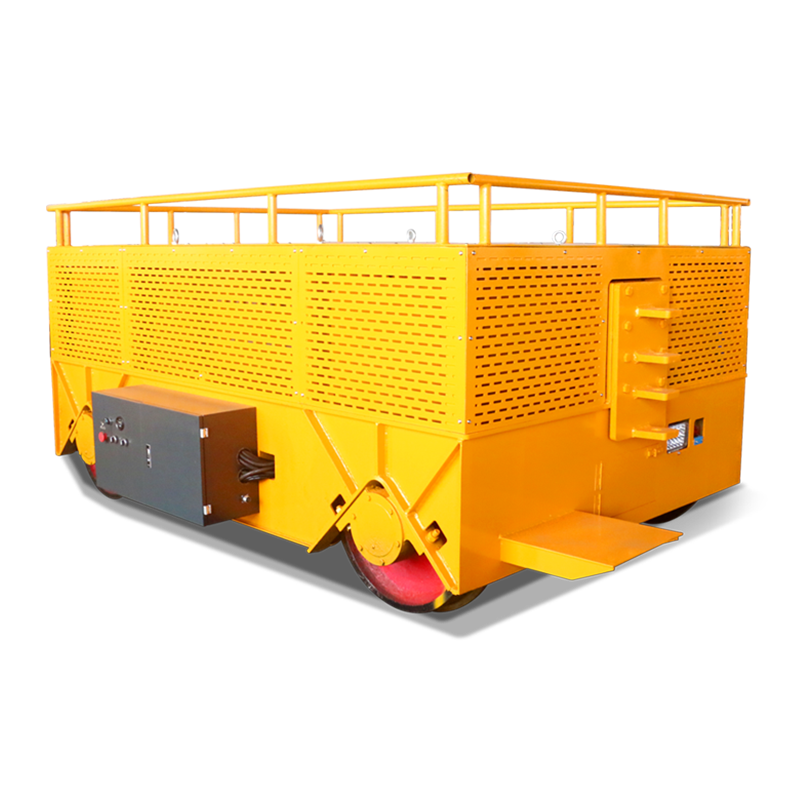
Off-the-shelf models — think 10-ton flatbed with basic remote control — move through production faster. The steel frame is standard, the motor is stocked, and the control system is pre-programmed. But once you start changing dimensions, adding V-decks for coil handling, or requesting specific battery chemistries, every change adds engineering time.
For example, a client last year needed a cart with a 45-ton capacity and a special low-profile design to fit under existing fixtures. Engineering review alone took two weeks. Production? Another ten. Standard units don't need that level of scrutiny.
Material Availability and Steel Prices
Steel plate, channel steel, and structural tubing are the backbone of these carts. When steel prices spike or supply chains tighten, raw material lead times extend. Reputable manufacturers buffer this with inventory, but smaller shops may wait for material before they even cut the first frame piece.
Component Sourcing
Motors, reducers, remote control systems, and batteries don't always come from the same supplier. If a specific motor brand is backordered, or a battery pack needs custom certification, the whole assembly line waits. Smart manufacturers keep critical components in stock. It's worth asking about this before you sign.
Delivery and Shipping Considerations
Most electric transfer carts ship by sea freight for overseas orders, or by truck for domestic delivery. Sea freight adds 3–5 weeks depending on the port and destination. Trucking is faster but limited by road regulations — oversized carts need special permits and routing.
Packaging matters too. These aren't Amazon boxes. Heavy-duty carts ship on steel frames with protective wrapping. Disassembly for shipping (removing wheels, separating the deck) can reduce freight costs but adds reassembly time on your end. Clarify who's handling what before the truck arrives.
How to Plan Your Procurement Timeline
Start with your go-live date and work backward. If you need the cart operational by March 1st:
- Week -16: Issue RFQ, evaluate suppliers
- Week -14: Place PO, confirm technical drawings
- Week -12 to -4: Production and testing
- Week -4 to -2: Shipping and customs clearance
- Week -2 to 0: Unloading, installation, commissioning
That sixteen-week runway isn't conservative — it's realistic. And it assumes nothing goes wrong.
Questions to Ask Your Supplier
Don't just ask "how long?" Ask specifics:
- What's your current production backlog?
- Are the motors and batteries in stock or made-to-order?
- Who handles shipping arrangements — you or us?
- What's included in commissioning and training?
- What's your track record for on-time delivery?
The last one matters more than you think. A supplier who consistently ships two weeks late isn't just annoying — they're costing you money.
Conclusion
Lead time for electric transfer carts isn't a mystery, but it's also not a fixed number. Standard units move fast. Custom builds take time. Shipping adds another layer. The buyers who plan well, ask the right questions, and build buffer into their schedules are the ones who get their equipment when they actually need it.