
 English
 简体中文
简体中文
Why Off-the-Shelf Equipment Often Falls Short
Most factories run into the same problem. They buy standard equipment, install it, and then spend months trying to make it fit their workflow. The cart is too wide for the aisle. The load capacity is either overkill or dangerously close to the limit. The battery dies mid-shift because the charging schedule doesn't match the production rhythm.
Here's the thing — every factory floor has its own personality. Ceiling height, floor condition, load dimensions, shift patterns, and integration with existing conveyors all matter. A tailored approach starts with these realities, not a catalog page.
What "Tailored" Actually Means in Practice
Customization isn't about adding chrome trim. It's about engineering the equipment to match the job. Let's look at what typically gets adjusted.
Load Platform Dimensions
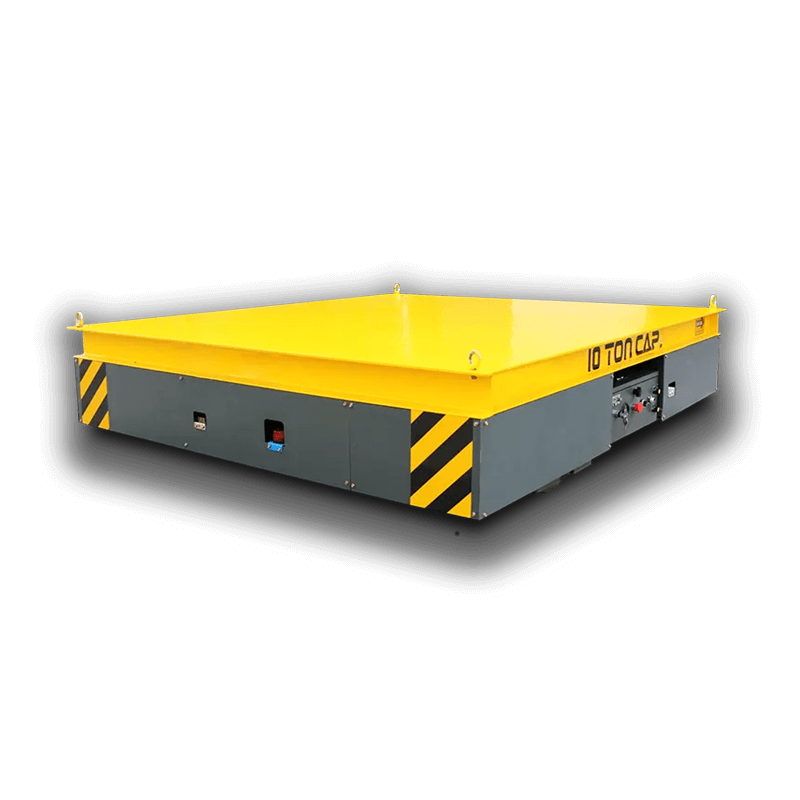
A steel coil and a plastic mold share nothing in common except that both need to move. The platform length, width, and deck height are sized to the actual load. V-deck supports, flat steel surfaces, or roller integrations are selected based on what sits on top.
Power and Range Configuration
Battery capacity isn't a guessing game. It's calculated from travel distance per cycle, number of cycles per shift, and available charging windows. Some operations need lithium batteries for fast opportunity charging. Others run fine on lead-acid with overnight charging. The wrong choice means downtime you can't afford.
Control and Navigation
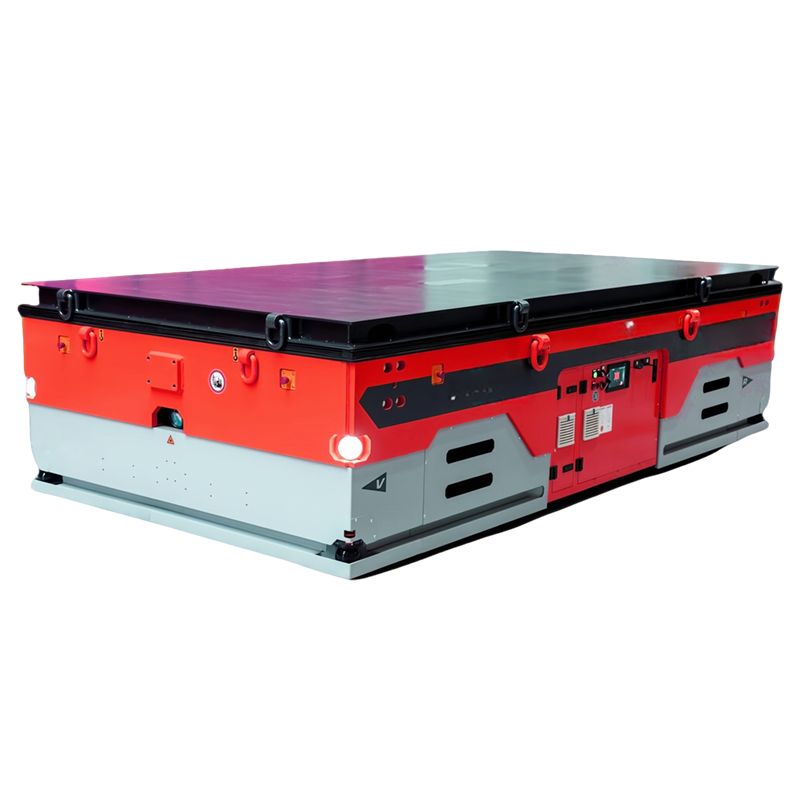
Not every factory needs full AGV automation. Remote control via pendant or radio works well for irregular routes. For repetitive loops, magnetic or laser guidance makes sense. The tailored solution picks the control level that matches the task complexity — no more, no less.
Environmental Hardening
Foundries, paint shops, and cold storage facilities each throw different challenges. Heat shields, explosion-proof motors, or low-temperature lubricants aren't optional upgrades. They're requirements for the equipment to survive its own workday.
How the Design Process Works
A proper tailored solution starts with a site survey, not a purchase order. Engineers walk the floor, measure clearances, document load types, and interview operators. This isn't bureaucracy — it's how you avoid a cart that can't turn around at the end of the aisle.
From there, a technical proposal outlines dimensions, capacity, power system, controls, and safety features. The factory reviews it, suggests adjustments, and the design is finalized. Lead times are typically longer than standard equipment, but the payoff is equipment that works on day one instead of month three.
Common Mistakes When Ordering Custom Equipment
Even with good intentions, buyers trip over the same issues. They specify the load weight but forget the dynamic forces during acceleration. They plan for today's production volume but ignore next year's expansion. Or they assume the floor is flat enough without checking actual elevation variation.
Another frequent error is treating the cart as an isolated purchase. In reality, it needs to interface with cranes, conveyors, dock levelers, and storage racks. If the deck height doesn't match the conveyor, you've bought a very expensive paperweight.
When Tailored Solutions Pay Off
The investment makes sense when standard equipment creates friction. High-value loads that can't risk damage. Tight spaces where every inch matters. Production lines where downtime costs thousands per hour. Or environments where off-the-shelf motors simply fail.
In these cases, the extra engineering time and cost are recovered quickly through reduced damage, fewer delays, and longer equipment life. The cart isn't just moving material — it's protecting throughput.
Getting Started
If you're evaluating a tailored material handling solution, start with your actual workflow. Map the route, time the cycles, measure the loads, and note the environmental conditions. Bring this data to a manufacturer who builds to order, not just to stock. The difference in results is usually the difference between a tool that fits and one that fights you every day.