
 English
 简体中文
简体中文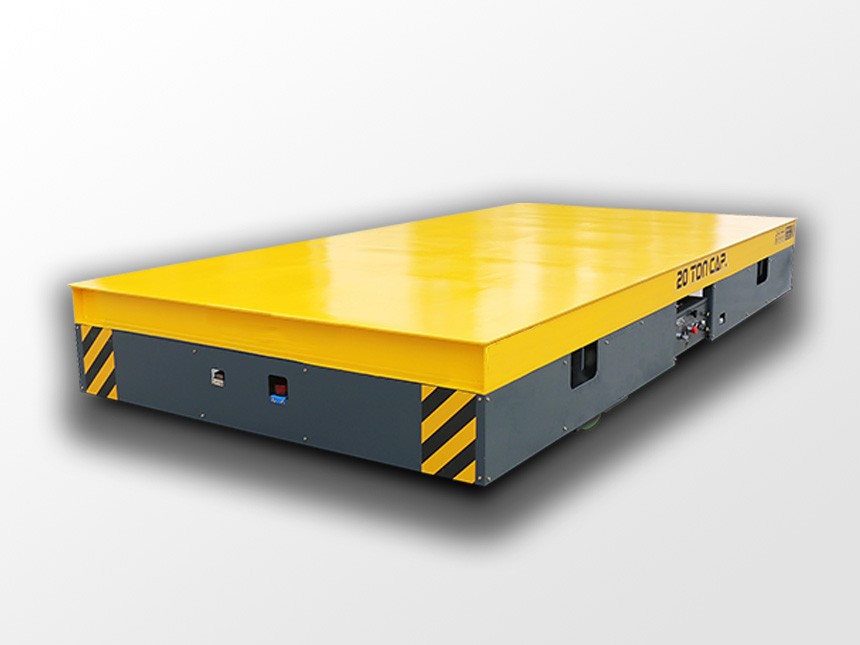
Introduction
Power plants operate under some of the most demanding conditions in industrial material handling. High temperatures, heavy components, and strict safety protocols create an environment where conventional transport methods often fall short. Electric transfer carts have emerged as a practical solution for moving heavy equipment, spare parts, and maintenance materials within power generation facilities. Here's how these systems are applied in real power plant operations, what engineering decisions matter, and the benefits they actually deliver.
Operational Challenges in Power Plant Material Handling
Power plants handle exceptionally heavy loads on a daily basis. Turbine rotors, generator components, boiler sections, and transformer parts can weigh tens of tons. Moving these items through narrow corridors, across different floor levels, and into tight maintenance bays requires precision that manual methods simply can't provide consistently.
Safety is another critical factor. Power plants operate under strict regulatory frameworks where any incident can trigger shutdowns, inspections, and significant financial penalties. Traditional forklift operations in these environments introduce risks — limited visibility in tight spaces, potential for collisions with critical infrastructure, and operator fatigue during long shifts.
Environmental conditions add further complexity. Many areas within power plants experience elevated temperatures, exposure to dust and particulates, and limited ventilation. Standard material handling equipment often requires frequent maintenance or fails prematurely under these conditions.
Transfer Cart Solutions for Power Plant Applications
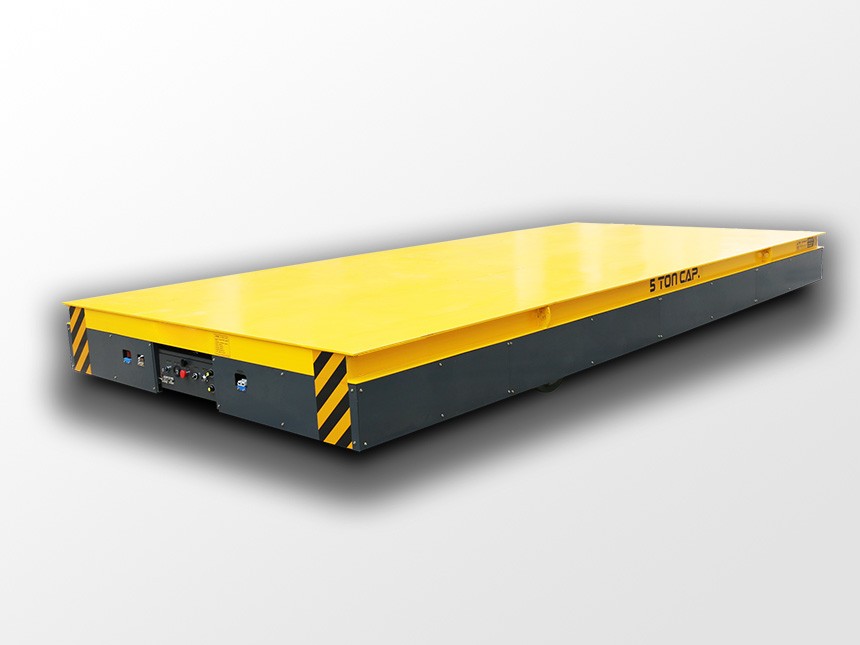
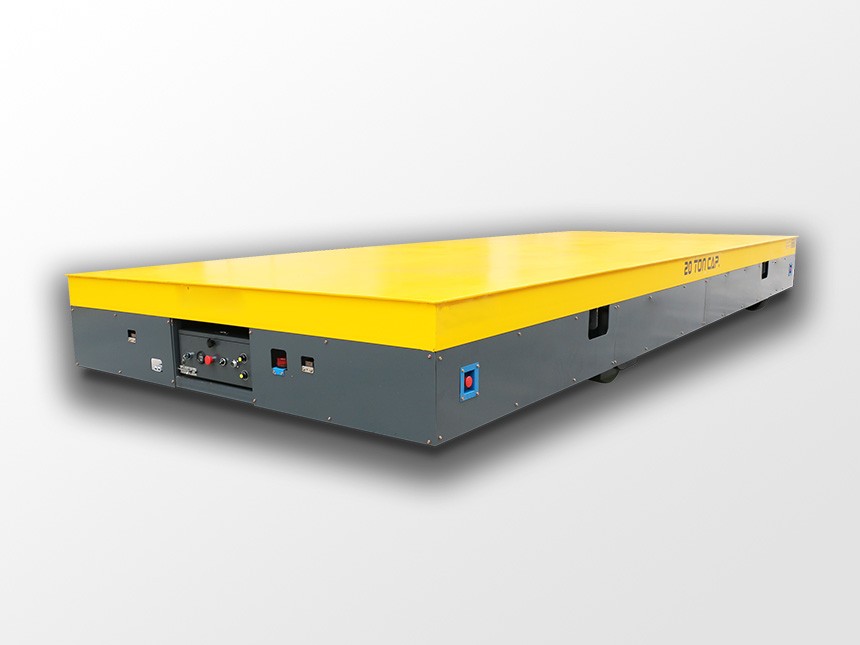
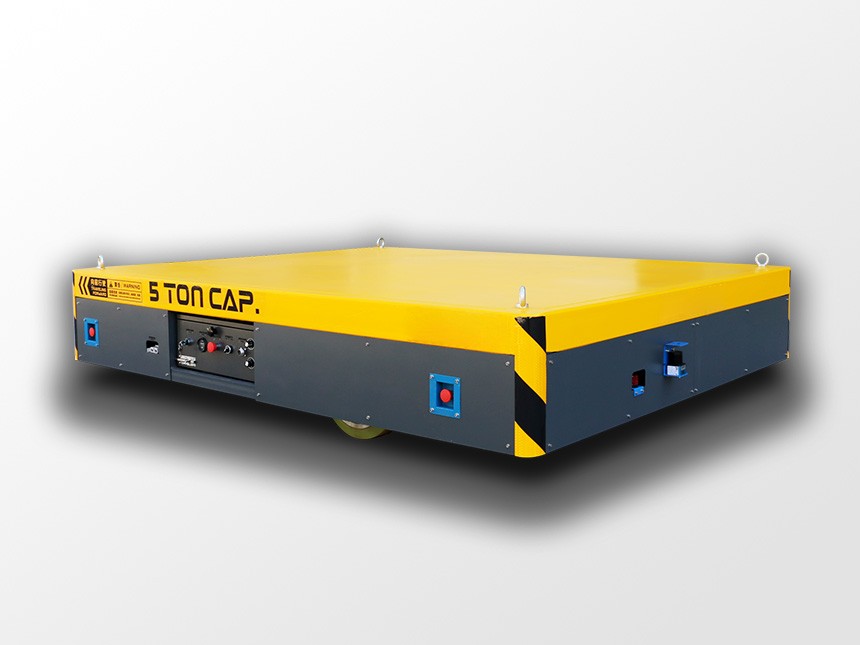
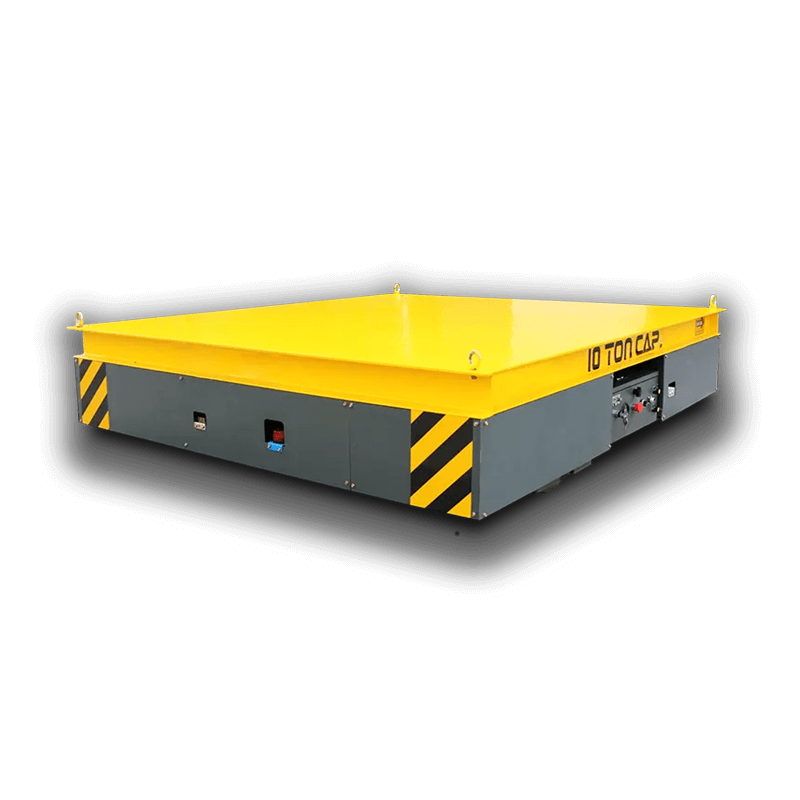
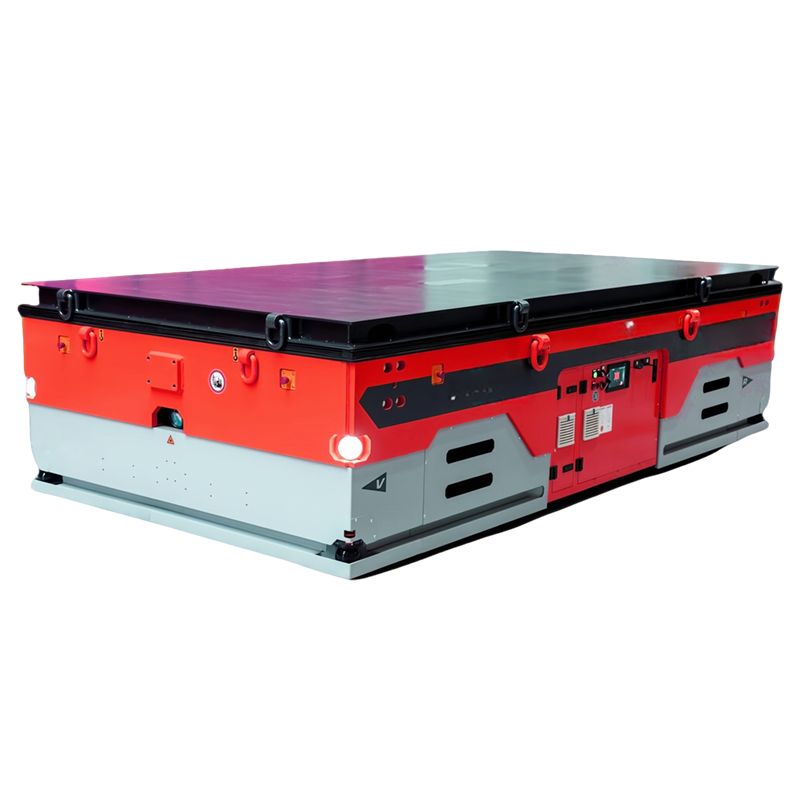
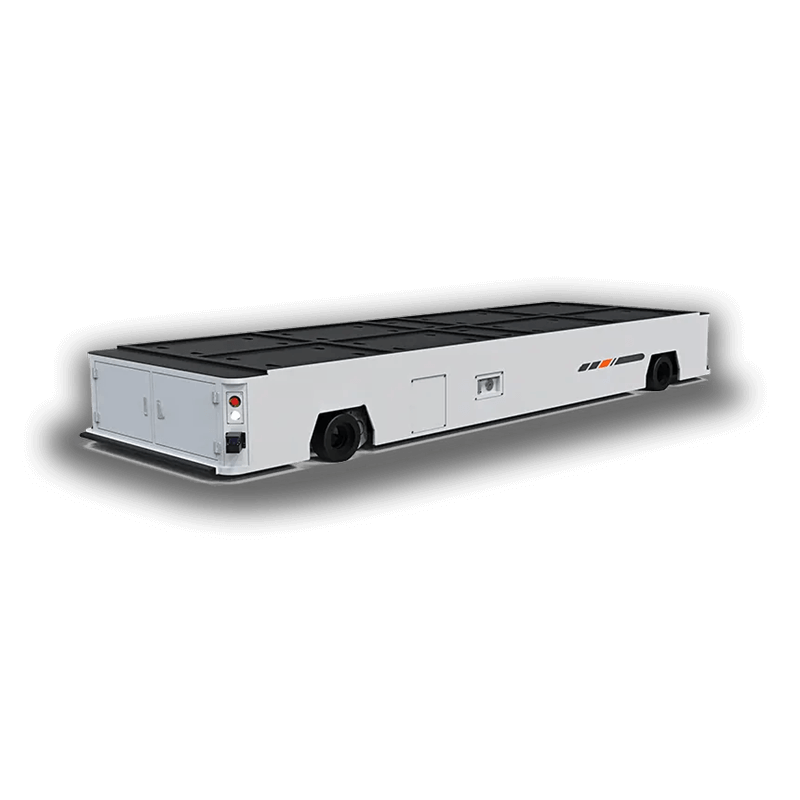
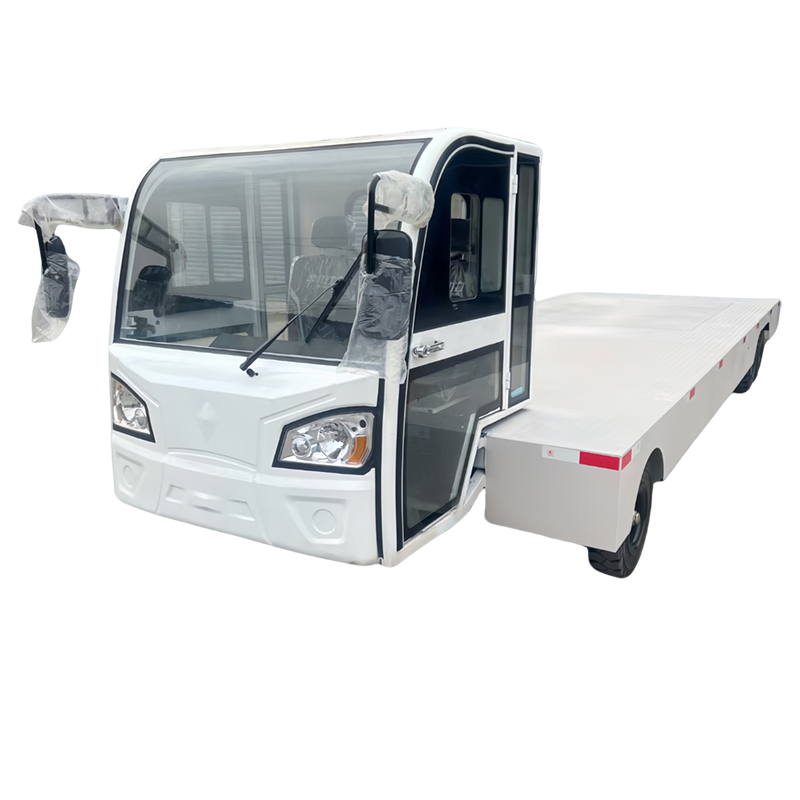
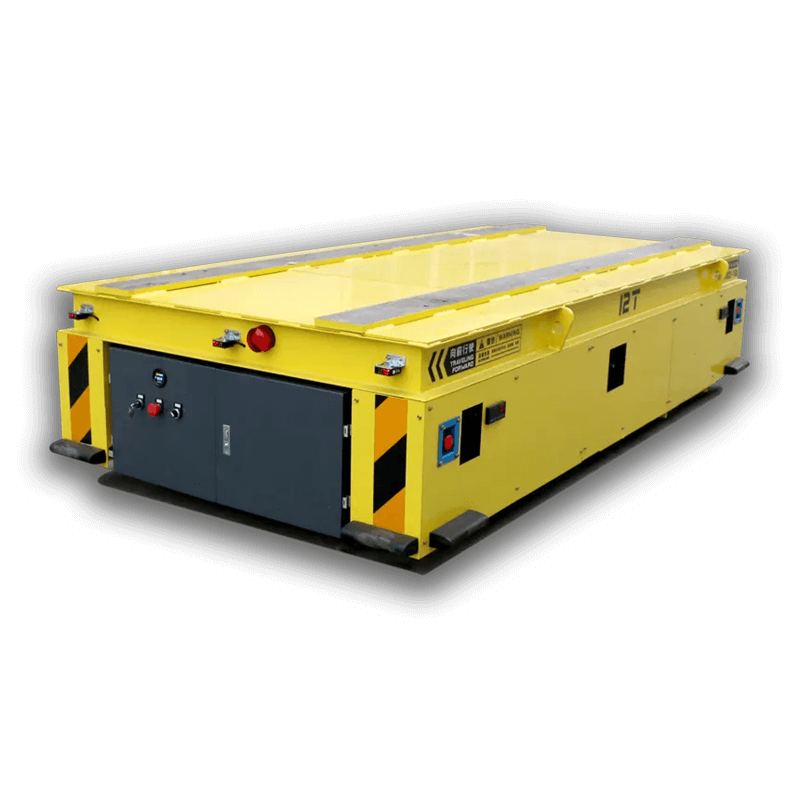
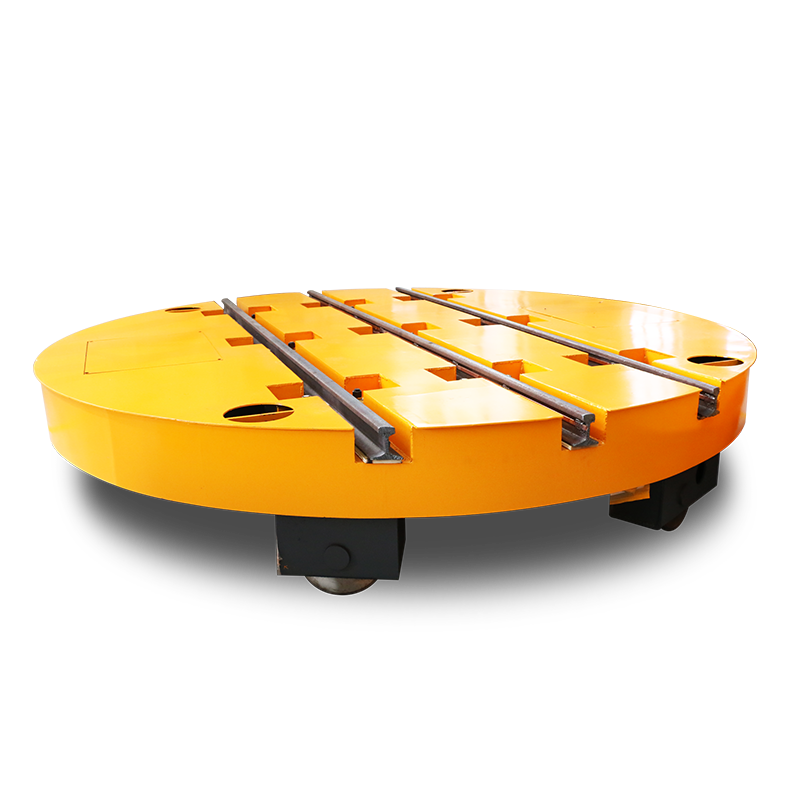
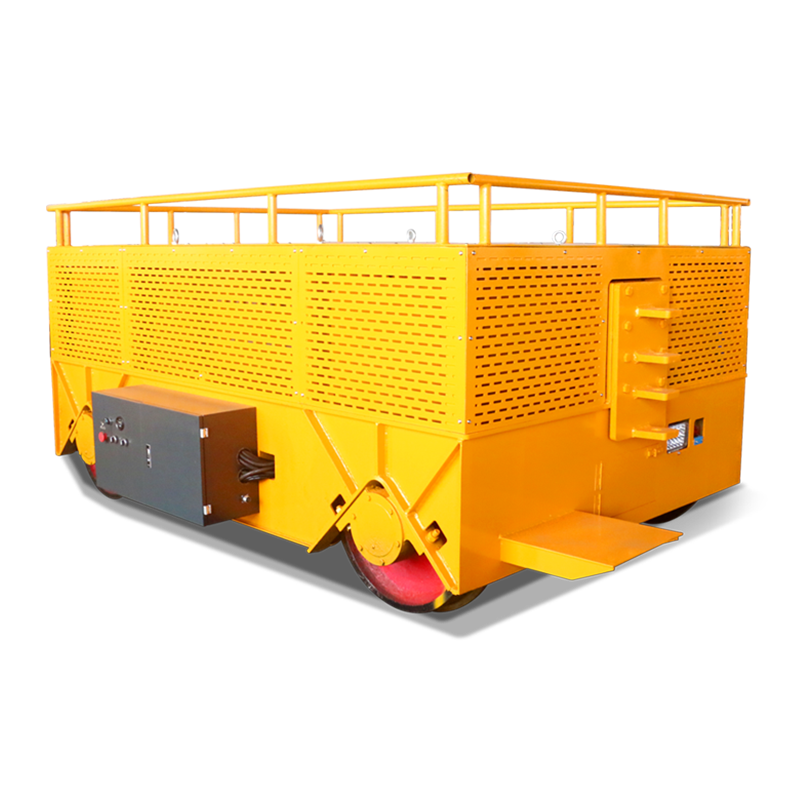
Electric transfer carts address these challenges through several key design adaptations. Heavy-duty models with load capacities from 10 to 300 tons handle the weight requirements of major power plant components. The flat, low-profile deck design allows for stable loading of irregular-shaped items such as turbine housings and heat exchanger sections.
Rail-guided systems are commonly deployed along fixed routes — for example, between the storage yard and the turbine hall, or from the maintenance shop to the boiler area. These systems provide predictable, repeatable movement that integrates well with scheduled maintenance windows. For areas where fixed rail installation is impractical, rail-less transfer carts with robust wheel assemblies navigate factory floors without infrastructure modifications.
Remote control operation keeps personnel at a safe distance during transport, particularly valuable when moving loads near active equipment or through areas with restricted access. Some implementations incorporate automated positioning systems that align carts precisely with cranes, hoists, or assembly stations — reducing the need for manual spotting and adjustment.
Implementation and Integration
Deploying transfer carts in power plants requires careful planning. Route surveys must account for floor load capacity, doorway clearances, and overhead obstructions. In facilities with existing rail infrastructure, compatibility assessments determine whether new carts can utilize legacy tracks or if track modifications are needed.
Power supply strategy is a key engineering decision. Battery-powered carts offer flexibility and eliminate trailing cables, but charging infrastructure must be planned around operational schedules. Some facilities opt for cable reel systems for high-frequency routes where downtime for charging is unacceptable. Others use battery swapping stations to maintain continuous availability.
Safety system integration is mandatory. Collision avoidance sensors, emergency stop systems, and audible/visual warning devices align with power plant safety standards. In explosive atmosphere zones, carts must meet ATEX or equivalent certification requirements.
Integration with maintenance management systems allows scheduled transport tasks to align with planned outages and repair windows. This coordination minimizes disruption to generation operations and ensures critical components arrive at work sites when needed.
Operational Results
Power plants that have implemented electric transfer carts report measurable improvements. Transport cycle times for heavy components typically decrease by 30–50% compared to manual or forklift-based methods. The reduction comes from elimination of manual rigging time, faster travel speeds along dedicated routes, and precise positioning that reduces load handling steps.
Labor reallocation is another significant benefit. Instead of dedicating crane operators and rigging crews to routine material movement, these personnel focus on specialized maintenance tasks. One mid-sized thermal plant reported redirecting approximately 2,400 annual labor hours from transport duties to productive maintenance work after deploying transfer carts for turbine component handling.
Safety incident rates related to material handling show consistent improvement. Remote operation eliminates the need for personnel to walk alongside or guide heavy loads. The low center of gravity and wide wheelbase of transfer carts provide stability that reduces tip-over risks compared to forklifts carrying off-center loads.
Equipment longevity improves as well. Electric transfer carts designed for industrial environments operate reliably for 10–15 years with routine maintenance. This durability compares favorably to forklifts in power plant conditions, where heat and contamination accelerate wear on internal combustion engines and hydraulic systems.
Key Technical Considerations
Several factors deserve attention when specifying transfer carts for power plant use. Load capacity ratings must include dynamic safety margins — a cart rated for 50 tons should not be routinely operated at that limit with live loads that shift during acceleration or braking. Engineers typically specify carts with 25–30% capacity margin above maximum expected loads.
Wheel material selection affects both floor protection and operational noise. Polyurethane wheels provide good traction and minimize floor damage, but steel wheels may be necessary for extreme loads exceeding 100 tons. The trade-off between floor wear, noise levels, and load capacity should be evaluated against specific facility requirements.
Gradient capability matters in plants with sloped floors or ramps between levels. Standard transfer carts handle grades up to 2–3%, but specialized drive systems are needed for steeper inclines. Underestimating grade requirements is a common specification error that leads to operational constraints after deployment.
Maintenance access is often overlooked during planning. Battery compartments, drive motors, and control enclosures need adequate clearance for routine service. Carts designed with external access panels and modular components reduce maintenance downtime and simplify component replacement.
Conclusion
Electric transfer carts have proven their value in power plant material handling through reliable performance under demanding conditions. The combination of heavy load capacity, remote operation capability, and integration with maintenance workflows addresses the core challenges that power generation facilities face. For plants evaluating material handling improvements, transfer carts offer a proven path to safer, more efficient operations without the complexity and infrastructure requirements of fully automated systems. The key to success lies in thorough upfront analysis of load requirements, route conditions, and operational patterns — then selecting equipment that matches those specific needs rather than settling for generic solutions.