
 English
 简体中文
简体中文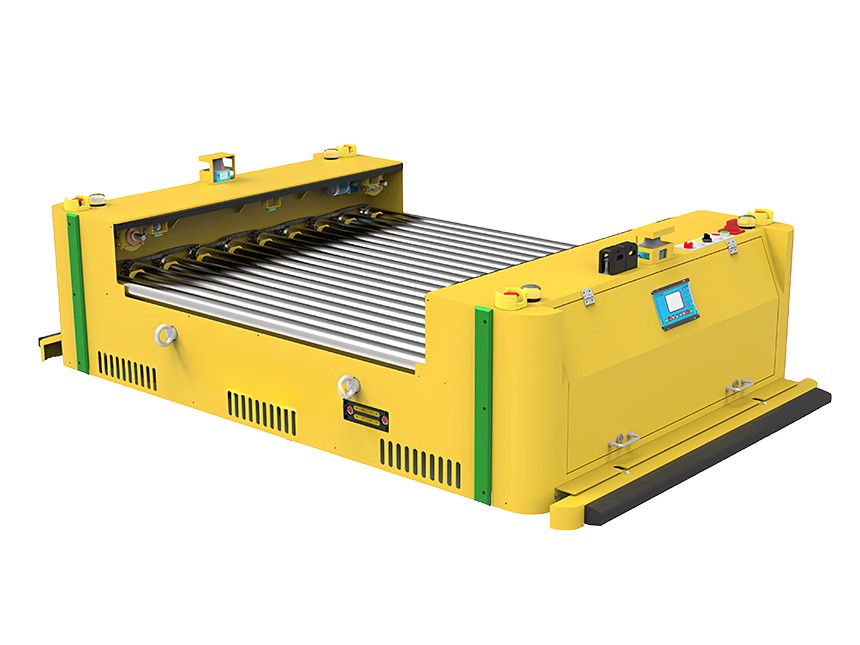
Defining the Non-AGV Category
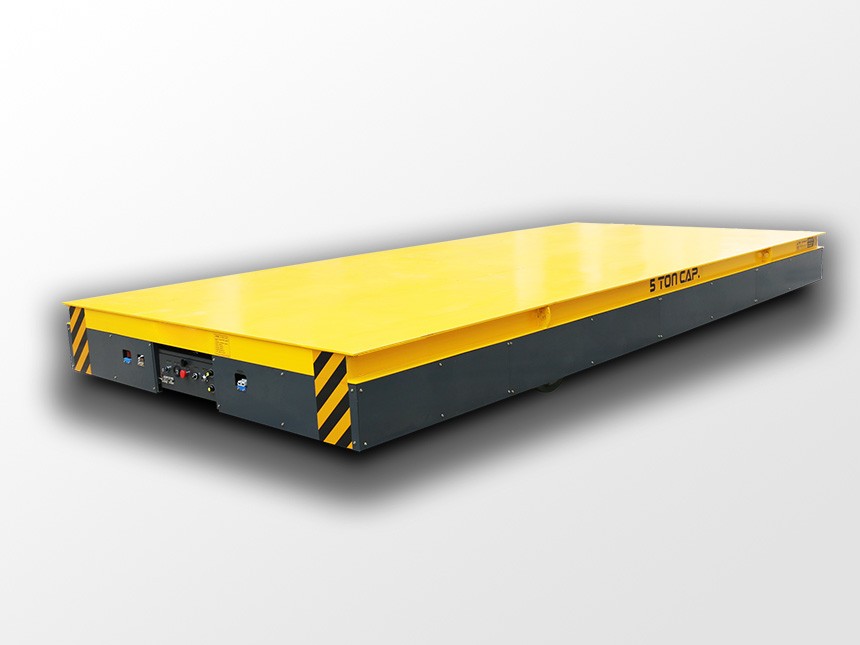
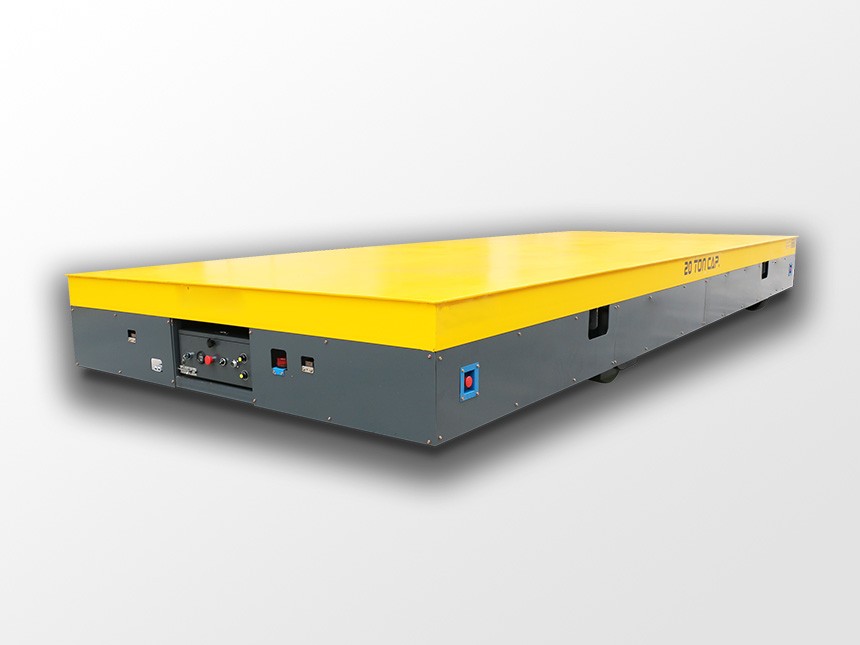
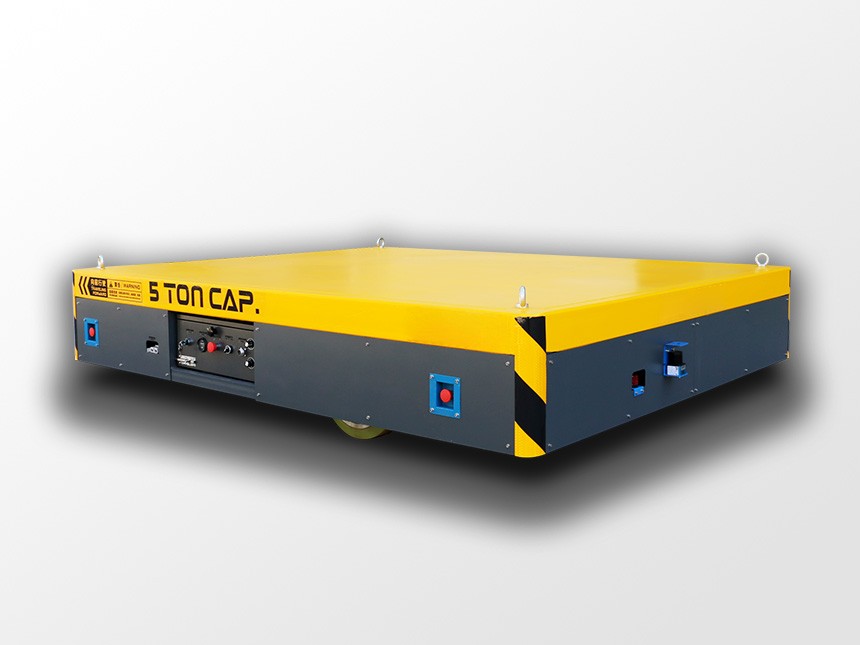
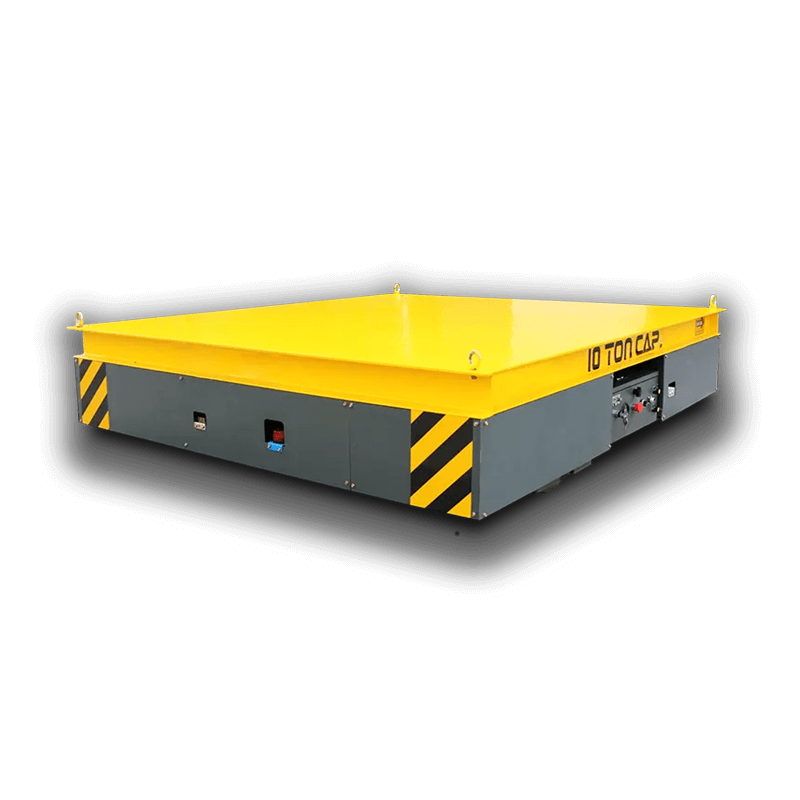
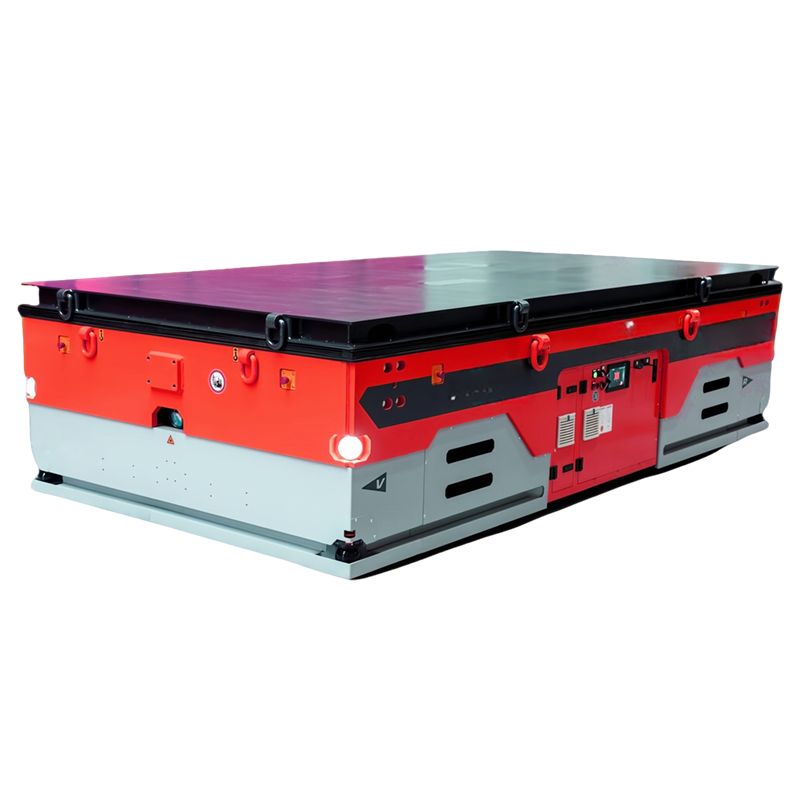
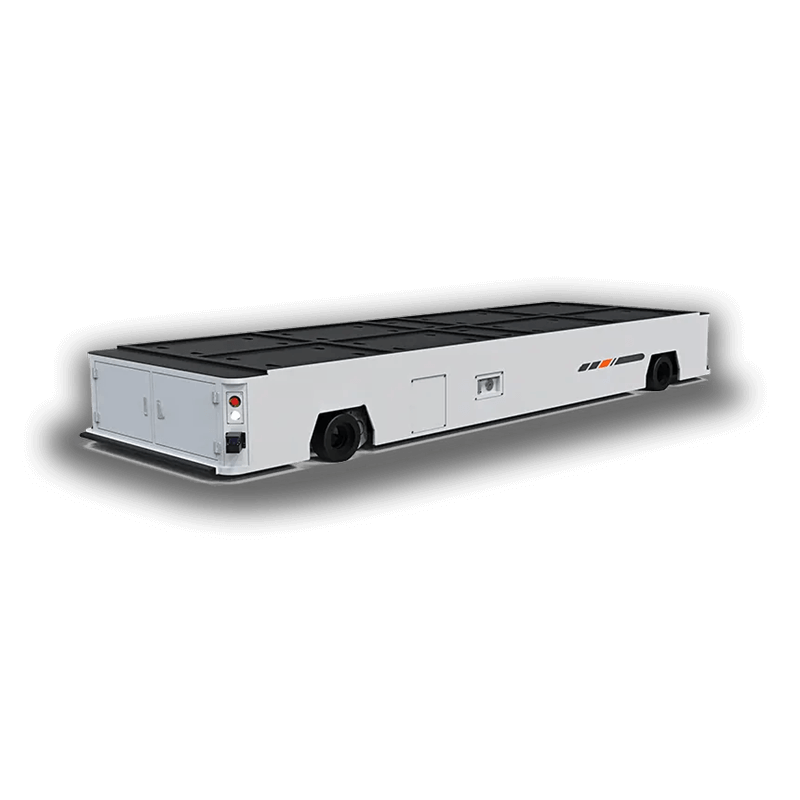
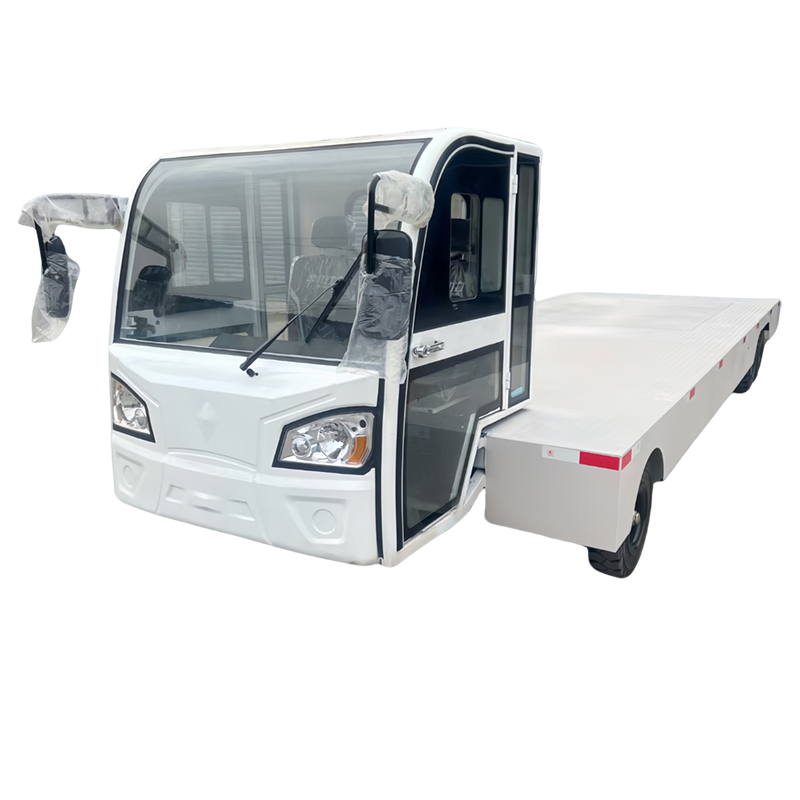
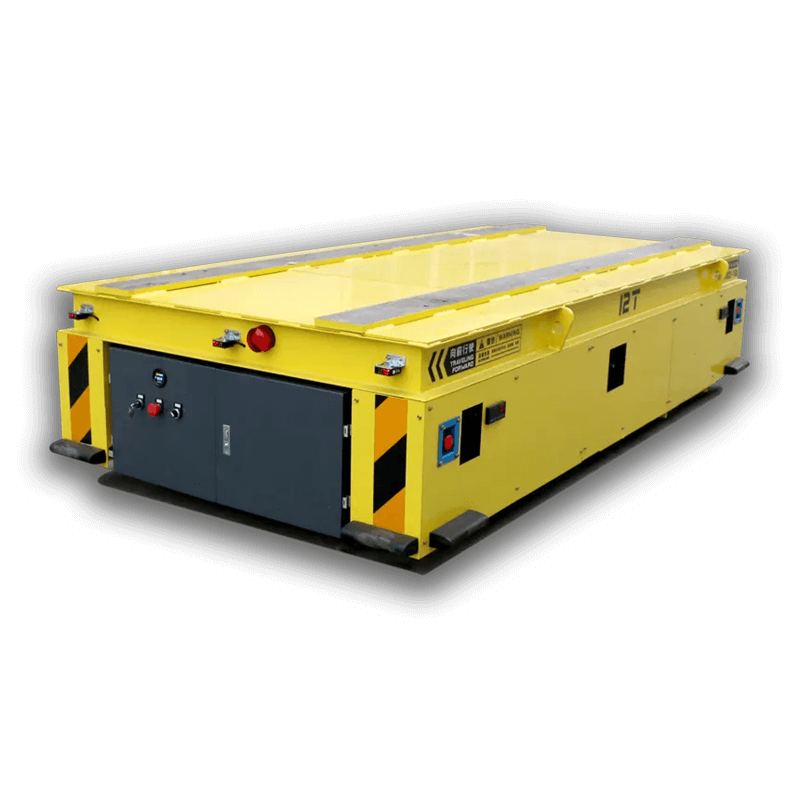
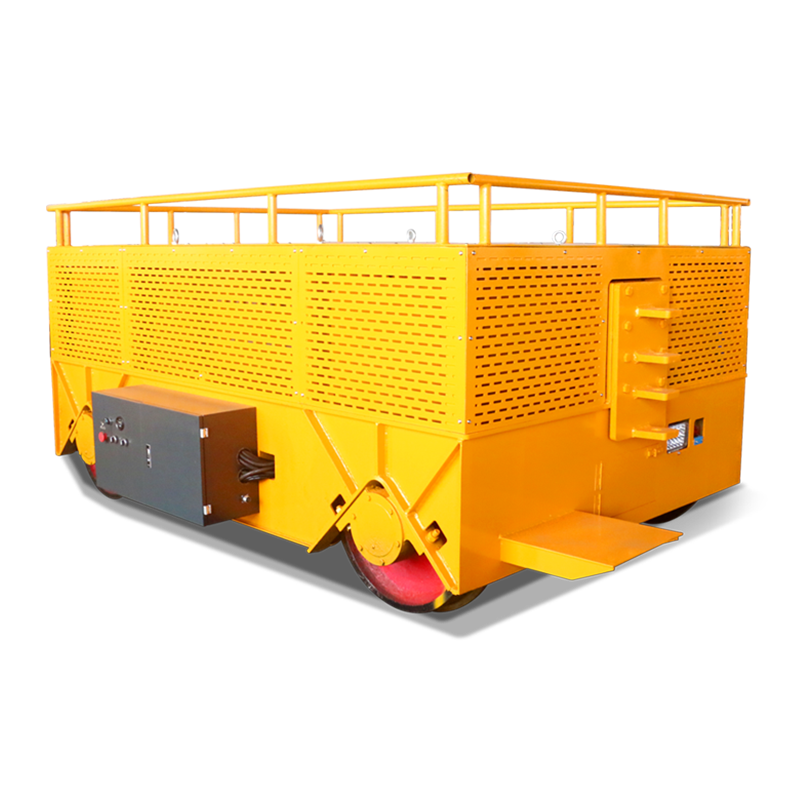
Non-AGV electric transfer carts represent a distinct category of material handling equipment: electric-powered carts that are operated by human operators rather than by automated guidance systems. These carts combine the power and efficiency of electric drive with the flexibility and judgment of human operation, providing a solution that fills the gap between manual carts and fully automated AGV systems. The selection of a non-AGV electric transfer cart requires consideration of factors that are specific to this category—factors that address the interaction between the operator and the equipment, the control systems that enable operator command, and the safety systems that protect both the operator and the surrounding personnel.
Load Requirements: The Foundation of Specification
The specification of load requirements is the foundation of non-AGV electric transfer cart selection, and it must be approached with precision. The load requirements include: maximum load weight—the heaviest load that the cart will transport, with appropriate safety margins for dynamic conditions; load dimensions—the length, width, and height of the maximum load, which determine the required deck size and may affect stability; load distribution—whether the load is uniformly distributed or concentrated, which affects deck design and wheel loading; and load type—whether the load is a solid object, a container, a coil, or a specialized item that requires custom fixtures or securing systems. Each of these requirements must be defined with specific values, not ranges or approximations, to ensure that the cart is designed for the actual application rather than for a generic assumption.
The load requirements should also consider future needs. A cart that is specified for today's maximum load may be inadequate if production growth or product changes increase load requirements in the future. Specifying a cart with 20-30% additional capacity provides headroom for growth without requiring premature replacement. However, over-specification should be avoided: a cart with excessive capacity costs more, consumes more energy, and may be less maneuverable than a cart that is properly sized for the application. The optimal specification balances current requirements with future growth, providing adequate capacity without excessive over-design.
Operational Environment: Matching the Cart to the Conditions
The operational environment has a significant impact on cart design and selection, and it must be evaluated with the same rigor as the load requirements. Environmental factors include: floor conditions—the floor material, surface finish, and condition, which affect wheel selection, traction, and ride quality; temperature range—the minimum and maximum temperatures that the cart will encounter, which affect battery performance, lubricant selection, and material properties; humidity and moisture—whether the cart will operate in wet conditions, washdown environments, or high-humidity areas that require sealed components and corrosion protection; and atmospheric conditions—whether the environment contains dust, chemicals, or explosive atmospheres that require special enclosures, filtration, or explosion-proof certification. Each of these factors affects component selection, material specification, and design features that must be incorporated into the cart.
The operational environment also includes the human environment: the operators who will drive the cart, the pedestrians who will share the transport routes, and the supervisors who will manage the operation. The cart design must accommodate the physical and cognitive capabilities of the operators, with controls that are intuitive, displays that are readable, and ergonomics that reduce fatigue during long shifts. The safety systems must protect pedestrians who may be in the cart's path, with warning devices, emergency stop systems, and speed limitations that reflect the traffic density of the facility. And the management systems must provide the information that supervisors need to monitor performance, schedule maintenance, and optimize utilization.
Control Options: From Simple to Sophisticated
Non-AGV electric transfer carts are available with a range of control options that vary in complexity, capability, and cost. The selection of control options should be based on the operational requirements and the operator skill level, not on the assumption that more complex controls are always better. Control options include: basic controls—simple forward/reverse/stop switches with fixed speed settings, suitable for applications with straightforward routes and experienced operators; variable speed controls—electronic speed controllers that enable the operator to adjust speed continuously, providing better control in congested areas and reducing energy consumption; programmable controls—control systems that can store multiple operating profiles, enabling the cart to be configured for different routes, loads, or operators with the press of a button; and remote controls—wireless control systems that enable the operator to control the cart from a distance, improving safety in hazardous environments or when visibility from the operator's position is limited.
The control system should also include safety interlocks that prevent unsafe operation: emergency stop buttons that immediately cut power to the drive system; deadman switches that require the operator to maintain contact with the control to keep the cart moving; and speed limiters that restrict maximum speed based on load weight, route conditions, or area restrictions. These safety features are not optional extras; they are essential components of a responsible cart design that protects operators, pedestrians, and equipment. The selection of control options should prioritize safety features that address the specific hazards of the application, even if they add cost or complexity.
Total Cost Evaluation: Beyond the Purchase Price
The evaluation of non-AGV electric transfer cart options should consider total cost of ownership, not just purchase price. The total cost includes: acquisition cost—the purchase price, including any customization, options, and accessories; installation cost—the cost of installing the cart, including any facility modifications, electrical work, or commissioning; operating cost—the cost of energy, consumables, and routine maintenance over the cart's service life; maintenance cost—the cost of scheduled maintenance, parts replacement, and repairs, including labor and materials; and downtime cost—the cost of lost production when the cart is out of service for maintenance or repair. A cart with a lower purchase price may have a higher total cost if it has high energy consumption, frequent maintenance requirements, or poor reliability that causes excessive downtime.
The total cost evaluation should also consider the cost of operator training, the cost of spare parts inventory, and the cost of technical support. A cart with complex controls or specialized components may require more extensive operator training and a larger spare parts inventory than a cart with simple controls and standard components. And a cart from a distant supplier may have higher technical support costs than a cart from a local supplier, due to travel time and shipping costs for parts. The total cost evaluation should include all of these factors to provide a complete picture of the economic impact of the cart selection decision.
Supplier Evaluation: The Partnership Dimension
The selection of a non-AGV electric transfer cart is also the selection of a supplier partner who will support the equipment over its service life. The supplier evaluation should consider: technical capability—the supplier's engineering expertise, manufacturing quality, and product development track record; service capability—the supplier's ability to provide spare parts, technical support, and field service within acceptable timeframes; financial stability—the supplier's financial health and business longevity, which affect their ability to honor warranties and provide long-term support; and communication quality—the supplier's responsiveness, clarity, and willingness to collaborate on design and problem-solving. A supplier that excels in all of these dimensions provides not just a product but a partnership that enhances the value of the equipment over its entire service life.
The supplier evaluation should include reference checks with current customers who have similar applications. These references provide insights that are not available from supplier presentations or product literature: how the supplier performs in real-world conditions, how they respond to problems, and how they support their products over the long term. A supplier who is reluctant to provide references, or whose references report negative experiences, should be approached with caution regardless of how attractive their proposal may be. The supplier partnership is a long-term commitment, and the due diligence invested in supplier evaluation pays dividends in equipment performance and operational peace of mind.