
 English
 简体中文
简体中文
The Challenge of Large Component Transport
Moving large components safely is one of the most demanding tasks in industrial material handling. Large components—wind turbine blades, aircraft fuselage sections, heavy machinery frames, or pressure vessels—present unique challenges that standard material handling equipment cannot address. These components are heavy, often exceeding tens of tons; they are bulky, with dimensions that exceed standard transport dimensions; they are fragile, with thin walls or delicate surfaces that can be damaged by improper handling; and they are valuable, with replacement costs that can reach millions of dollars. The safe transport of large components requires specialized equipment, careful planning, and rigorous execution.
Electric Transfer Carts: The Safe Solution for Large Components
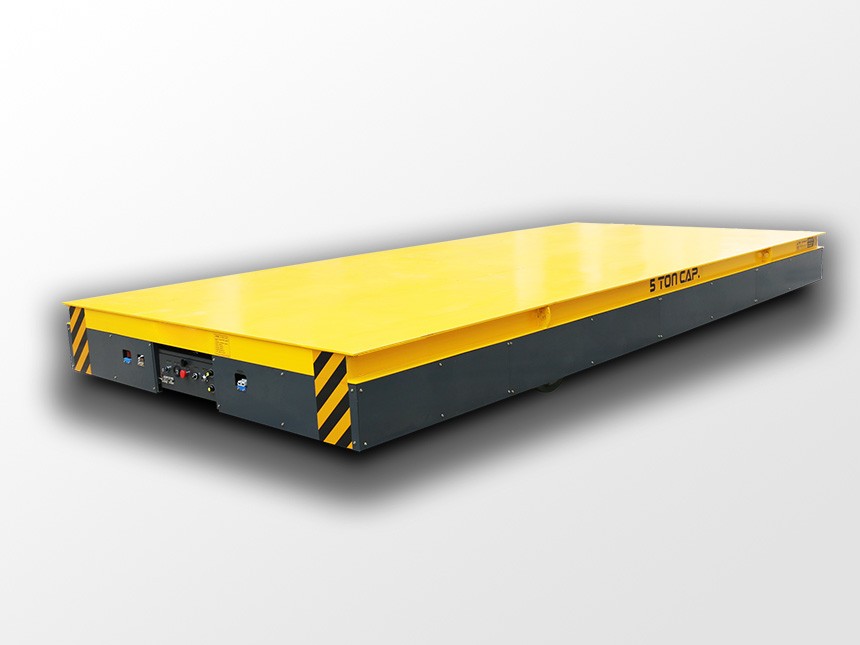
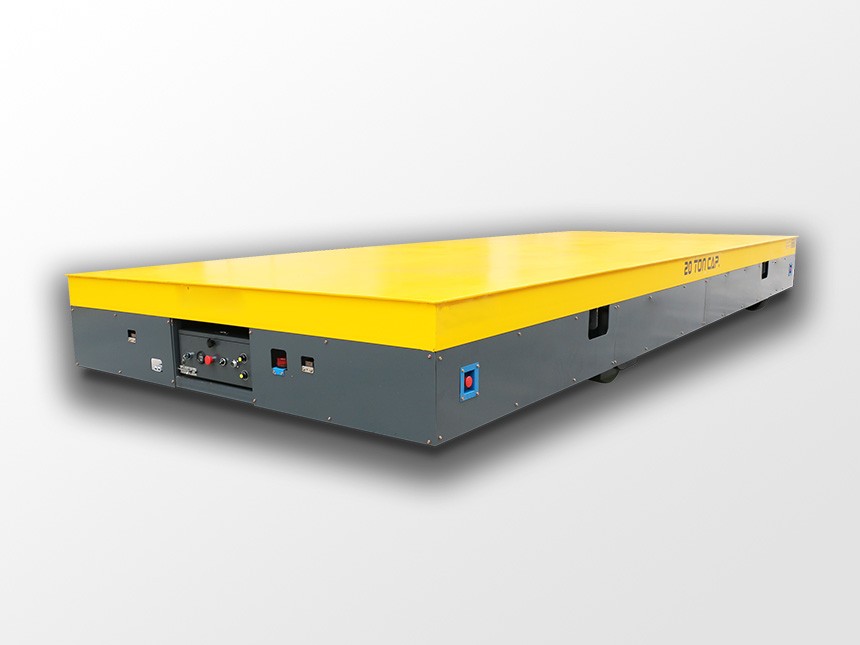
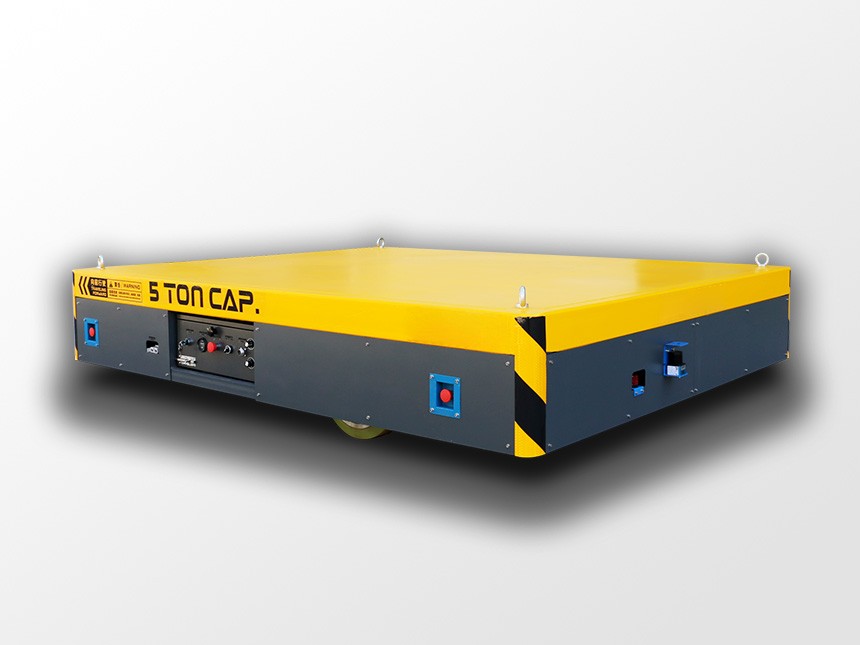
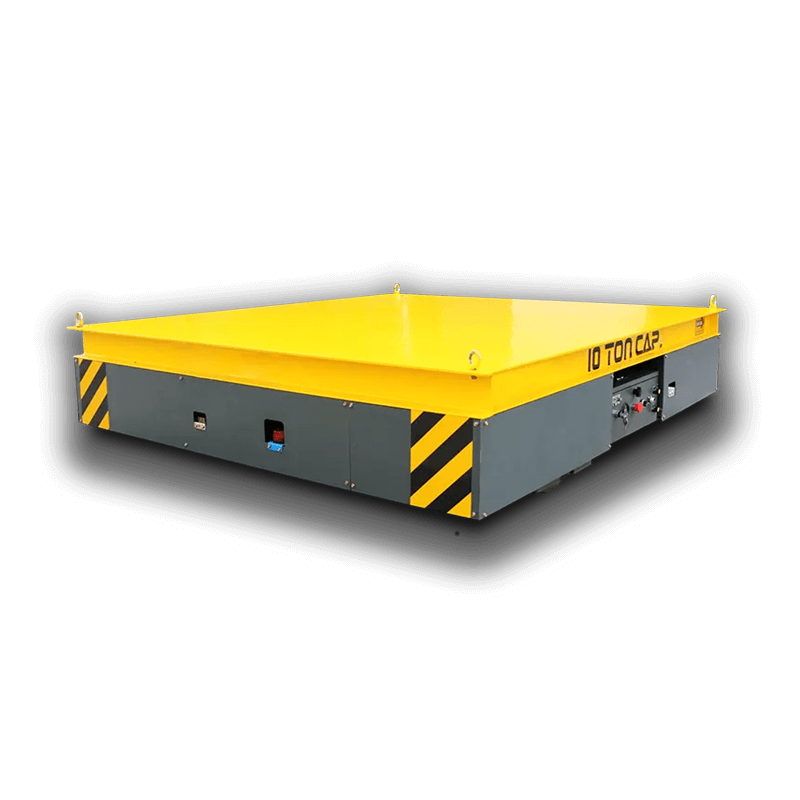
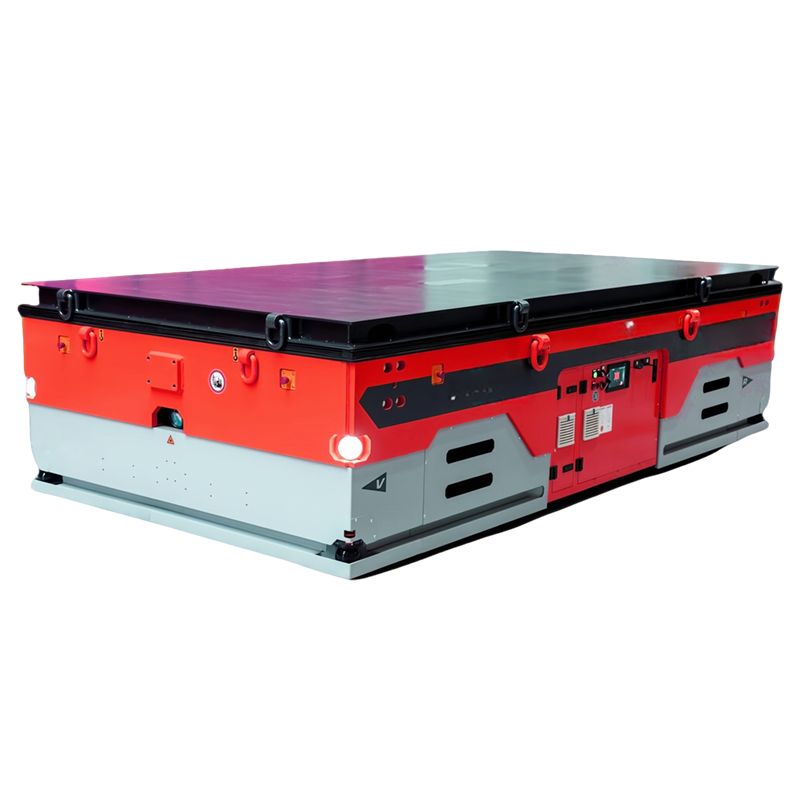
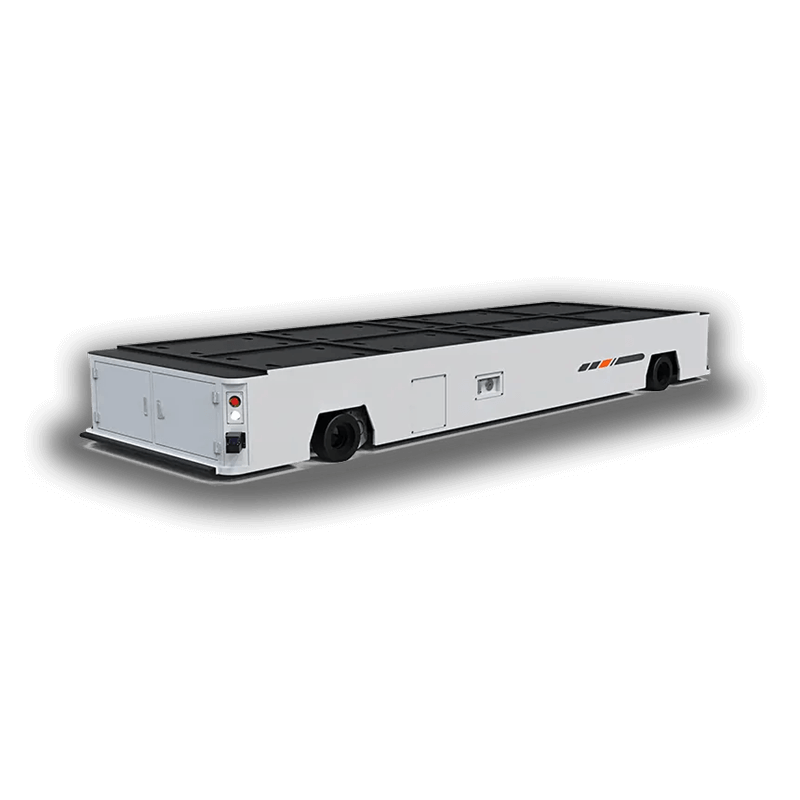
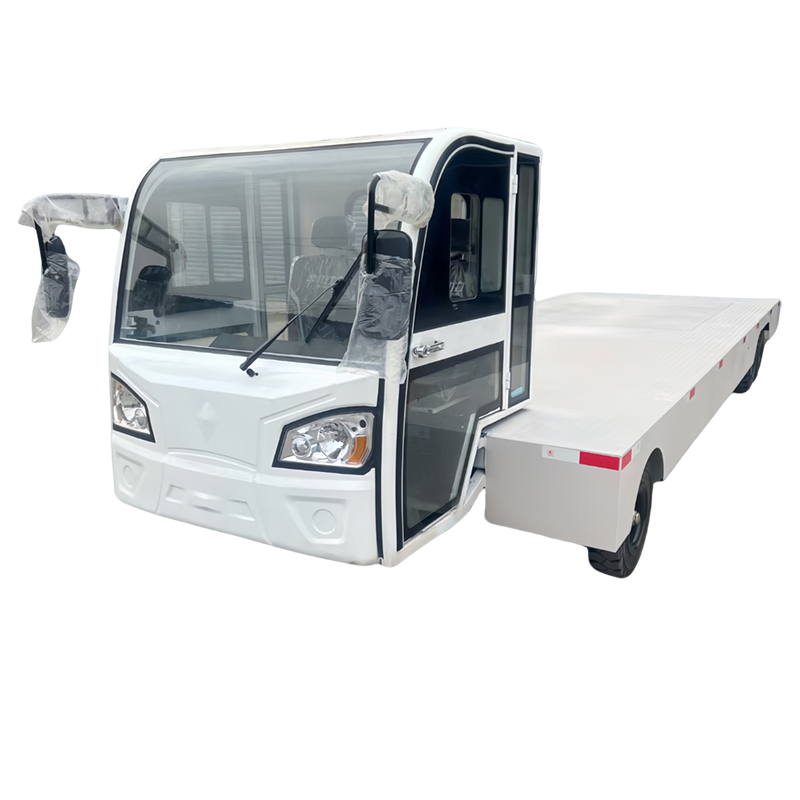
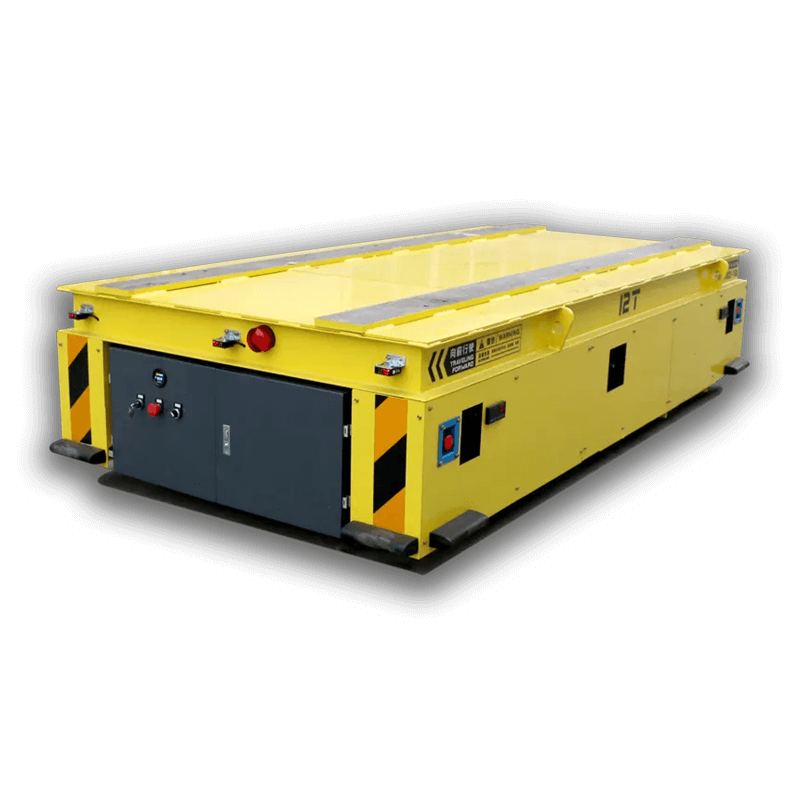
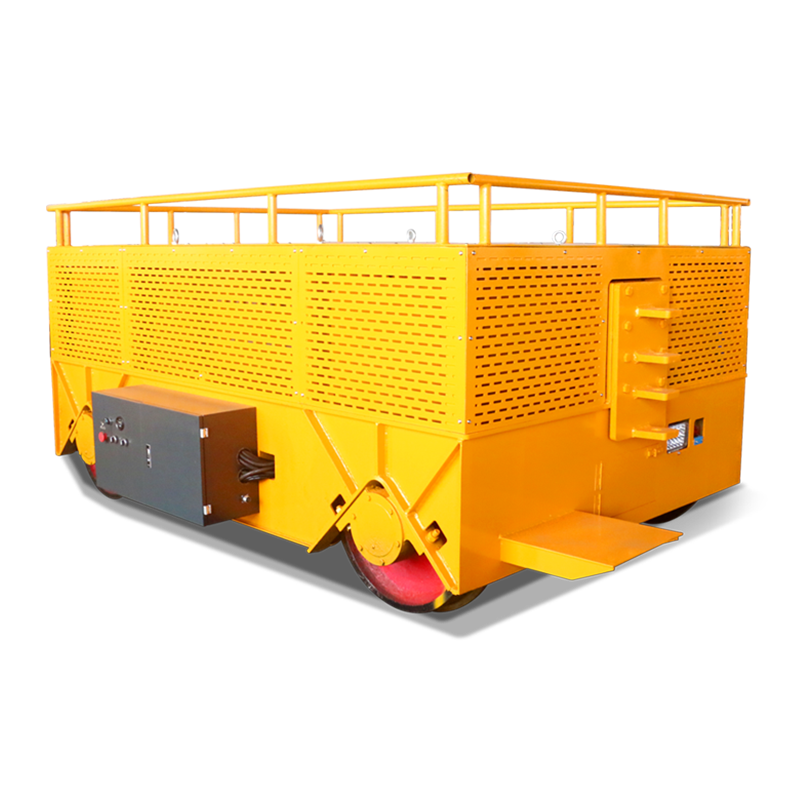
Electric transfer carts provide a safe and effective solution for moving large components in industrial facilities. Unlike forklifts, which lift loads above the ground and create stability risks with heavy or bulky items, transfer carts carry loads at deck height, providing a low center of gravity and stable transport. Unlike cranes, which suspend loads from above and create swing hazards, transfer carts support loads from below, eliminating swing and providing precise positioning control. And unlike manual transport methods, which rely on human strength and judgment, electric transfer carts provide powered movement with controlled speed and braking, reducing the risk of operator error.
The safety advantages of electric transfer carts for large component transport include: stable load support—the load rests on a flat deck that distributes weight evenly across the cart structure, eliminating the concentration stresses that occur with point lifting; low center of gravity—the load is carried close to the floor, reducing the risk of tipping and enabling safe transport through areas with limited clearance; controlled movement—electric drive systems provide smooth acceleration and deceleration, with variable speed control that enables safe operation in congested areas; and emergency stop systems—immediate-stop capabilities that halt the cart within seconds when a hazard is detected, protecting personnel and equipment.
Load Securing: Preventing Movement During Transport
The securement of large components on electric transfer carts is critical to safe transport. A load that shifts during transport can destabilize the cart, damage the component, or create a hazard for nearby personnel. Load securing systems for large components include: custom fixtures—saddles, cradles, or supports that match the component's geometry and prevent movement in any direction; tie-down points—integrated anchor points on the cart deck that enable the use of chains, straps, or cables to secure the load; friction surfaces—deck surfaces with high friction coefficients that resist sliding without additional securing devices; and hydraulic clamps—powered clamping systems that grip the component firmly and release automatically when the cart reaches its destination. The selection of load securing systems depends on the component's geometry, weight, and fragility, and on the transport route conditions.
The design of load securing systems requires engineering analysis to ensure that the securing forces are adequate to prevent movement under the most severe transport conditions, including emergency braking, route irregularities, and dynamic forces from acceleration and deceleration. The analysis should consider the coefficient of friction between the load and the deck, the inertial forces generated by cart movement, and the safety factors that provide margin against unexpected conditions. A properly designed load securing system provides confidence that the component will arrive at its destination in the same condition as when it was loaded.
Route Planning: Safe Paths for Oversized Loads
The transport of large components requires careful route planning to ensure that the cart and its load can travel safely from origin to destination. Route planning considerations include: clearance verification—confirmation that the route provides adequate clearance for the load height, width, and length, including doorways, overhead structures, and side clearances; floor load capacity—verification that the floor can support the concentrated loads from the cart wheels, particularly for very heavy components; grade analysis—evaluation of slopes and ramps to ensure that the cart can ascend and descend safely, with adequate traction and braking capacity; and traffic management—scheduling of transport to minimize interaction with pedestrian traffic, other vehicles, and production activities that could create hazards. The route planning process should include a physical survey of the transport path, with measurements of critical dimensions and identification of potential hazards.
For components that cannot be transported through existing doorways or corridors, temporary modifications to the facility may be required: removal of doors or wall sections, installation of temporary ramps, or reinforcement of floor sections. These modifications should be planned and executed by qualified personnel, with structural analysis to ensure that the modifications do not compromise facility safety. The cost and schedule impact of route modifications should be included in the transport planning process, and alternatives—such as transport during off-hours or use of alternative routes—should be evaluated.
Operator Training: The Human Factor in Safe Transport
The safety of large component transport depends not only on equipment design but also on operator competence. Operators of electric transfer carts for large component transport require specialized training that goes beyond standard cart operation. Training requirements include: load assessment—ability to evaluate the weight, dimensions, and center of gravity of large components and to determine the appropriate cart configuration and securing method; route familiarization—knowledge of the transport route, including clearance restrictions, grade changes, and hazard points, and ability to navigate the route safely; emergency procedures—understanding of emergency stop procedures, evacuation routes, and communication protocols in the event of an incident; and teamwork—ability to coordinate with spotters, riggers, and other personnel who assist with load positioning and securing. This training should be provided by qualified instructors and should include both classroom instruction and hands-on practice with actual components and transport scenarios.
The operator training program should also address the psychological aspects of large component transport. Operators who are responsible for moving multi-million-dollar components may experience stress or anxiety that affects their performance. Training should include stress management techniques, confidence-building exercises, and clear protocols for seeking assistance when uncertainty arises. A well-trained operator is not only technically competent but also mentally prepared for the responsibility of safe large component transport.
Safety Systems: Technology for Hazard Prevention
Modern electric transfer carts for large component transport incorporate advanced safety systems that prevent accidents before they occur. These systems include: collision avoidance—laser scanners, ultrasonic sensors, or vision systems that detect obstacles in the cart's path and automatically slow or stop the cart before contact; load monitoring—sensors that monitor load weight, position, and stability during transport, alerting the operator to any condition that could compromise safety; and position monitoring—GPS or indoor positioning systems that track the cart's location in real-time, enabling remote monitoring and coordination with other facility systems. These safety systems provide layers of protection that complement operator vigilance and provide defense-in-depth against accidents.
The safety systems should be integrated with the facility's overall safety management system, with alarms and alerts that notify not only the operator but also supervisors and safety personnel when hazardous conditions are detected. The data collected by safety systems should be recorded and analyzed to identify trends, near-misses, and opportunities for improvement. A facility that treats safety system data as a source of operational intelligence, rather than just a compliance record, achieves continuous improvement in transport safety and operational efficiency.