
 English
 简体中文
简体中文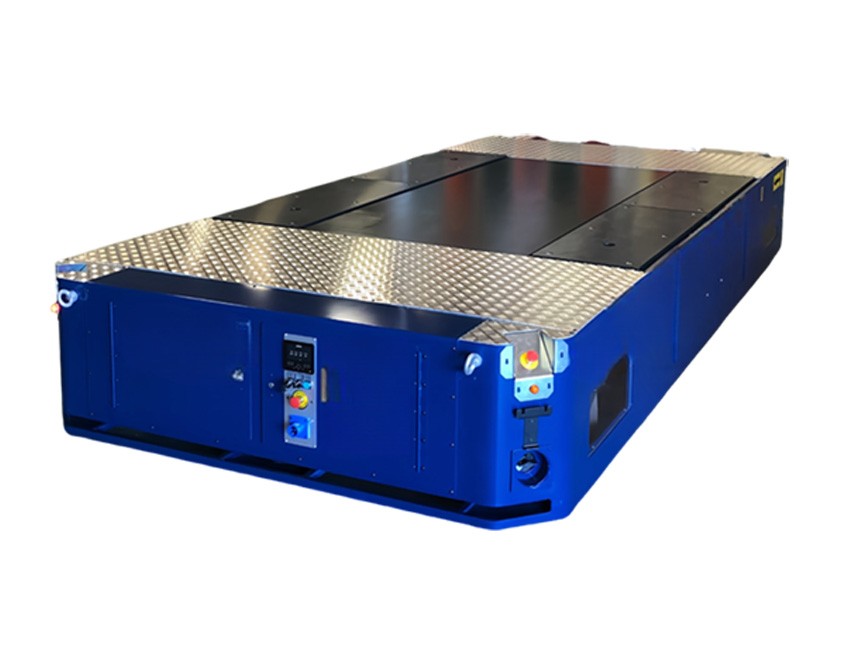
The Automation Assumption: Questioning the Default
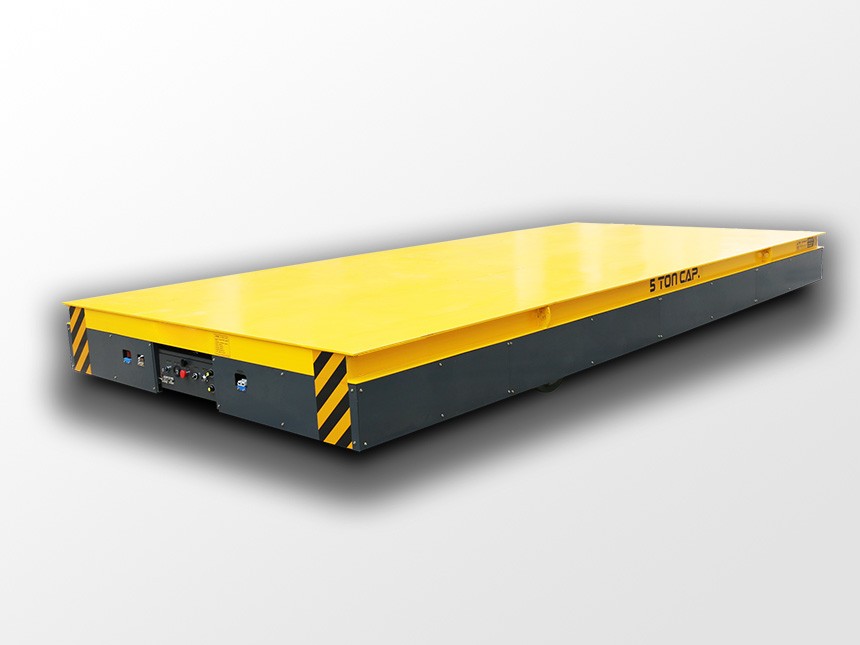
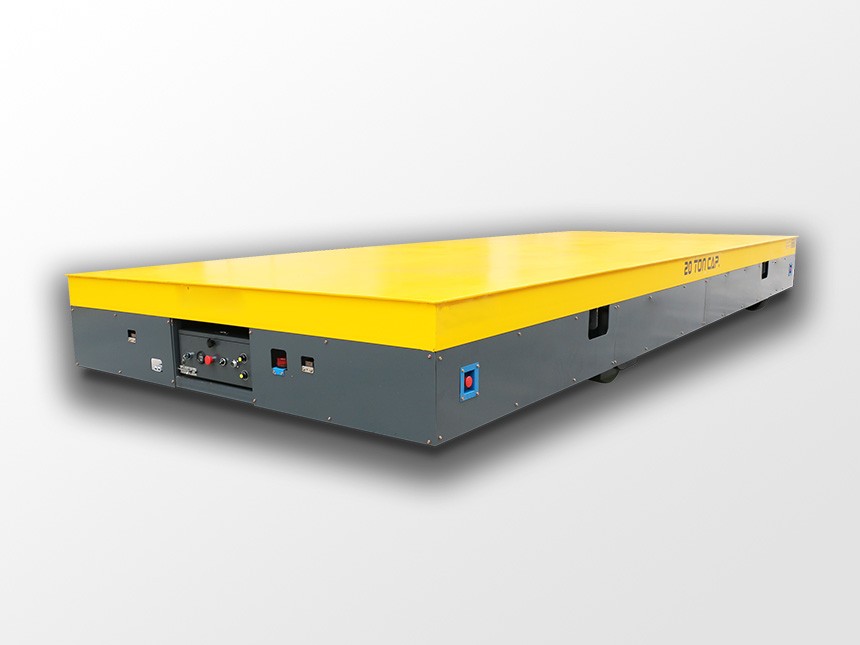
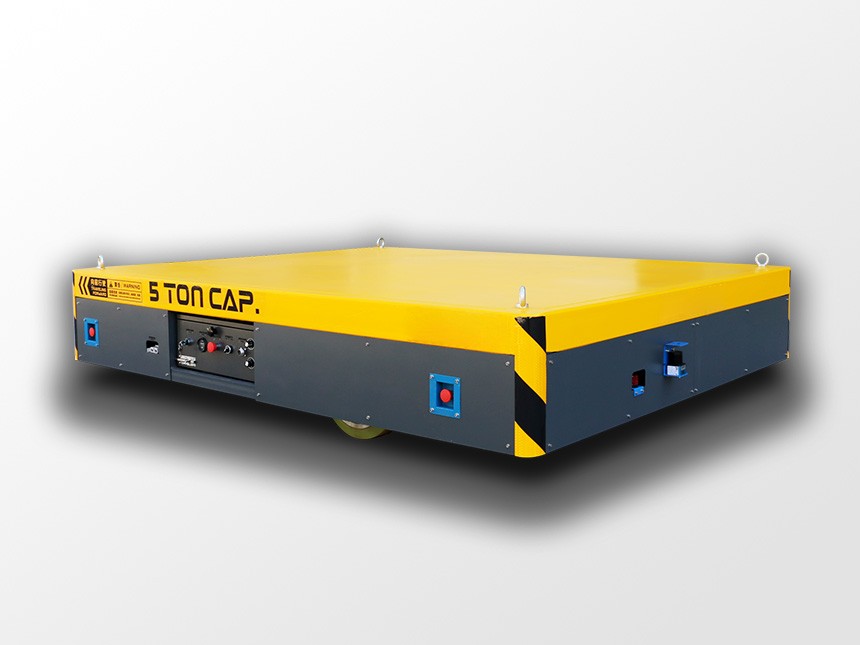
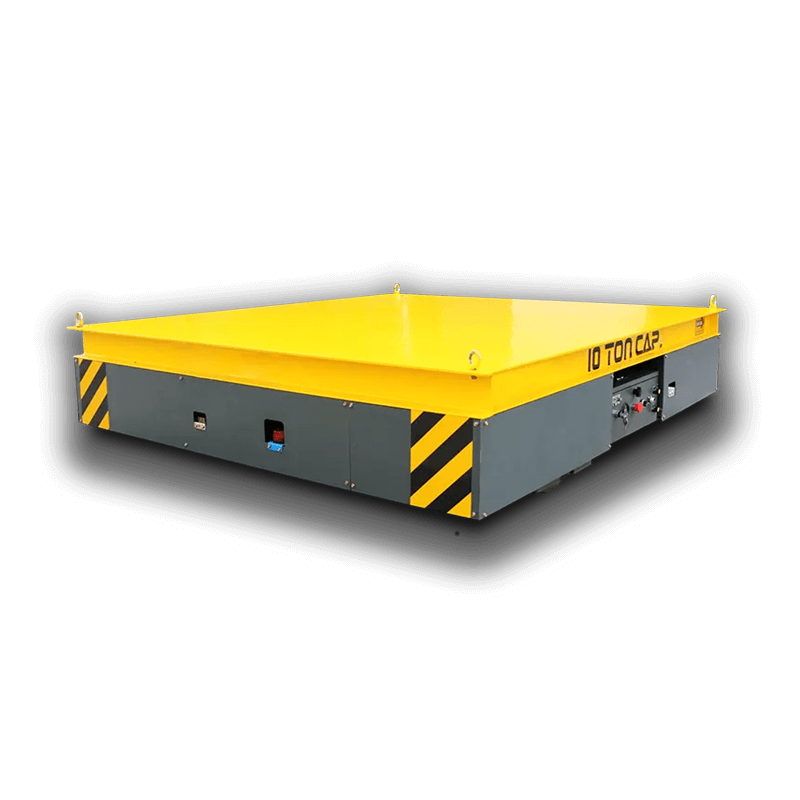
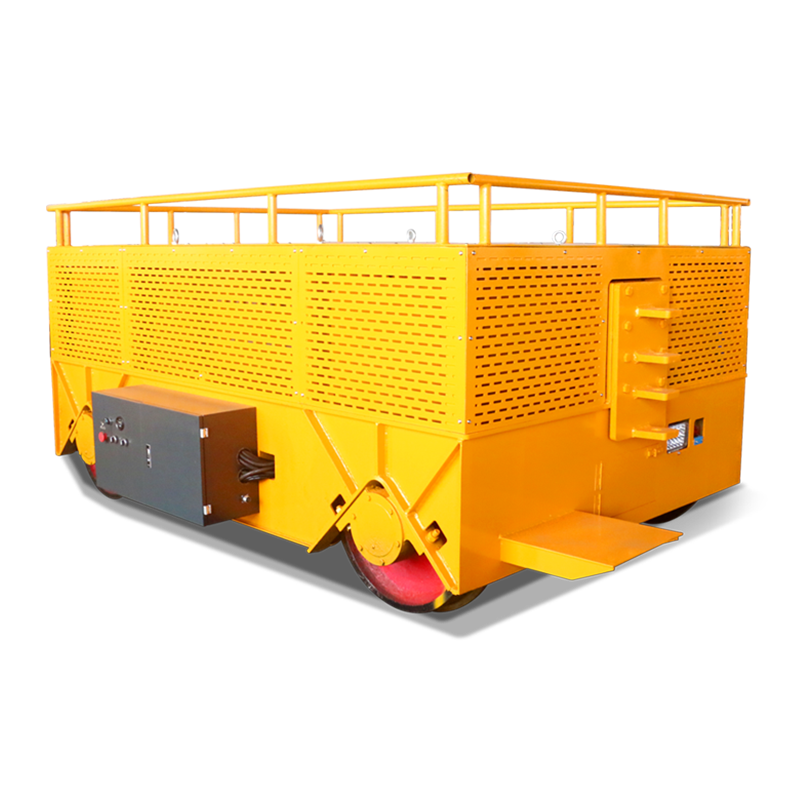
In modern manufacturing, there is a strong bias toward automation. Automated guided vehicles (AGVs), autonomous mobile robots (AMRs), and fully automated conveyor systems are promoted as the future of material handling, and many facilities assume that automation is the right choice for every application. But automation is not always the best solution. Non-automated transfer carts—carts that are operated by human operators rather than by automated control systems—have advantages in many applications that make them the better choice. Understanding when to choose non-automated transfer carts requires an objective analysis of the application requirements, the operational environment, and the total cost of ownership, free from the assumption that automation is always superior.
Cost Considerations: The Economic Advantage of Simplicity
The most obvious advantage of non-automated transfer carts is cost. A manually operated electric transfer cart costs significantly less than an AGV or AMR with equivalent load capacity. The cost difference is not just in the initial purchase price; it extends to installation, commissioning, and ongoing support. Automated systems require: navigation infrastructure—magnetic tape, RFID tags, laser reflectors, or vision system calibration that must be installed and maintained; control system integration—integration with facility management systems, production scheduling systems, and safety systems that requires specialized engineering; and software licensing—ongoing license fees for navigation software, fleet management software, and system updates. These additional costs can make an automated system two to five times more expensive than a non-automated system with the same transport capability.
For applications with low transport volumes, short transport distances, or simple route requirements, the additional cost of automation may not be justified by the productivity improvement. A facility that moves a few loads per hour along a fixed route may find that a manually operated cart provides adequate performance at a fraction of the cost of an automated system. The economic analysis should compare the total cost of ownership of automated and non-automated alternatives over the expected service life, including all capital costs, operating costs, and maintenance costs. In many cases, the non-automated system will have a lower total cost of ownership, particularly for applications where the transport requirement is not the bottleneck in the production process.
Operational Flexibility: The Human Advantage
Non-automated transfer carts provide operational flexibility that automated systems cannot match. A human operator can adapt to changing conditions in real-time: rerouting around an unexpected obstacle, adjusting speed for a slippery floor, or prioritizing an urgent delivery over a routine one. Automated systems, while efficient under normal conditions, struggle with exceptions. An AGV that encounters an obstacle will stop and wait for human intervention. An AMR that receives a conflicting command will require manual resolution. And any change to the route, the schedule, or the facility layout may require reprogramming, recalibration, or infrastructure modification.
This flexibility is particularly valuable in facilities with variable production schedules, frequent product changes, or dynamic operational environments. A job shop that produces a different product mix every week may find that the reprogramming required for automated systems consumes more time than the transport task itself. A facility undergoing frequent layout changes may find that the navigation infrastructure for automated systems must be repeatedly relocated. And a facility with unpredictable demand may find that the fixed capacity of an automated system cannot adapt to volume fluctuations as easily as a pool of manually operated carts that can be added or removed from service as needed.
Maintenance Simplicity: Reducing Downtime and Dependence
Non-automated transfer carts are mechanically and electrically simpler than automated systems, and this simplicity translates into lower maintenance requirements and higher availability. The maintenance of a non-automated cart involves standard mechanical and electrical components—motors, batteries, brakes, wheels—that can be serviced by any qualified industrial mechanic. The maintenance of an automated system involves specialized components—laser scanners, vision systems, navigation computers, communication modules—that require specialized training and may have limited service availability. When an automated system fails, the facility may be dependent on the supplier for diagnosis and repair, with downtime measured in days or weeks. When a non-automated cart fails, the facility's maintenance staff can typically diagnose and repair the problem within hours.
The simplicity of non-automated carts also reduces the spare parts inventory that the facility must maintain. Automated systems require spare parts for specialized components that may have long lead times and high costs. Non-automated carts use standard components that are available from multiple suppliers and can often be sourced locally. This parts availability reduces downtime and inventory costs, and it reduces the facility's dependence on the original equipment supplier for ongoing support.
Application Suitability: Where Non-Automated Carts Excel
Non-automated transfer carts excel in applications where the transport task is straightforward and the operational environment is stable. These applications include: short-distance transport—moving materials between adjacent workstations or between a workstation and a nearby storage area, where the transport time is a small fraction of the total cycle time; low-frequency transport—applications where materials are moved a few times per hour or per shift, where the cost of automation cannot be amortized over a large number of cycles; variable loads—applications where the load weight, dimensions, or securing requirements vary significantly from trip to trip, requiring operator judgment for safe handling; and hazardous environments—applications where the presence of automated systems creates safety risks, such as areas with explosive atmospheres or areas with high levels of electromagnetic interference that can disrupt automated navigation.
Non-automated carts are also the better choice during the startup phase of a new facility or a new production line, when the transport requirements are not yet fully understood and the facility layout may change as the operation matures. Installing an automated system before the requirements are stable risks expensive rework when the system must be reconfigured. Starting with non-automated carts provides operational experience that informs the decision about whether and where to automate, and the non-automated carts can continue to serve as backup or overflow capacity after automation is implemented.
The Hybrid Approach: Combining Automated and Non-Automated Systems
The choice between automated and non-automated transfer carts is not always binary. Many facilities benefit from a hybrid approach that uses automated systems for high-volume, fixed-route transport tasks and non-automated systems for low-volume, variable-route tasks. This hybrid approach provides the efficiency of automation where it is justified by volume and the flexibility of manual operation where it is needed for adaptability. The key to a successful hybrid system is clear definition of the boundary between automated and non-automated tasks, with interfaces that enable seamless transfer of loads between the two systems.
The hybrid approach also provides operational resilience. If the automated system fails or requires maintenance, the non-automated carts can assume the transport load, maintaining production while the automated system is repaired. This redundancy is difficult to achieve with a fully automated system, where a single point of failure can shut down the entire transport operation. The hybrid approach recognizes that automation and manual operation each have strengths, and that the optimal material handling system leverages both.