
 English
 简体中文
简体中文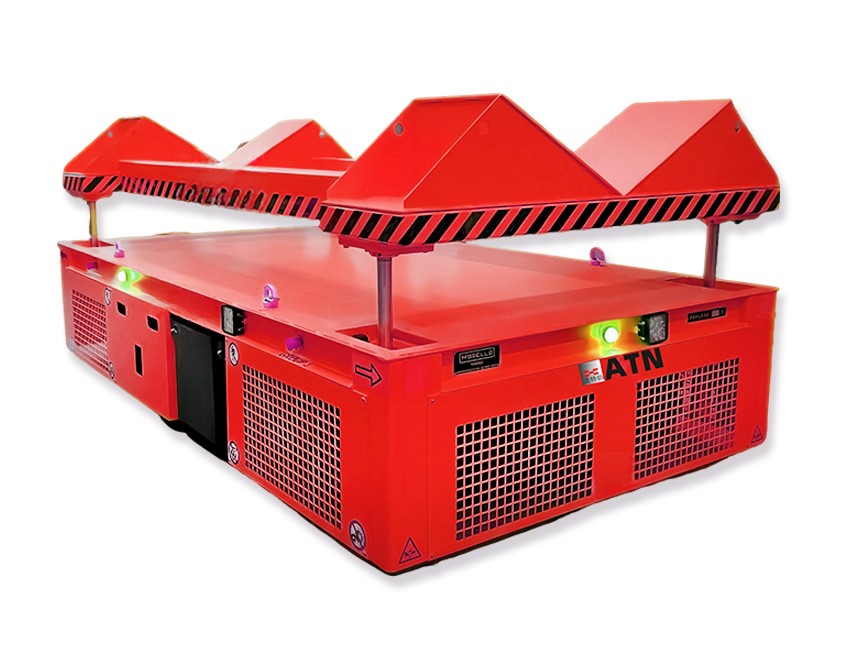
What Is a Remote-Controlled Electric Transfer Cart?
Walk through any modern manufacturing facility and you'll see them: flat, wheeled platforms gliding silently across the factory floor, carrying steel coils, die sets, or assembled subcomponents from one workstation to the next. No driver sits aboard. No forklift trails behind. Just a single operator walking alongside or standing at a safe distance, guiding the cart with a handheld remote. This is the remote-controlled electric transfer cart—one of the most practical yet underappreciated tools in industrial material handling.
But what exactly is it, how does it work, and when does it outperform more automated alternatives? This guide answers all three questions.
Definition: More Than a Motorized Pallet Jack
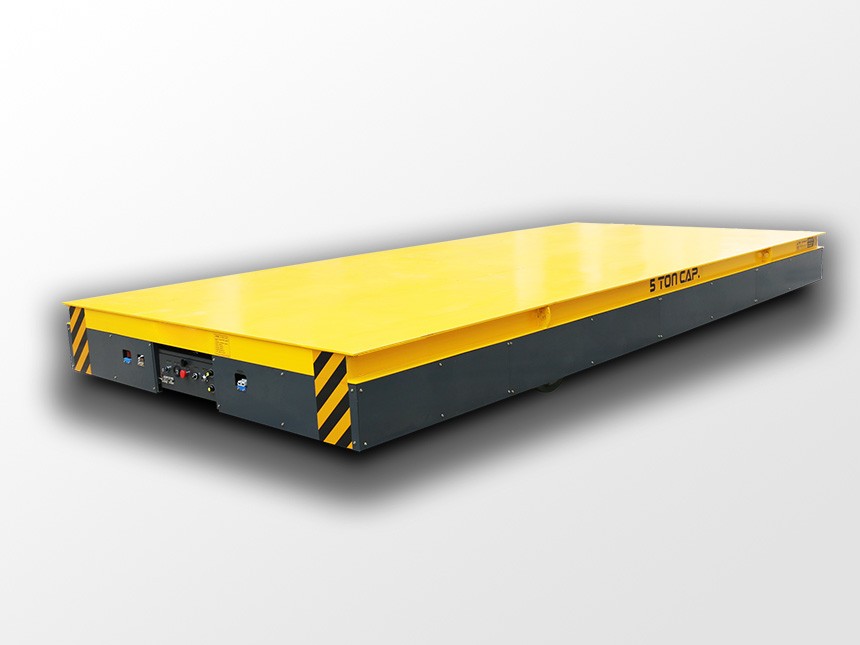
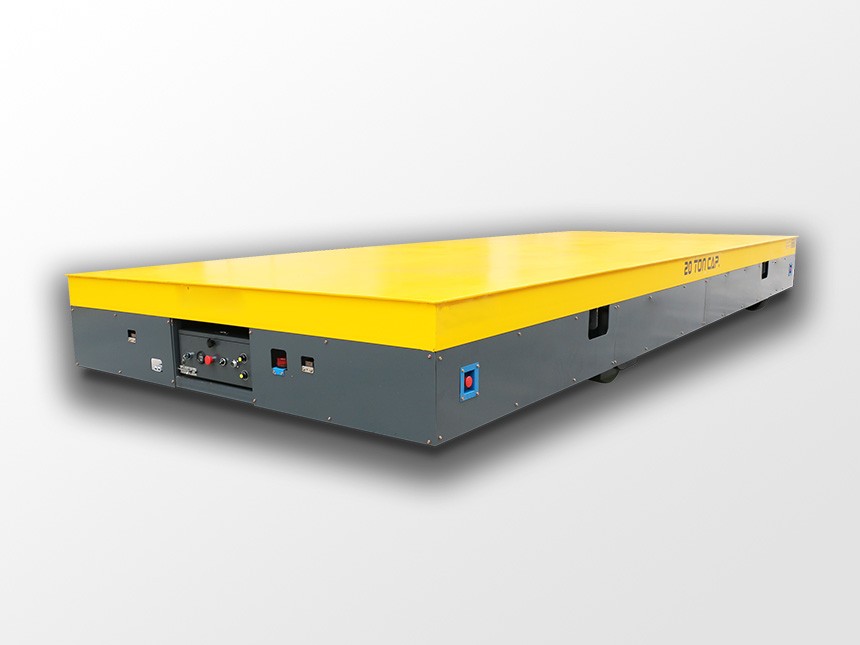
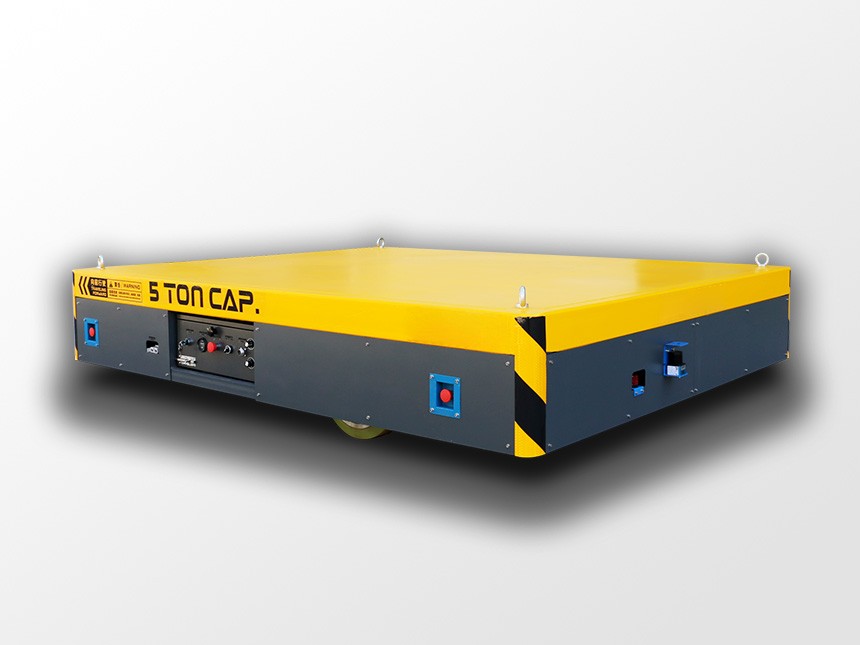
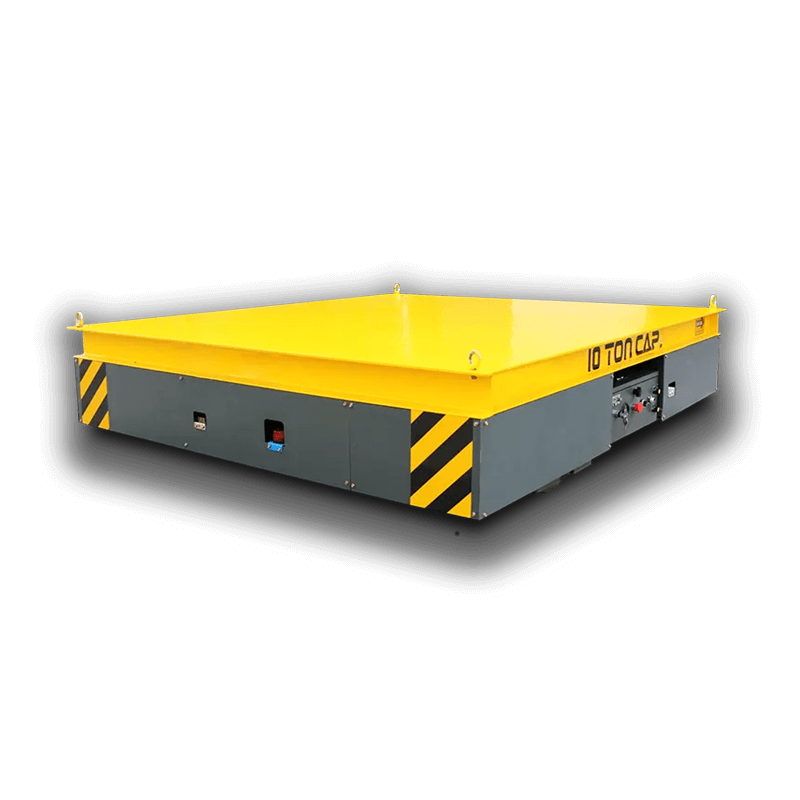
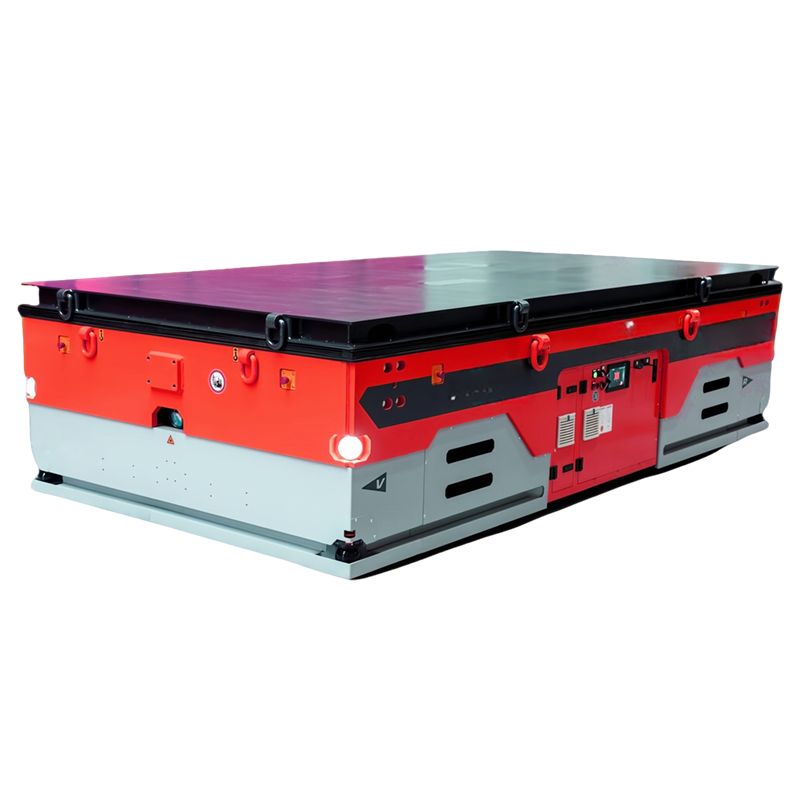
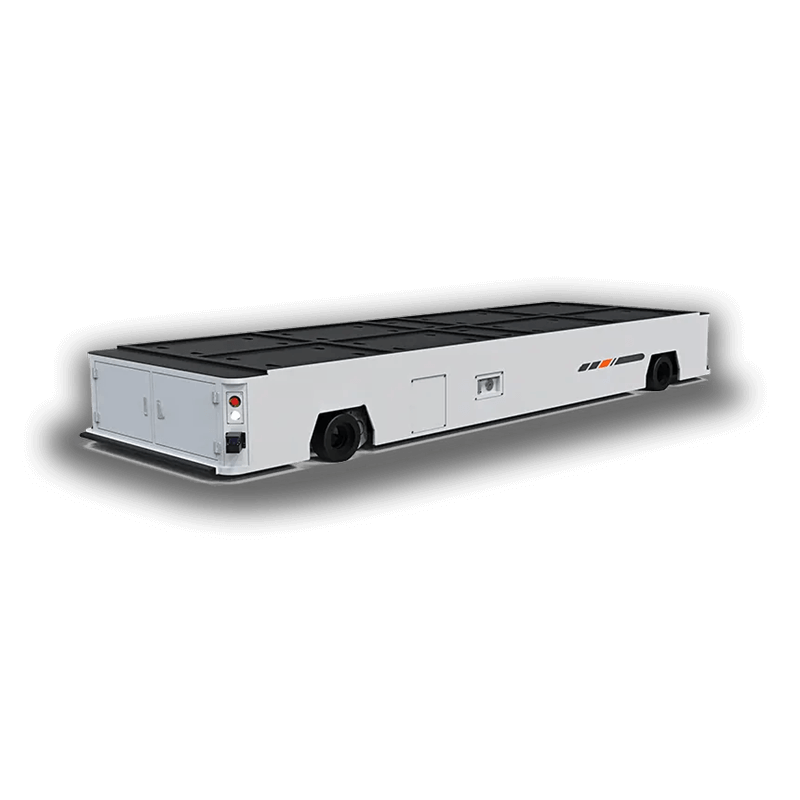
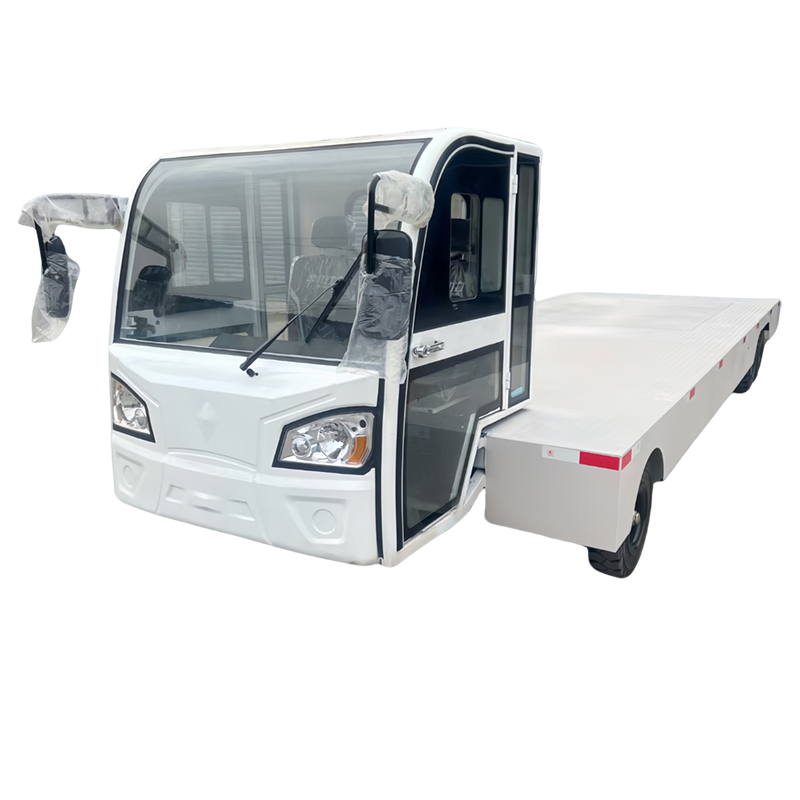
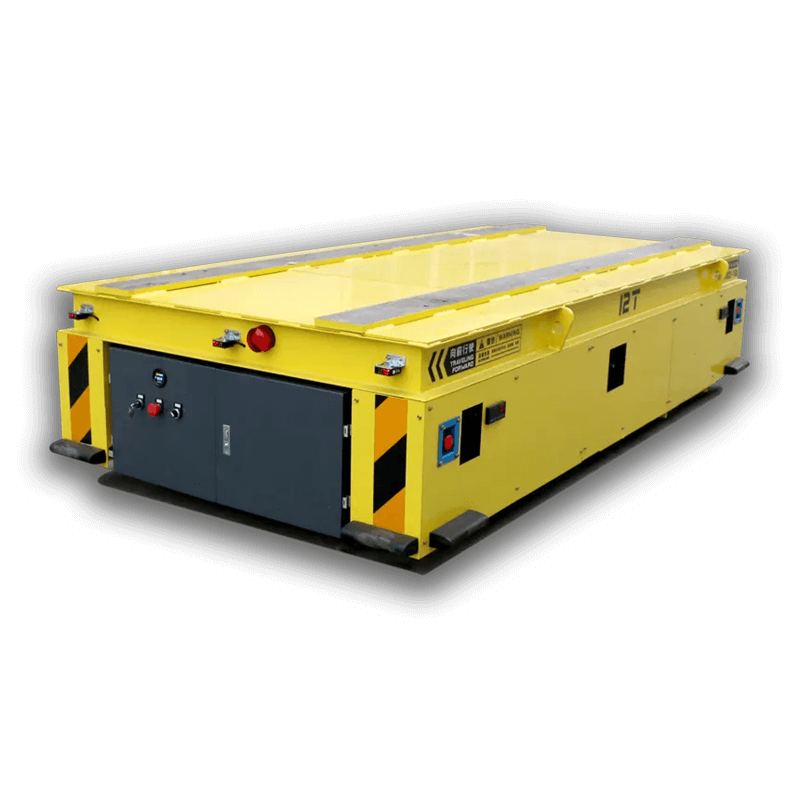
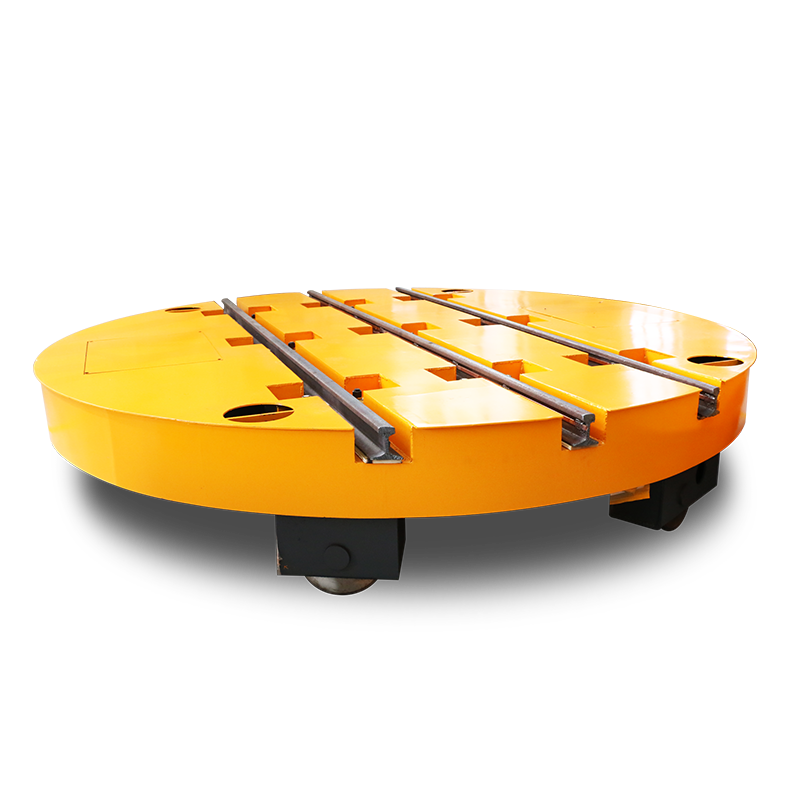
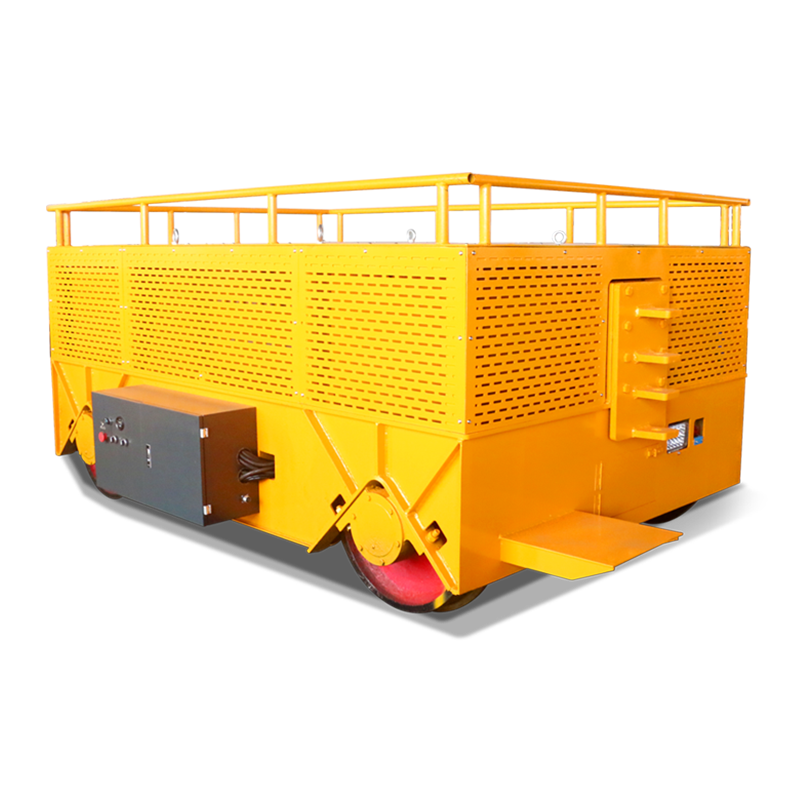
A remote-controlled electric transfer cart is a battery-powered, wheeled platform designed to move heavy loads—typically 1 to 500 tons—across factory floors under operator control via a handheld radio remote or pendant. Unlike forklifts, it carries loads on its deck rather than lifting them. Unlike fully autonomous AGVs, it relies on human direction for navigation.
This human-in-the-loop design creates a unique value proposition: the cart provides the muscle (battery power, motorized drive, heavy load-bearing structure) while the operator provides the brain (route selection, obstacle judgment, situational awareness). It's the industrial equivalent of power steering—amplifying human capability without replacing human judgment.
Core Components: What's Inside the Cart
The Deck and Frame
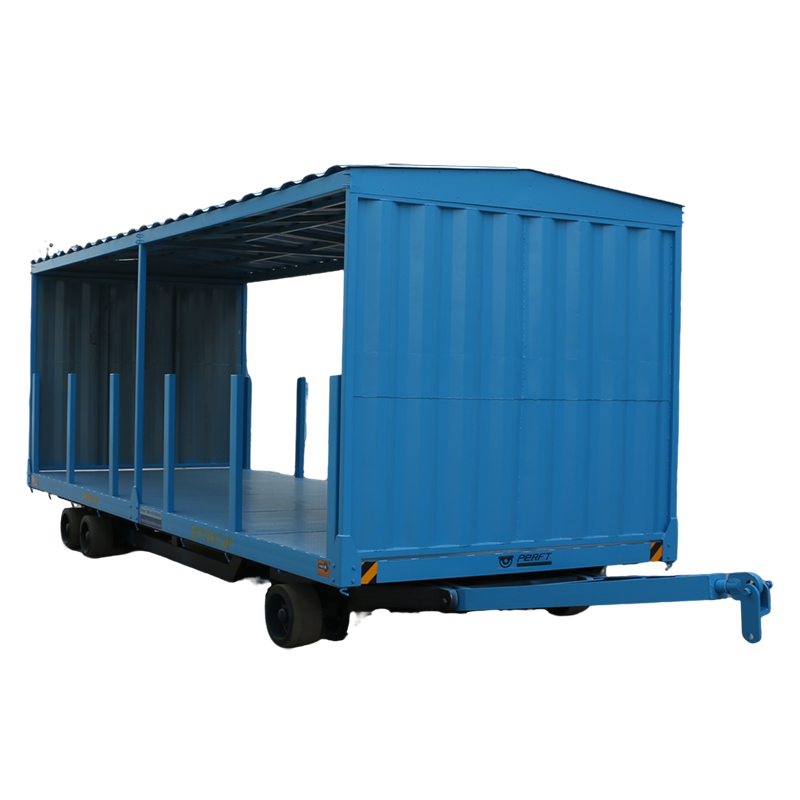
The cart deck is typically a welded steel platform with a flat or customized top surface. For general-purpose transport, a simple checker-plate surface suffices. For specialized loads, decks may include roller tops, V-supports for cylindrical loads, lift tables, or custom fixtures. The frame underneath distributes load weight to the wheel assemblies and houses the battery, motors, and control electronics.
The Drive System
Electric motors power the drive wheels through gearboxes selected for the target load capacity and speed range. Most carts operate at walking speed (20–60 meters per minute) with variable speed control. Heavy-load carts use AC induction motors for reliability; lighter carts may use DC brushless motors for efficiency. Dual-drive configurations with independently controlled wheels enable zero-radius turning.
The Battery
Industrial lead-acid or lithium batteries supply 24V, 48V, or 72V DC power, with capacity sized for a full shift of operation plus reserve. Lithium iron phosphate (LiFePO4) batteries have become the preferred choice for their fast charging, zero maintenance, and 3,000–5,000 cycle lifespan. Battery management systems monitor state of charge, temperature, and cell balance to prevent deep discharge damage.
The Remote Control System
The remote operates on industrial radio frequencies (typically 433 MHz or 2.4 GHz) with frequency-hopping spread spectrum technology for interference immunity. Controls include forward/reverse, speed adjustment, emergency stop, and auxiliary functions such as horn activation or deck lift control. Range varies from 50 to 200 meters depending on the transmitter power and facility layout. Industrial-grade remotes are IP65-rated for dust and water resistance.
Safety Systems
Every cart includes emergency stop buttons on the chassis and remote, obstacle detection sensors (photoelectric or LiDAR) that trigger automatic braking, audible and visual movement alarms, and anti-collision buffers. More advanced systems incorporate 360° scanning, speed reduction in designated zones, and automatic shutdown if the remote signal is lost.
How It Differs From Related Equipment
vs. Forklift
Forklifts lift, stack, and transport. Transfer carts only transport—but they do so at dramatically higher load capacities and with lower floor loading. A 20-ton forklift is a specialized and expensive machine; a 20-ton transfer cart is a standard configuration. Transfer carts also eliminate the tip-over risk inherent in forklift operation and operate safely in aisles too narrow for forklift turning.
vs. AGV (Automated Guided Vehicle)
AGVs navigate autonomously using sensors, software, and pre-mapped routes. Remote-controlled carts require an operator for every movement. The AGV advantage: labor reduction for repetitive routes. The transfer cart advantage: lower purchase cost (typically 50–70% less), zero integration complexity, and the ability to handle route variations that would confuse AGV navigation systems. For facilities with fewer than 10 repetitive transport routes, remote-controlled carts offer better ROI than AGVs.
vs. Overhead Crane
Cranes move loads vertically and horizontally across a defined area. Transfer carts move loads across the floor between areas. The two are complementary, not competitive—cranes load the cart, the cart transports between bays, another crane unloads. The decision isn't crane or cart; it's whether the cart fills the gap between crane zones.
Applications: Where Remote-Controlled Carts Excel
Heavy Manufacturing
Steel mills, foundries, and forging plants move hot or heavy materials between processing stations. Transfer carts rated for 50–500 tons with heat-resistant decks and sealed electronics handle these environments where AGV sensors would fail and forklifts can't achieve the capacity.
Automotive Assembly
Die and mold transport between storage and stamping presses requires precise positioning and gentle handling. Transfer carts with custom fixtures protect expensive tooling and allow one operator to move loads that previously required a forklift driver plus spotters.
Wind and Power Generation
Turbine components, transformer cores, and generator rotors often exceed 100 tons and have irregular shapes that defy forklift handling. Multi-axle transfer carts with synchronized drive systems distribute weight and provide the controlled movement these high-value components require.
General Factory Logistics
Cross-workshop transport of raw materials, work-in-progress, and finished goods. A 5-ton cart costs roughly what a mid-range forklift costs but carries loads the forklift cannot, operates with less training, and generates no emissions inside the facility.
Should Your Facility Use One?
Three indicators that a remote-controlled electric transfer cart belongs in your facility:
You move loads over 3 tons regularly. At these weights, manual handling is impossible and forklift alternatives require specialized equipment and operator certification.
Your routes are variable and human judgment matters. If every trip follows the same path, automation might make sense. If routes change per job and operators navigate around temporary obstacles, remote control preserves flexibility.
Floor loading or aisle width limits forklifts. Transfer carts spread weight across more wheels, reducing floor pressure. They also operate in aisles 1.5–2 meters wide—impossible for standard counterbalance forklifts.
Conclusion
A remote-controlled electric transfer cart is best understood not as a machine but as a capability: the ability to move anything heavy, anywhere on the factory floor, under complete human control, without the cost or complexity of automation. For facilities that handle heavy loads across variable routes, it remains the most practical material handling investment available.