
 English
 简体中文
简体中文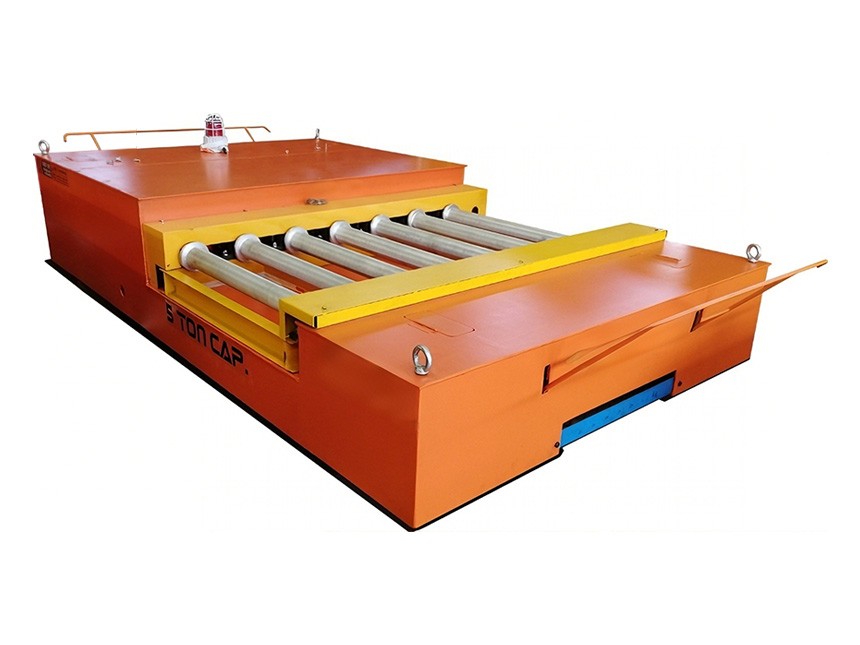
The Real Cost of Workplace Accidents in Material Handling
Material handling accounts for roughly 25% of all workplace injuries in manufacturing environments. The statistics are stark: crushed fingers from shifting loads, back injuries from manual pushing, struck-by incidents from forklift blind spots. But behind every OSHA recordable is a quieter set of costs—production downtime, equipment damage, increased insurance premiums, and the invisible drain of a workforce that no longer trusts the safety of their daily environment.
Reducing these accidents isn't a compliance exercise. It's an operational and financial imperative. This guide outlines practical, actionable strategies for making material handling safer without slowing production.
1. Equipment Selection: Safety Starts Before Operation
The most effective safety intervention happens before any operator touches a control—at the equipment selection stage. The right machine inherently creates fewer hazards than the wrong one adapted with workarounds.
Match Equipment to Load, Not Vice Versa
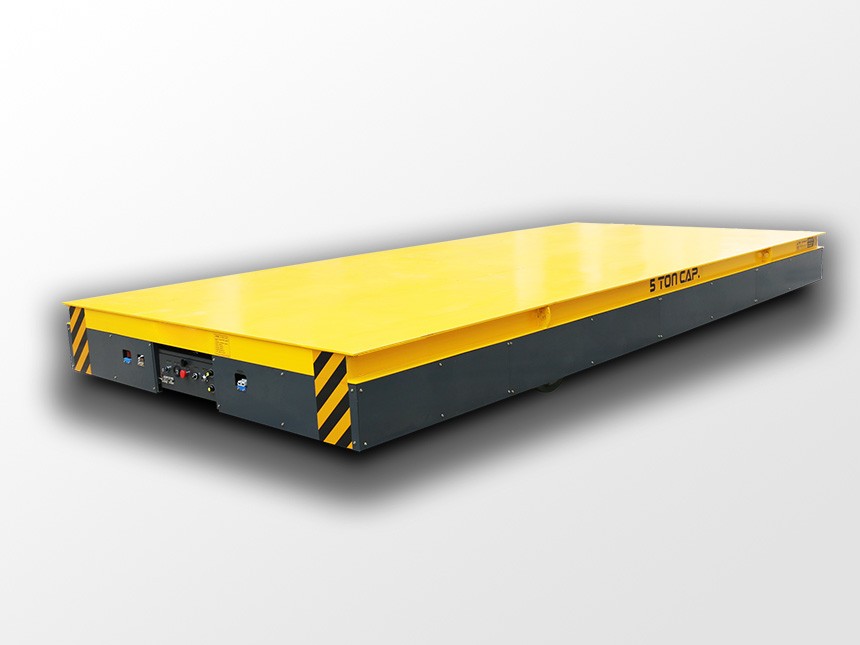
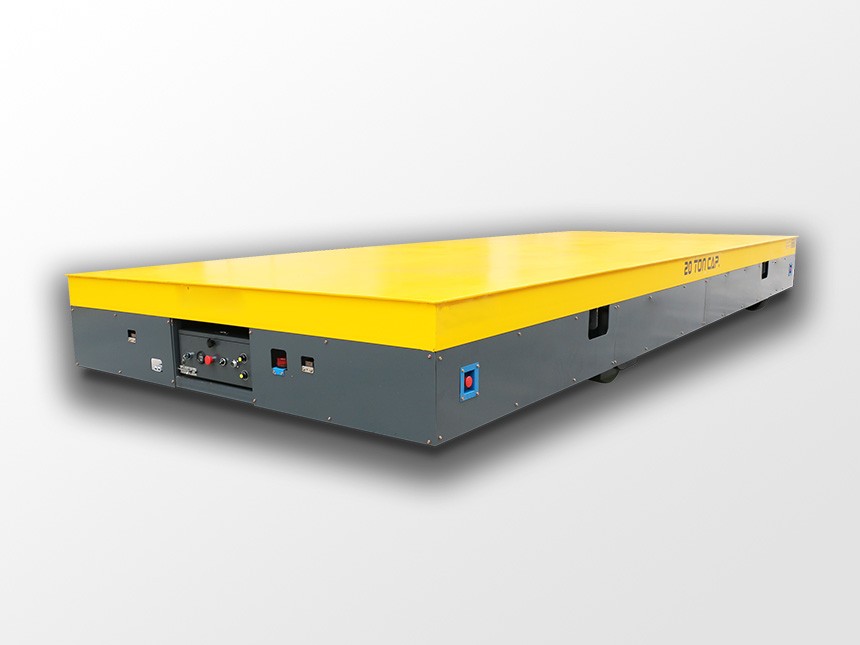
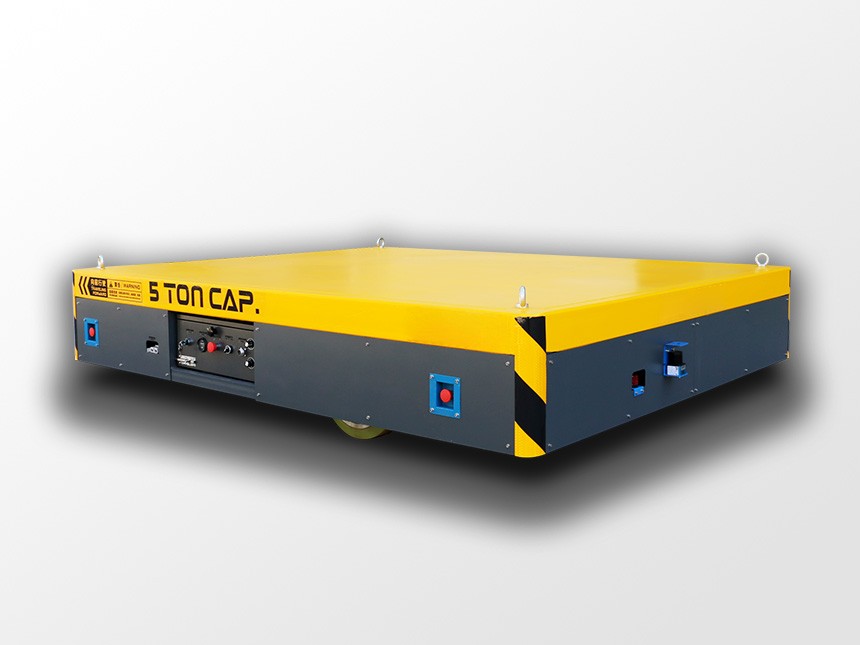
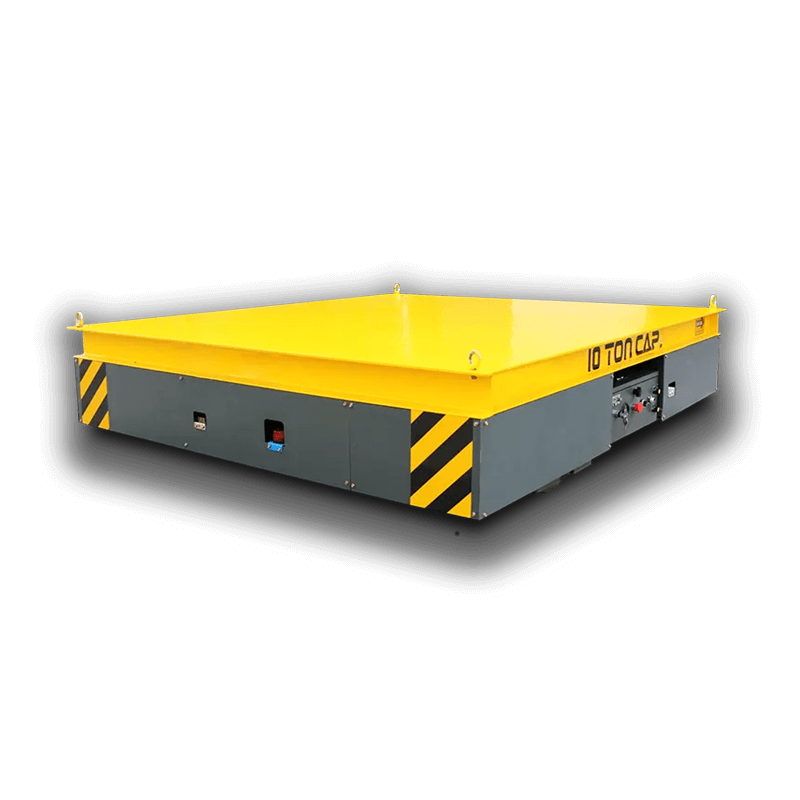
The single most common precursor to material handling accidents is using equipment at or beyond its rated capacity. A cart rated for 3 tons used occasionally for 3.5-ton loads may not fail immediately, but it builds a culture of margin erosion that eventually leads to catastrophic failure. Specify equipment with a 25% safety margin above your maximum load, and enforce that limit with overload protection systems that prevent operation above rated capacity.
Electric Carts Over Manual Handling
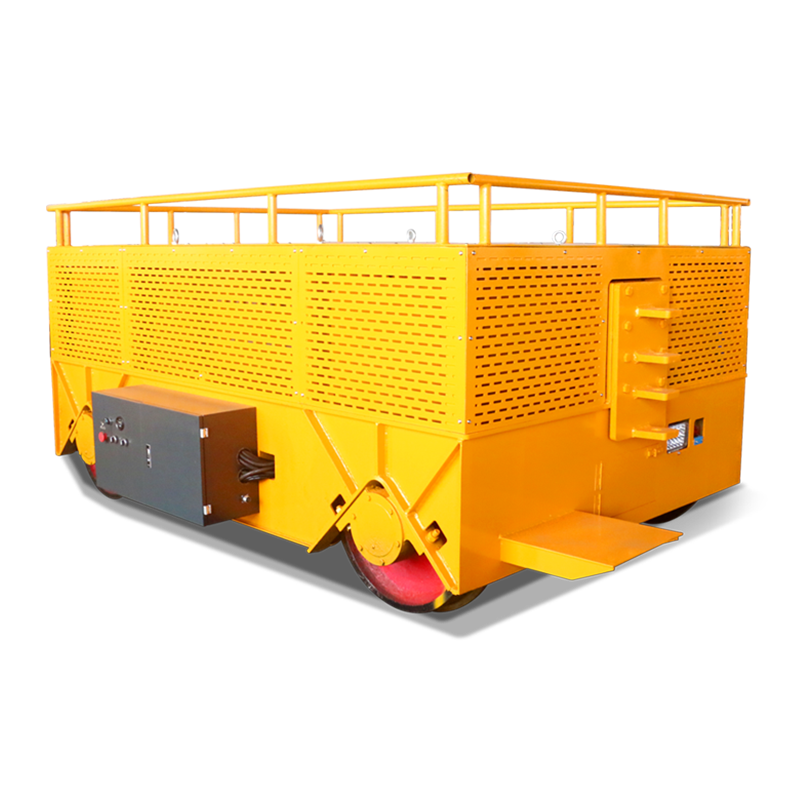
Any load over 500 kg that moves more than 20 meters per trip should not be pushed manually. The ergonomic injury risk—particularly to the lower back and shoulders—is well-documented and almost entirely preventable with motorized carts. Even for lighter loads, electric carts with remote controls eliminate the struck-by and crush risks associated with manual pushing, where the operator must be positioned between the load and the destination.
2. Built-In Safety Systems: What Every Cart Needs
Safety features are not optional add-ons. They are core design requirements that should be specified at the RFQ stage, not negotiated out for cost savings.
Emergency Stop Systems
Every cart must have emergency stop buttons accessible from at least two positions: on the cart chassis and on the remote control. E-stop circuits should be hardwired (not software-dependent) and designed to cut motor power instantly. A single E-stop activation should require manual reset—automatic restart creates the risk of unexpected movement after a stop.
Obstacle Detection and Automatic Braking
Photoelectric sensors or LiDAR scanners should create a detection zone around the cart. When an object or person enters the zone, the cart should decelerate and stop automatically. The detection zone should extend at least 1.5 meters in the cart's direction of travel at maximum speed. For carts operating in facilities with mixed pedestrian and vehicle traffic, 360° scanning eliminates blind spots entirely.
Audible and Visual Warnings
A rotating beacon and intermittent alarm should activate whenever the cart is in motion. These aren't decorative—they are the primary alert mechanism for anyone not facing the cart. In high-noise environments above 85 dBA, visual warnings (flashing lights) become more reliable than audible ones.
Anti-Collision Buffers
Physical rubber or polyurethane buffers on all four corners absorb low-speed impacts and prevent direct metal-to-metal or metal-to-wall contact. For carts operating in narrow aisles, side-mounted roller guides add lateral protection without adding significant width.
3. Operator Training: Competence, Not Just Compliance
A training checklist signed once a year doesn't create safe operators. Competence-based training does.
Scenario-Based Training
Go beyond basic control operation. Train operators on scenarios they'll actually encounter: navigating around unexpected obstacles, handling a load that shifted during transport, responding to a sensor-triggered emergency stop, coordinating with forklift traffic at aisle intersections. The first time an operator faces a real hazard shouldn't also be the first time they've practiced responding to one.
Load Securing Protocol
Unsecured loads are the leading cause of load-shift accidents. Every load transported on a flatbed cart should be secured unless the cart's speed and acceleration profiles have been tested and verified to prevent shifting for that specific load type. Train operators to inspect tie-downs before every trip and to refuse unsafe loads—and back that refusal with management support.
Communication Protocols
In shared-traffic environments, operators need standardized communication methods with forklift drivers, crane operators, and pedestrians. Hand signals, radio calls, or designated right-of-way rules prevent the uncertainty that leads to close calls. Post these protocols at every aisle intersection.
4. Facility Design: The Environment Shapes Behavior
A cart with every safety system can still be dangerous in a facility designed without safety in mind.
Traffic Separation
Where physically possible, separate pedestrian walkways from cart and forklift routes with painted lines, barriers, or different floor colors. Dedicated cart lanes reduce the decision burden on both operators and pedestrians—everyone knows where they should and shouldn't be.
Visibility at Intersections
Convex mirrors at blind corners, overhead warning lights that activate when a cart approaches an intersection, and floor markings indicating stopping points before entering shared zones—these cost hundreds, not thousands, and prevent the most common collision types.
Floor Condition Maintenance
Cracks, potholes, and uneven joints cause carts to jerk or tip, potentially shifting loads or startling operators into abrupt reactions. A preventive floor maintenance program—inspecting and repairing high-traffic routes quarterly—prevents the gradual degradation that leads to sudden accidents.
5. Building a Safety Culture That Sticks
The best equipment and training programs fail if the culture tolerates shortcuts.
Near-Miss Reporting
Create a no-blame near-miss reporting system. Every close call that gets reported prevents an accident that doesn't. Analyze near-miss patterns monthly: are they concentrated at certain intersections, certain times of day, or with certain load types? Patterns reveal systemic risks that single incidents hide.
Safety Audits With Operator Input
Walk the routes with the operators who use them daily. They know which corners are blind, which floor sections are rough, and which intersections are confusing. Management-led audits that exclude operator input consistently miss the real risks.
Conclusion
Reducing workplace accidents in material handling comes down to three principles: specify equipment with built-in safety rather than retrofitted workarounds, train for competence rather than compliance, and design the facility to make safe behavior the path of least resistance. The cost of implementing these measures is measured in thousands. The cost of not implementing them is measured in injuries, downtime, and the slow erosion of workforce confidence. There's no comparison.