
 English
 简体中文
简体中文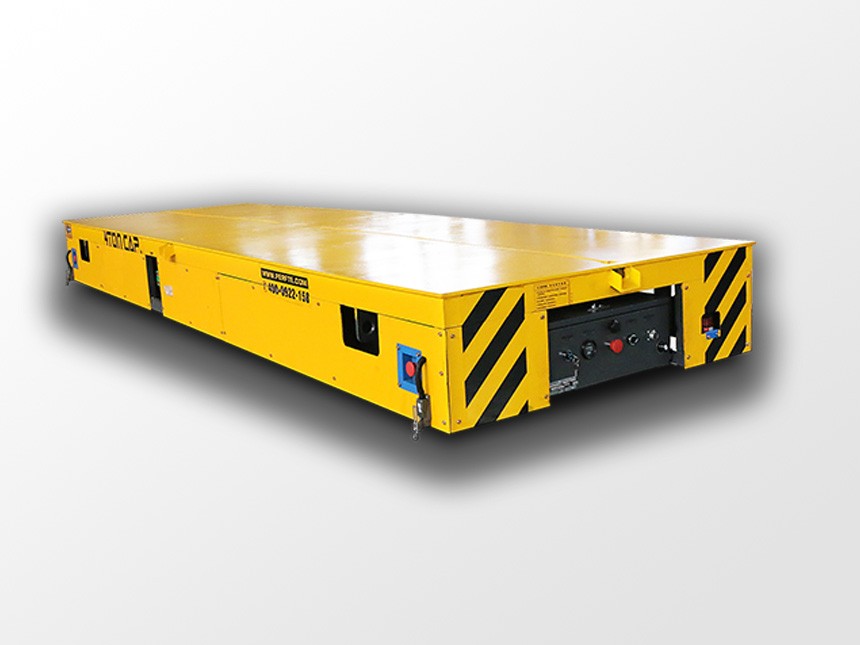
Production Line Feeding: The Critical Link in Manufacturing
Production line feeding—the process of delivering materials, components, and subassemblies to the right place on the production line at the right time—is one of the most critical and challenging logistics functions in manufacturing. If the feeding process fails, the production line stops, and the cost of that stoppage is measured in thousands of dollars per minute of lost production. If the feeding process is inefficient, work-in-process inventory accumulates, floor space is consumed, and working capital is tied up in inventory that adds no value. The design of the production line feeding system is therefore a strategic decision that affects manufacturing cost, production capacity, and operational flexibility. Transfer carts are a proven solution for production line feeding that provides reliable, flexible, and cost-effective material delivery for a wide range of manufacturing applications.
The Just-in-Time Imperative: Why Timing Matters
Modern manufacturing operates on just-in-time (JIT) principles: materials and components are delivered to the production line at the moment they are needed, neither early nor late. Early delivery creates inventory that consumes floor space, requires handling, and obscures production problems. Late delivery stops the production line, loses production capacity, and creates a cascade of schedule disruptions through the entire facility. The JIT imperative requires a feeding system that can deliver materials with precise timing, consistent reliability, and the flexibility to adapt to production schedule changes.
Transfer carts are well-suited to the JIT imperative because they provide controlled, predictable delivery that can be synchronized with production schedules. Unlike forklift delivery, which is subject to operator availability, traffic congestion, and variable travel times, transfer cart delivery follows a fixed schedule with consistent timing. The cart departs from the supply area at a scheduled time, travels along a fixed route at a controlled speed, and arrives at the production line at the scheduled delivery time. This predictability enables production planners to design tight material flows with minimal buffer inventory, reducing work-in-process and improving production efficiency.
Transfer Cart Configurations for Line Feeding: Matching the Solution to the Application
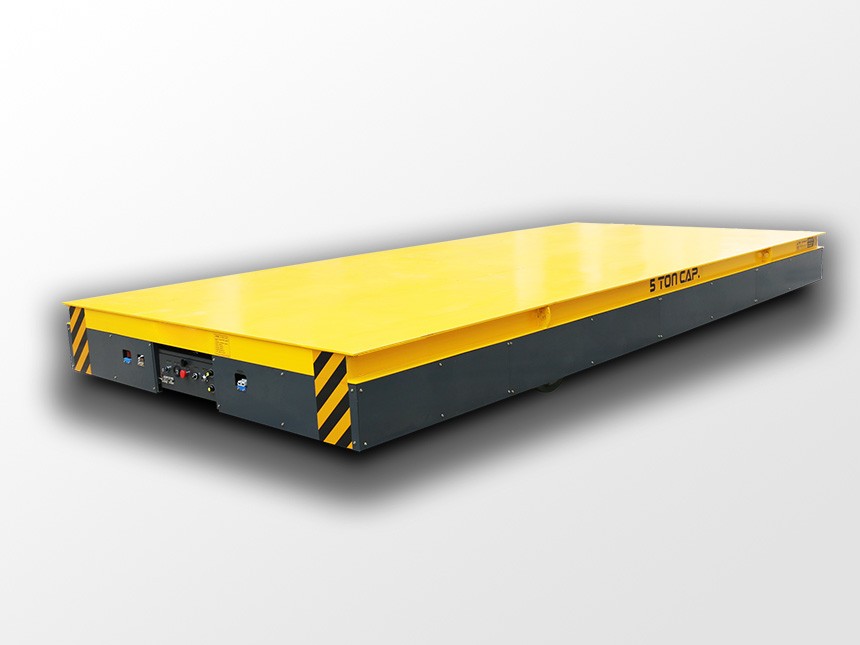
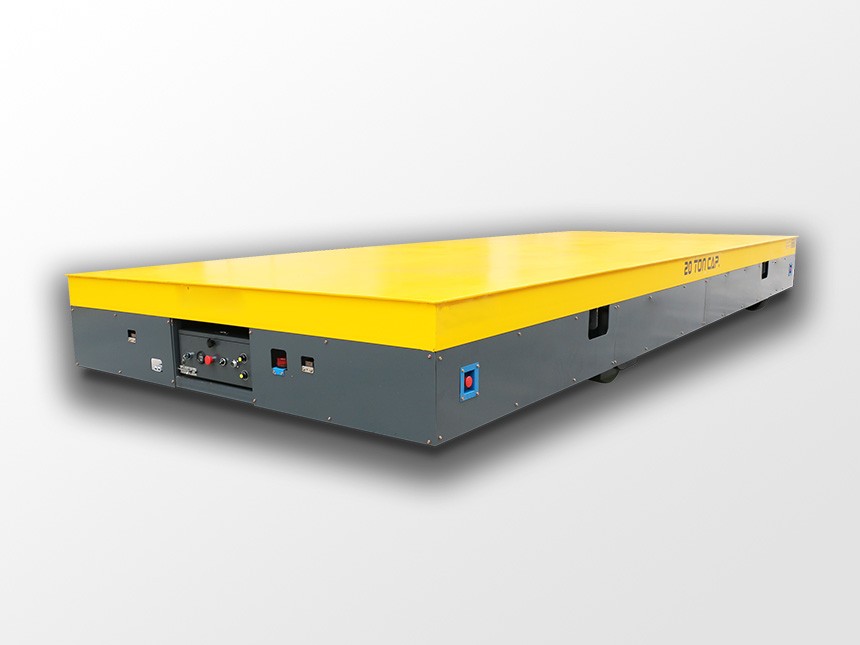
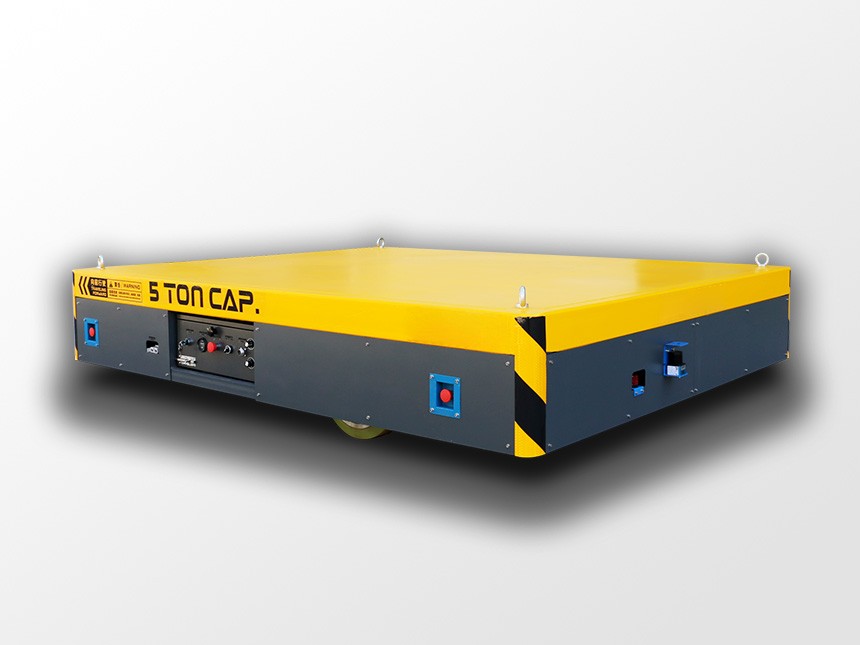
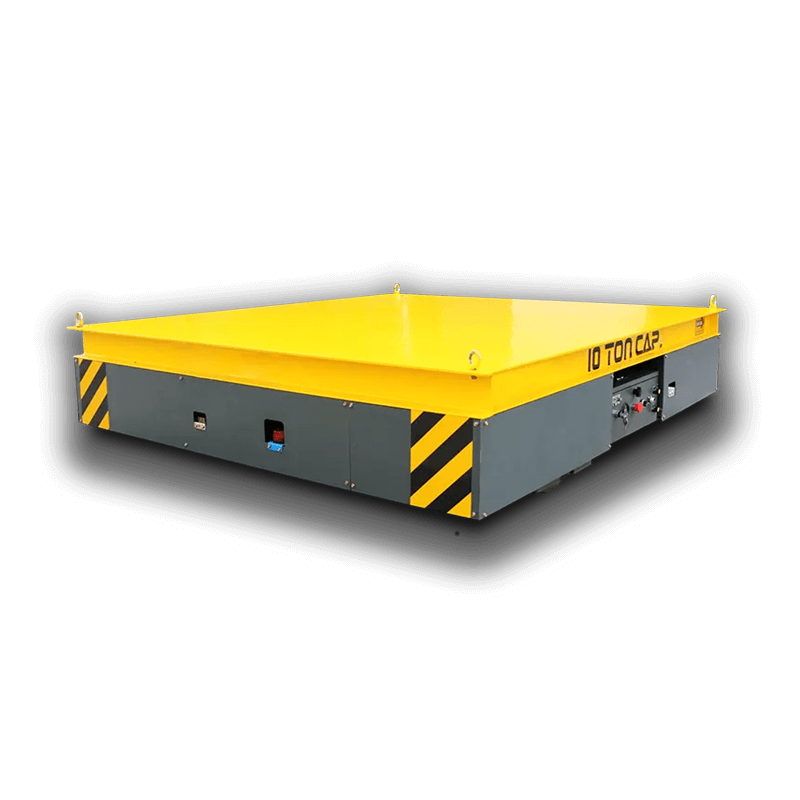
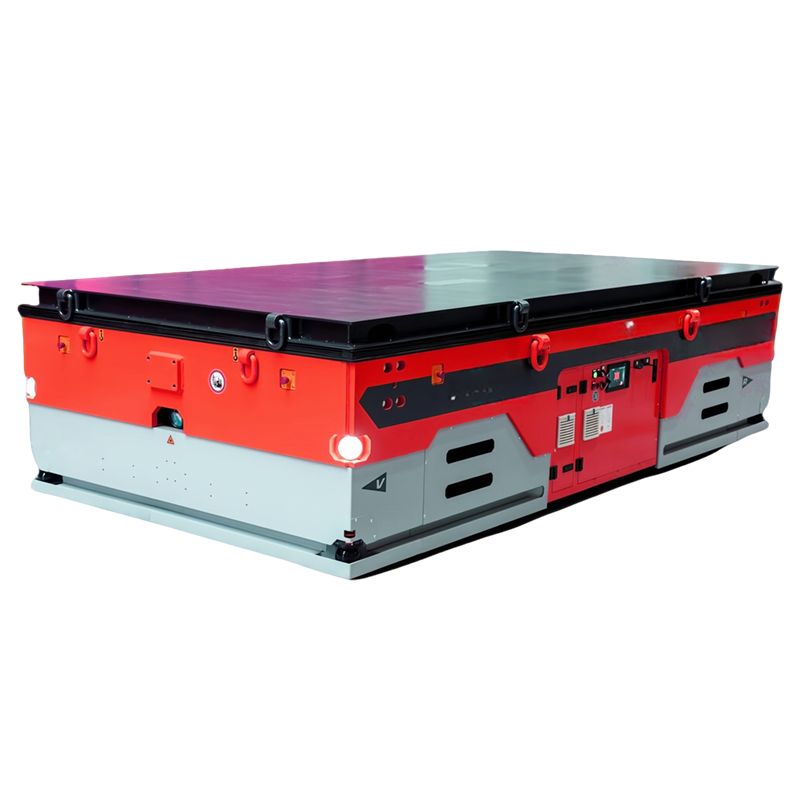
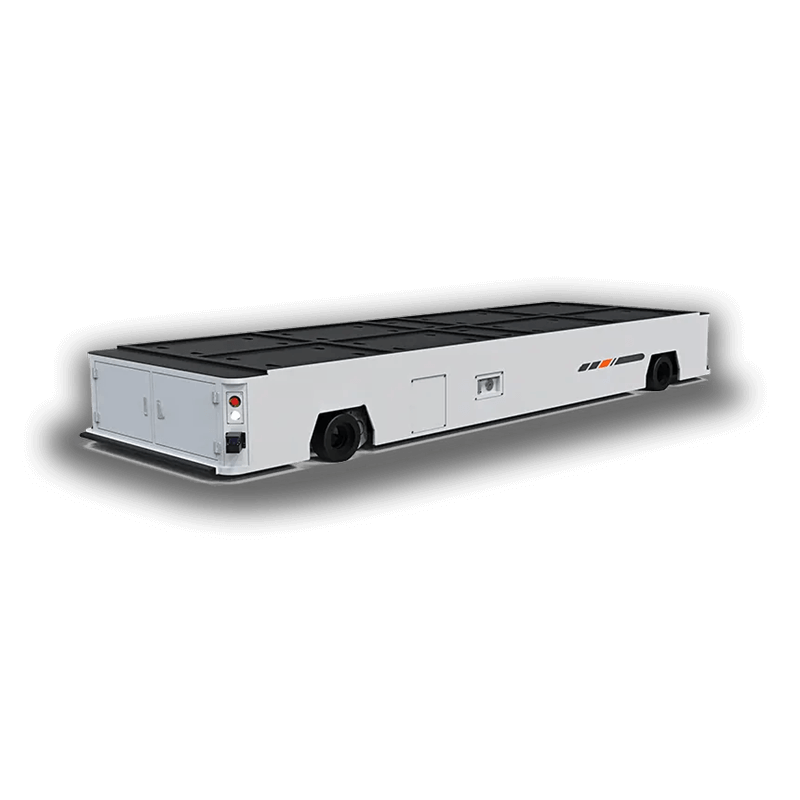
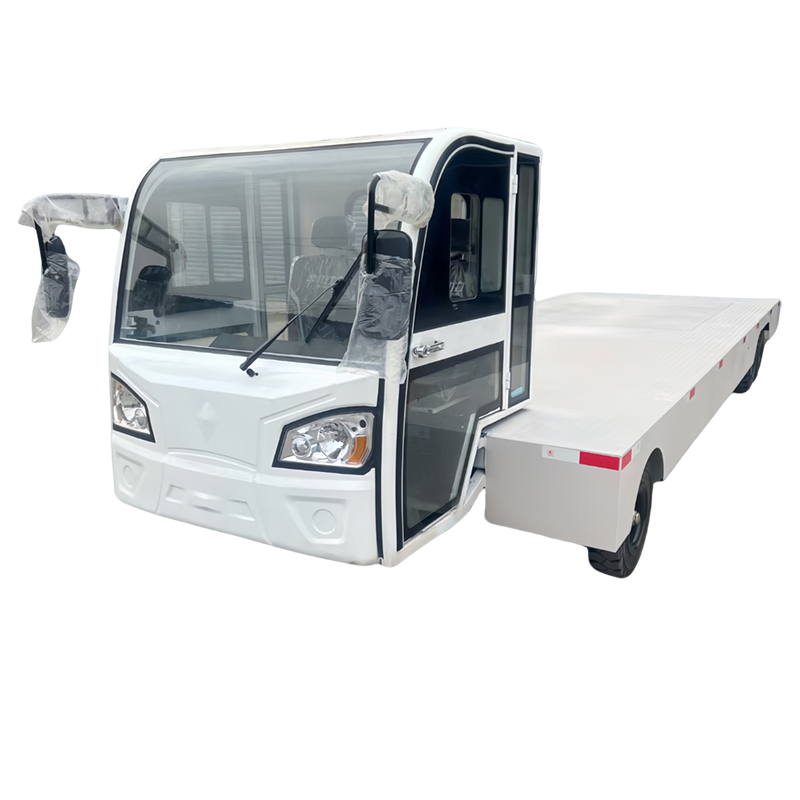
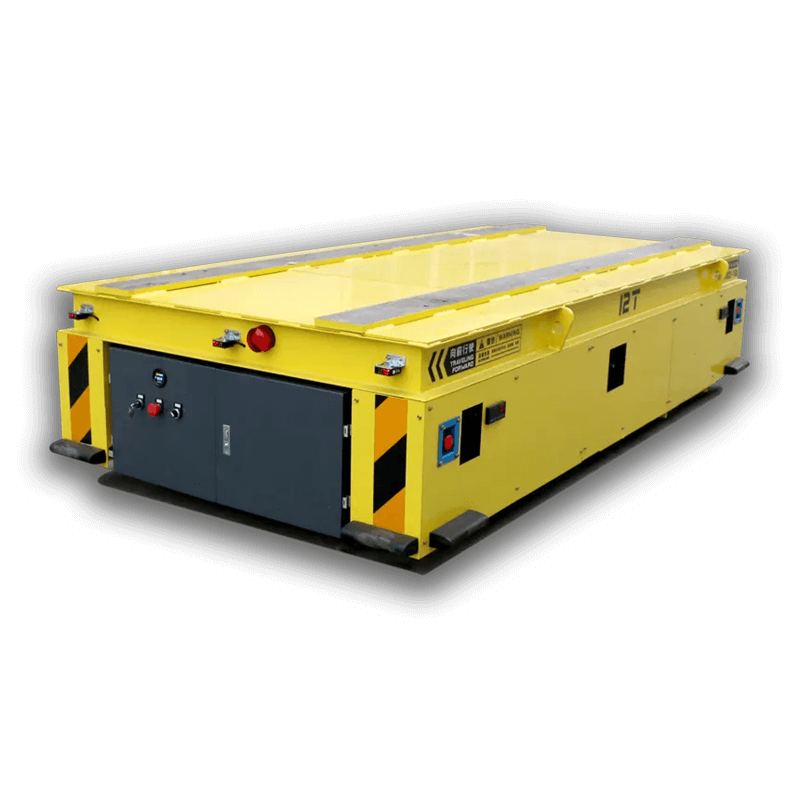
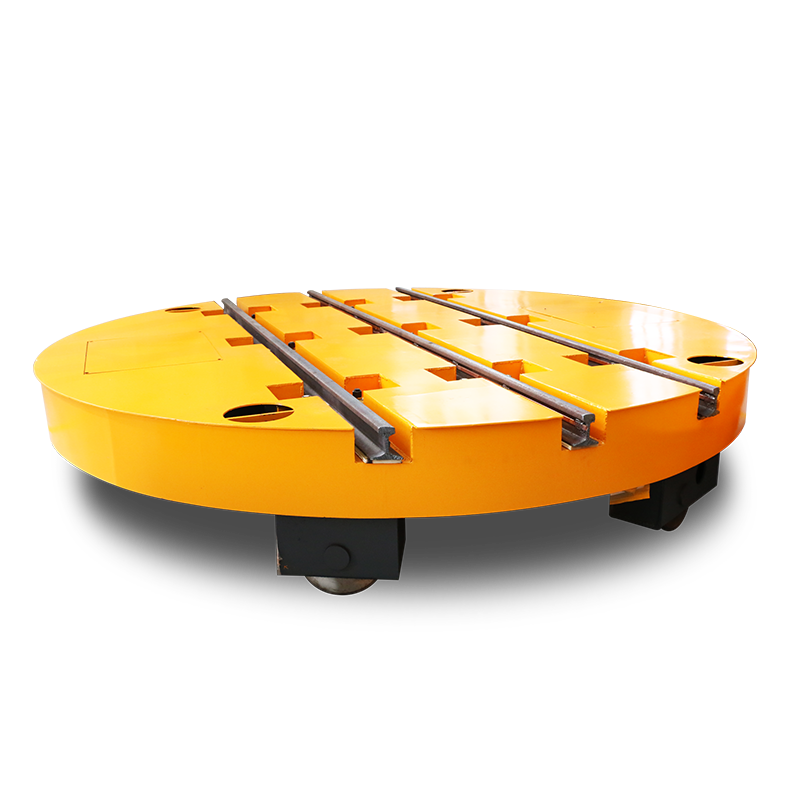
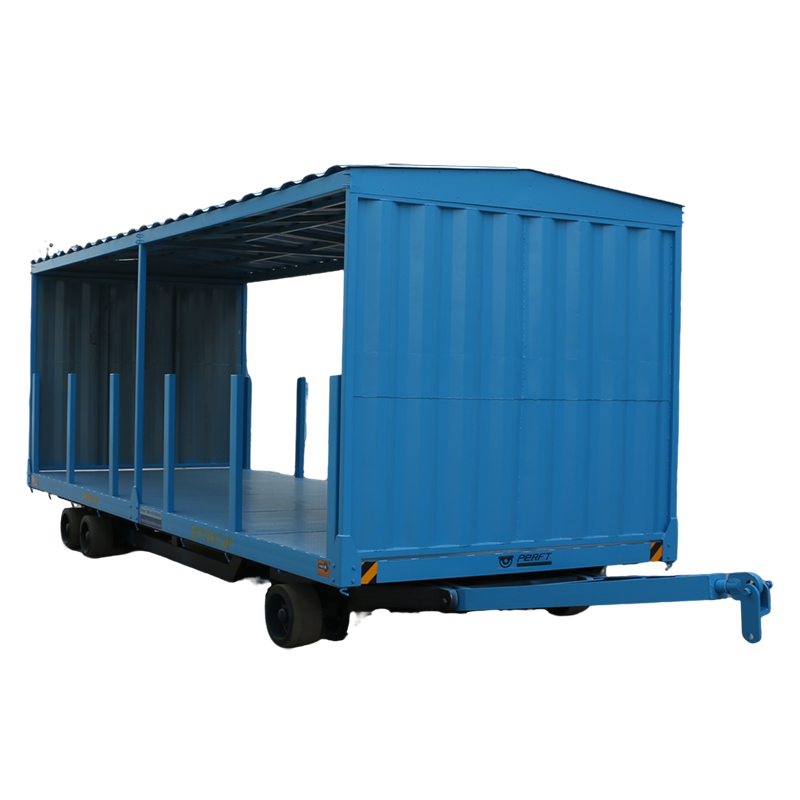
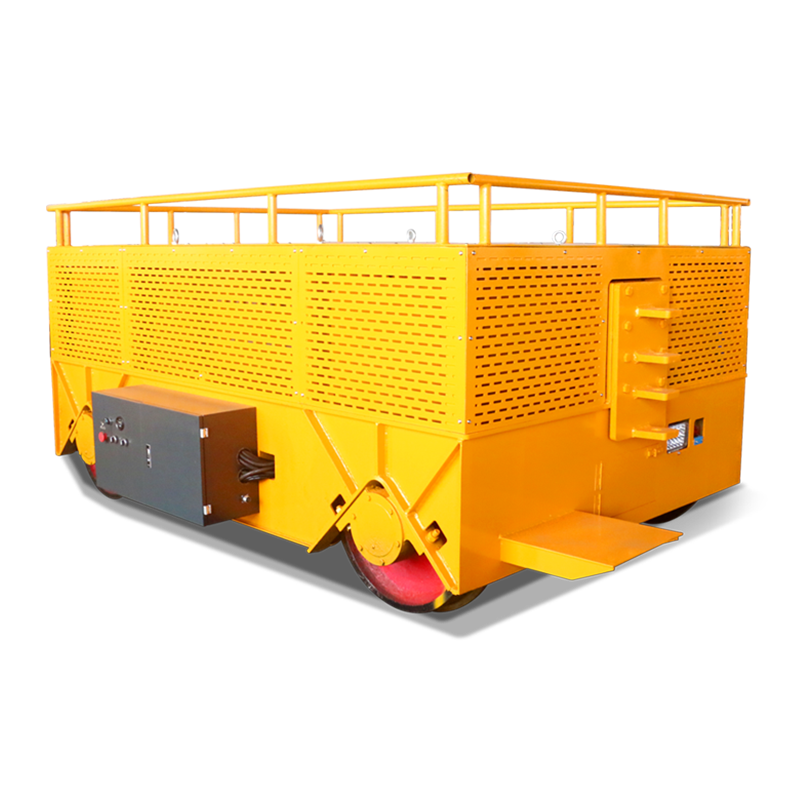
Transfer carts for production line feeding are available in a range of configurations that can be matched to the specific requirements of the application. Rail-guided transfer carts follow fixed tracks that connect the supply area to the production line, providing precise positioning and high-capacity transport for heavy loads. Rail-less transfer carts operate on the factory floor without fixed tracks, providing flexibility to serve multiple production lines and to adapt to changing line layouts. Automated transfer carts operate without operators, following programmed routes and schedules that integrate with the production control system. And custom transfer carts can be designed with specialized features—lift tables for ergonomic unloading, roller conveyors for automated transfer, or weighing systems for inventory verification—that address application-specific requirements.
The selection of transfer cart configuration for line feeding should be based on an analysis of the feeding requirements: the weight and dimensions of the materials being fed; the frequency and timing of deliveries; the number of production lines being served; the physical layout of the facility and the available space for transport routes; and the level of automation required and the integration requirements with existing systems. A configuration that is optimized for one application may be suboptimal for another, and the selection process should consider the full range of available options rather than defaulting to the most familiar or the least expensive.
Integration With Production Scheduling: The Connected Feeding System
The most effective production line feeding systems are integrated with the production scheduling system, enabling dynamic feeding that responds to real-time production requirements. In an integrated system, the production scheduling system generates material requirements based on the current production schedule, communicates these requirements to the transfer cart control system, and the transfer cart system executes the deliveries according to the schedule. If the production schedule changes—because of a rush order, a quality hold, or an equipment failure—the feeding system adjusts automatically, redirecting carts to the updated delivery points and times.
This integration requires communication between the production scheduling system and the transfer cart control system, typically through a manufacturing execution system (MES) or an enterprise resource planning (ERP) system. The integration architecture should define: the data exchange protocol—what information is exchanged, in what format, and at what frequency; the error handling procedures—how the system responds to communication failures, schedule conflicts, or delivery exceptions; and the fallback procedures—how the system operates when the integration is unavailable, ensuring that production can continue even if the automated feeding system is degraded. A well-designed integration provides the benefits of dynamic feeding while maintaining operational resilience.
Ergonomic Benefits: Protecting Workers at the Point of Delivery
Production line feeding is not just a logistics function; it is also an ergonomic function that affects the health and safety of production workers. Manual delivery of materials to production lines—carrying components, lifting containers, and positioning materials at the workstation—creates ergonomic risk that can lead to injuries, absenteeism, and reduced productivity. Transfer carts can eliminate or reduce this ergonomic risk by delivering materials at the correct height, in the correct orientation, and with the correct timing for ergonomic handling.
Transfer carts with lift tables can deliver materials at workstation height, eliminating the need for workers to bend or reach to access materials. Carts with roller conveyors or tilt decks can present materials at an ergonomic angle for easy removal. And carts with precise positioning can place materials within the worker's reach envelope, minimizing the need for stretching or twisting. These ergonomic features not only reduce injury risk but also improve productivity by enabling workers to access materials more quickly and with less physical effort. The ergonomic benefits of transfer cart feeding should be included in the economic justification for the system, along with the logistics benefits.
Scalability and Flexibility: Adapting to Changing Production Requirements
Production requirements change over time: product mix changes, production volumes change, and line layouts change. The production line feeding system must be able to adapt to these changes without requiring complete replacement. Transfer carts provide scalability and flexibility that static feeding systems—fixed conveyors, dedicated forklifts, or manual delivery—cannot match. Adding capacity with transfer carts requires only adding carts to the fleet, not modifying fixed infrastructure. Changing routes requires only reprogramming the cart control system, not relocating conveyors or retraining forklift operators. And serving new production lines requires only extending the rail system or defining new routes for rail-less carts, not installing new fixed feeding systems.
This scalability and flexibility provides strategic value that extends beyond the immediate operational benefits. A facility with a transfer cart feeding system can respond more quickly to new product introductions, production volume changes, and facility reconfigurations than a facility with fixed feeding infrastructure. This responsiveness enables the facility to compete more effectively in markets where product lifecycles are short and production requirements are volatile. The transfer cart feeding system is not just a logistics solution; it is a strategic asset that enhances the facility's operational agility.