
 English
 简体中文
简体中文
Why Safety Systems Matter in Electric Flatbed Carts
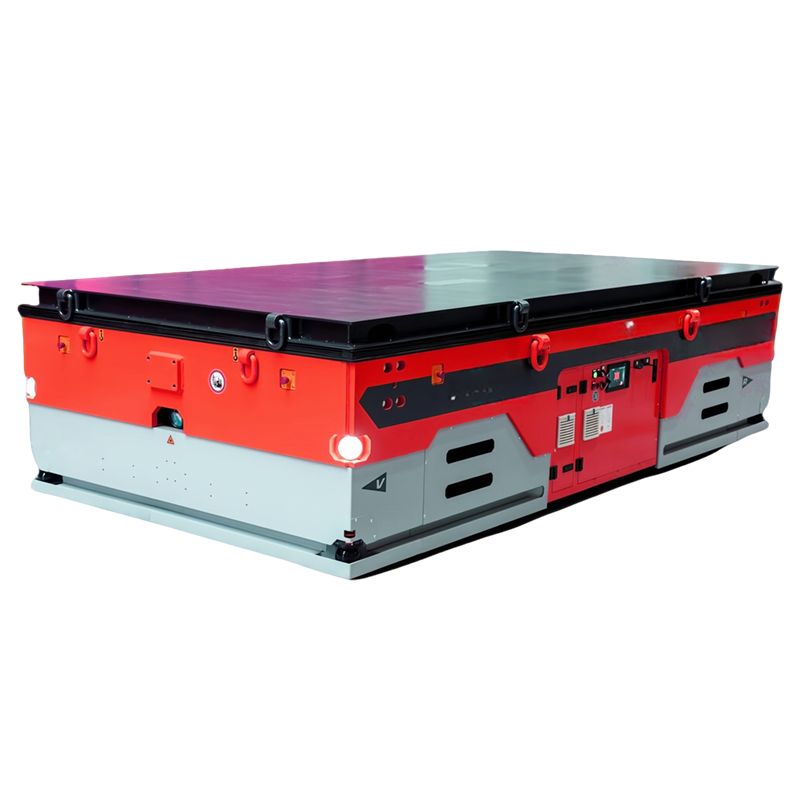
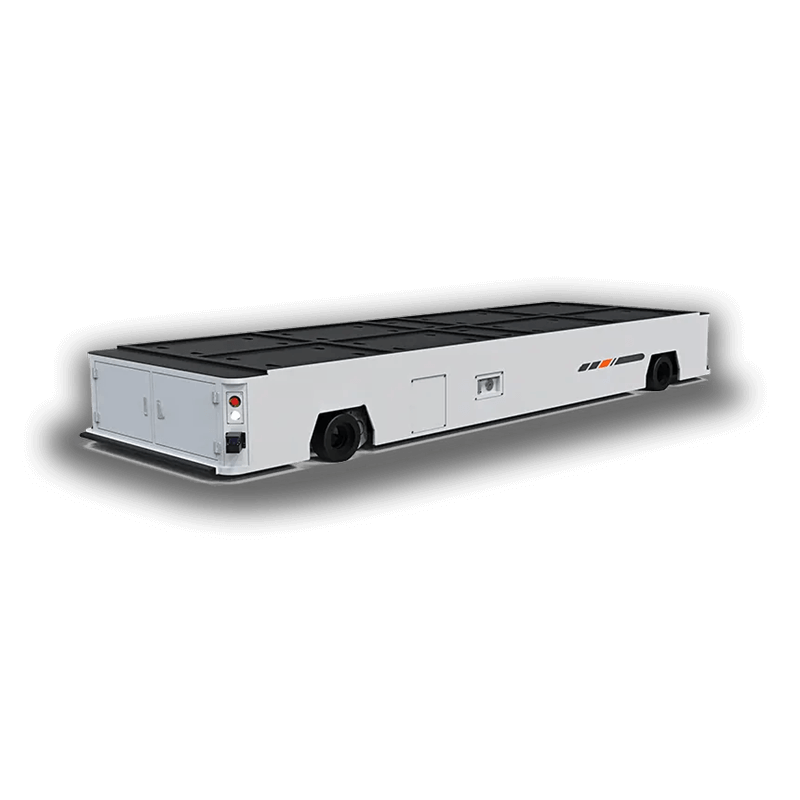
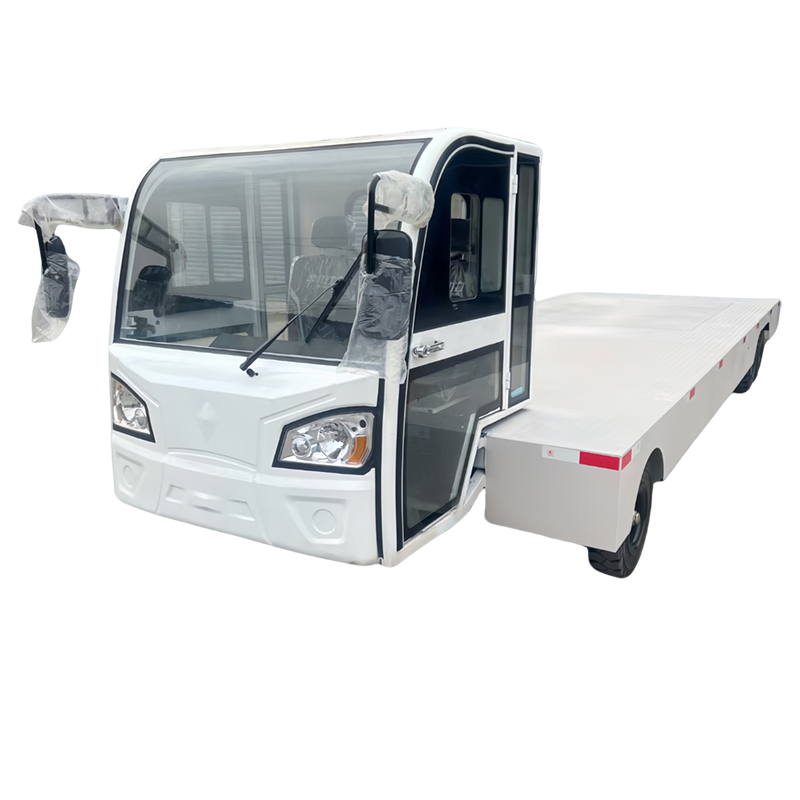
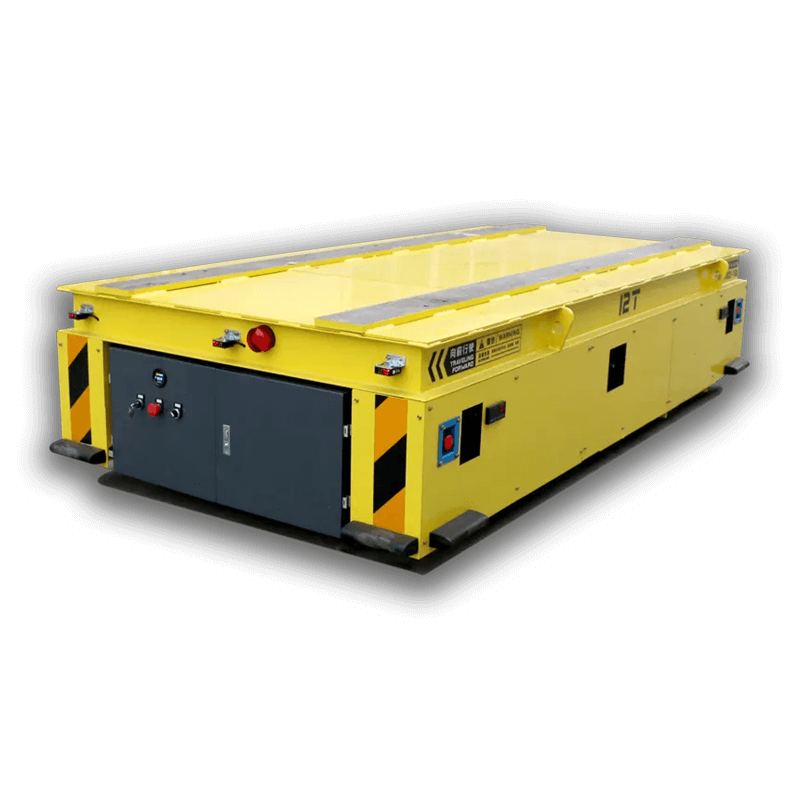
Electric flatbed carts operate in busy industrial environments alongside pedestrians, forklifts, overhead cranes, and fixed machinery. The potential for collisions, load-related injuries, and electrical hazards makes safety systems an essential design consideration—not an optional add-on. Modern electric flatbed carts incorporate multiple layers of safety protection, from basic mechanical safety devices to advanced sensor-based collision avoidance systems. Understanding these safety systems helps facility managers specify carts that protect both operators and the broader workplace.
1. Emergency Stop Systems
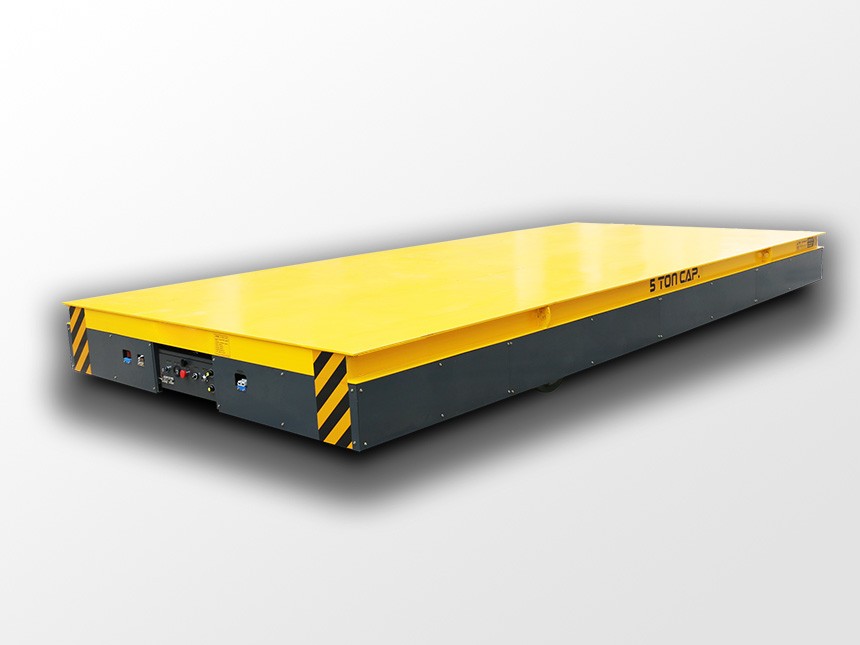
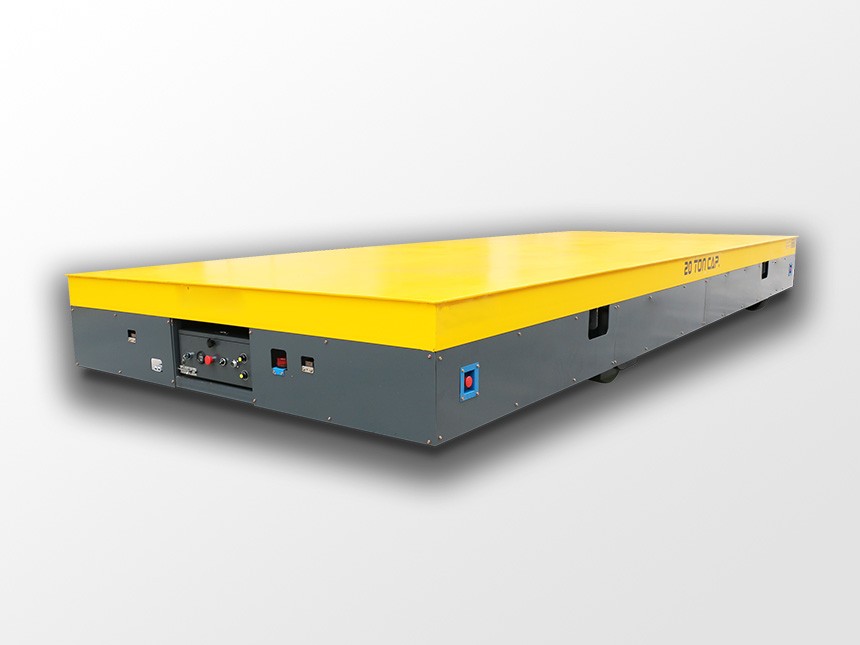
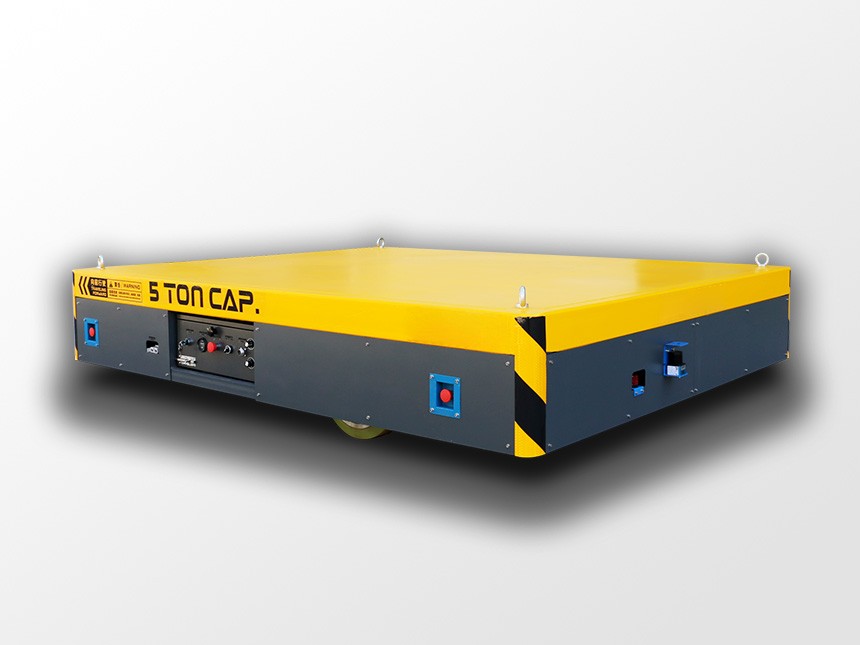
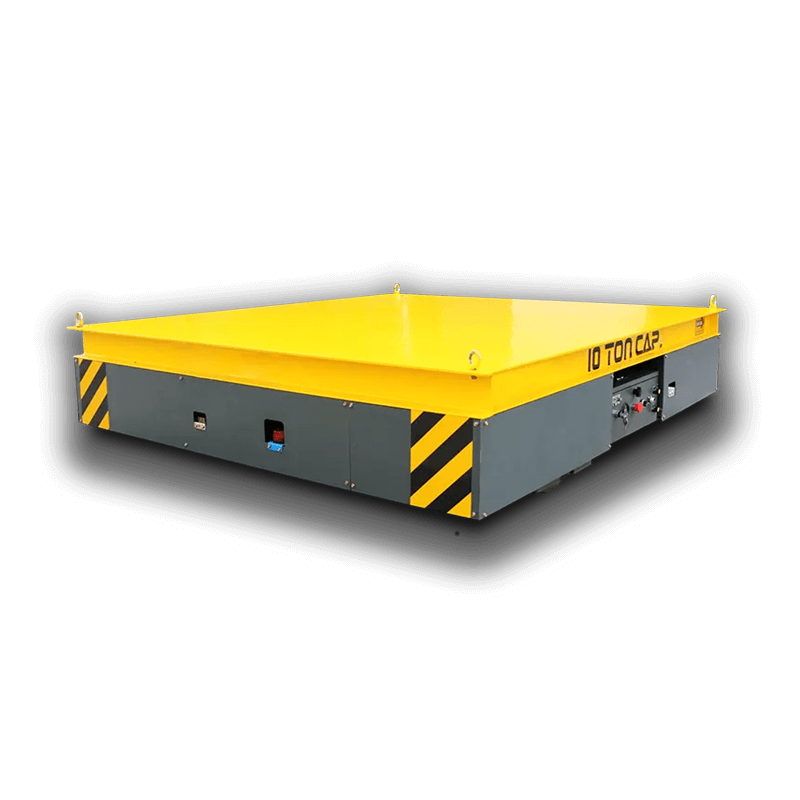
The emergency stop system is the most fundamental safety feature on every electric flatbed cart. Emergency stop buttons must be positioned at multiple locations on the cart—typically one on the control panel, one on each side of the cart frame, and one on the remote control handset if the cart uses remote operation. When activated, the emergency stop must cut power to the drive motors immediately and engage the braking system to halt the cart within a defined stopping distance.
Emergency stop systems use safety-rated components certified under relevant standards such as ISO 13850 and IEC 60947, with normally-closed contact configurations that stop the cart if the emergency stop wiring becomes disconnected or damaged. Regular testing of emergency stop functionality—at minimum quarterly—verifies that all emergency stop positions work correctly and stopping distances remain within specification.
2. Obstacle Detection and Collision Avoidance
Obstacle detection systems use various sensor technologies to identify objects or personnel in the cart's travel path and stop movement before collision occurs. The most common sensor types include infrared proximity sensors for short-range detection, laser scanners for precise distance measurement and area monitoring, and ultrasonic sensors for detecting objects regardless of surface reflectivity or color. Each sensor type has advantages and limitations that determine its suitability for different applications.
Laser safety scanners offer the most comprehensive collision avoidance capability. These devices project a scanning laser plane and create programmable detection zones that can be configured differently for straight travel, turning, and approach areas. The detection zone size and shape can be customized based on cart speed, with longer detection zones at higher speeds and shorter zones when the cart slows for docking or positioning. Some advanced systems create two detection zones: a warning zone that triggers slower cart speed and an alarm, and a protective zone that triggers an immediate stop.
3. Load Monitoring and Stability Systems
Load-related safety systems protect against the risks associated with improper loading, overloading, and load shifting during transport. Load cell sensors integrated into the flatbed deck structure continuously measure load weight and can trigger alarms or prevent cart movement when overload conditions are detected. This prevents the mechanical stress and potential structural failure that result from operating the cart above its rated capacity.
For carts that transport loads with uneven weight distribution, stability monitoring systems use multiple load sensor points to detect weight imbalances that could cause tipping during turning or on uneven surfaces. If an unsafe load distribution is detected, the system alerts the operator and restricts cart speed until the load is redistributed or the condition is manually overridden under controlled procedures.
4. Operator Protection Features
Operator protection extends beyond collision avoidance to include features that protect the cart operator directly. Dead-man switches require continuous operator input to maintain cart movement—if the operator releases the control, the cart stops automatically. This feature is critical for remote-controlled carts and prevents uncontrolled cart movement if the operator drops the remote, falls, or becomes distracted.
Operator presence detection systems determine whether an operator is in the normal operating position and prevent cart movement when the operator is not properly positioned. For pendant-controlled carts, this may include a pressure-sensitive floor mat at the operating position. For radio remote-controlled carts, the remote's connection status serves as a de facto presence indicator—the cart stops if the remote disconnects or the operator moves beyond the remote's effective range.
5. Electrical and Battery Safety
Electric flatbed carts operate at voltages ranging from 24V for small carts to 96V or higher for large-capacity carts, creating potential electrical hazards. Safety systems addressing electrical risks include insulated and enclosed power distribution, overcurrent protection through fuses or circuit breakers at each power circuit, ground fault detection that interrupts power when leakage current exceeds safe limits, and battery disconnect switches accessible for emergency services.
Battery charging areas present additional safety concerns. Carts with integrated battery management systems monitor battery temperature during charging and automatically stop charging if temperature exceeds safe limits. Ventilation requirements vary by battery type: lead-acid batteries generate hydrogen during charging and require adequate ventilation, while lithium batteries require thermal monitoring but do not generate gas during normal charging.
6. Warning and Communication Systems
Audible and visual warning systems alert nearby personnel to the cart's presence and movement status. Reversing alarms activate when the cart moves in reverse, and motion warning lights or beacons flash during all cart movement. The specific warning configuration should match the facility's noise level and visibility conditions—loud environments require louder alarms, while facilities with frequent cart movement may use alternative warning patterns.
Some advanced carts incorporate two-way communication systems that allow operators to communicate with facility control rooms or other cart operators via integrated intercom or radio, improving coordination in busy industrial environments.
7. Safety System Maintenance and Verification
Safety systems require regular verification to ensure continued functionality. Implement a documented safety system inspection schedule that includes weekly operator pre-use checks (emergency stop, warning devices, dead-man switch), monthly system-level verification (obstacle detection calibration, sensor cleaning, alarm volume), and quarterly comprehensive safety audits including stopping distance measurement under load. Maintain records of all safety system inspections and promptly address any identified deficiencies before returning the cart to service.