
 English
 简体中文
简体中文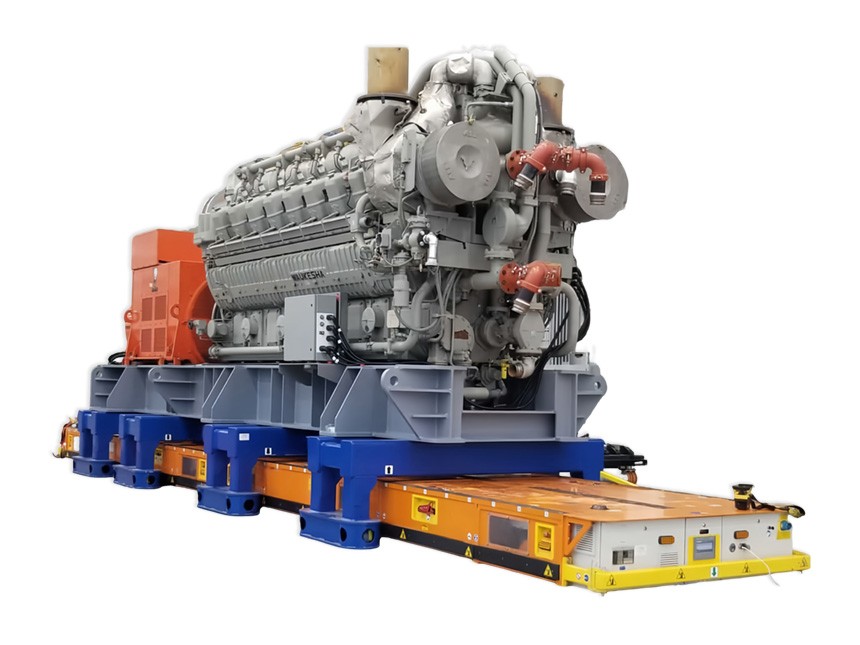
Why Heavy Equipment Transport Demands Specialized Solutions
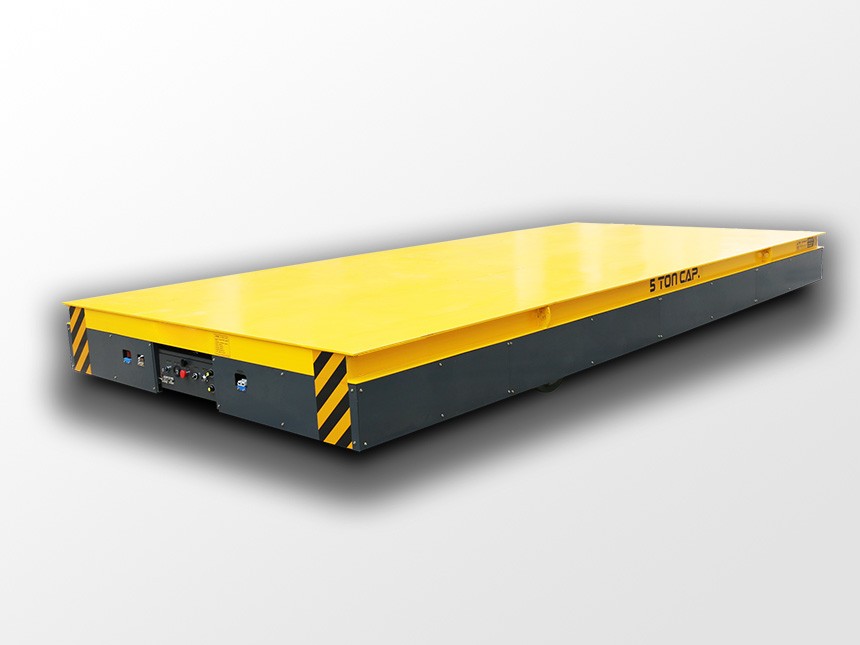
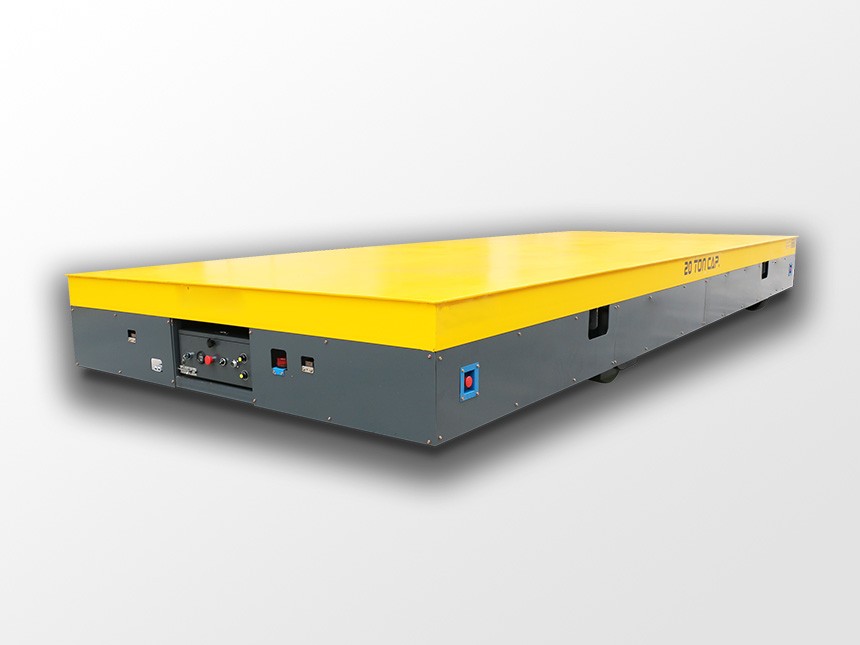
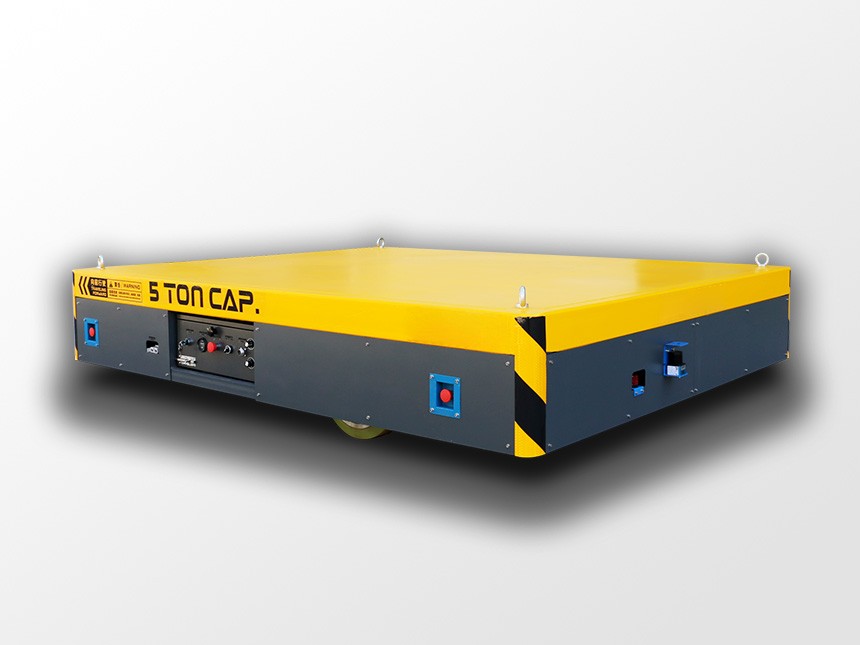
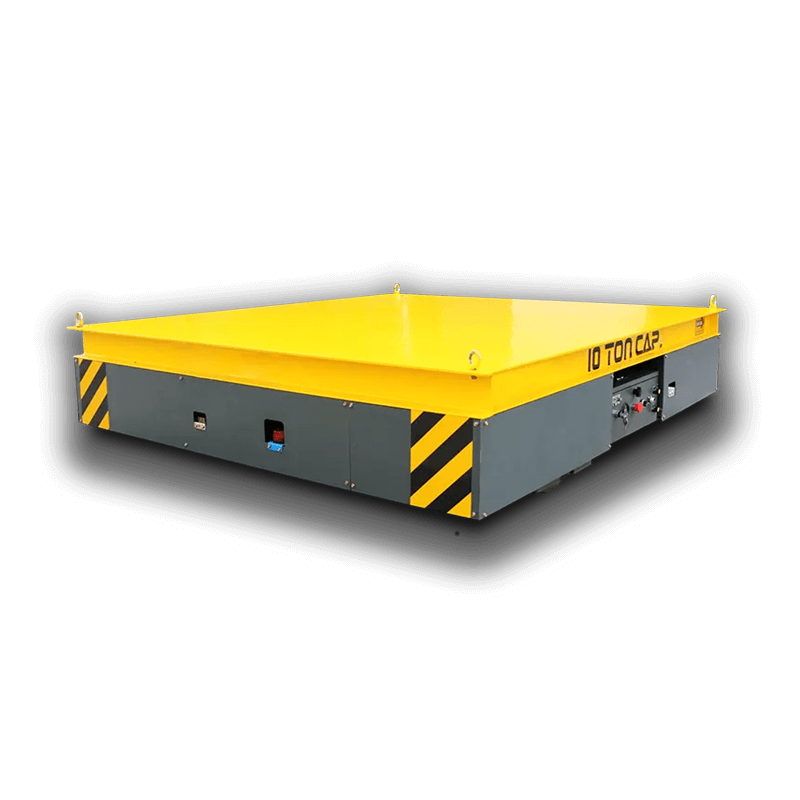
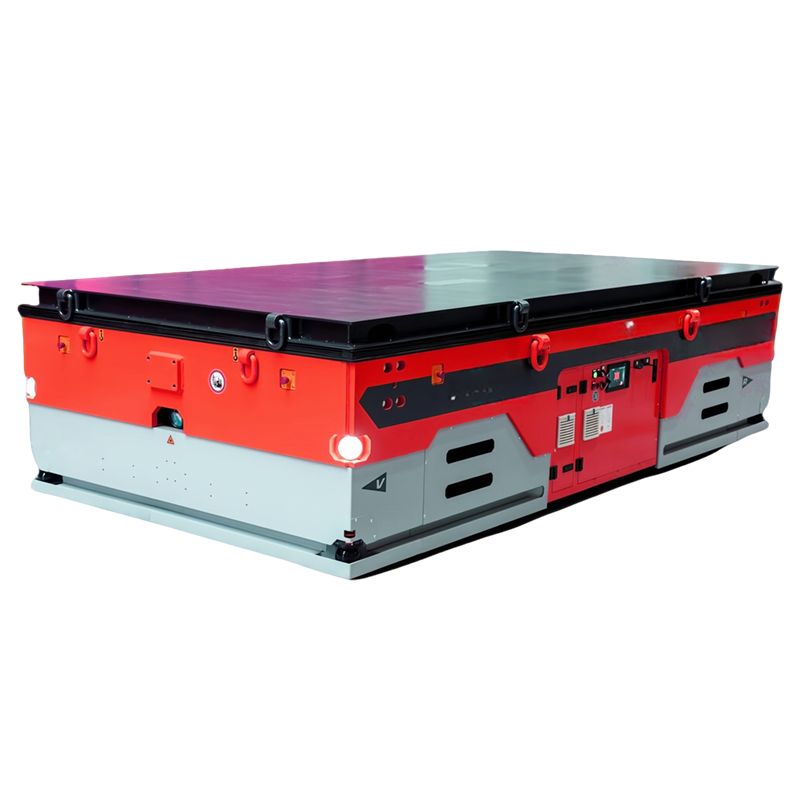
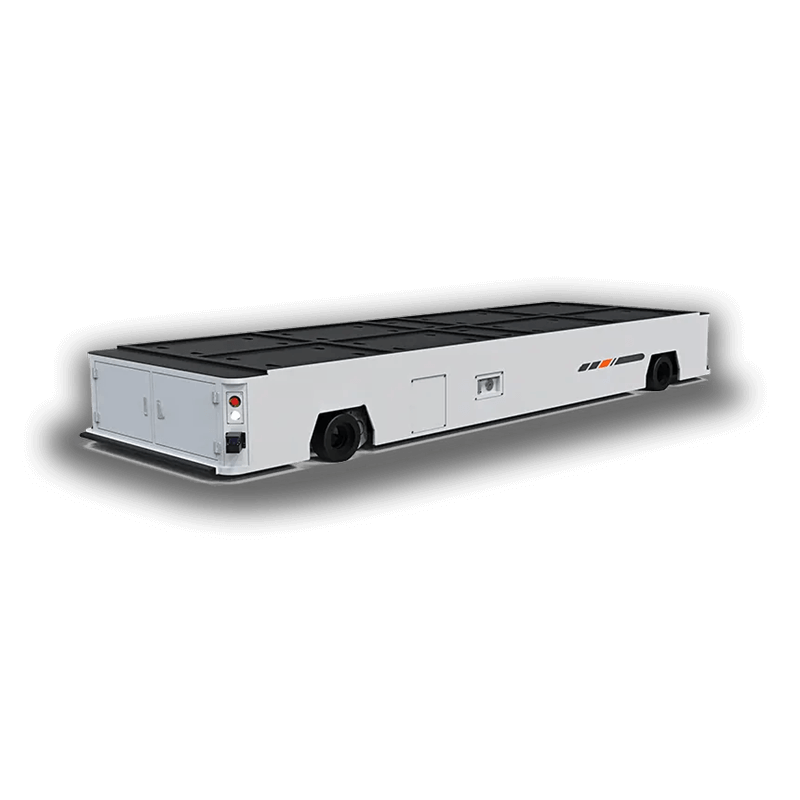
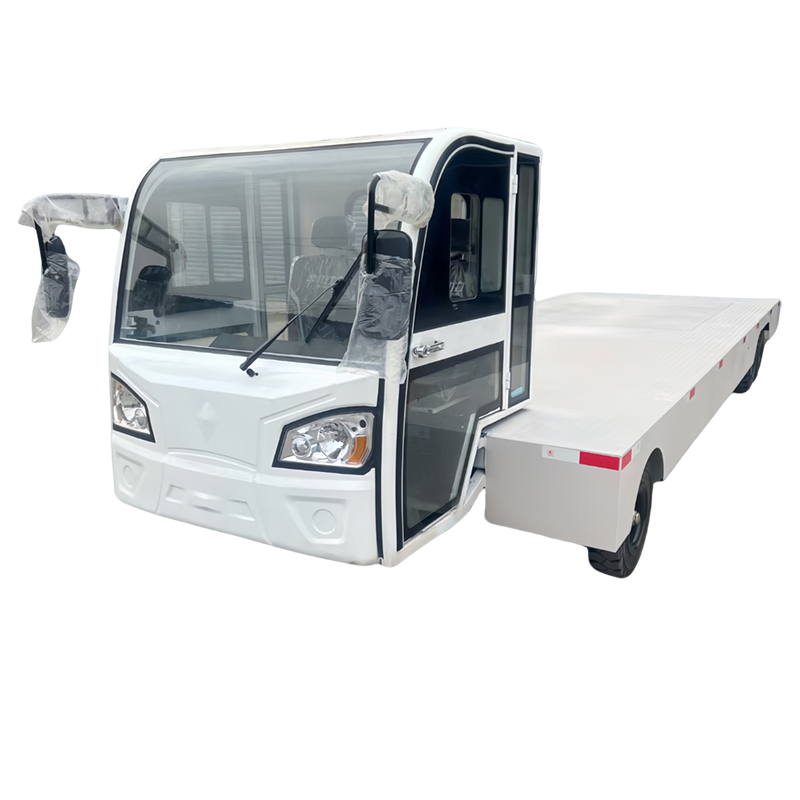
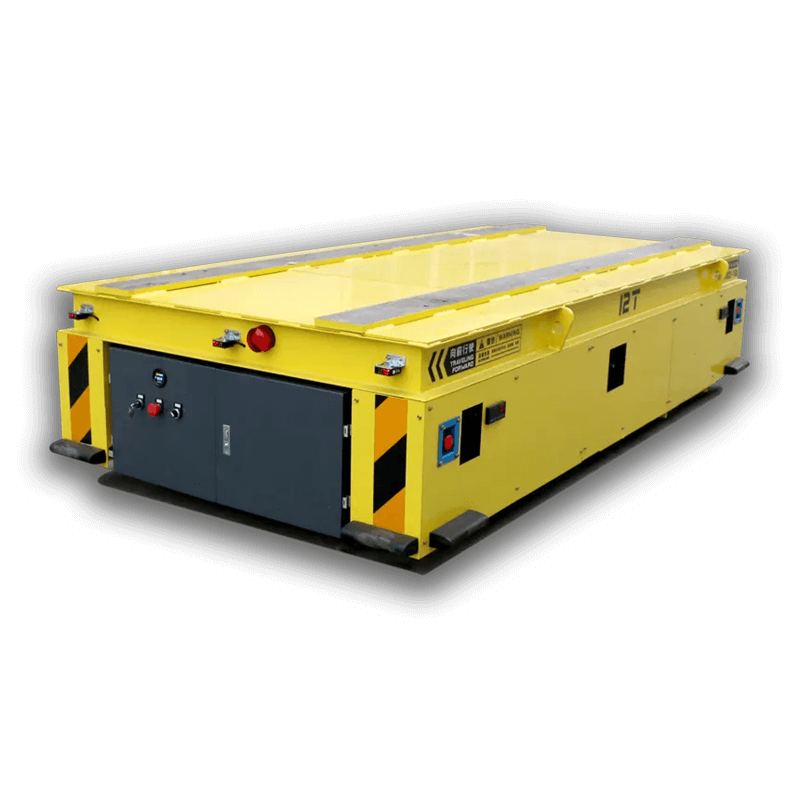
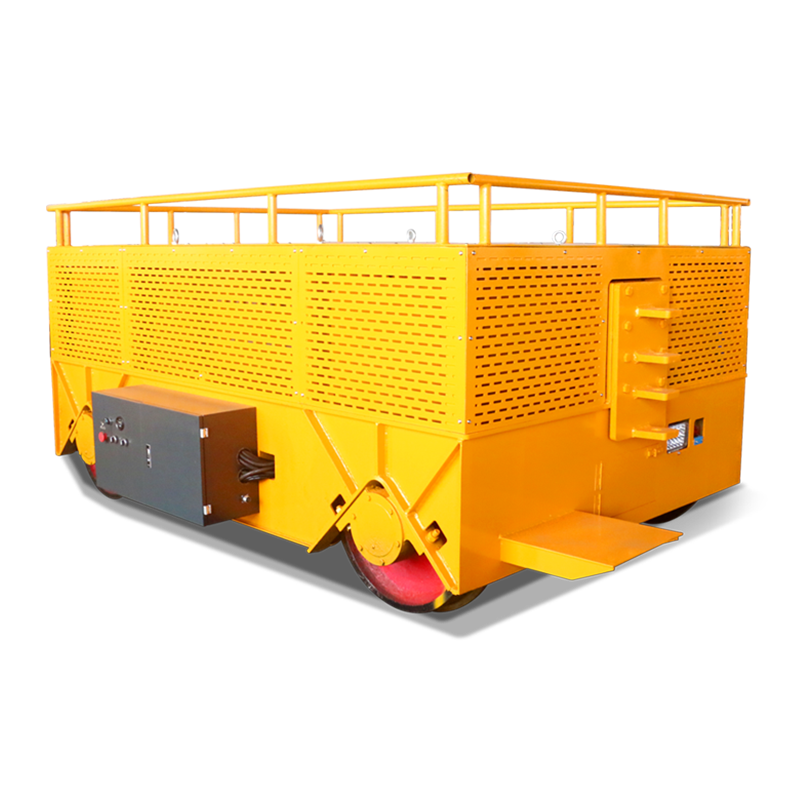
Moving heavy equipment within manufacturing facilities—including presses, injection molding machines, CNC machining centers, and industrial furnaces—requires material handling equipment capable of supporting extreme point loads, managing unusual load geometries, and operating safely in constrained spaces. Standard forklifts and pallet jacks cannot handle the combination of weight, size, and precision positioning that heavy equipment transport demands. Electric flatbed carts designed for heavy equipment transport provide the load capacity, stability, and control precision required for these challenging operations.
1. Load Capacity and Structural Integrity
The primary specification for heavy equipment transport carts is load capacity. Select a cart with a rated capacity at least 25% above your heaviest regular load to account for dynamic forces during movement and potential uneven load distribution. Heavy equipment often has uneven weight distribution—a CNC machine with a heavy head assembly creates higher point loads than the total weight alone would suggest. Discuss load distribution patterns with the cart manufacturer to ensure the flatbed deck structure can handle concentrated loads without deformation.
Beyond total capacity, deck structural integrity matters. Heavy equipment transport subjects the deck to repeated high-stress loading at specific points where the equipment feet or mounting points contact the deck surface. Decks reinforced with structural steel beams below the deck plate, or decks with integral mounting points for equipment securing, provide significantly longer service life than standard flat plate decks in heavy equipment applications.
2. Deck Configuration for Heavy Equipment
Heavy equipment often requires custom deck configurations for safe transport. Equipment with precise leveling feet benefits from decks with pre-drilled mounting holes or integrated mounting brackets that secure the equipment feet and prevent load shifting during transport. For equipment with smooth or polished base surfaces, non-slip deck surfaces (such as diamond plate or non-slip coating) prevent equipment movement during positioning.
Some heavy equipment transport applications require removable deck sections or flip-up deck extensions to accommodate equipment with overhanging components. Discuss your specific equipment dimensions and mounting requirements with the cart manufacturer—custom deck modifications are common and cost-effective compared to the alternative of unsafe transport using inadequately configured standard carts.
3. Wheel and Drive System Selection
The cart's wheel and drive system must handle both the high static load of heavy equipment and the dynamic forces generated during acceleration, deceleration, and turning. Polyurethane wheels offer excellent load capacity and floor protection but generate more rolling resistance than steel wheels—a factor that becomes significant at heavy equipment weights. Steel wheels reduce rolling resistance but require high-quality concrete floors and generate more noise and vibration that can affect sensitive equipment.
Drive system power requirements increase substantially with load weight. A cart transporting 50-ton equipment requires significantly more motor power than a cart transporting 5-ton loads. Undersized drive motors overheat and fail prematurely when consistently operating at heavy loads. Specify drive motors with adequate power margin and pay attention to the controller's thermal management—heavy equipment transport often involves slow, precise positioning that keeps motors under load for extended periods.
4. Safety Protocols for Heavy Equipment Transport
Heavy equipment transport operations carry higher risk than standard material handling due to the combination of extreme weights and the value of the equipment being moved. Establish transport routes specifically assessed for heavy load transport, including floor load capacity verification, overhead clearance measurement, and evaluation of doorway load limits if the transport route includes moving equipment between building sections.
Load securing for heavy equipment transport requires load-rated chains or straps anchored to deck-mounted securing points specifically designed for the equipment being moved. Never use unrated straps or makeshift securing methods for heavy equipment transport. The consequences of load shifting with heavy equipment include equipment destruction, facility damage, and potential fatalities. Document the approved securing method for each type of heavy equipment and train all transport personnel on proper procedures.
5. Positioning and Precision Placement
Heavy equipment often requires precise final positioning within millimeters of the target location. Electric flatbed carts with variable speed control and precise positioning capability significantly reduce the time and risk involved in final equipment placement. Some carts offer inch/centimeter-level positioning control through reduced-speed final approach modes or remote control systems with analog joystick control for fine movement adjustment.
For equipment that must be lowered onto foundation bolts or aligned with utility connections, consider carts with built-in jacking or lifting capability that can raise or lower the load for final alignment. This capability eliminates the need for separate positioning equipment and reduces the risk of equipment damage during final placement.
6. Maintenance Considerations for Heavy-Duty Carts
Electric flatbed carts used for heavy equipment transport experience higher stress on all components: wheels, bearings, drive motors, controllers, and structural members. Maintenance schedules should be more frequent than for standard-duty carts. Wheel condition inspection should occur monthly, with particular attention to flat spots, cracking, or bearing noise that indicates impending failure. Motor and controller temperature monitoring helps identify overload conditions before component damage occurs.
Battery systems for heavy equipment transport carts experience deeper discharge cycles due to the higher power requirements. Lithium battery systems handle deep discharge cycles better than lead-acid batteries and provide more consistent power delivery as battery charge decreases. For carts used multiple shifts daily for heavy equipment transport, lithium battery systems with opportunity charging capability provide the most reliable power solution.
Summary
Electric flatbed carts for heavy equipment transport require careful specification of load capacity, deck configuration, drive system power, and safety features. The investment in a properly specified heavy-duty cart pays for itself through reduced equipment damage risk, lower maintenance costs compared to inadequate handling methods, and faster, safer equipment repositioning. Work with cart manufacturers who have specific experience in heavy equipment transport applications—the engineering support they provide during specification and the quality of their heavy-duty cart construction directly affect your transport safety and efficiency.