
 English
 简体中文
简体中文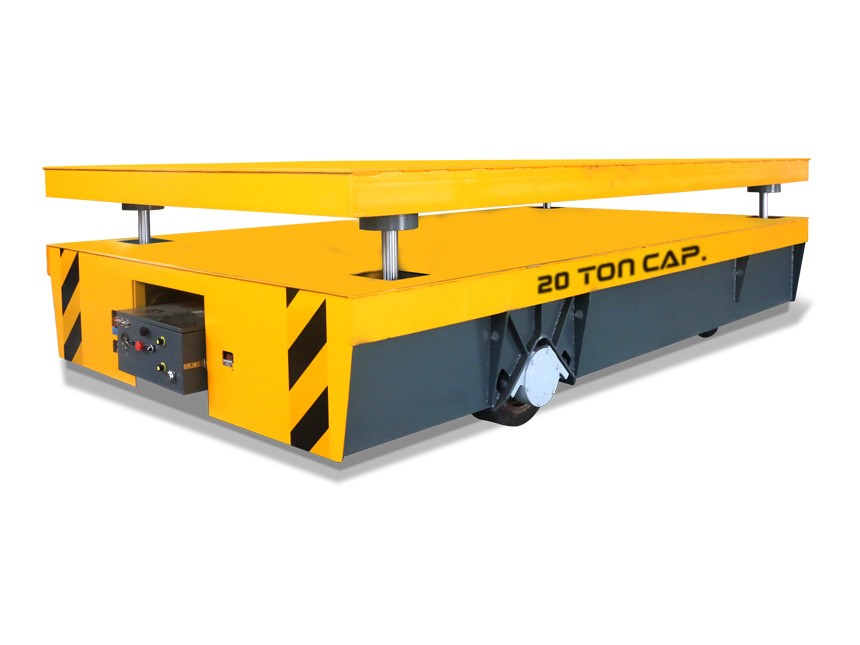
The Forklift Is Not Always the Right Tool
Forklifts are the default answer for moving heavy loads in most factories, and for good reason—they're versatile, widely available, and operators are easy to find. But default answers are not always correct answers. When loads exceed 10 tons, when transport distances stretch beyond 100 meters, when aisles are too narrow for forklift maneuvering, or when safety incidents involving forklifts have already cost more than any equipment replacement budget, the question becomes: what are the alternatives?
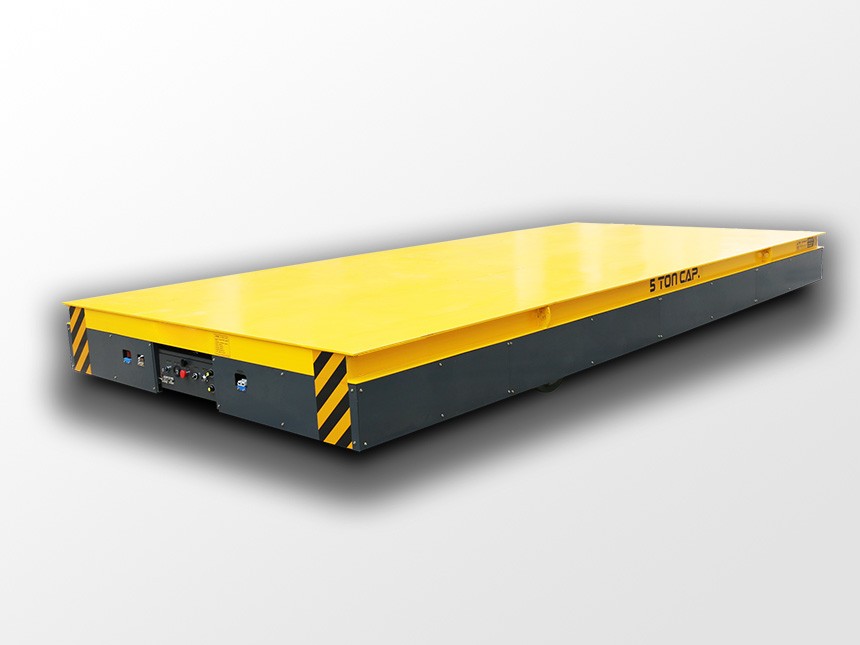
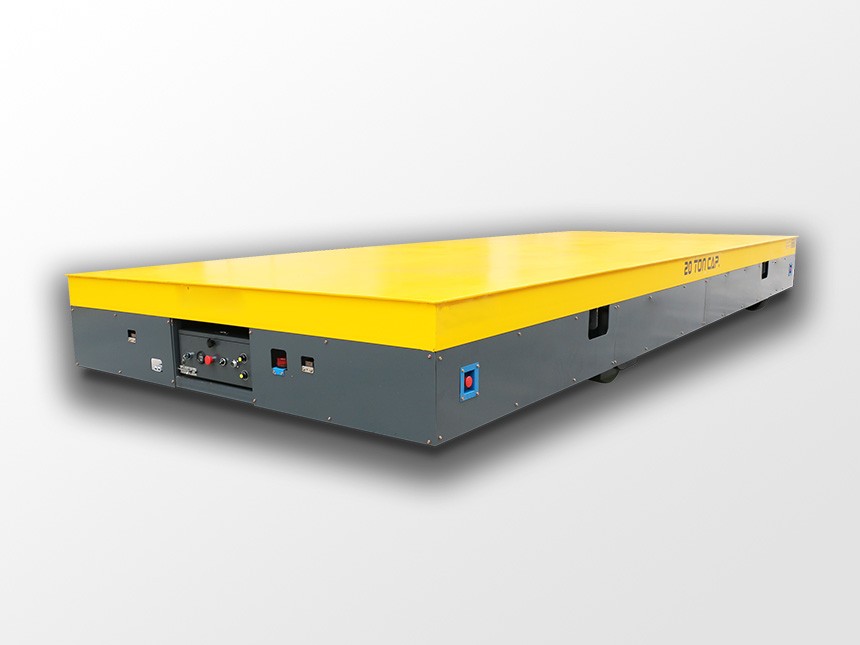
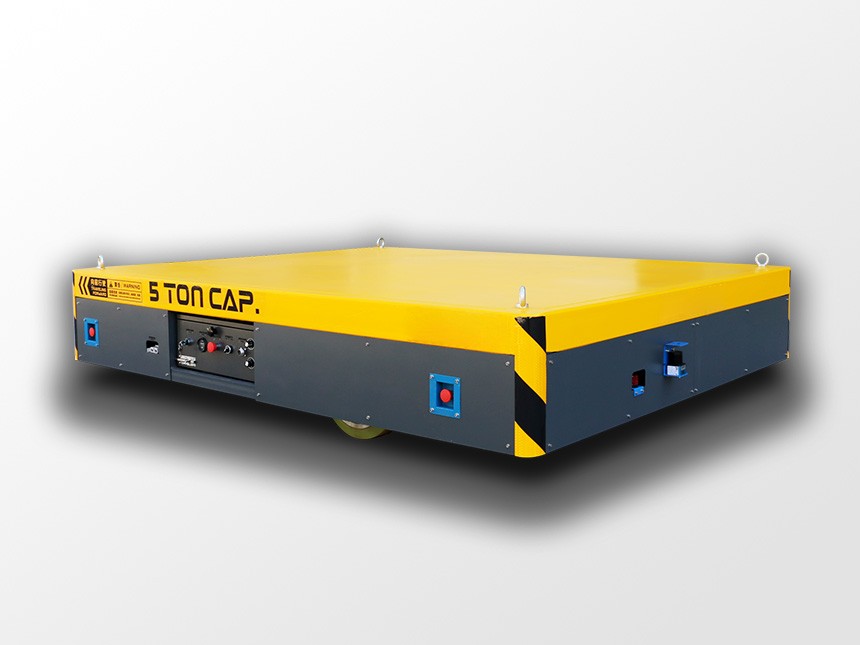
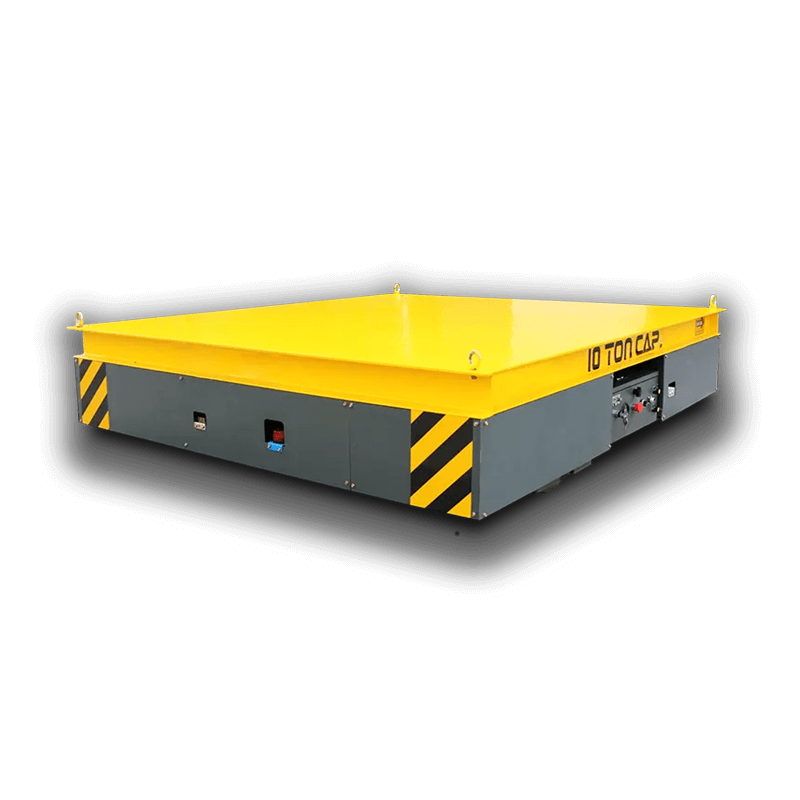
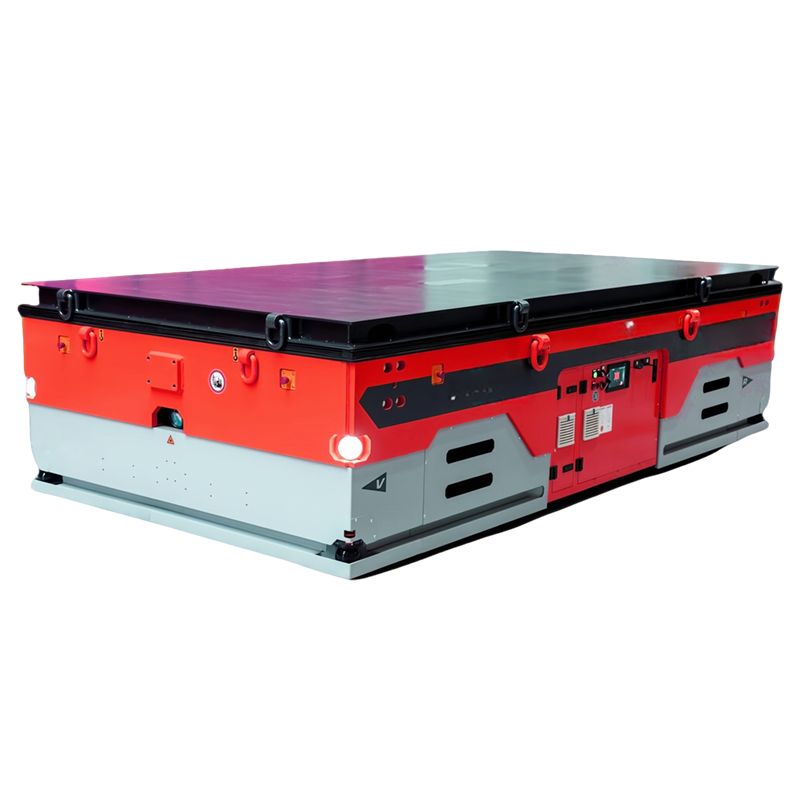
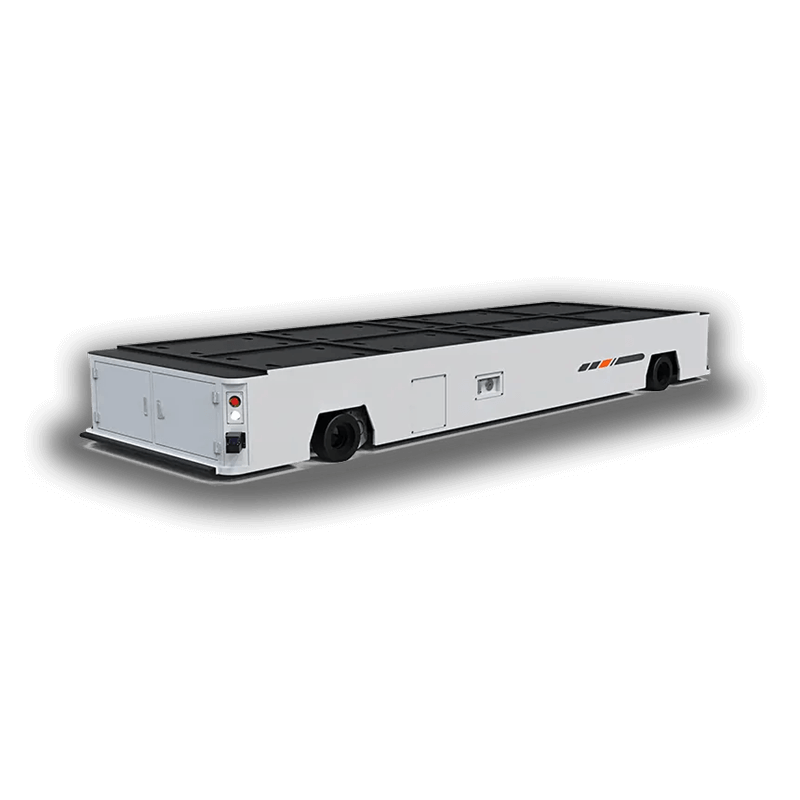
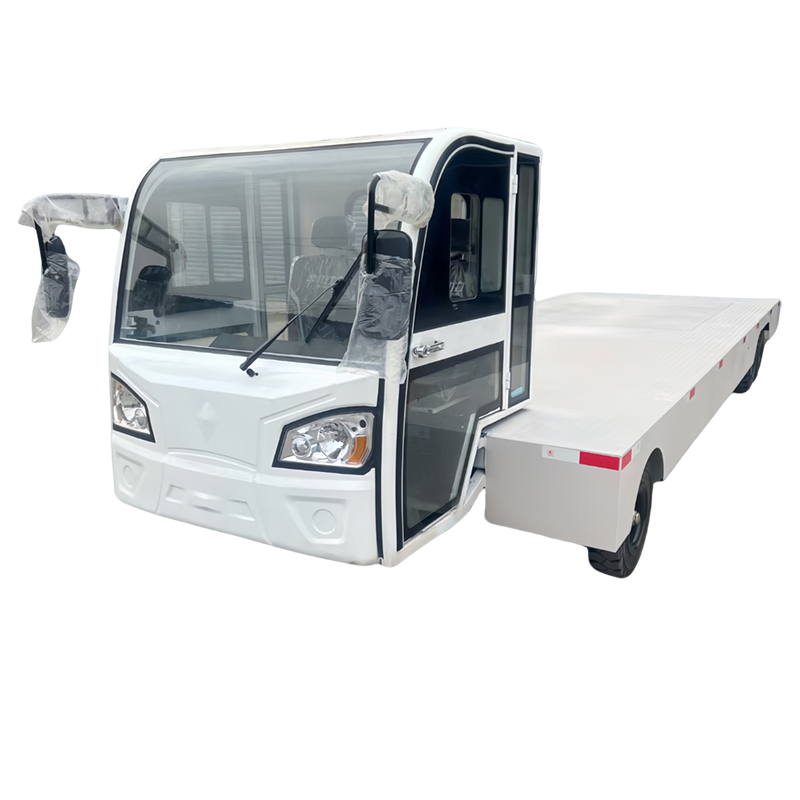
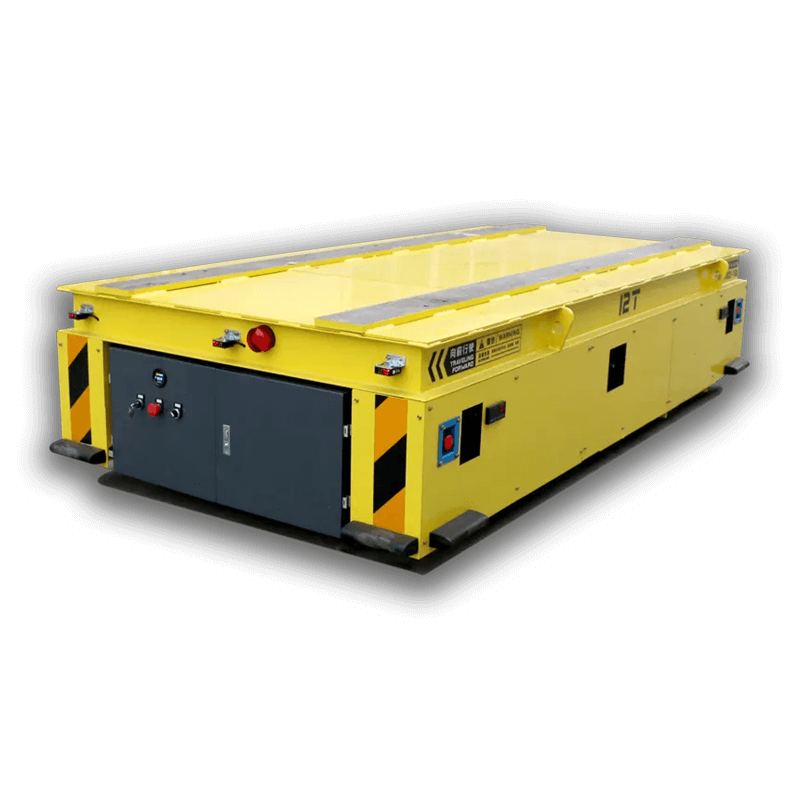
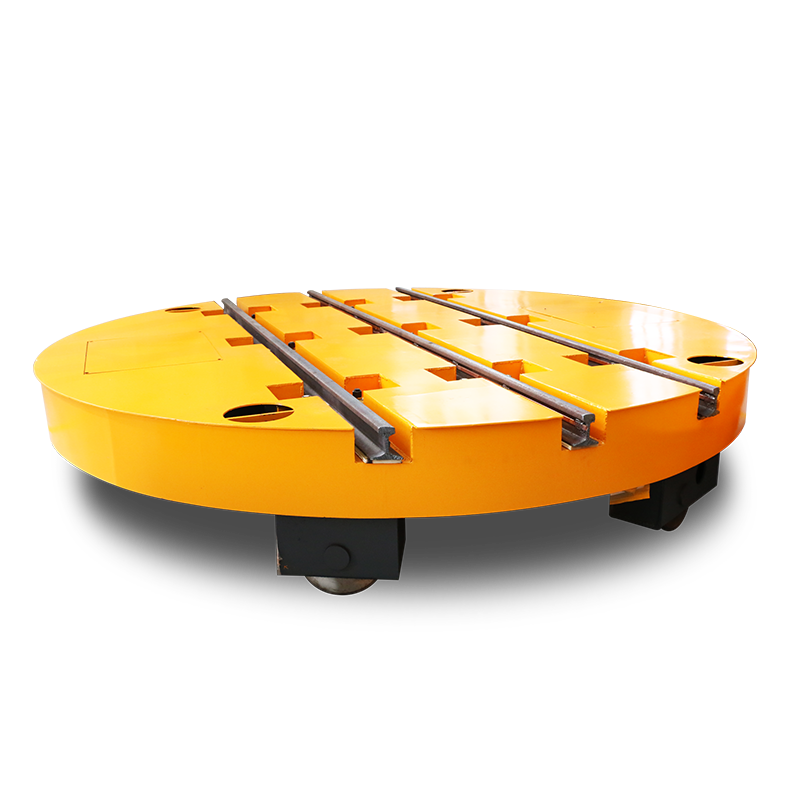
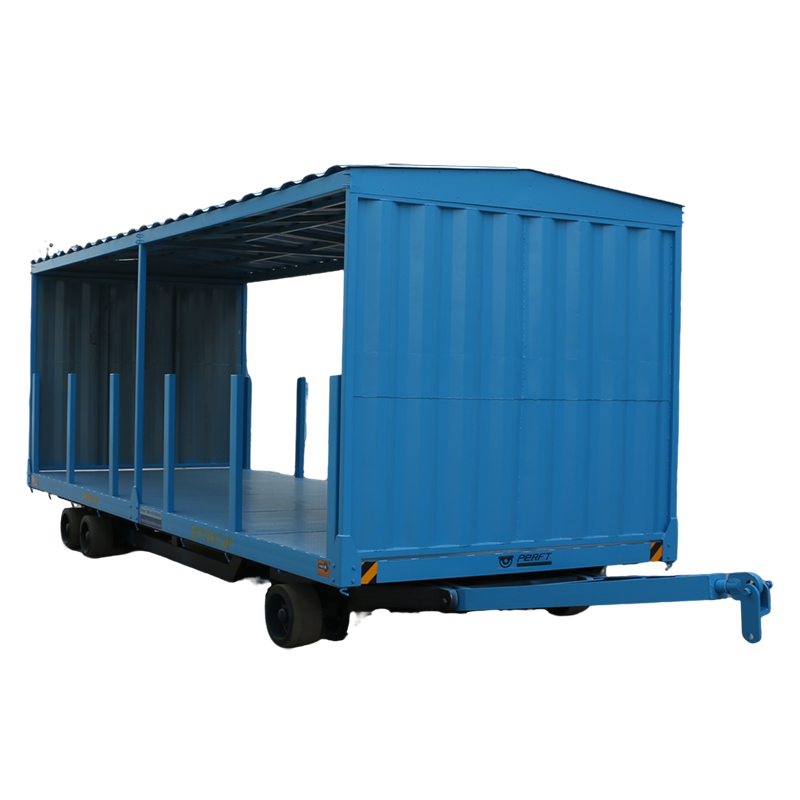
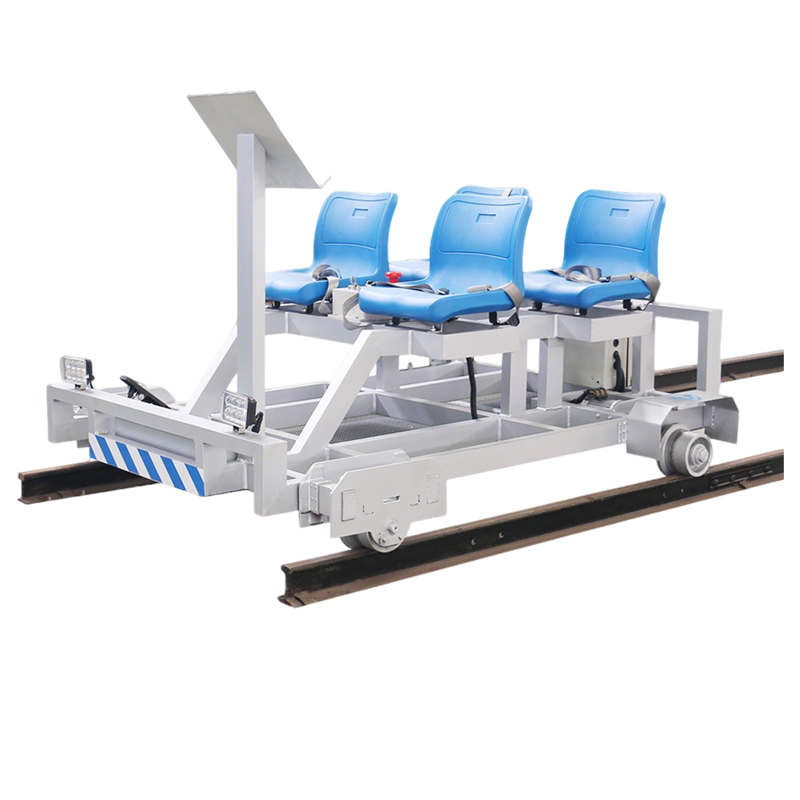
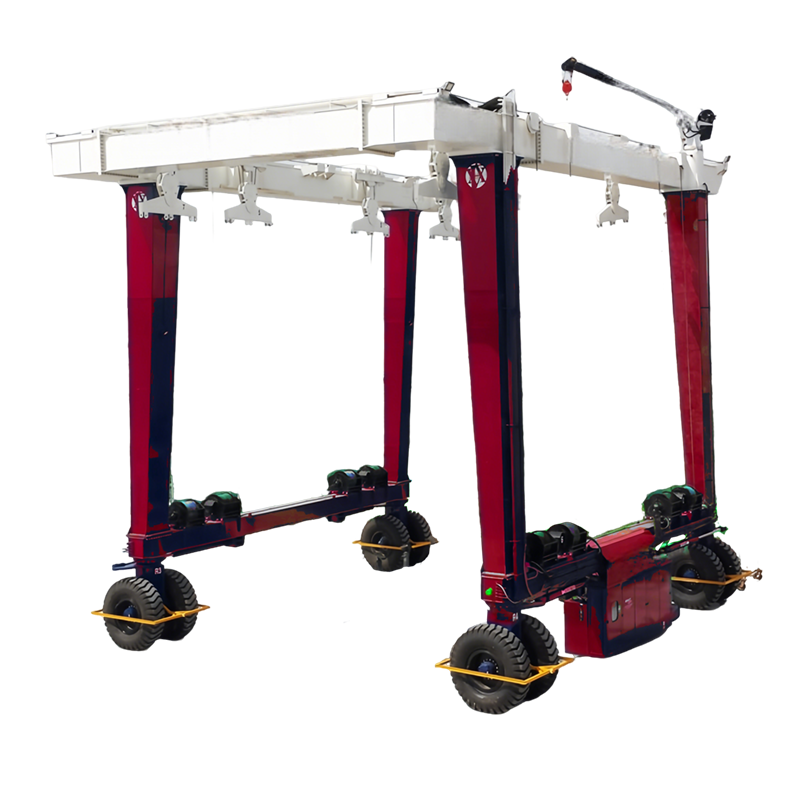
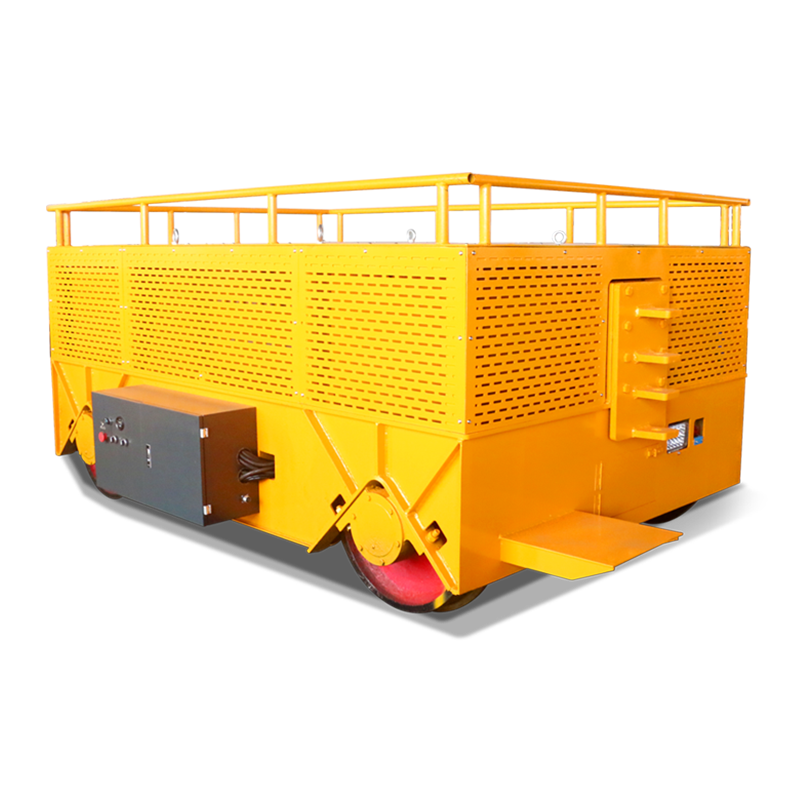
Electric transfer carts—platform vehicles that carry loads on their deck rather than lifting them on forks—are the most underutilized heavy transport solution in modern manufacturing. This guide explains when and why they outperform forklifts for heavy load movement.
1. Load Capacity: Where Forklifts Hit Their Ceiling
A standard counterbalance forklift's capacity is limited by physics. As load weight increases, the counterweight and wheelbase must grow proportionally to prevent tipping. This produces a practical ceiling: above 15–20 tons, a forklift becomes so massive that it requires reinforced floors, wide aisles for turning, and specialized operator training. A 25-ton forklift weighs approximately 35 tons itself, bringing the combined floor loading to 60 tons on four small contact patches—a recipe for floor damage in all but purpose-built facilities.
Electric transfer carts distribute weight across multiple wheels over a larger footprint. A 50-ton capacity transfer cart might have 8 or 12 wheels, each carrying 4–6 tons on a wide polyurethane or steel tire. This lower ground pressure protects factory floors and allows operation on standard industrial concrete without special reinforcement. Capacity scales without the geometric growth in machine size that limits forklifts. Transfer carts rated at 100, 200, or 300 tons are standard catalog items—not custom engineering projects—because the basic platform design scales linearly.
2. Floor Loading and Infrastructure
Heavy forklift operation damages floors. Every turn, every acceleration, every braking event concentrates stress on small tire contact patches. Over months and years, this produces spalling, cracking, and joint deterioration that require expensive repairs and cause production downtime. A factory that runs three 15-ton forklifts on a typical 150mm industrial concrete slab will spend more on floor maintenance over 10 years than the forklifts cost to purchase.
Transfer carts cause dramatically less floor wear. The load is distributed across multiple wheels, turning forces are lower because carts steer with all-wheel configurations rather than sharp rear-wheel pivoting, and acceleration and braking forces are spread across all drive wheels rather than concentrated on two drive tires. For facilities with existing floor condition concerns or new facilities where floor specification is part of the equipment decision, transfer carts enable thinner, less expensive floor construction than a comparable-capacity forklift fleet would require.
3. Safety: The Data Favors Carts
Forklift accidents consistently rank among the top causes of industrial workplace fatalities and serious injuries. OSHA data shows approximately 85 forklift-related fatalities and 35,000 serious injuries annually in the United States alone. The primary causes are tip-overs (forklifts are inherently unstable with elevated loads), pedestrian struck-by incidents, and falling loads.
Electric transfer carts eliminate all three primary forklift accident categories. Loads rest directly on the deck—there is no mast, no elevated load, and no tip-over risk. The cart's low center of gravity and wide wheelbase make it inherently stable regardless of load distribution. Pedestrian safety is improved because the cart's predictable path (typically straight-line travel on defined routes) is easier for pedestrians to anticipate than a forklift's sweeping turns and unpredictable movements. Loads are secured to the deck with fixtures or chains rather than balanced on forks—a cart that stops abruptly does not drop its load.
4. Operator Requirements and Labor
Forklift operation requires certified, trained operators. In many regions, forklift certification must be renewed periodically, and operating different forklift classes requires additional endorsements. A factory that runs three forklifts across two shifts needs a minimum of six certified operators to cover absences and turnover. Forklift operator wages are typically 15–25% above general labor rates due to the certification requirement and liability exposure.
Electric transfer carts have dramatically lower operator requirements. Most carts are controlled via a pendant or wireless remote, and the operator walks alongside the cart—no riding, no seated operation, no certification beyond basic equipment familiarization. A cart operator needs approximately 2–4 hours of training versus 3–5 days for forklift certification. For facilities struggling with forklift operator availability and turnover, this difference alone can justify the equipment transition.
5. Cost Comparison: Cart vs Forklift Fleet
A meaningful cost comparison must look beyond equipment purchase price to total cost of operation over the equipment's service life.
Purchase Cost
A new 15-ton diesel forklift costs $80,000–$120,000. A new 15-ton electric transfer cart costs $15,000–$35,000 depending on customization level. For a facility needing three units, the purchase cost difference approaches $200,000 in favor of carts.
Operating Cost
A 15-ton diesel forklift consumes approximately 5–8 liters of diesel per hour and requires engine oil changes every 250 hours, hydraulic system service, and tire replacement every 1,000–2,000 hours depending on floor surface. Annual operating cost including fuel, maintenance, and consumables: $8,000–$12,000 per forklift.
An electric transfer cart consumes electricity at approximately $0.50–$1.50 per operating hour (depending on local electricity rates) and requires battery replacement every 3–5 years for lead-acid, plus occasional motor and controller service. Annual operating cost: $2,000–$4,000 per cart.
10-Year TCO
Over 10 years, a 15-ton forklift fleet of three units costs approximately $480,000–$640,000. An equivalent electric transfer cart fleet costs $120,000–$200,000. The difference—$280,000 to $440,000—represents capital that could fund other operational improvements.
6. When Forklifts Still Make Sense
Electric transfer carts are not a universal replacement for forklifts. Forklifts remain the better choice when: loads must be lifted onto racks or stacked (carts are horizontal transport only, though they can be equipped with lift decks), transport distances are very short (under 20 meters), aisles are wide enough to accommodate forklift maneuvering without compromising layout efficiency, and the facility already has a trained forklift operator workforce with well-established safety procedures.
Making the Transition
Moving from a forklift-centric transport model to electric transfer carts does not require an overnight switch. The most successful transitions use carts for the heaviest, longest-distance transport routes while retaining forklifts for loading/unloading and short-distance moves. This hybrid approach captures the safety, floor protection, and cost advantages of carts without disrupting the operational flexibility that forklifts provide at loading docks and storage areas.
If your heaviest loads are over 10 tons, if your transport distances are over 100 meters, or if your forklift safety incidents keep your risk manager awake at night, electric transfer carts deserve a place in your equipment evaluation matrix.