
 English
 简体中文
简体中文
The Material Handling Landscape Is Shifting Faster Than Expected
Five years ago, a factory manager evaluating material handling equipment had a relatively simple decision tree: forklifts for versatility, conveyors for high-volume fixed routes, and overhead cranes for heavy loads. Today that decision tree has grown branches that didn't exist—connected fleet management, semi-autonomous navigation, electrification mandates, and data-driven maintenance scheduling. The pace of change in 2025 is driven less by breakthrough technology and more by the intersection of labor costs, sustainability requirements, and the availability of affordable sensors and connectivity that make "smart" features accessible to mid-market equipment.
This article examines the industrial transport trends that are actually affecting purchasing decisions in 2025—not the speculative ones that dominate trade show keynotes.
1. Electrification Is Now the Default, Not the Alternative
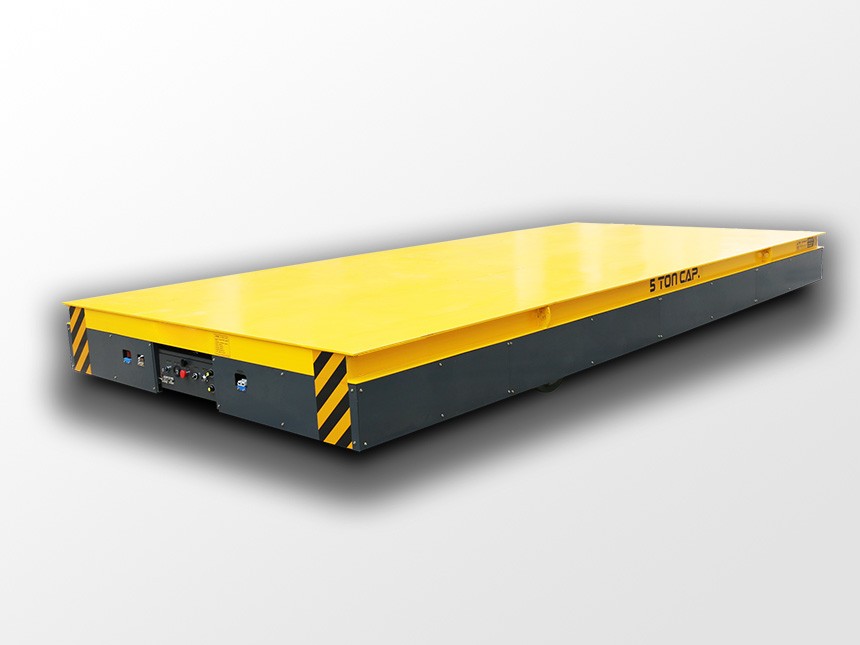
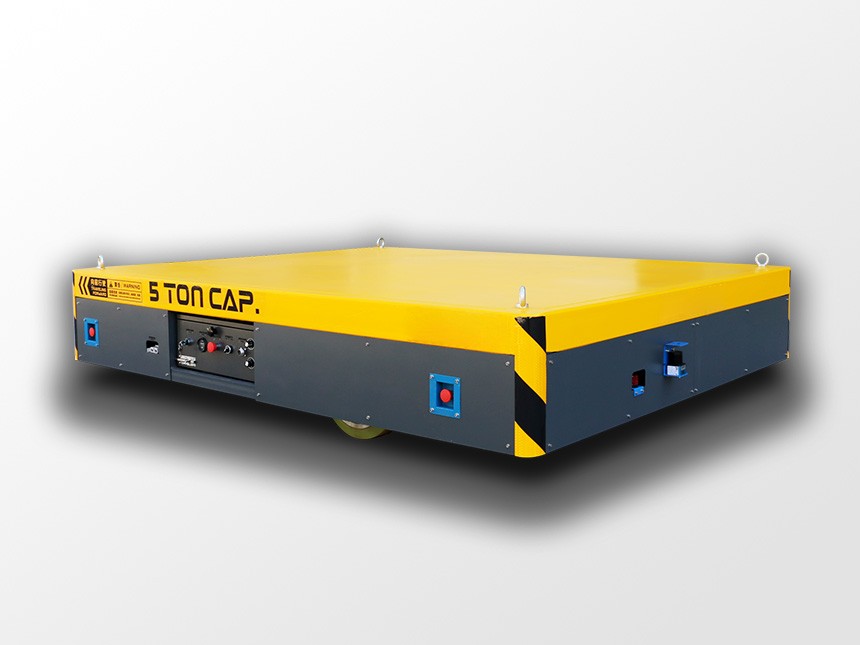
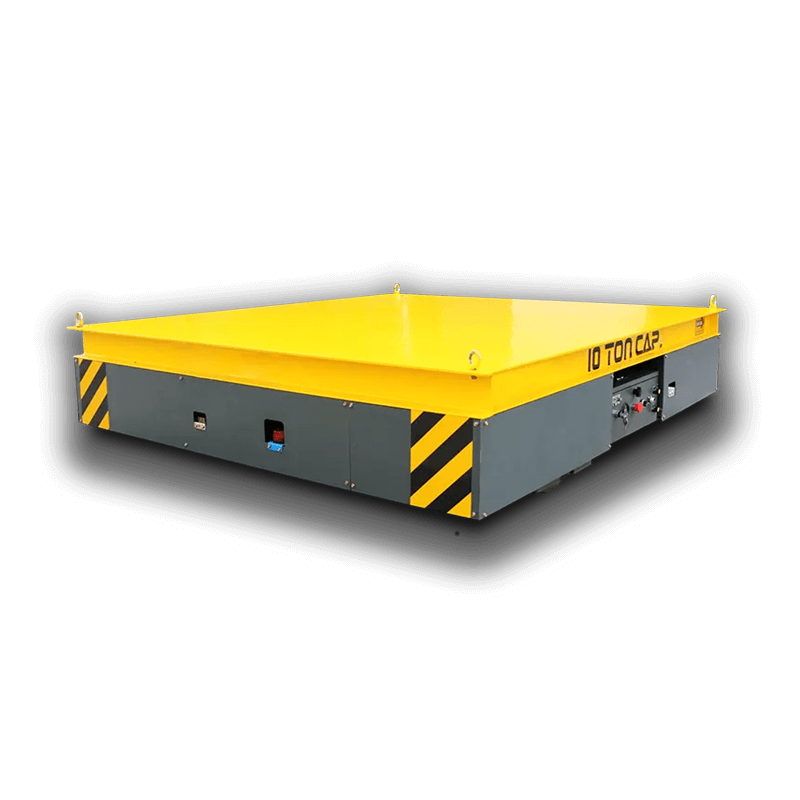
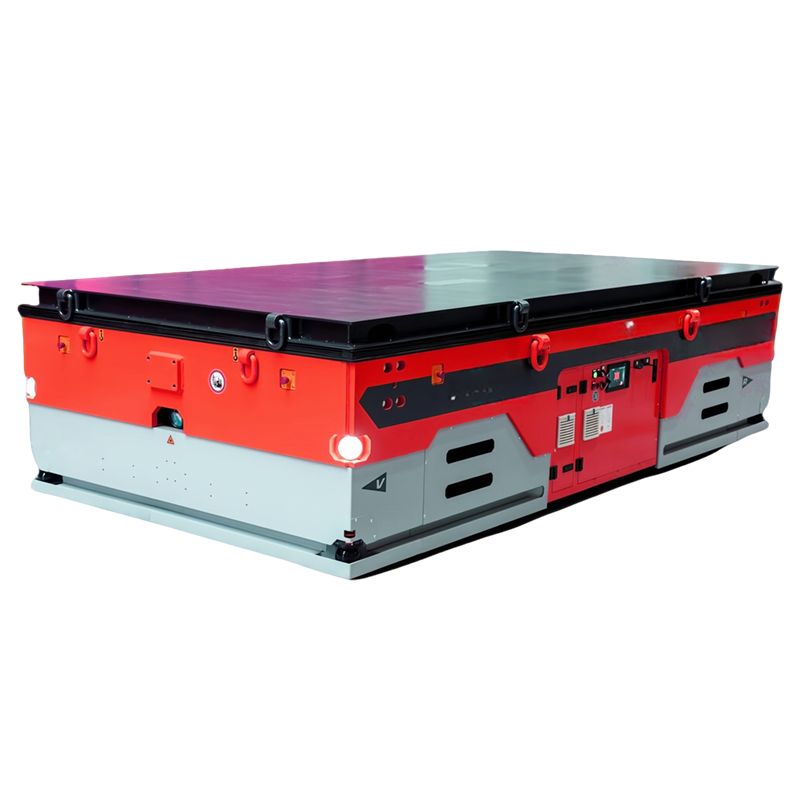
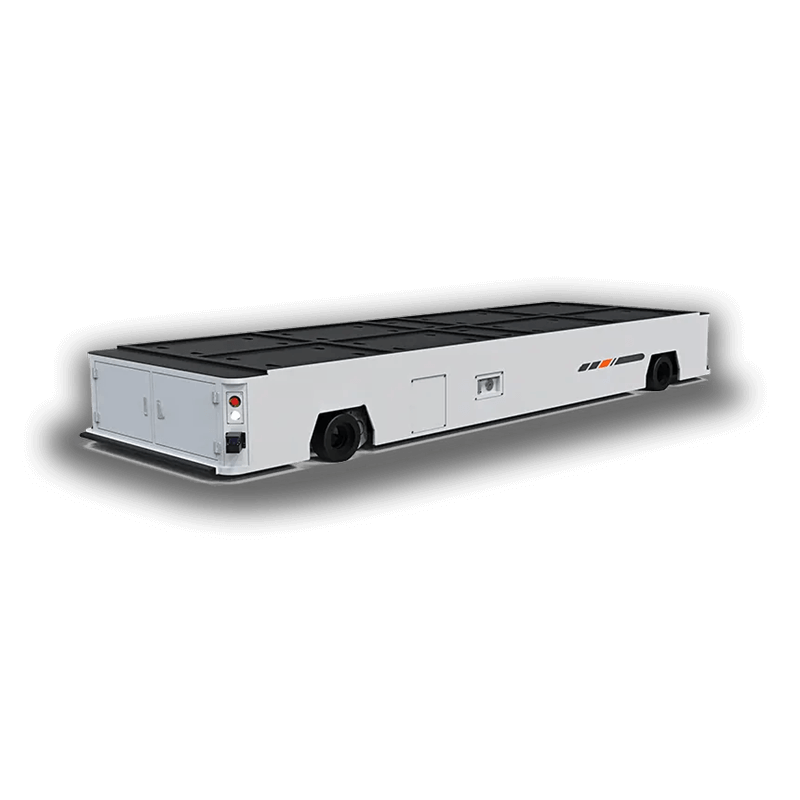
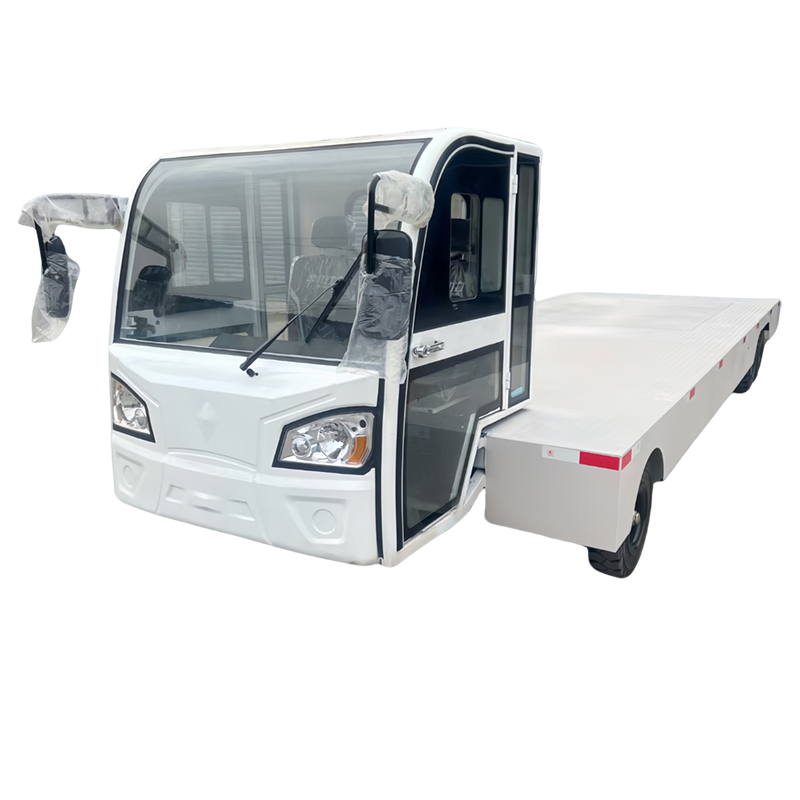
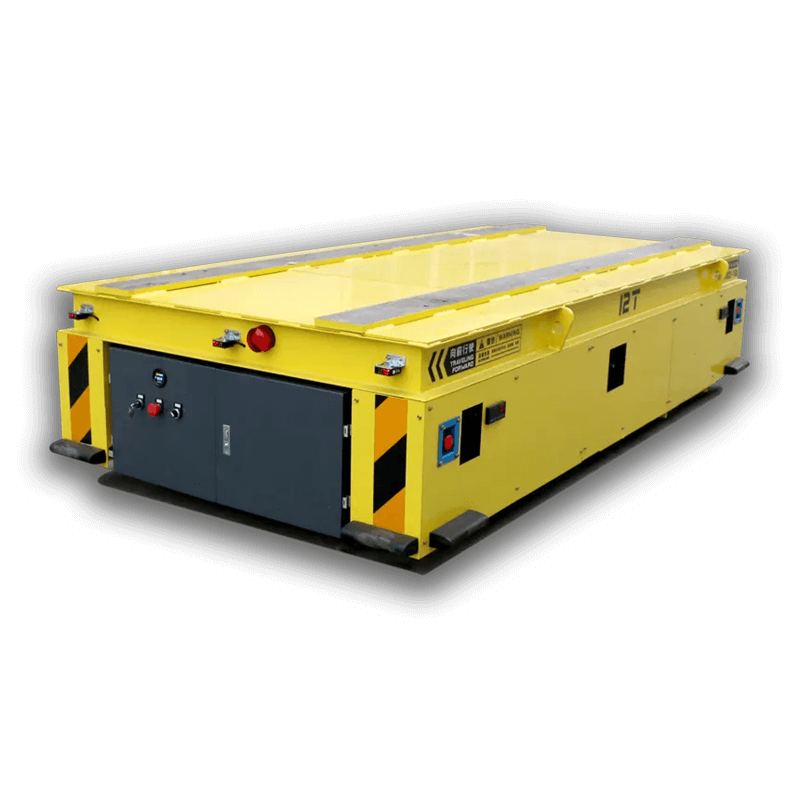
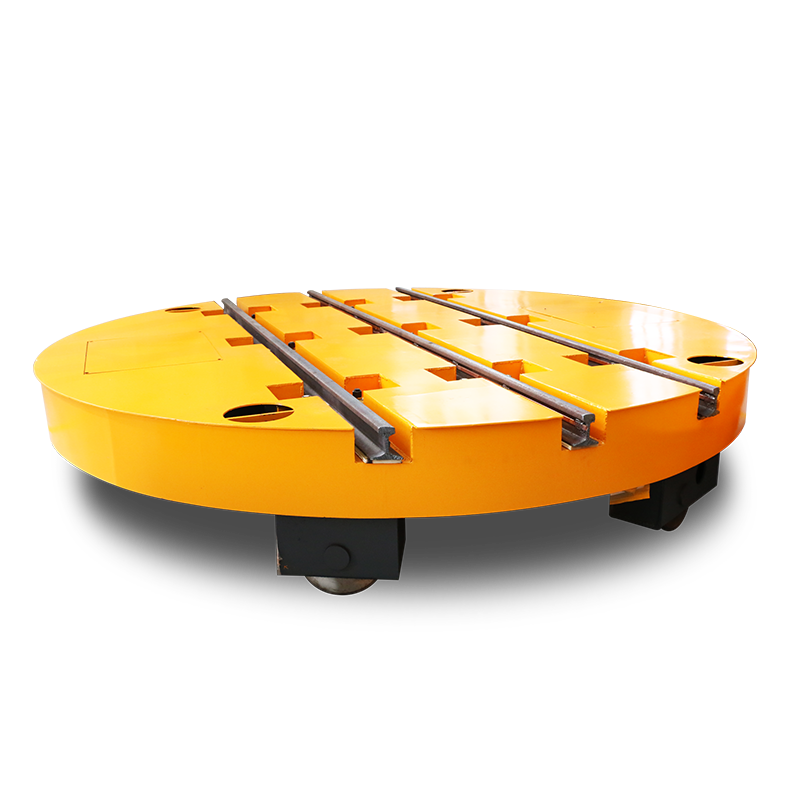
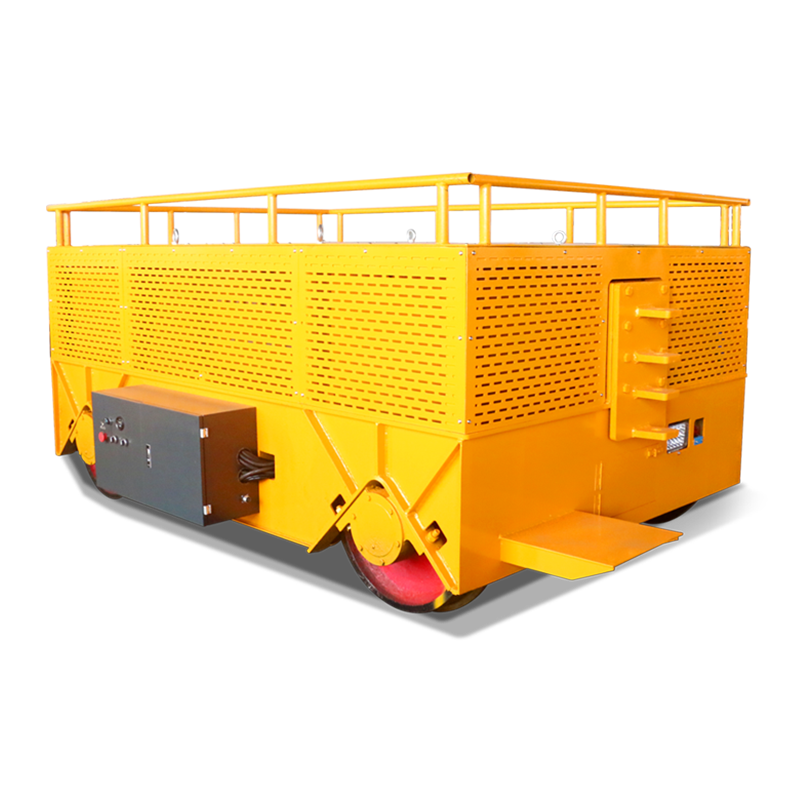
Internal combustion material handling equipment hasn't disappeared, but its role has shrunk dramatically. In 2025, electric-powered transfer carts, platform trucks, and tuggers are the default specification for indoor industrial transport, and they're rapidly expanding into outdoor applications that were previously ICE-only territory.
Lithium-Ion Dominance
Lithium iron phosphate (LiFePO4) batteries have displaced lead-acid as the standard for new electric industrial vehicles. The reasons are economic, not environmental: opportunity charging eliminates the need for battery swap rooms and dedicated charging areas, the longer cycle life (3,000–5,000 cycles vs. 1,200–1,500 for lead-acid) reduces lifetime battery cost, and zero maintenance eliminates the labor cost of watering and equalizing. For transfer cart applications, lithium enables 24/7 multi-shift operation without battery changes—a single battery handles all shifts with brief opportunity charges during operator breaks.
Outdoor Electrification
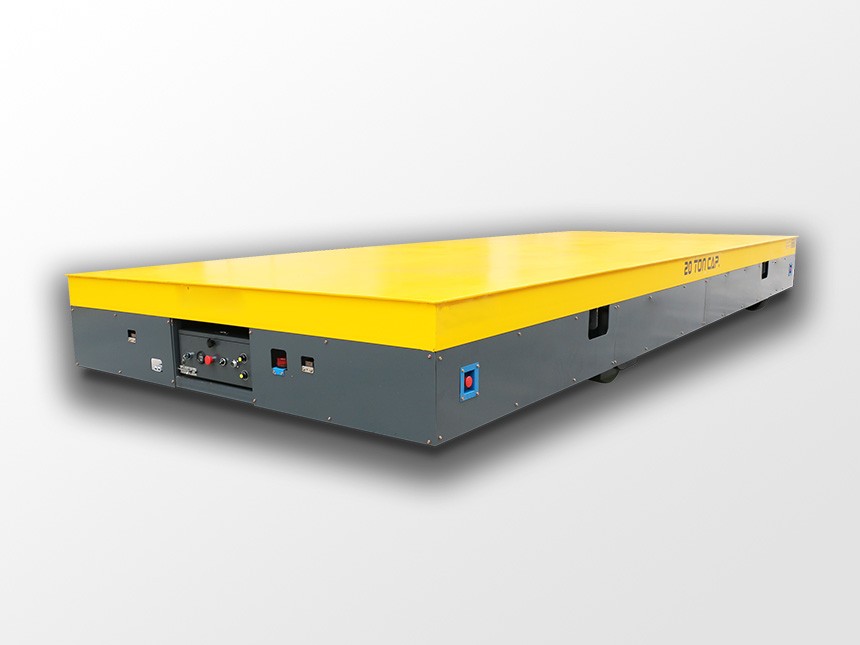
Heavy-duty electric transfer carts rated for outdoor use with IP65 protection and all-weather battery enclosures are replacing diesel-powered burden carriers in shipyards, steel mills, and construction material yards. The total cost of ownership advantage comes from eliminating diesel fuel logistics, reducing engine maintenance, and avoiding emissions compliance costs in regulated regions. A 20-ton electric transfer cart operating outdoors now competes directly with a diesel equivalent on TCO, with the electric version winning on a 5-year lifecycle in most high-utilization scenarios.
2. Semi-Automation: The Pragmatic Middle Ground
Full AGV/AMR automation has been "two years away from mainstream adoption" for about a decade. In 2025, the real growth is in semi-automated solutions that add intelligence to operator-controlled equipment rather than replacing the operator entirely.
Remote-Controlled Operation with Smart Features
Remote-controlled electric transfer carts with obstacle detection, automatic speed reduction in pedestrian zones, and programmable route memory are the fastest-growing category. They provide automation benefits (consistency, safety sensors, data logging) without the infrastructure cost of full AGV guidance systems (magnetic tape, reflectors, or SLAM mapping). For a factory moving heavy loads between workstations on variable routes, a remote-controlled cart with obstacle detection offers 80% of the safety and efficiency benefit of a full AGV at 30% of the cost.
Operator-Assist Features
Even manual carts are gaining intelligence. Standard features in 2025 models include: automatic load weight sensing that prevents overload operation, collision avoidance that overrides operator commands when an obstacle is detected, maintenance-predictive algorithms that alert when a component is approaching its service interval based on actual usage data rather than calendar time, and energy usage monitoring that identifies inefficient operator behaviors (excessive acceleration, unnecessary high-speed travel over short distances).
3. Connected Fleets and Data-Driven Operations
Industrial IoT is no longer a buzzword—it's a purchasing criterion. Fleet managers want visibility into where their equipment is, how it's being used, and when it needs attention.
Telematics for Industrial Carts
Telematics systems that were once exclusive to high-end AGV fleets are now available on standard electric transfer carts. These systems track: real-time location within the facility, cumulative operating hours per cart, battery health metrics (state of health, cycle count, capacity fade), fault code history with timestamps, and operator-specific usage patterns. The operational benefit is concrete: a telematics dashboard that shows one cart accumulating 40% more operating hours than its fleet mates allows rebalancing before that cart fails prematurely from overuse.
Integration with MES and WMS
The most significant trend in connected material handling is the integration of transport equipment with Manufacturing Execution Systems (MES) and Warehouse Management Systems (WMS). A transfer cart that receives its next job automatically from the MES when a work order is released eliminates the delay between production scheduling and material movement. This integration was previously limited to AGV systems with dedicated fleet management software; in 2025, standardized communication protocols (OPC UA, MQTT) make it achievable with semi-automated equipment.
4. Sustainability as a Procurement Requirement
Sustainability in industrial equipment purchasing has moved from "nice to have" to "required by corporate policy" in many organizations. This affects equipment decisions in specific ways.
Energy Efficiency Metrics
Buyers are evaluating equipment on energy consumption per ton-kilometer moved, not just purchase price. Electric transfer carts with regenerative braking (which recovers 10–15% of energy during deceleration) and high-efficiency permanent magnet motors (92–95% efficiency vs. 85–88% for standard AC induction motors) are gaining preference even at higher purchase prices because the energy savings compound over the equipment's lifespan.
Lifecycle Carbon Accounting
Large corporations with Scope 3 emissions reporting requirements are asking equipment manufacturers for carbon footprint data on their products. This favors electric equipment with long service lives and recyclable components. A transfer cart manufacturer that can provide a lifecycle carbon assessment and end-of-life recycling plan has a competitive advantage in RFPs from multinational buyers.
5. Modular Design and Upgradeability
The days of buying equipment that remains unchanged for 10 years are fading. Manufacturers and buyers alike want platforms that can evolve.
Modular Battery Systems
Carts designed with swappable battery modules allow capacity upgrades as operational needs change without replacing the entire cart. A facility that starts with 200 Ah batteries for single-shift operation can upgrade to 400 Ah for multi-shift operation by adding a second module to the same cart frame.
Software-Defined Features
An increasing number of cart functions are software-configurable rather than hardware-dependent. Speed profiles, acceleration curves, safety zone definitions, and communication protocol settings are adjustable through the controller interface. This means a cart configured for slow-speed heavy-load transport can be reconfigured for faster light-load operation without hardware changes—useful for facilities whose product mix changes over the equipment's lifespan.
What These Trends Mean for Purchasing Decisions
If you're specifying material handling equipment in 2025, three principles apply. First, electrification is no longer a premium option—it's the baseline, and any comparison with ICE equipment should use a 5-year TCO model that includes energy, maintenance, and regulatory costs. Second, connectivity features are not gimmicks—telematics and MES integration deliver measurable operational improvements and should be evaluated based on your facility's specific data infrastructure. Third, modularity protects your investment against changing operational requirements over the equipment's 10+ year lifespan. The cheapest cart that meets today's minimum requirements may be the most expensive choice three years from now when your needs evolve and the cart cannot adapt.