
 English
 简体中文
简体中文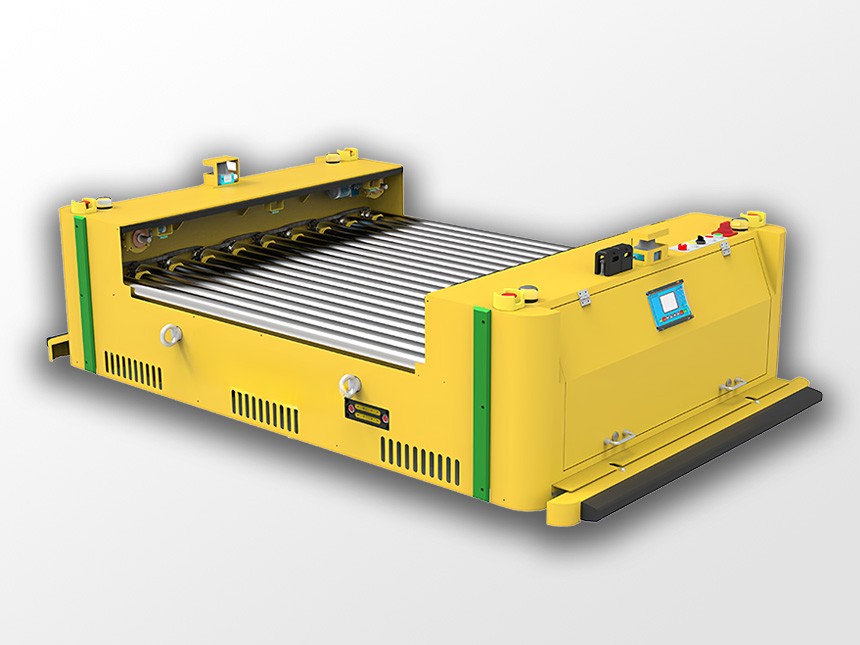
Low-Cost Automation Alternatives for Factories
Factory automation often conjures images of expensive robotic arms and complex systems. However, numerous affordable automation alternatives can significantly improve efficiency without requiring massive capital investment.
The Case for Affordable Automation
Small and medium factories face unique challenges:
- Limited capital budgets
- Smaller production volumes
- Need for flexibility and quick changeovers
- Shorter payback period requirements
Affordable Robotics Options
Collaborative Robots (Cobots)
Entry-level cobots have brought automation within reach of smaller factories. Starting at $20,000-$30,000, these robots work alongside humans without extensive safety infrastructure.
Used Industrial Robots
The secondary market offers quality used robots at 30-50% of new prices. Many units have decades of remaining useful life with proper maintenance.
DIY Automation Solutions
Open-Source Control Systems
Platforms like Arduino and Raspberry Pi enable custom automation projects for material handling, monitoring, and simple control tasks at minimal cost.
3D-Printed Components
Custom grippers, fixtures, and tooling can be 3D printed for a fraction of traditional manufacturing costs, enabling rapid prototyping and deployment.
Phased Implementation Strategies
Start with High-Impact Areas
Identify processes with:
- Repetitive manual tasks
- Quality consistency issues
- Safety concerns
- Bottleneck operations
Proof of Concept Approach
Begin with pilot projects to demonstrate ROI before scaling. This reduces risk and builds organizational confidence in automation.
Budget-Friendly Technologies
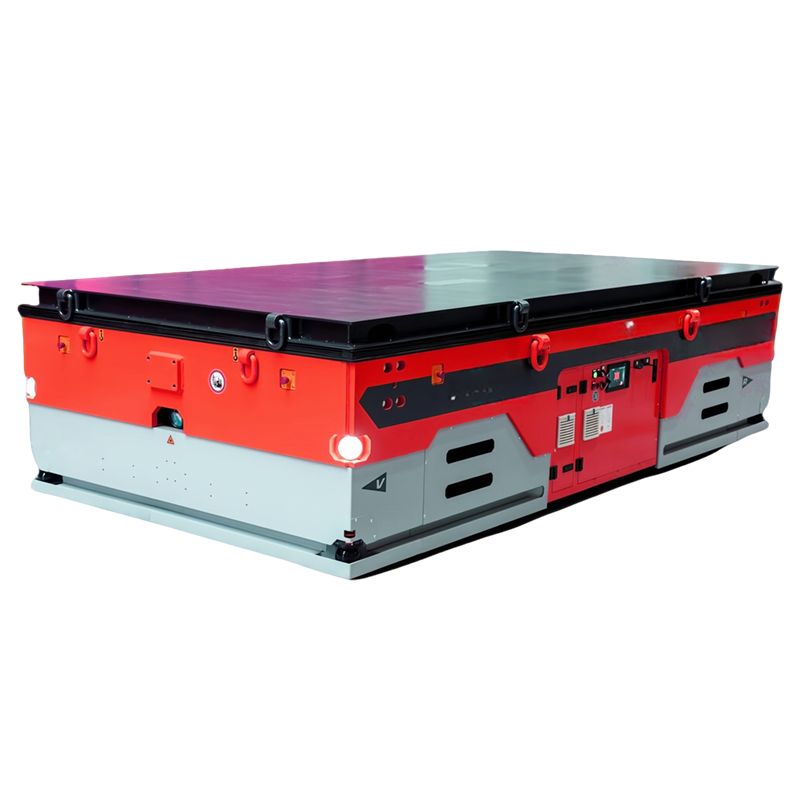
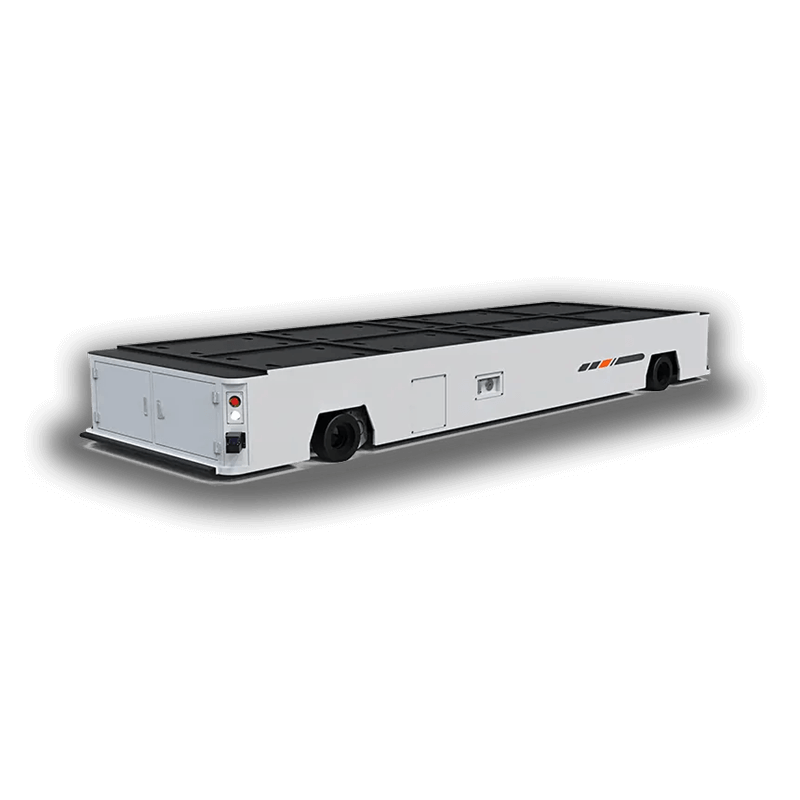
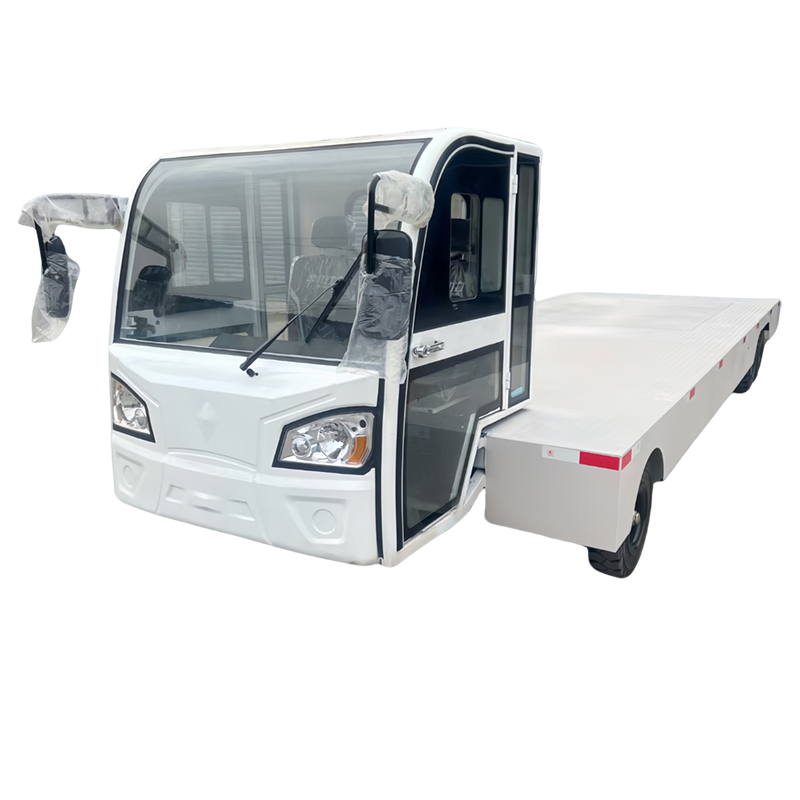
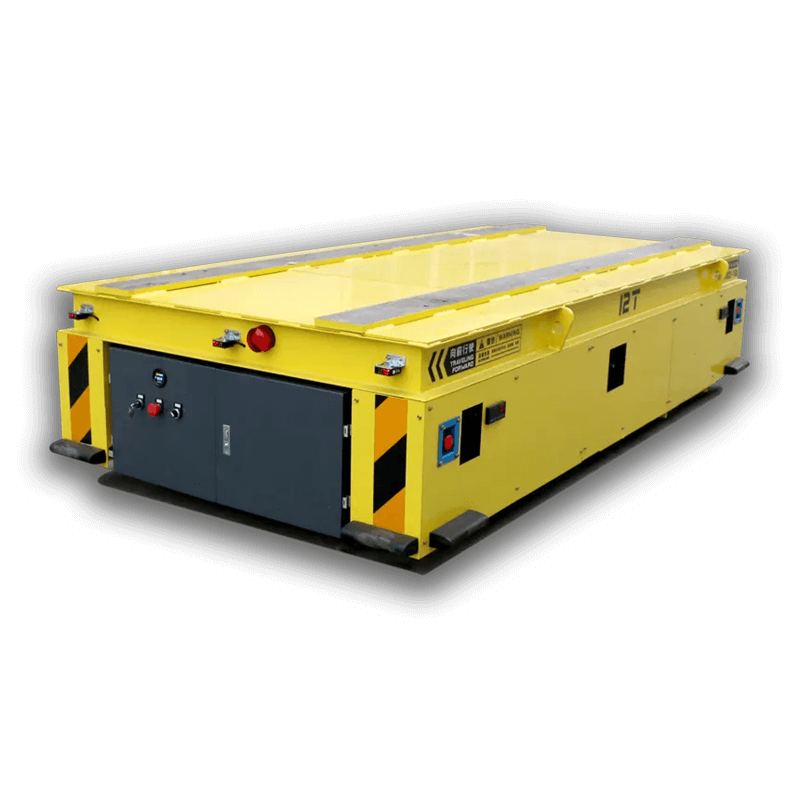
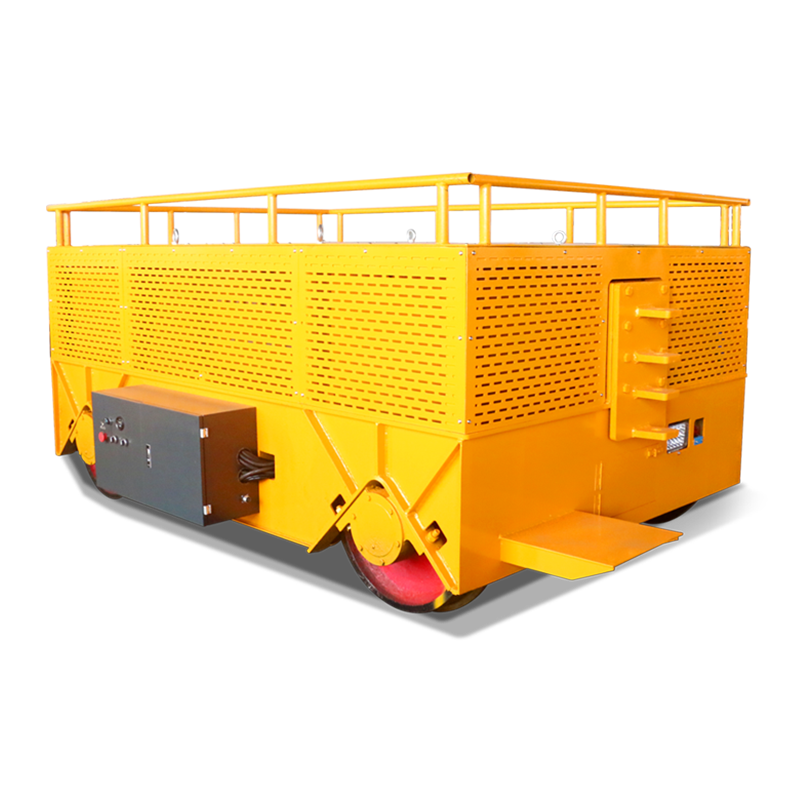
Electric Transfer Carts
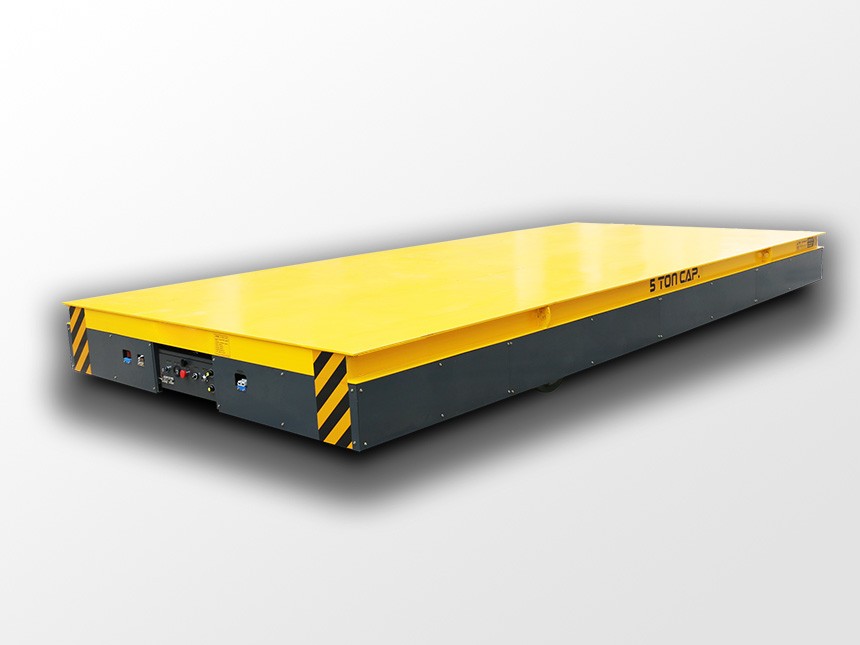
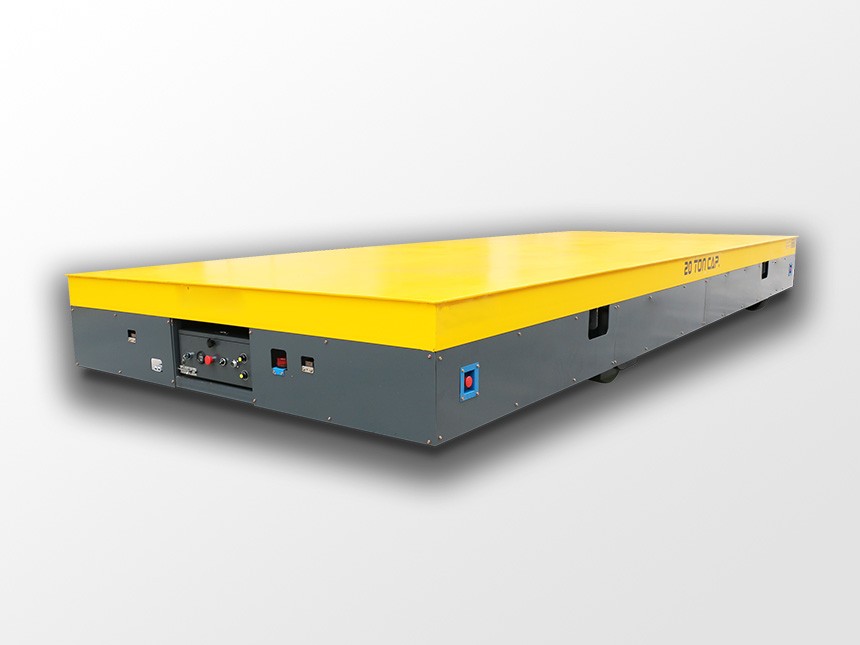
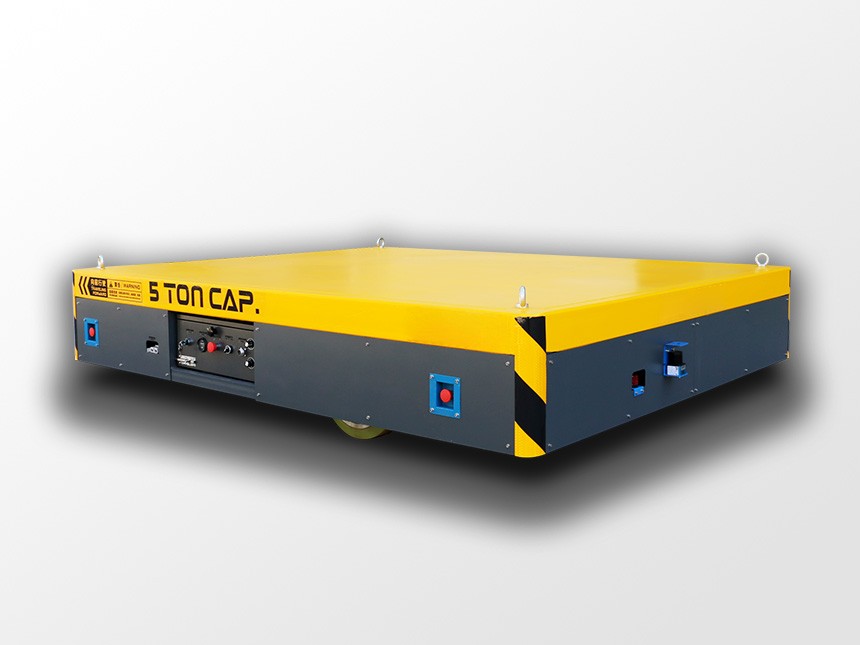
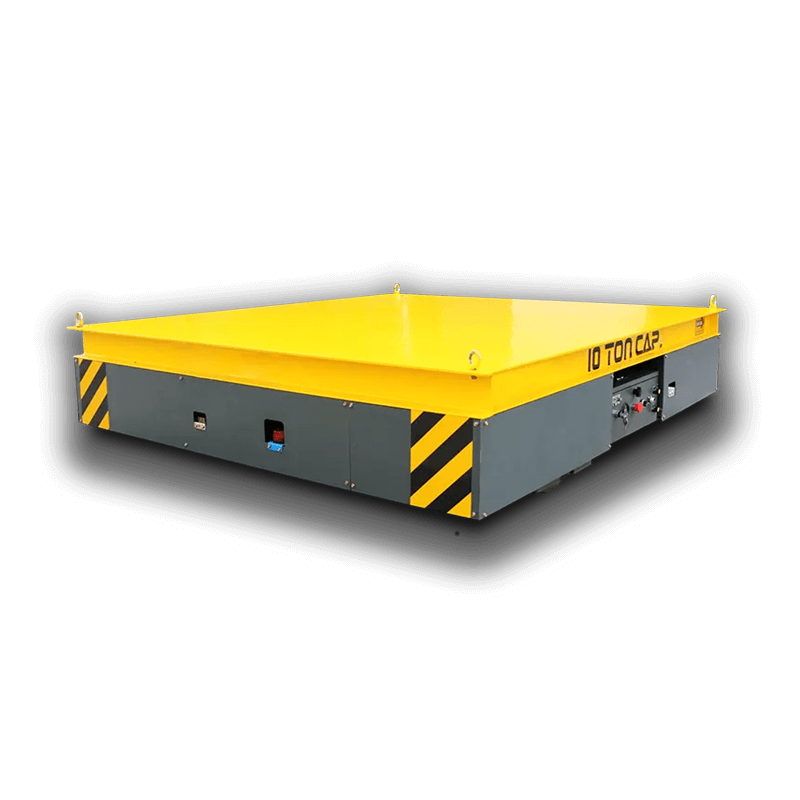
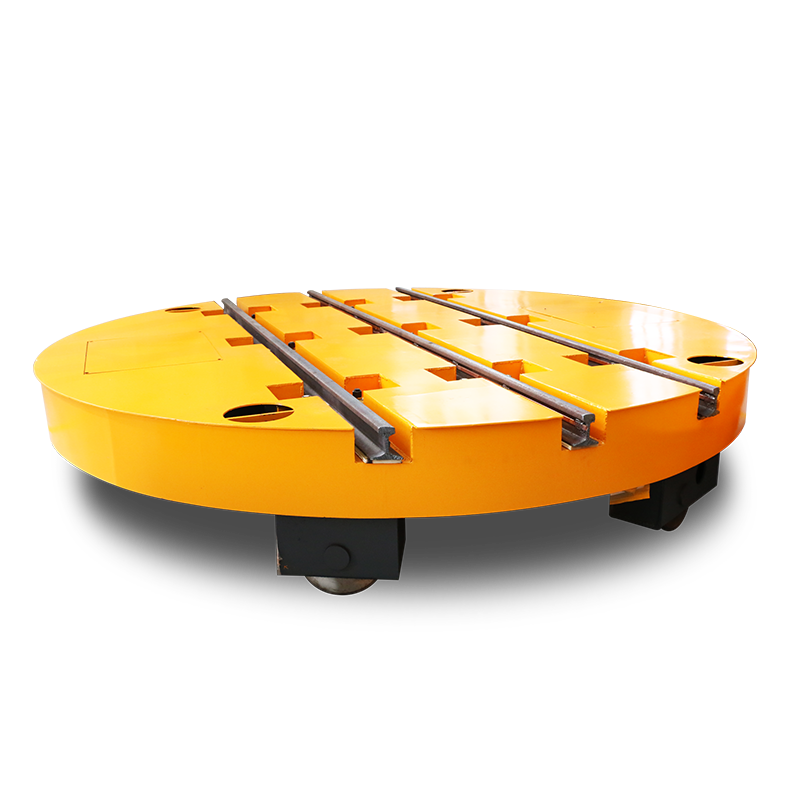
Basic electric carts offer reliable material transport without the complexity of full AGV systems. Starting around $5,000-$15,000 depending on capacity.
Simple Conveyor Systems
Gravity and basic powered conveyors handle routine transport needs economically. Modular designs allow incremental expansion.
Semi-Automated Tools
Power-assisted tools and fixtures reduce operator fatigue while maintaining human flexibility for complex tasks.
Implementation Best Practices
- Calculate total cost of ownership, not just purchase price
- Plan for maintenance and spare parts availability
- Invest in operator training for optimal utilization
- Document processes for continuous improvement
- Monitor performance metrics to validate ROI
Conclusion
Factory automation doesn't require enterprise-level budgets. By exploring affordable alternatives, implementing strategically, and focusing on high-impact applications, smaller factories can achieve meaningful automation benefits while maintaining financial prudence.