
 English
 简体中文
简体中文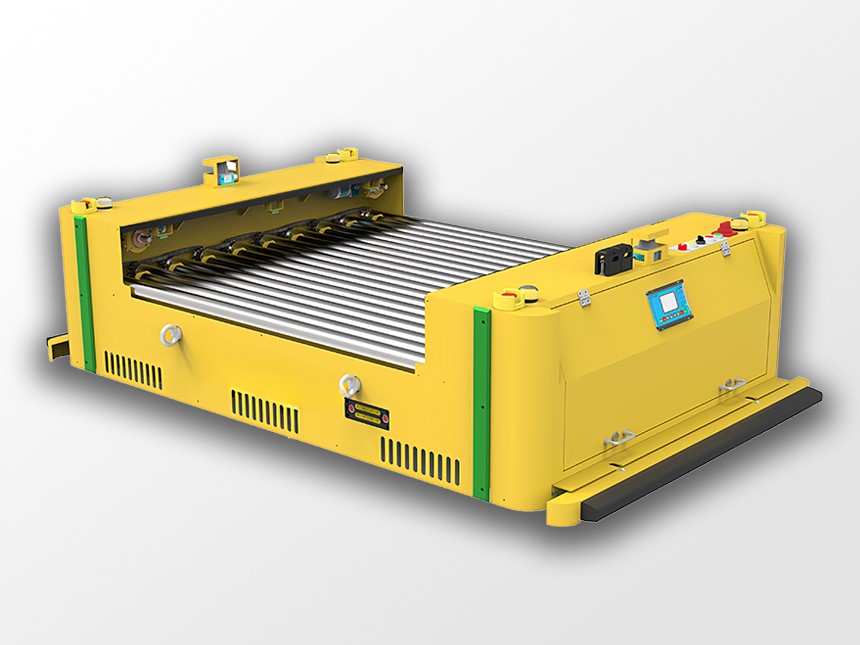
The Critical Decision: Selecting Appropriate Transport Equipment
Choosing the right transport equipment is one of the most important decisions that facility managers and engineers make. The selected equipment affects operational efficiency, product quality, worker safety, and total cost of ownership for years to come. Yet this decision is often made with insufficient analysis, based on habit, vendor preference, or initial purchase price rather than a systematic evaluation of requirements and alternatives. This article provides a structured framework for selecting transport equipment that matches application requirements and delivers long-term value.
Defining Requirements: The Foundation of Good Selection
Effective equipment selection begins with a clear definition of requirements. The requirements definition should address: load characteristics—the weight, dimensions, shape, and fragility of materials to be transported, including maximum and typical loads; transport parameters—the distance, frequency, speed, and accuracy requirements for material movement; route conditions—the floor surface, grades, doorways, and obstacles that affect equipment maneuverability; environmental conditions—temperature, humidity, contamination, and hazardous conditions that may require special equipment features; and operational constraints—the available space, existing infrastructure, and regulatory requirements that limit equipment options. Each requirement should be quantified with specific values, not general descriptions. For example, "heavy loads" should be specified as "loads up to 10 tons with typical loads of 3-5 tons."
The requirements definition should also consider future needs. Equipment that meets today's requirements may be inadequate if production volumes increase, product mix changes, or facility layout evolves. A common mistake is to specify equipment for current needs without considering growth, leading to premature replacement or operational constraints. The requirements should include reasonable projections for the expected life of the equipment, typically 5-10 years. And the requirements should be reviewed with stakeholders from operations, maintenance, safety, and management to ensure that all perspectives are considered.
Evaluating Equipment Types: Matching Technology to Task
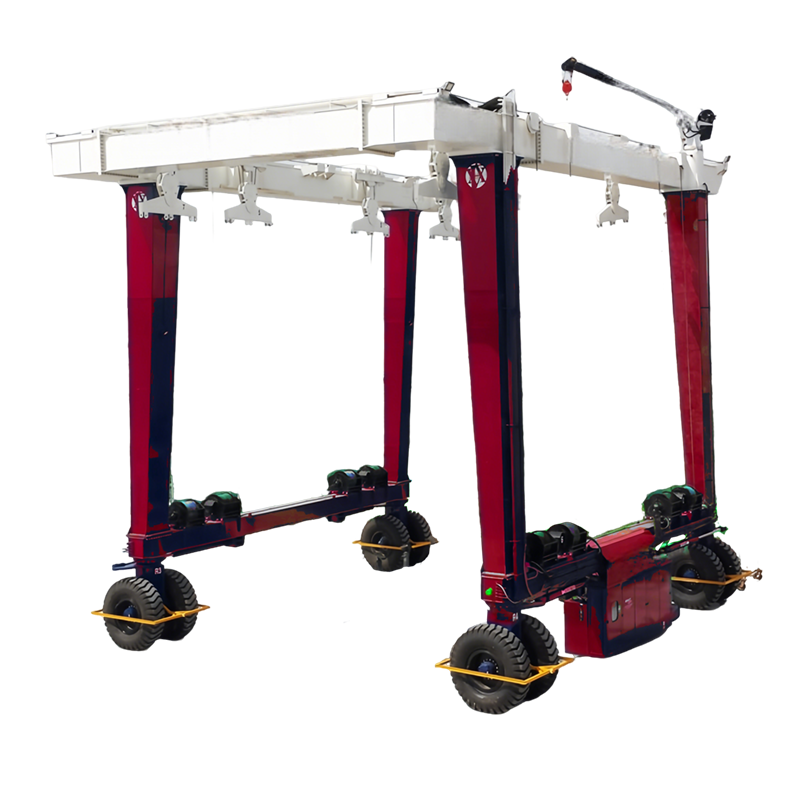
Once requirements are defined, the next step is to evaluate equipment types that could meet those requirements. The main categories of transport equipment include: manual equipment—carts, dollies, and hand trucks suitable for light loads and short distances; powered industrial trucks—forklifts, pallet jacks, and tow tractors suitable for medium to heavy loads; conveyors—belt, roller, and chain conveyors suitable for high-volume, fixed-path transport; overhead equipment—cranes, hoists, and monorails suitable for heavy loads and vertical transport; and automated vehicles—AGVs and AMRs suitable for flexible, high-frequency transport. Each type has distinct advantages and limitations that must be evaluated against the defined requirements.
The evaluation should consider not just the equipment itself but also the infrastructure required to support it. Conveyors require fixed installation and cannot easily be relocated. Overhead equipment requires structural support that may need building modification. Automated vehicles require navigation infrastructure, communication systems, and integration with facility management systems. The total cost of implementation includes not just the equipment purchase price but also the infrastructure, installation, training, and integration costs. A thorough evaluation considers all of these factors, not just the equipment specification.
Electric Transfer Carts: A Versatile Option
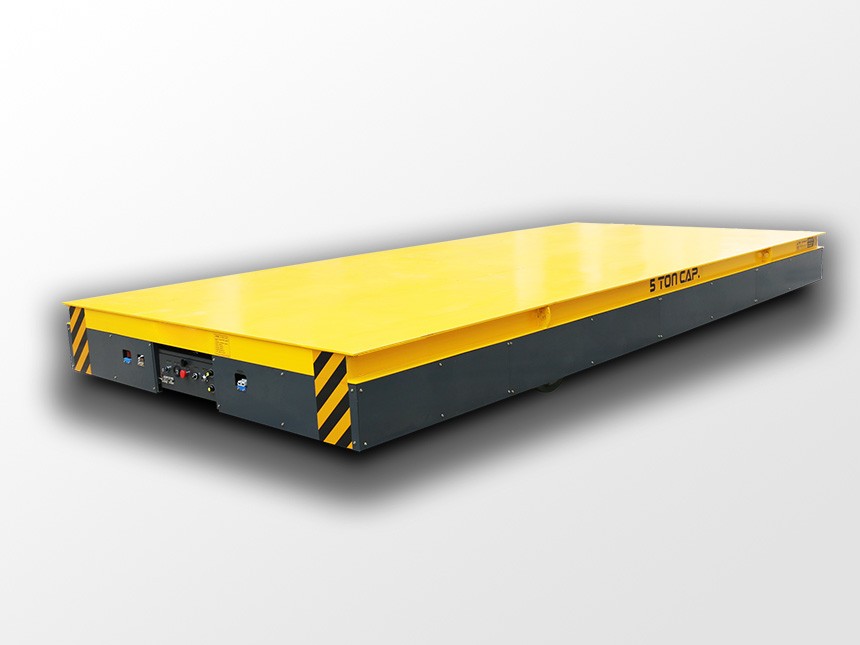
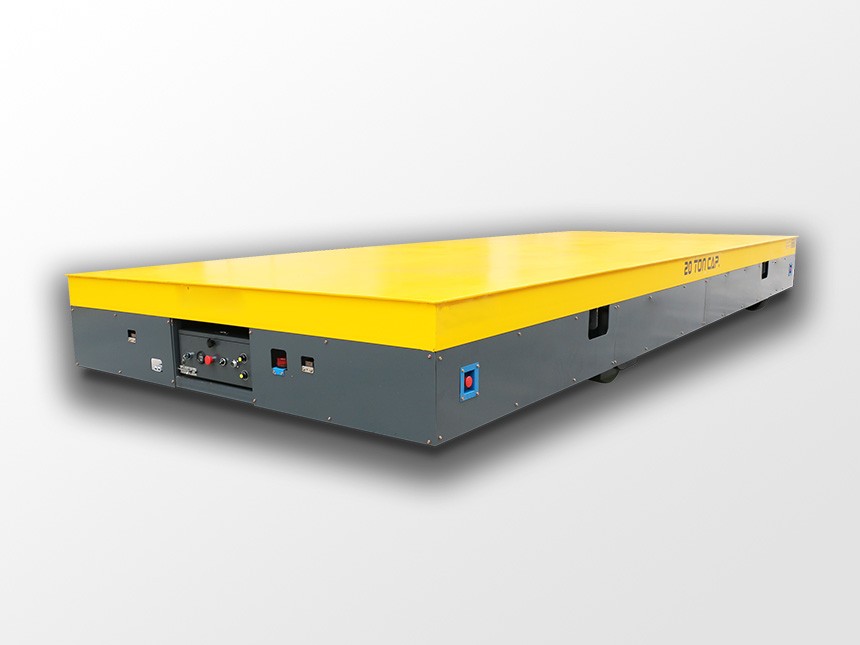
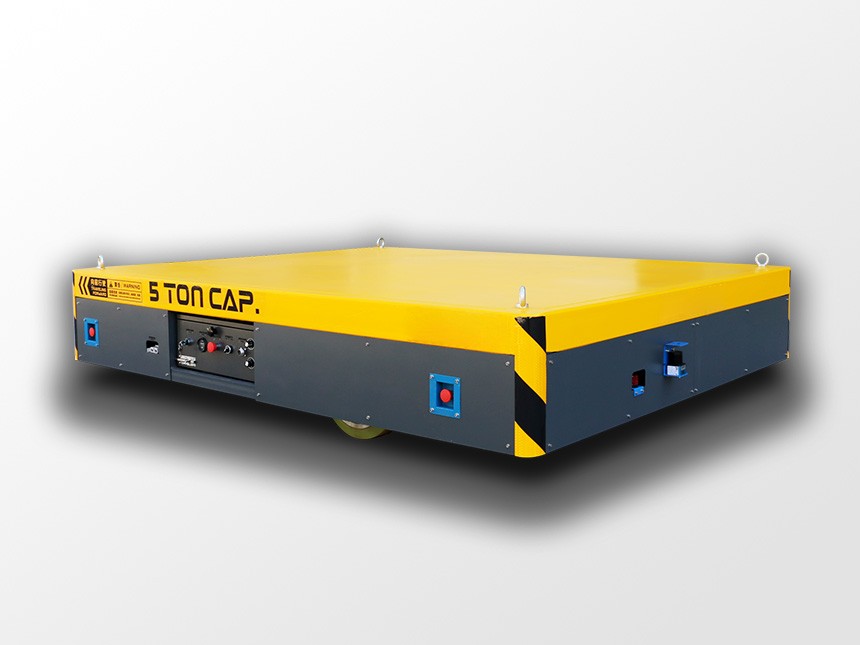
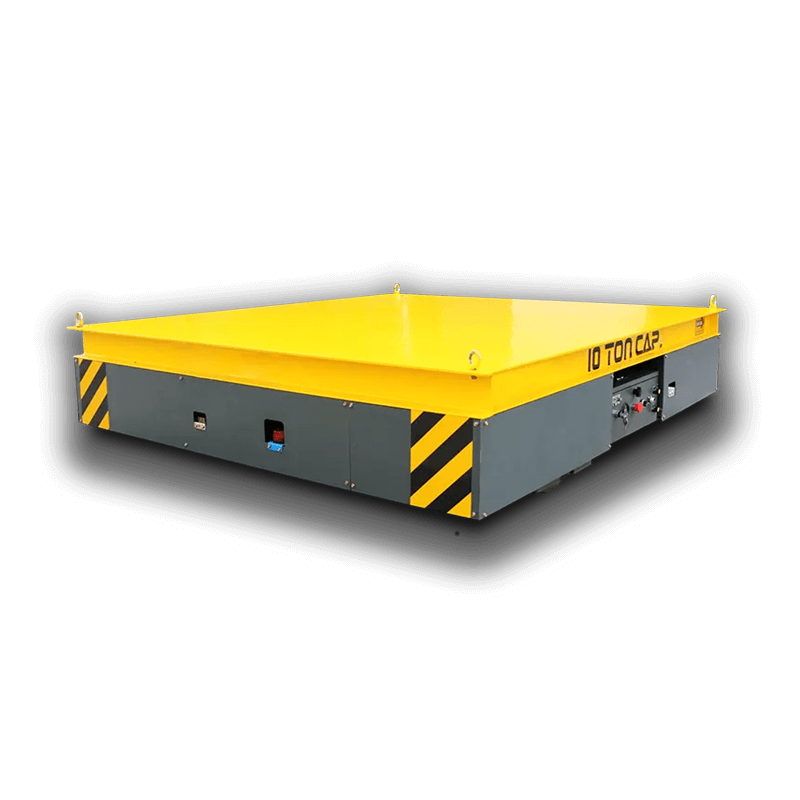
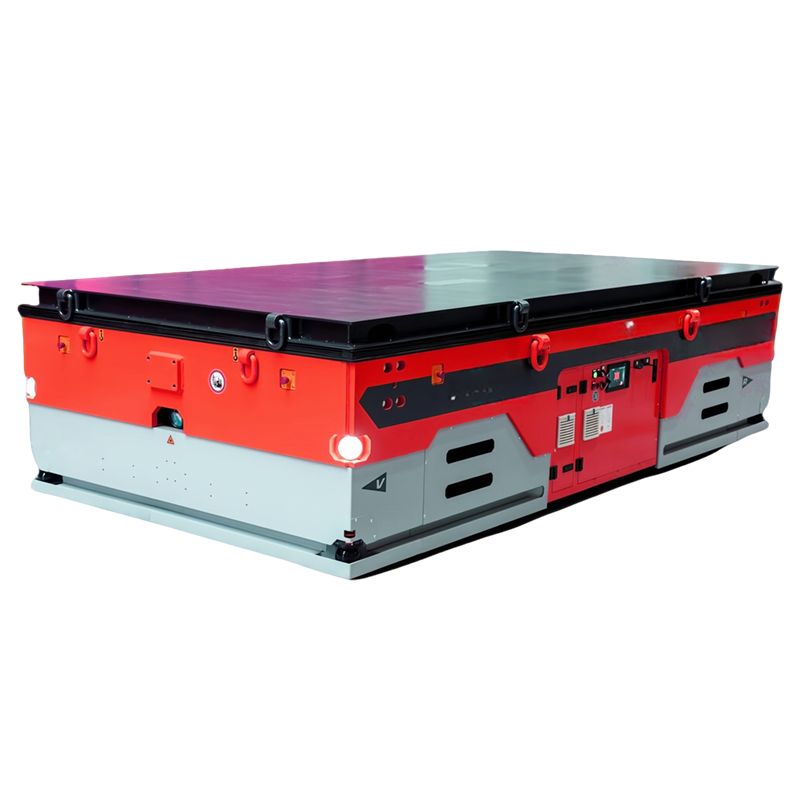
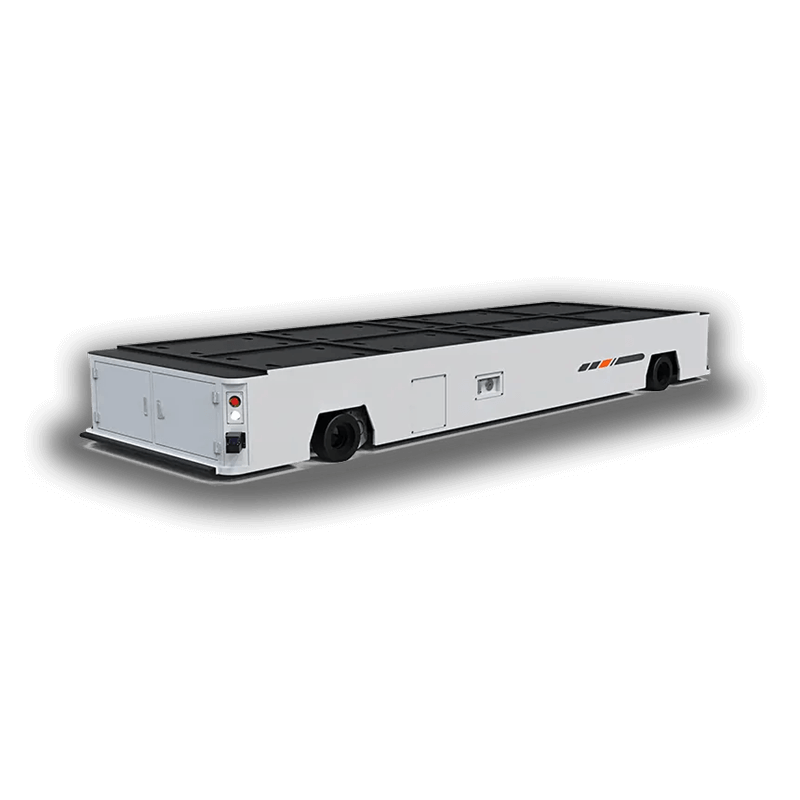
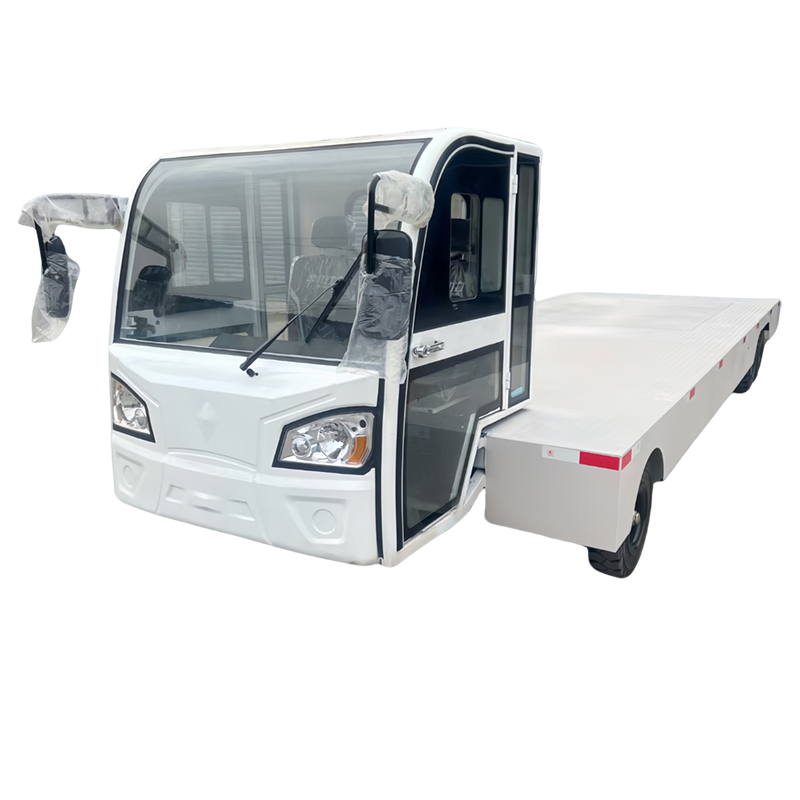
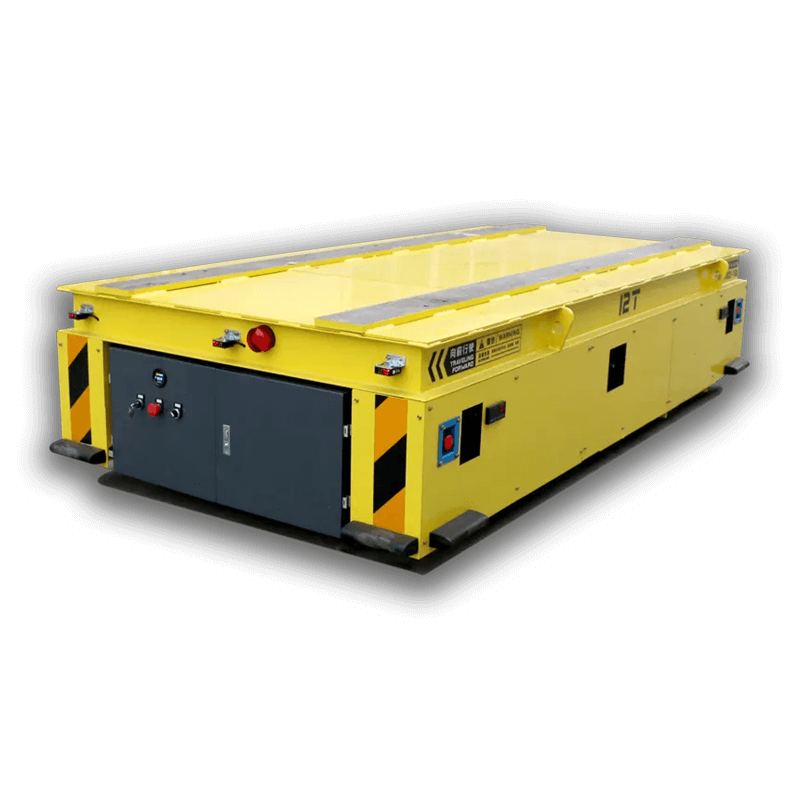
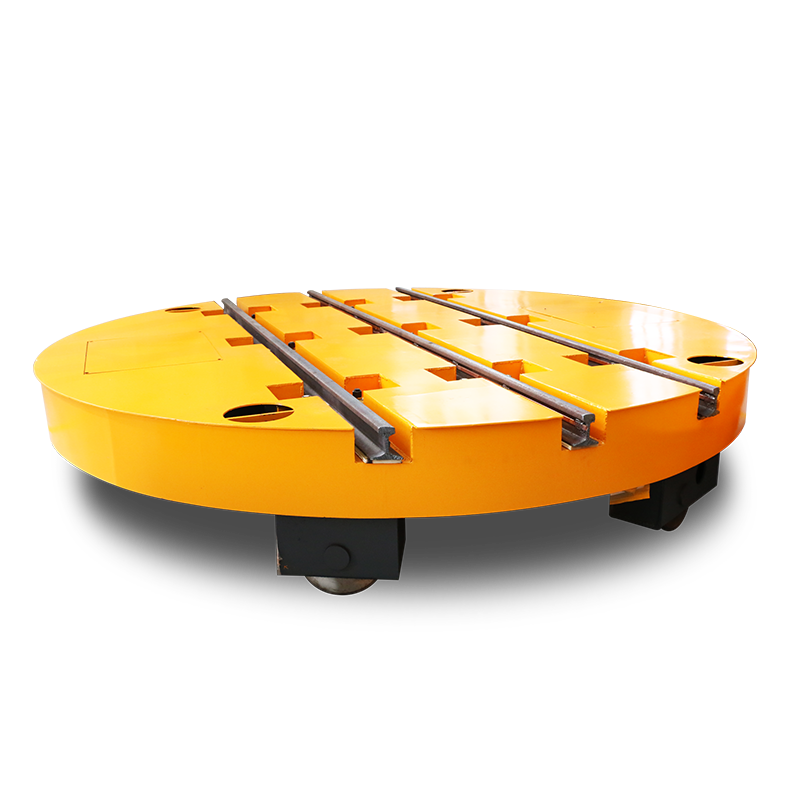
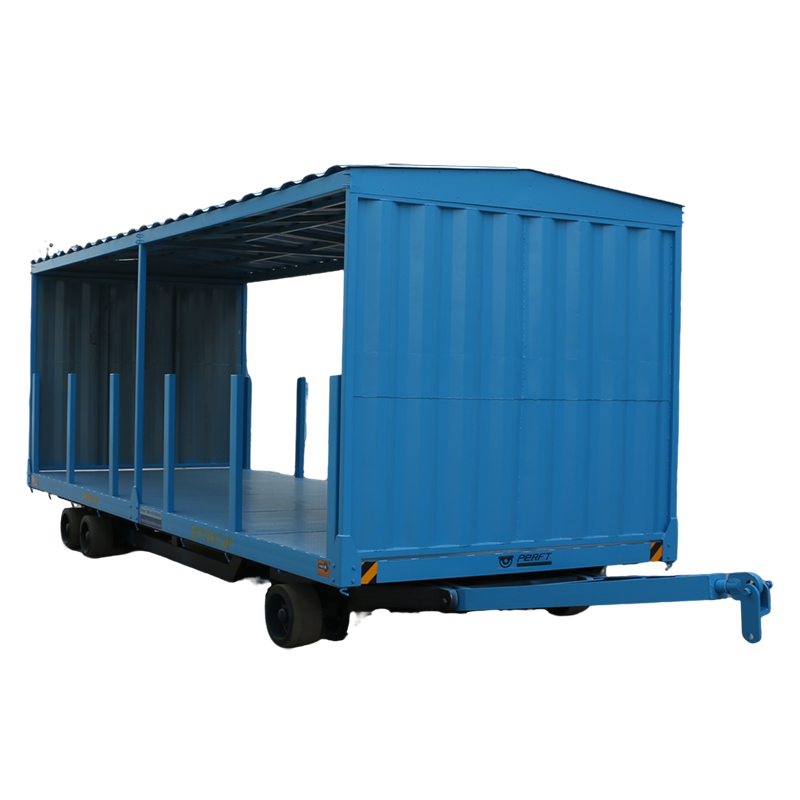
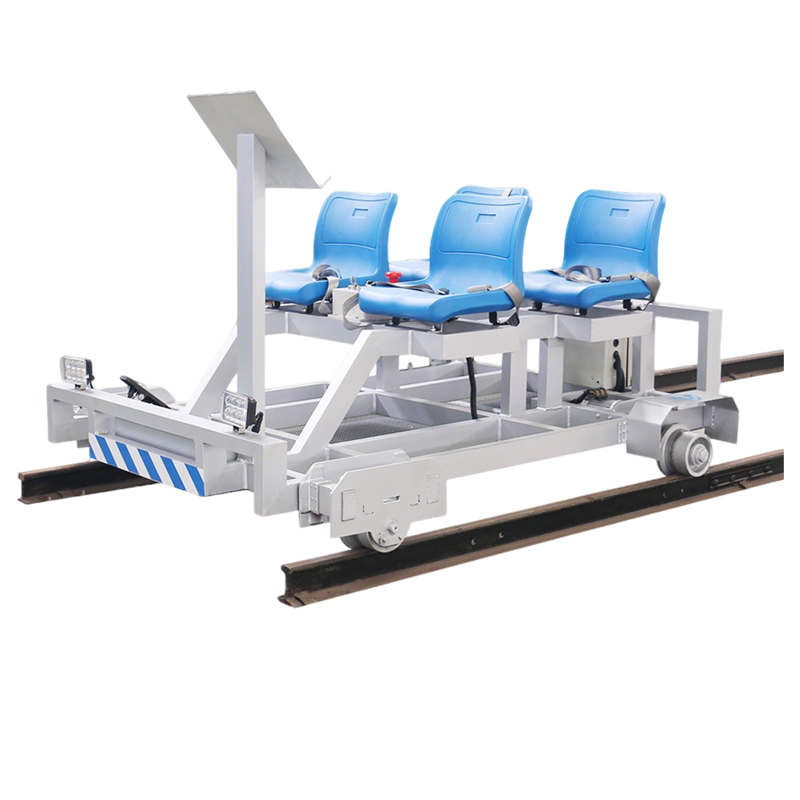
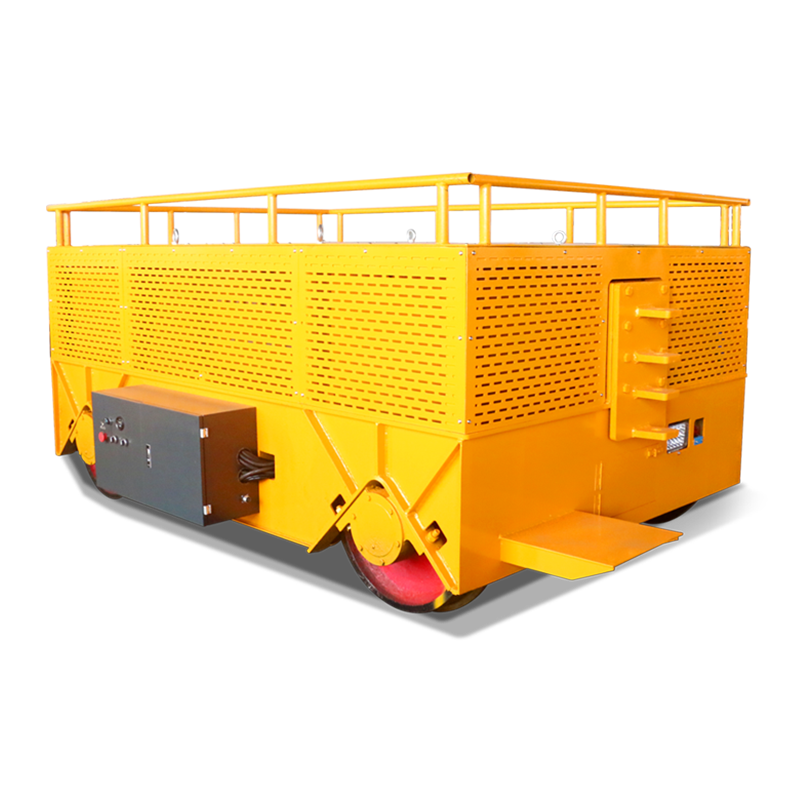
Electric transfer carts deserve special consideration in the equipment selection process because they offer a unique combination of capabilities that bridge multiple equipment categories. Like manual carts, they are flexible and can operate without fixed infrastructure. Like powered trucks, they provide powered movement for heavy loads. Like automated vehicles, they can be equipped with guidance and control systems that enable precise, repeatable operation. This versatility makes electric transfer carts suitable for a wide range of applications that might otherwise require multiple types of equipment.
The selection of electric transfer carts should consider: capacity range—carts are available from a few hundred kilograms to hundreds of tons, enabling matching to specific load requirements; power options—battery, cable, and rail-powered options provide flexibility for different operating conditions; customization potential—carts can be configured with specialized decks, fixtures, and controls to meet specific application needs; and integration capability—modern electric carts can communicate with facility systems, enabling coordinated operation and real-time monitoring. These features make electric transfer carts a viable option for many applications where other equipment types might seem to be the obvious choice.
Total Cost of Ownership: Looking Beyond Purchase Price
The most common mistake in equipment selection is focusing on purchase price rather than total cost of ownership (TCO). TCO includes: acquisition costs—purchase price, delivery, installation, and commissioning; operating costs—energy, consumables, and labor for operation; maintenance costs—preventive maintenance, repairs, spare parts, and service contracts; and disposal costs—decommissioning, removal, and environmental compliance at end of life. The equipment with the lowest purchase price often has the highest TCO, due to poor reliability, high energy consumption, expensive maintenance, or short service life.
The TCO analysis should be performed over the expected life of the equipment, using discounted cash flow methods that account for the time value of money. The analysis should use actual cost data from the supplier and from reference installations, not optimistic projections. And the analysis should include sensitivity analysis that shows how TCO changes with variations in key assumptions such as utilization, energy costs, and maintenance requirements. A thorough TCO analysis often reveals that higher-quality equipment with a higher purchase price delivers lower total cost over its life, providing better value for the investment.
Supplier Evaluation: Choosing the Right Partner
The selection of transport equipment is also the selection of a supplier who will provide support throughout the equipment life. The supplier evaluation should consider: technical capability—the supplier's ability to design and manufacture equipment that meets the specified requirements, including customization for special needs; quality track record—the supplier's history of delivering reliable equipment, demonstrated by reference installations and warranty claims data; service support—the availability of spare parts, technical support, and field service within acceptable response times; and financial stability—the supplier's ability to remain in business and honor warranty and service commitments throughout the equipment life. The lowest-priced supplier is not the best value if they cannot provide adequate support.
The supplier evaluation should include site visits to reference installations where the supplier's equipment is operating in similar applications. These visits provide insights into equipment performance, reliability, and service quality that cannot be obtained from brochures or presentations. The evaluation should also include discussions with the supplier's existing customers about their experience with equipment performance, service responsiveness, and problem resolution. And the evaluation should verify the supplier's financial stability through credit checks or financial statement review. The goal is to select a supplier who will be a reliable partner for the long term, not just a vendor who delivers equipment.
Implementation Planning: Ensuring Successful Deployment
The selection of equipment is only the beginning of the implementation process. Successful deployment requires careful planning that addresses: installation requirements—site preparation, utility connections, and infrastructure modifications needed before equipment delivery; commissioning procedures—testing, calibration, and acceptance criteria that verify equipment performance before handover; training programs—operator training, maintenance training, and safety training that enable effective and safe operation; and integration activities—connection to facility systems, data exchange configuration, and operational procedure updates. The implementation plan should include a timeline with milestones, responsibilities, and contingency plans for addressing issues that arise during deployment.
The implementation should also include a performance verification period during which the equipment is operated under actual production conditions to confirm that it meets all requirements. This period, typically 30-90 days, provides an opportunity to identify and resolve issues before the equipment is fully accepted. The performance verification should include measurement of key performance indicators such as throughput, accuracy, availability, and energy consumption, with comparison to the specifications that were the basis for selection. And the verification should include feedback from operators and maintenance personnel who will work with the equipment on a daily basis. Thorough implementation planning and verification ensure that the selected equipment delivers the expected value.