
 English
 简体中文
简体中文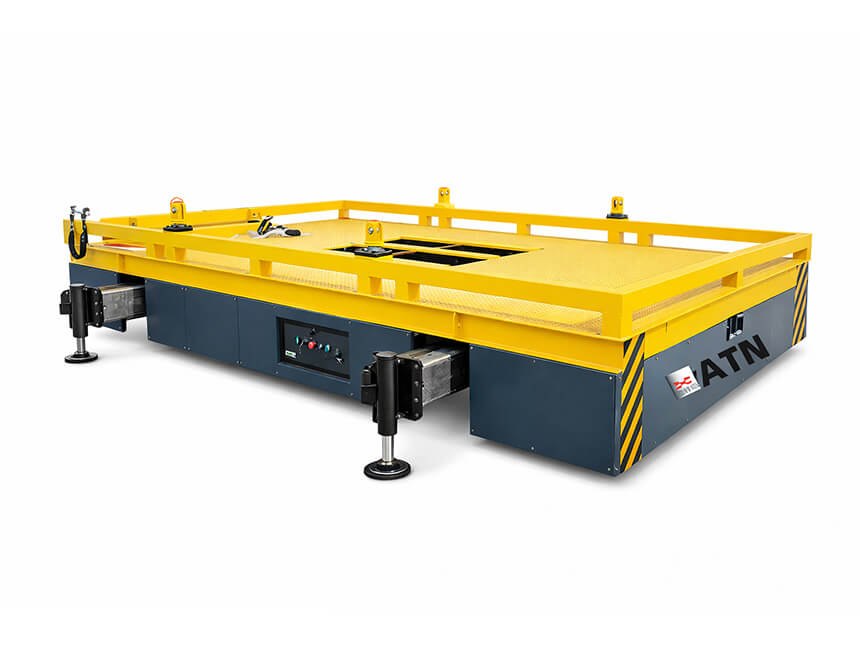
What Defines a Reliable Industrial Electric Cart Solutions Provider
When factories need to move heavy loads across production floors, the choice of equipment supplier matters just as much as the equipment itself. An industrial electric cart solutions provider isn't just a vendor — they're a partner in your internal logistics operation. The right one brings engineering expertise, manufacturing capability, and post-sale support together.
Here's the thing: most procurement teams focus on specs and price. But long-term reliability depends on design philosophy, quality control, and how well the supplier understands your workflow. A provider that asks about your floor conditions, load patterns, and shift schedules before quoting is already ahead of the pack.
Core Capabilities to Look For
Custom Engineering and Design
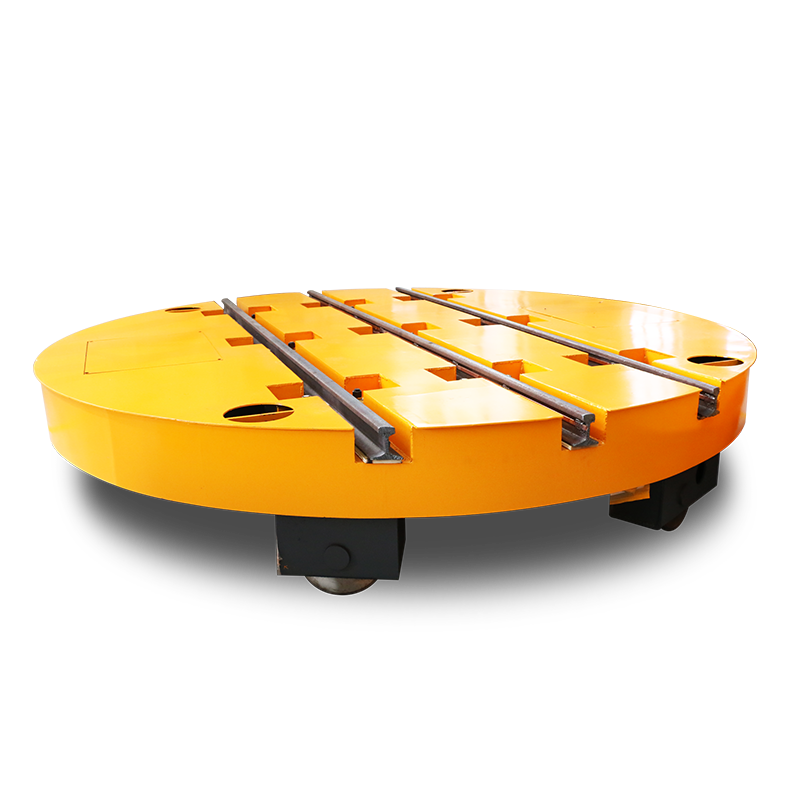
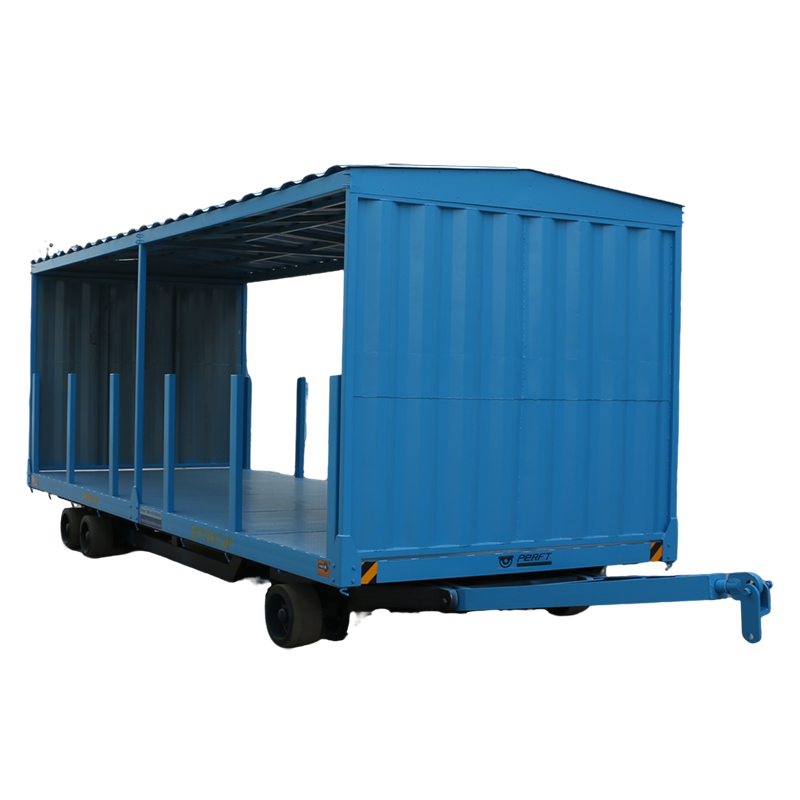
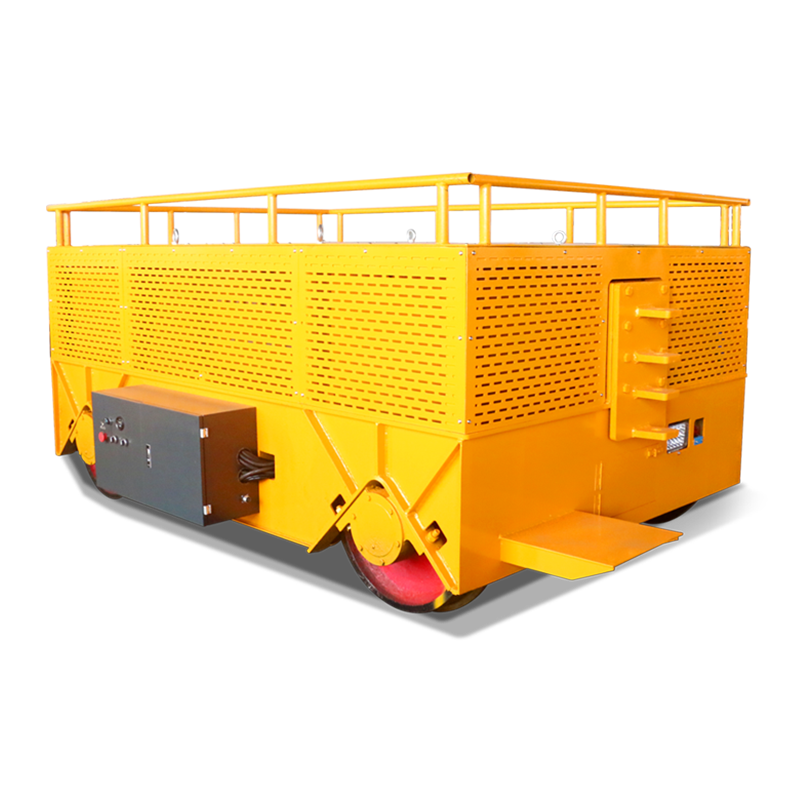
Off-the-shelf carts work for standard applications. But real industrial environments rarely fit standard templates. Look for providers with in-house design teams that can modify platform dimensions, wheel configurations, and drive systems to match your needs. For example, a steel mill might need heat-resistant components, while a food plant requires stainless steel surfaces.
The best providers don't just customize — they validate. That means FEA analysis on load-bearing structures, prototype testing, and field trials before full production.
Manufacturing Quality and Certifications
Quality isn't just about using thick steel. It's about welding standards, electrical component sourcing, and assembly consistency. Check for ISO 9001 certification at minimum. If your industry requires specific standards (CE, UL, or explosion-proof ratings), verify the provider has relevant certifications.
Ask about their supply chain. Do they use branded controllers and motors, or no-name alternatives? The difference shows up in failure rates three years down the line.
After-Sales Support and Spare Parts Availability
Electric carts aren't disposable equipment. Batteries need replacement, wheels wear out, and controllers occasionally fail. A provider with local service teams or fast spare parts shipping saves you weeks of downtime.
Here's a practical check: ask for their typical spare parts delivery time. If the answer is "we'll check and get back to you," that's a red flag. Established providers keep common parts in stock and can quote lead times immediately.
Key Selection Factors for Industrial Electric Carts
Before contacting providers, clarify your requirements. This speeds up the quoting process and helps you compare apples to apples.
Load Capacity and Platform Size
Rated load isn't the only number that matters. Dynamic loading — starting, stopping, and turning with a full load — puts different stress on the frame than static capacity. Most industrial carts are rated between 1 ton and 300 tons, but the real question is: what's your heaviest typical load, and how often do you approach that limit?
Platform dimensions should match your cargo. Too small, and loads overhang. Too large, and maneuverability suffers in tight aisles.
Power System Options
Battery technology has evolved significantly. Lead-acid batteries remain cost-effective for low-duty cycles, while lithium-ion options offer longer life, faster charging, and maintenance-free operation. Some providers now offer battery swap systems for 24/7 operations.
Charging strategy matters too. Opportunity charging during breaks can extend effective range without dedicated charging downtime.
Control and Navigation
Basic electric carts use manual or remote control. More advanced systems integrate with factory automation — following magnetic strips, responding to RFID tags, or even basic SLAM navigation for semi-autonomous operation.
The choice depends on your existing infrastructure. If you already have conveyor systems and PLCs, a cart with I/O integration makes sense. For simpler operations, remote control keeps costs down.
Evaluating Provider Reliability
Beyond technical specs, assess the provider's track record. Ask for:
Reference customers in your industry. Typical project delivery timelines. Warranty terms and coverage details. Service response time commitments.
Don't just read the brochure. Contact references directly. Ask about hidden costs, delivery delays, and how the provider handled issues. That's where you learn the real story.
Cost Considerations Beyond Purchase Price
The sticker price is just the start. Factor in:
Total cost of ownership — battery replacement, maintenance labor, downtime costs. A cheaper cart that breaks down twice a year often costs more over five years than a premium option.
Installation and commissioning — some providers include this, others charge separately. Clarify who's responsible for electrical connections and floor preparation.
Training — operators need to understand load limits, charging procedures, and safety protocols. Good providers include operator training in their package.
Common Mistakes in Supplier Selection
From experience, here are the traps buyers fall into:
Choosing based on price alone. The lowest bid usually cuts corners on components or support. You won't notice until the first failure.
Ignoring local service capability. A provider 3,000 miles away with no local partners means weeks of waiting for repairs.
Over-specifying. Buying a 50-ton cart for 10-ton loads wastes capital and makes daily operation less efficient. Match capacity to actual needs with reasonable headroom.
Neglecting future growth. Your workflow might change. Modular designs that allow capacity upgrades or feature additions protect your investment.
Industry-Specific Considerations
Different sectors have unique requirements:
Steel and heavy machinery: High load ratings, heat resistance, and robust frame construction. Carts often operate near furnaces or casting equipment.
Automotive: Precision positioning for assembly line integration, clean operation, and compatibility with existing conveyor systems.
Food and pharmaceutical: Hygienic surfaces, stainless steel construction, and compliance with FDA or GMP standards.
Aerospace: Extremely high load ratings for engine components, plus non-marking wheels to protect cleanroom floors.
Conclusion
Selecting an industrial electric cart solutions provider is a strategic decision, not just a procurement task. The right partner delivers equipment that fits your workflow, supports it over years of operation, and adapts as your needs evolve.
Focus on engineering capability, quality evidence, and service commitment. Ask hard questions about components, references, and support. The extra due diligence upfront pays off in reliability and lower total cost of ownership over the equipment's lifetime.