
 English
 简体中文
简体中文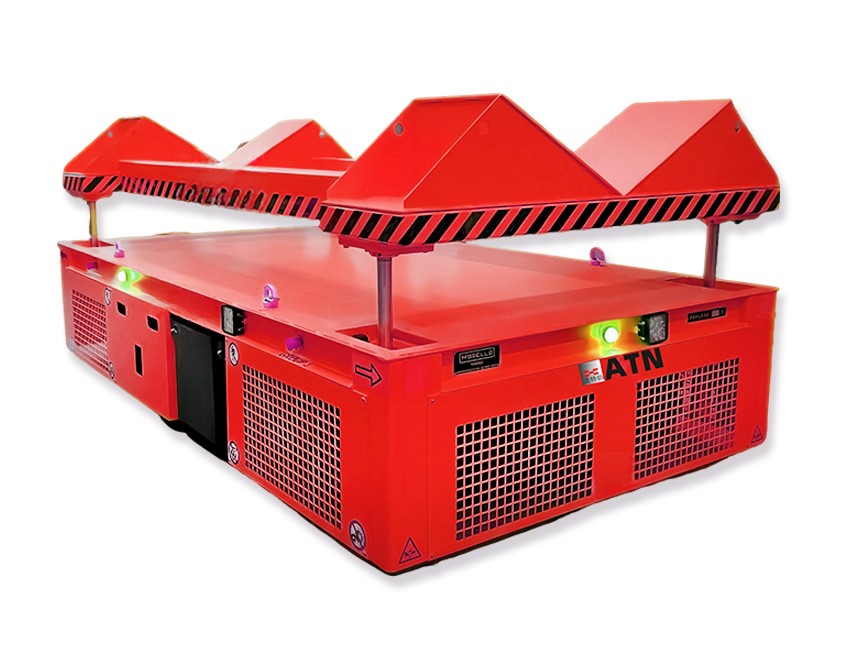
Introduction
Warehouse logistics operations face constant pressure to move materials faster, reduce errors, and cut labor costs. Traditional methods—manual pushing, tugger systems, or forklift dependency—create bottlenecks that cascade through the entire supply chain. Transfer carts have emerged as a practical solution for facilities that need reliable, flexible material movement without the infrastructure commitment of fixed conveyor systems.
Common Challenges in Warehouse Material Transport
Operations managers repeatedly encounter a set of recurring problems. Forklift traffic creates safety congestion in narrow aisles. Manual transport relies on labor availability, which fluctuates seasonally. Fixed rail systems lock facilities into a single layout, making reconfiguration expensive and disruptive. Turnaround times between zones stretch when operators must wait for equipment to become available. These constraints compound as order volumes grow and SKU variety increases.
How Transfer Carts Address Warehouse Needs
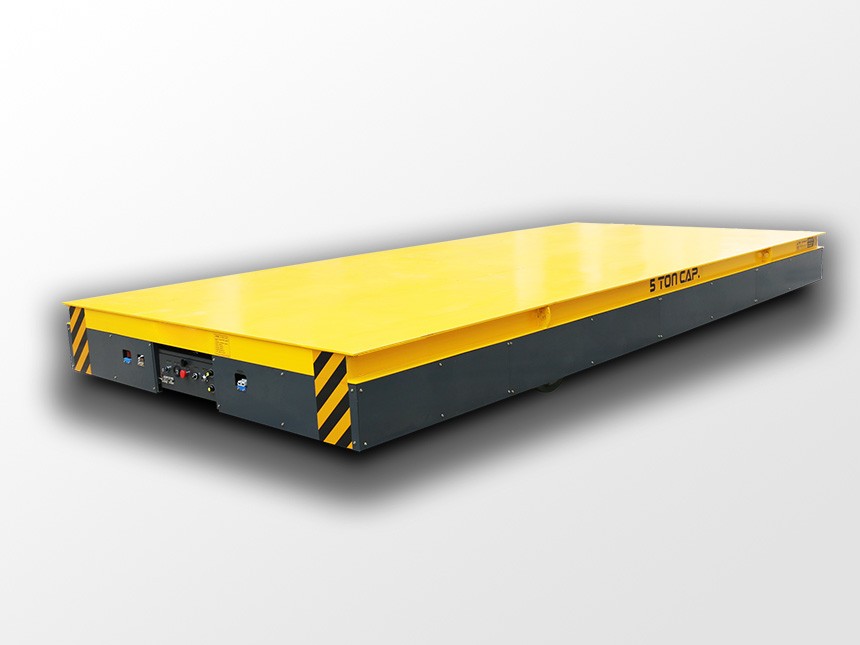
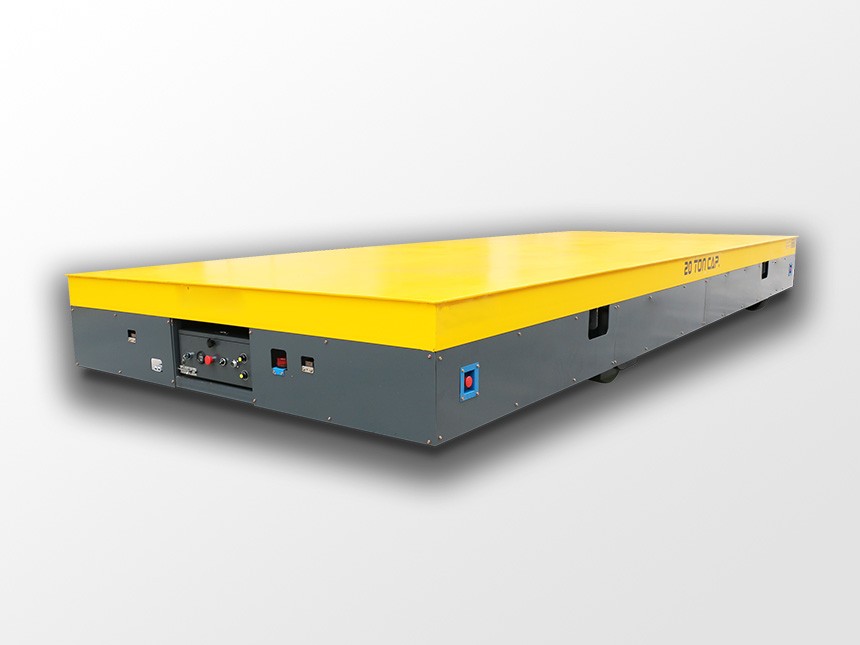
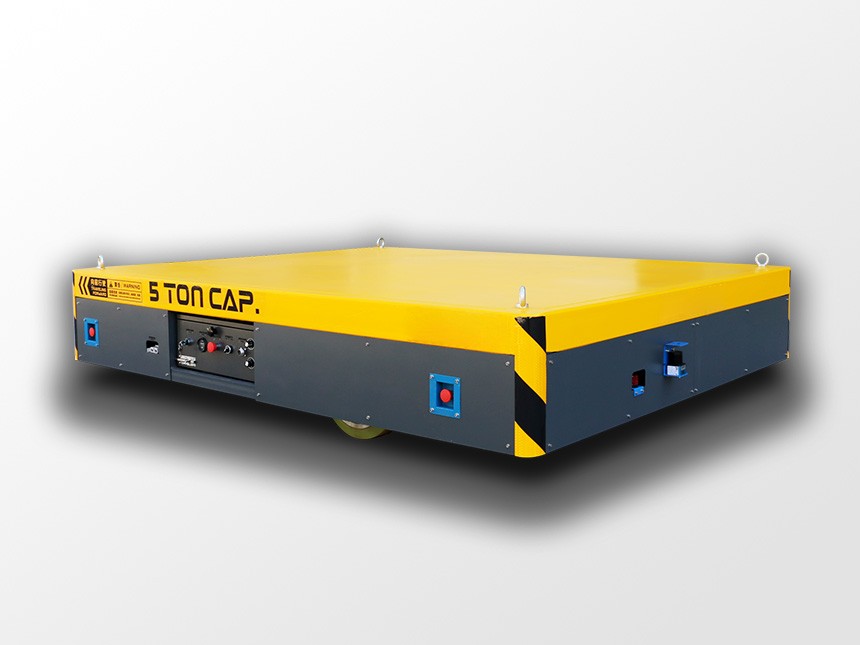
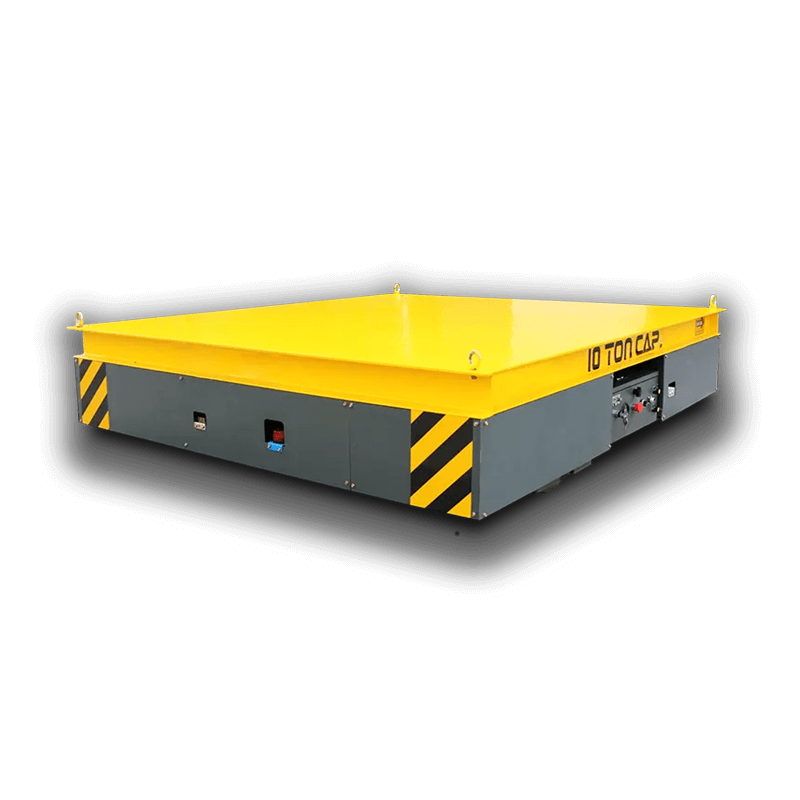
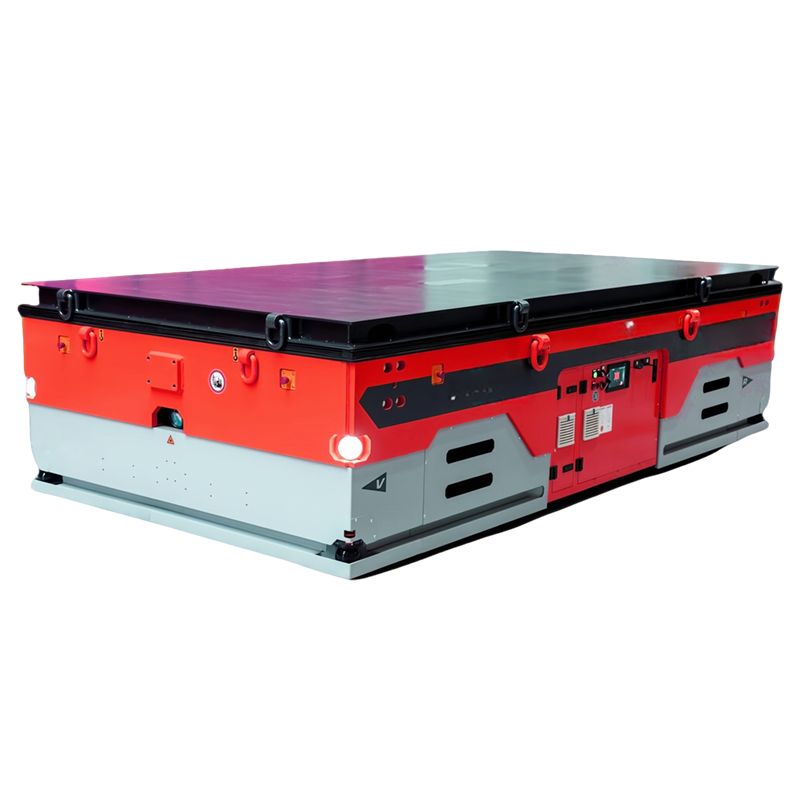
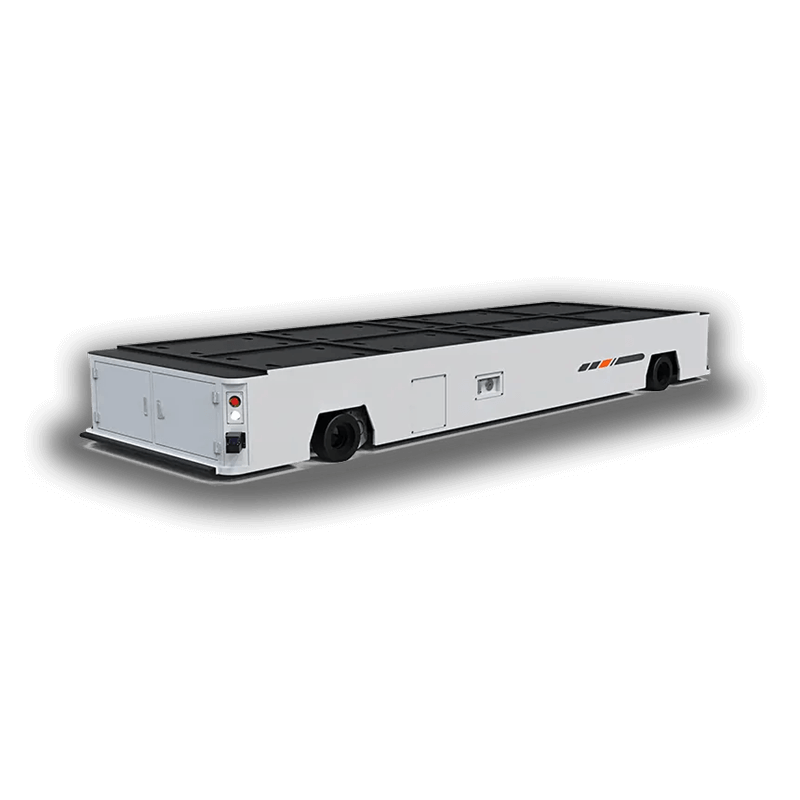
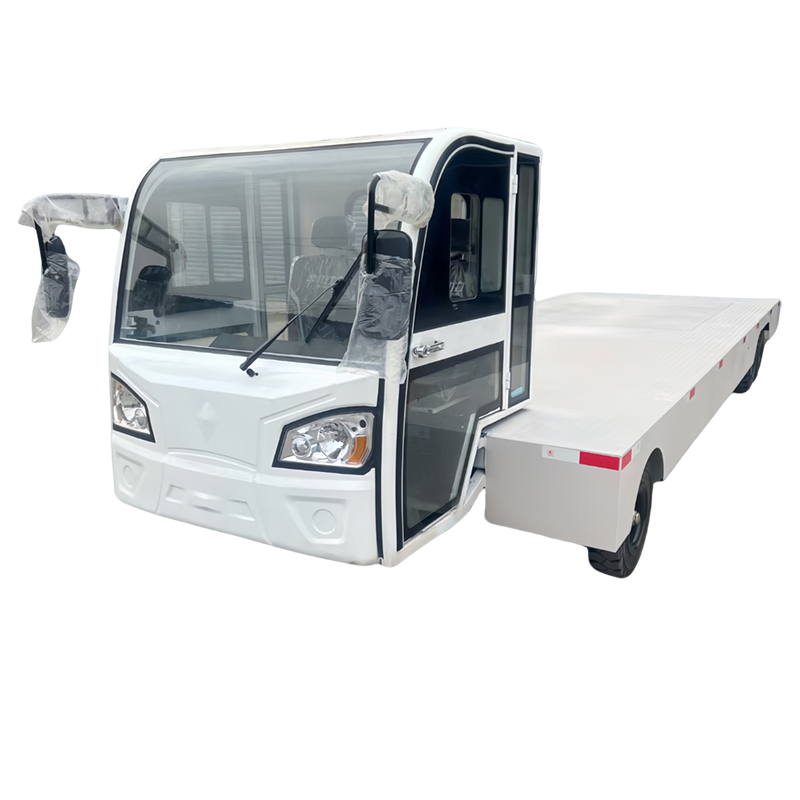
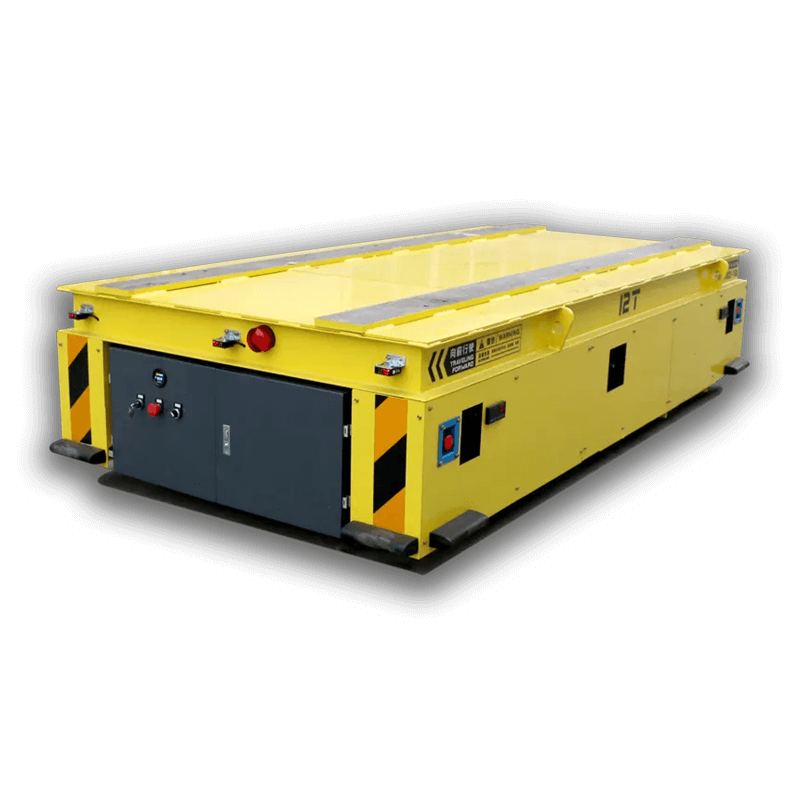
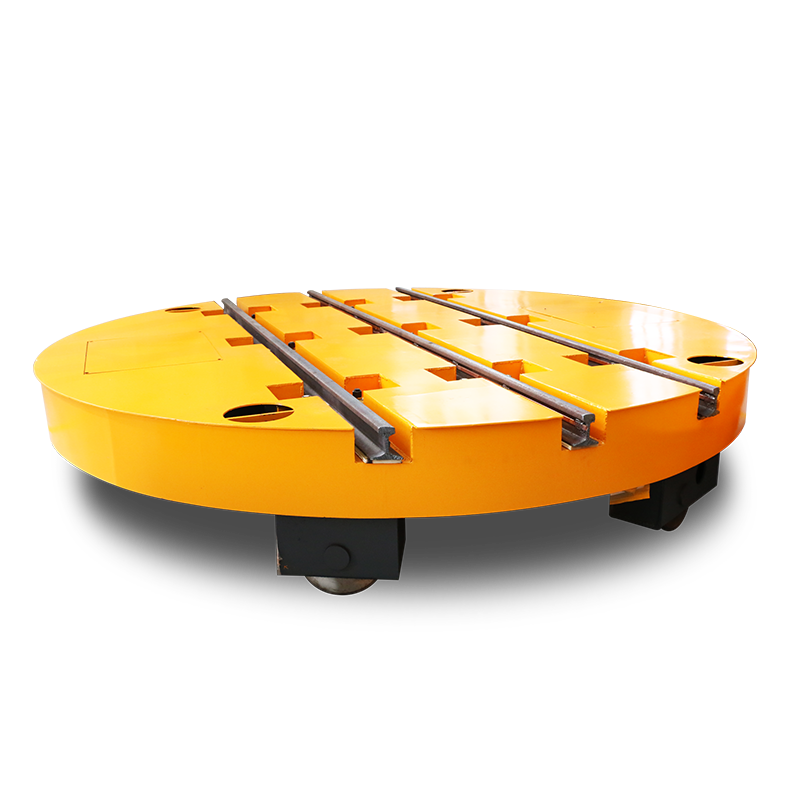
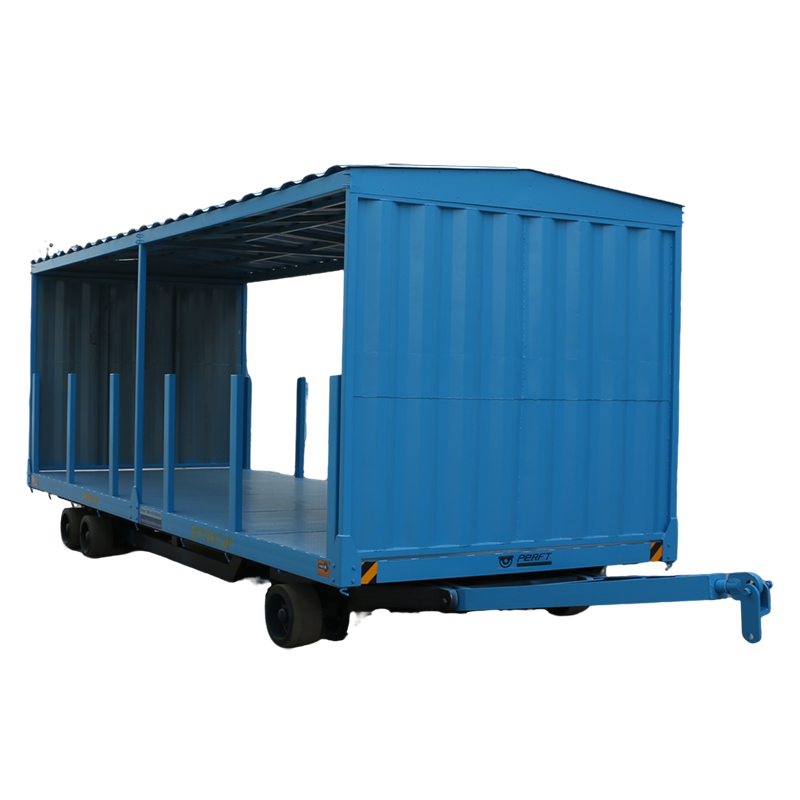
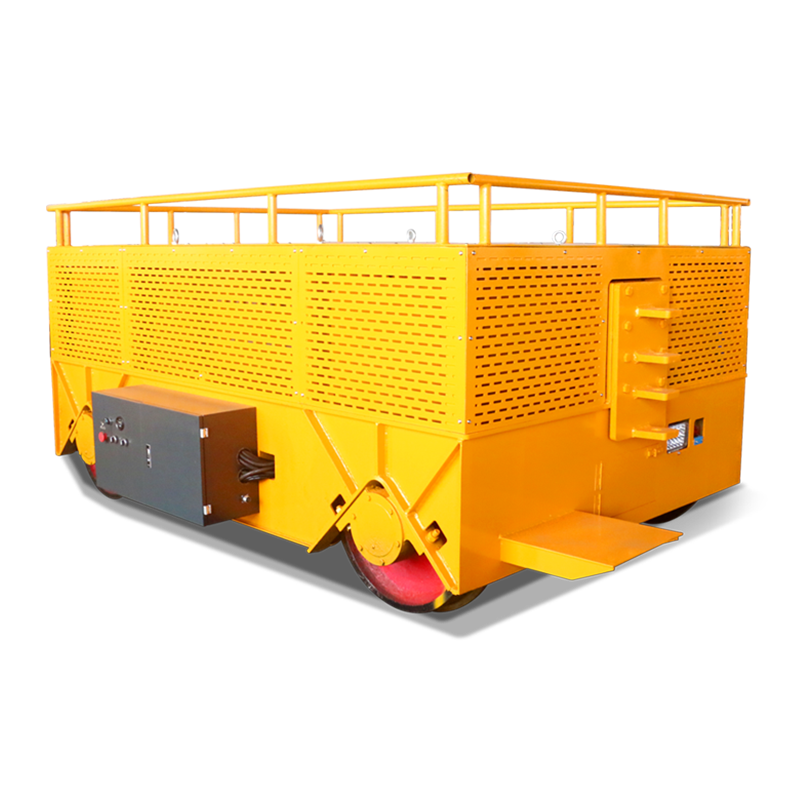
Transfer carts operate on flat floors without rails, giving them unmatched routing flexibility. Battery-powered units travel between picking zones, staging areas, and shipping docks on demand. Remote-controlled or semi-automated models allow a single operator to summon, load, and dispatch a cart from a fixed position—no license required, no dedicated driver overhead. Carts can run continuously during shifts and recharge during off-hours, maintaining high availability across multi-zone facilities.
Implementation Steps
Deploying transfer carts in a warehouse typically follows four phases. First, conduct a zone audit: map all transport routes, note aisle widths, identify turning radii, and quantify average load weights per trip. Second, select cart specifications aligned with your heaviest and largest loads—standard capacities range from 5 tons to 300+ tons, with platform sizes tailored to pallet configurations. Third, configure the control scheme: remote pendant, radio control, or PLC integration with your existing WMS for automated dispatch. Fourth, run a pilot in one zone, measure cycle times and error rates, then scale deployment across remaining areas.
Measurable Results
Facilities that have adopted transfer carts for cross-zone transport consistently report quantifiable improvements. Throughput between picking and shipping zones typically increases by 30–40% because carts eliminate the wait time associated with forklift availability. Labor costs for internal transport drop by 35–45% as operators redirect effort to value-adding tasks rather than pushing loads. Damage incidents decline by 50% or more—carts move loads smoothly at controlled speeds, unlike forklift mast operations in tight spaces. Energy consumption per ton-mile is significantly lower than equivalent diesel forklift operations, especially with lithium-ion battery options.
Key Takeaways
Transfer carts work best in warehouses where transport routes are predictable but layout flexibility matters. They integrate with existing racking, mezzanines, and loading docks without construction. Scalability is straightforward—add carts to increase capacity without reworking infrastructure. For operations considering AGV automation, starting with remote-controlled transfer carts is a practical lower-risk entry point that delivers immediate efficiency gains while building operator familiarity with automated material handling.
Conclusion
Transfer carts solve the core inefficiency in warehouse logistics: the gap between zones that slows everything down. With flexible routing, scalable deployment, and measurable ROI, they fit a wide range of warehouse configurations—from small third-party logistics operations to large-scale distribution centers. Facilities that deploy them correctly see faster cycle times, lower labor dependency, and a safer working environment. The key is matching cart specifications to your actual load profile and integrating the control system with your operational workflow from day one.