
 English
 简体中文
简体中文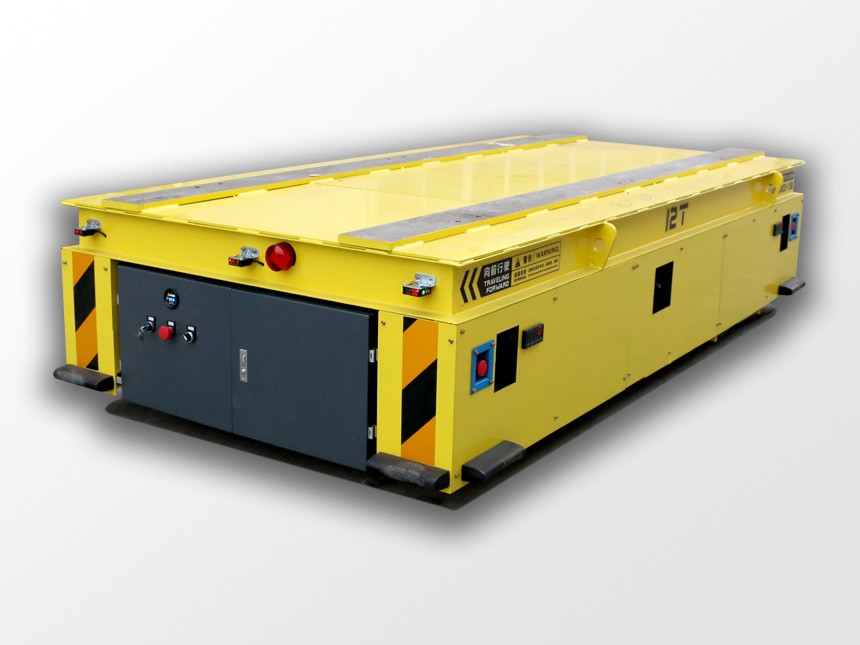
Why Platform Carts Are the Workhorse of Heavy Industry
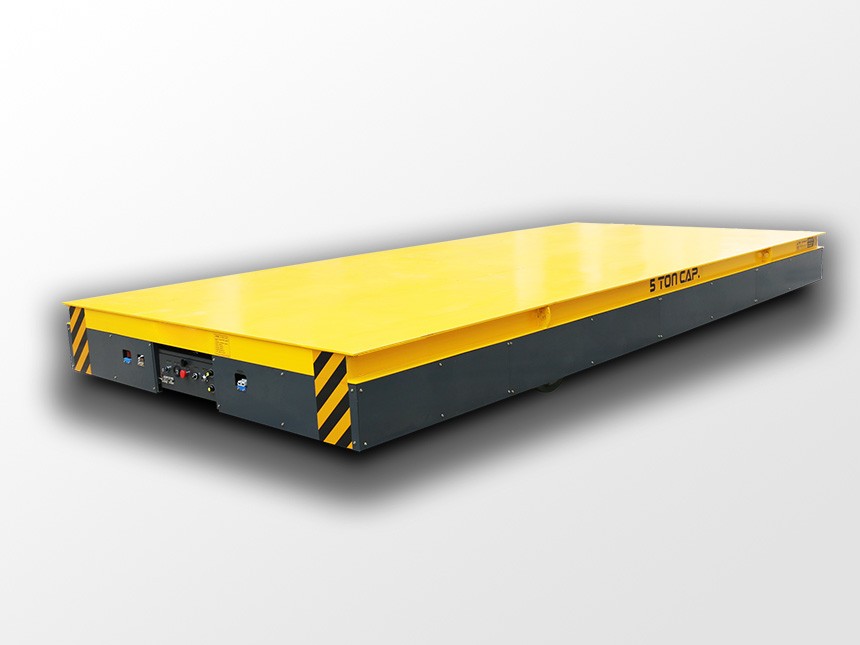
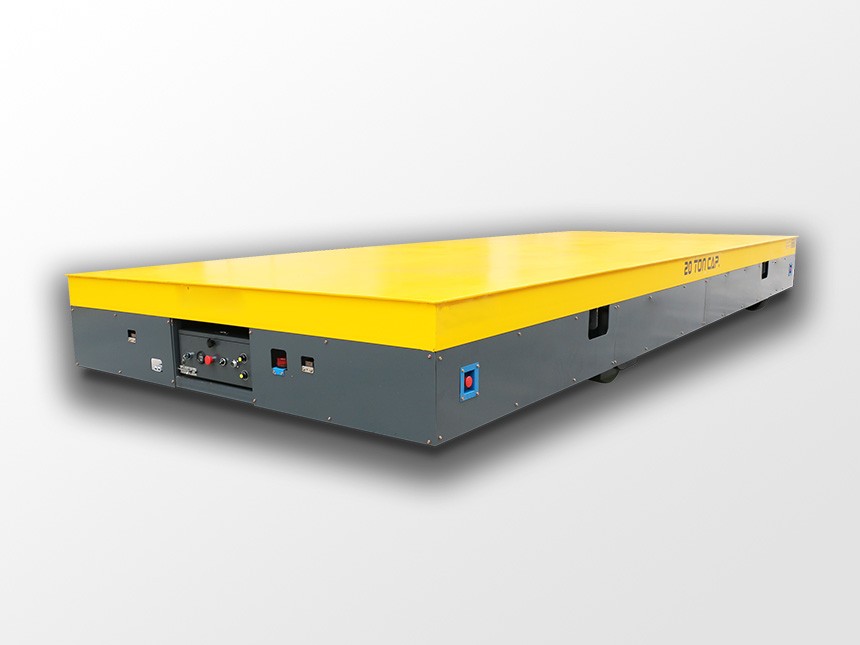
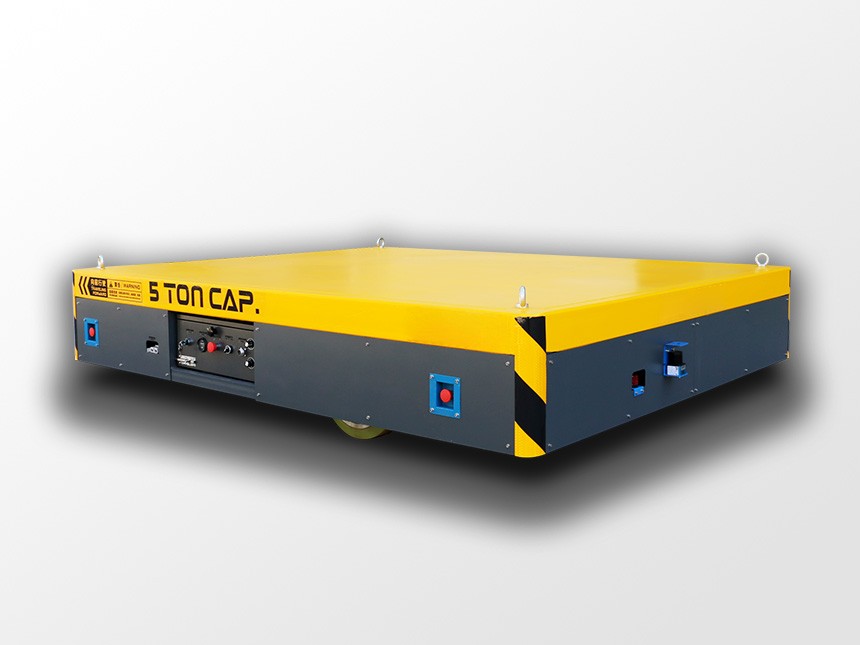
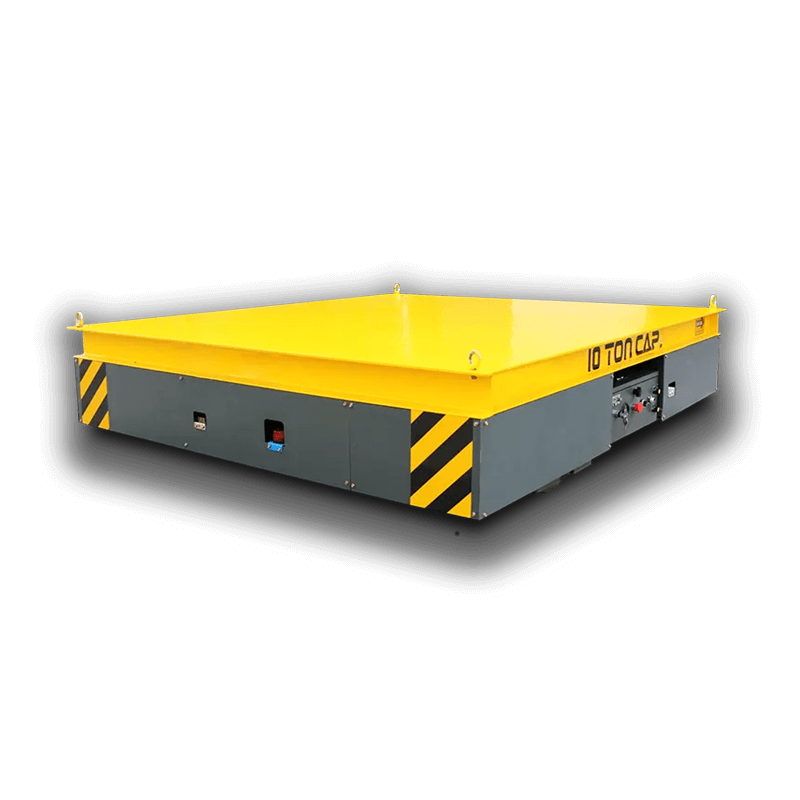
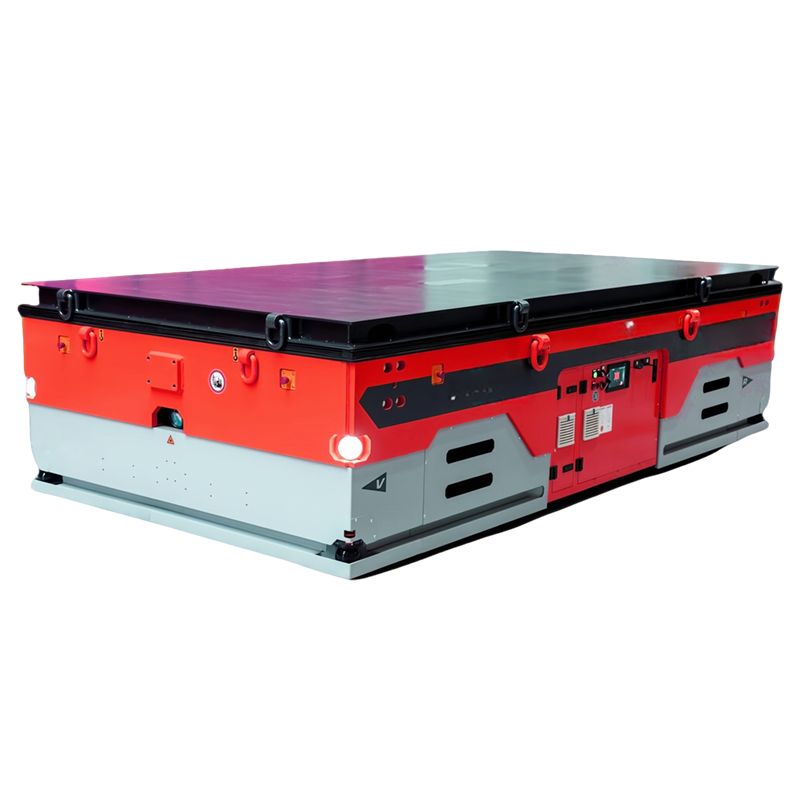
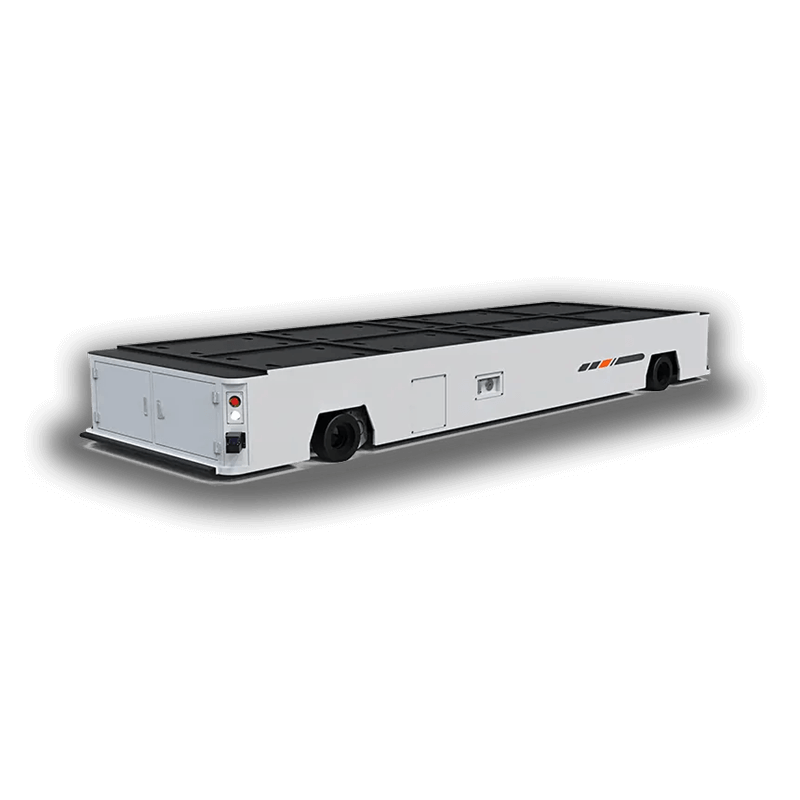
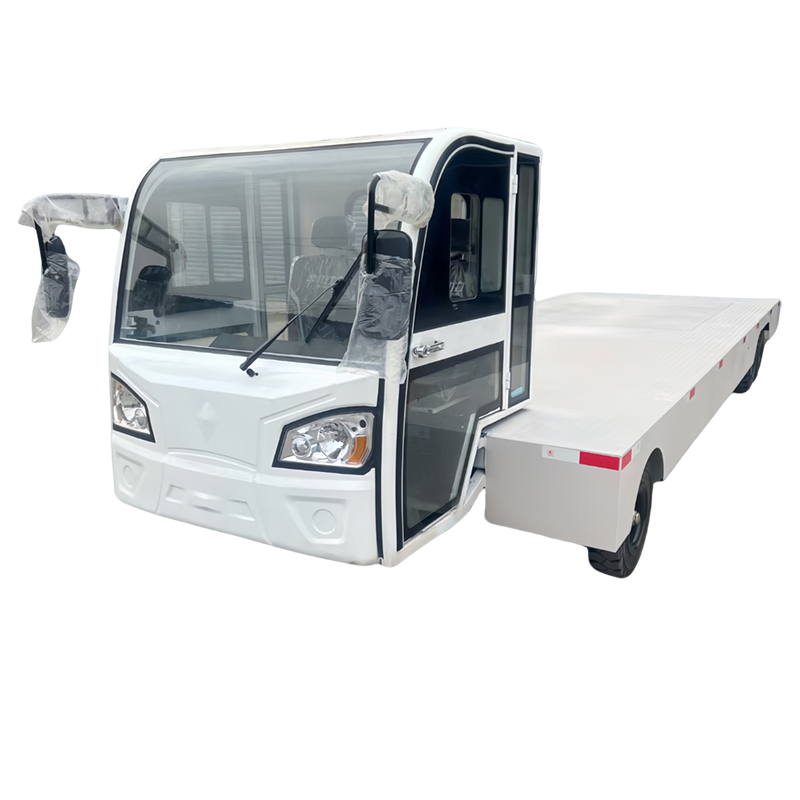
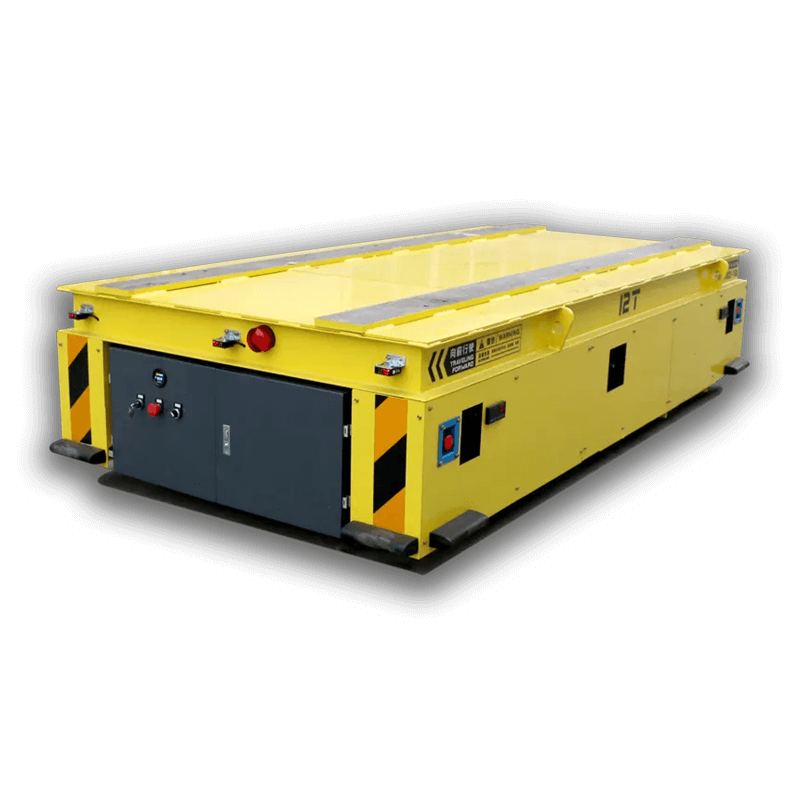
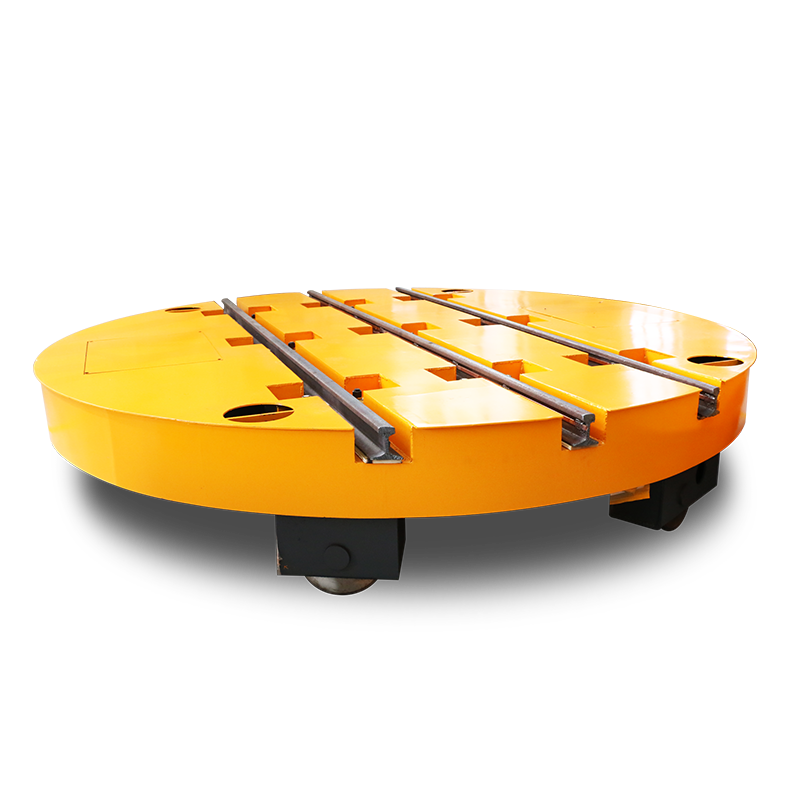
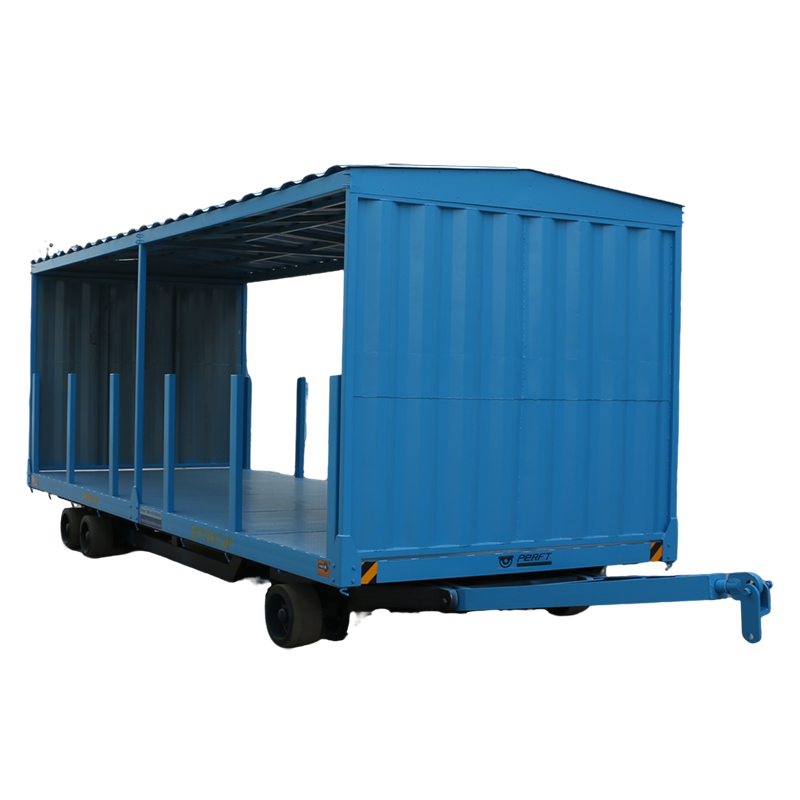
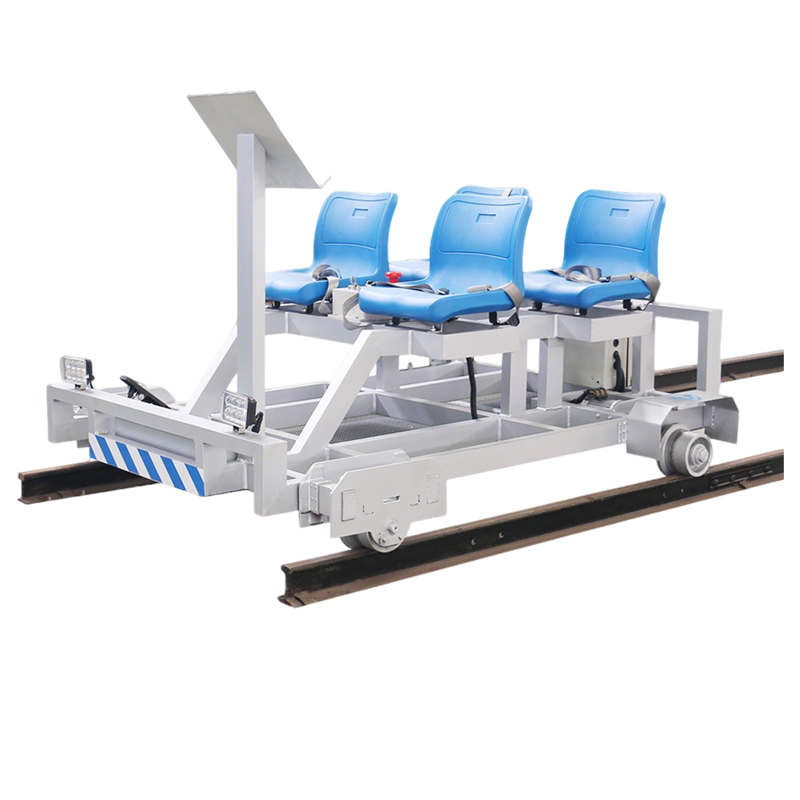
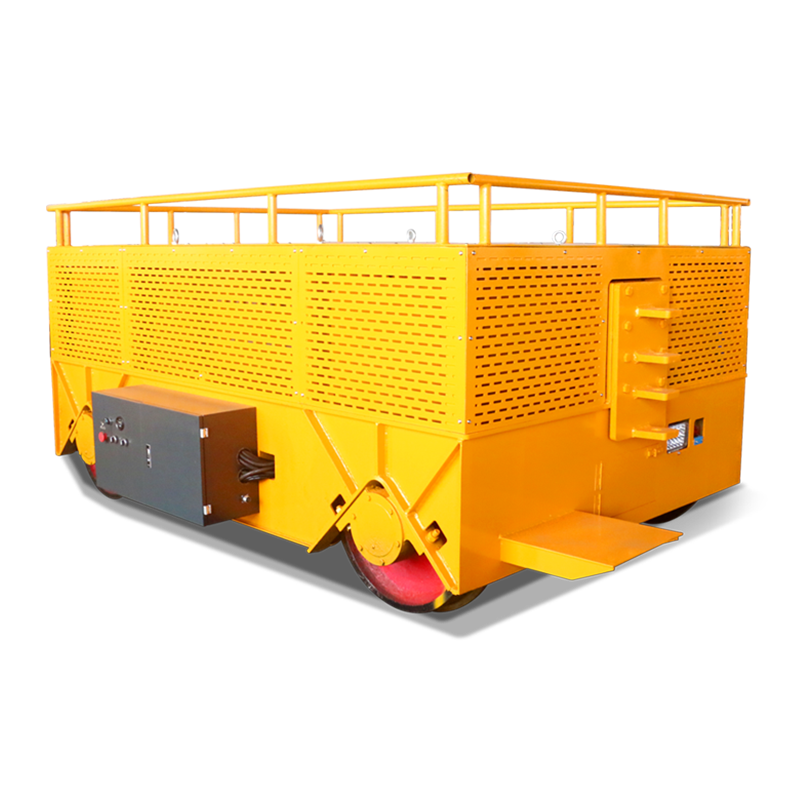
Electric platform carts—the flat-deck, wheel-mounted transport vehicles used to move raw materials, work-in-progress, and finished products through manufacturing and logistics facilities—are the most versatile and widely used category of electric material handling equipment in heavy industry. Their popularity is not accidental: the platform cart's simple design—a flat deck supported by wheels, driven by an electric motor, powered by a battery—provides exactly the combination of capability, simplicity, and adaptability that heavy industry applications require. Understanding how to select the right electric platform cart for a specific heavy industry application is therefore one of the most practically useful pieces of knowledge for anyone responsible for material transport operations.
Load Capacity: The Starting Point That Determines Everything Else
The first and most important selection criterion for an electric platform cart in heavy industry is load capacity. The cart must be able to transport the heaviest load that will be encountered in the application, and it must be able to do so within the speed, grade, and reliability requirements of the operation. Specifying a cart with insufficient load capacity is dangerous and will result in equipment failures. Specifying a cart with excessive load capacity wastes money and may result in a cart that is over-powered and over-priced for the actual operating conditions.
Load capacity is not simply a matter of selecting a cart with a rated capacity greater than the maximum load weight. The rated capacity assumes specific operating conditions—typically a level floor, a defined maximum speed, and a defined cycle pattern—and the actual usable capacity may be lower than the rated capacity if the operating conditions are more demanding than the standard conditions. A cart rated for 10 tons may be unable to transport a 10-ton load up a 5% grade at acceptable speed, because the motor power required to maintain speed on the grade exceeds the motor's available power. The load capacity specification must therefore be validated against the actual operating conditions, not just against the static load weight.
Drive Configuration: Matching Power and Traction to the Application
The drive configuration of an electric platform cart—the arrangement of motors, wheels, and power transmission—determines the cart's tractive capability, its ability to maintain speed on grades, and its maneuverability in tight spaces. The most common configurations are single drive wheel, dual drive wheel, and four-wheel drive. Single drive configurations are the most economical and are adequate for light-to-medium loads on level floors with minimal grade conditions. Dual drive configurations double the available tractive effort and are the standard configuration for heavy loads and for applications with significant grades. Four-wheel drive configurations are used for the heaviest applications or for applications with uneven floor conditions that could cause a two-wheel drive cart to lose traction.
The drive configuration also affects the cart's tire wear pattern and maintenance requirements. Single drive configurations concentrate drive forces on one wheel, causing faster tire wear on the drive wheel than on the idler wheels. Dual drive configurations distribute the drive forces across two wheels, reducing the wear rate on each individual wheel and improving traction stability. Four-wheel drive configurations provide the most even tire wear distribution and the best traction performance but add cost and mechanical complexity that are not justified for applications with less demanding tractive requirements.
Battery Technology: The Choice That Defines the Operating Economics
The battery is the most expensive single component of an electric platform cart, and the battery technology choice has the largest impact on the cart's operating economics over its life. Lead-acid batteries have the lowest initial cost but the highest operating cost over a 10-year horizon: they require regular watering and maintenance, have a limited cycle life that requires battery replacement every 3-5 years in heavy-use applications, and their performance degrades as they age. Lithium-ion batteries have a higher initial cost but significantly lower operating costs: they require minimal maintenance, have cycle lives of 5-10 years or more, and maintain consistent performance throughout their life.
The choice between lead-acid and lithium-ion for a specific application depends on the annual operating hours, the acceptable downtime for battery maintenance and replacement, and the cost of downtime. For a facility that operates the cart continuously for multiple shifts, the battery replacement downtime for lead-acid batteries—typically 1-2 days per battery replacement—may represent an unacceptable production risk, making lithium-ion the better choice despite the higher initial cost. For a facility that operates the cart intermittently and can schedule battery maintenance during planned downtime periods, lead-acid batteries may represent the lower total cost choice despite the maintenance requirements.
Speed, Control, and Safety: The Operating Parameters That Define Productivity
The speed and control characteristics of an electric platform cart directly affect the productivity of the material transport operation. Faster carts move more material per unit time, but they also require more space for safe stopping, create higher risk of collision in congested areas, and place more demand on operators who must react to obstacles and pedestrians. The appropriate speed for a specific application depends on the transport distance, the frequency of stops, the density of pedestrian and equipment traffic in the operating area, and the acceptable risk level for the facility.
Speed control systems have evolved significantly in recent electric platform carts. Variable speed drives that allow smooth, precise speed adjustment across a wide range replace the simple high/low speed selectors common in older equipment. Regenerative braking systems that recover energy during deceleration and extend battery range are now standard in most configurations. Anti-rollback systems that prevent the cart from rolling backward on grades when the accelerator is released improve safety and reduce operator fatigue. Understanding the available speed control options and specifying the appropriate level of control for the application is an important part of the selection process.
Route and Site Layout Considerations: The Physical Constraints That Determine Feasibility
The physical characteristics of the facility—the aisle widths, the turning radii required, the floor load capacity, the overhead clearances, and the gradient of any grades—constrain the range of acceptable cart configurations for any specific application. A cart that is perfectly adequate in every specification parameter may be physically unable to operate in a facility with insufficient aisle widths or turning clearance. A cart with a high load capacity may be unable to operate on a floor with insufficient load rating. A cart with a high maximum speed may be unable to operate in a facility with low overhead clearances that make high-speed operation dangerous.
The route survey—the physical measurement and documentation of the transport routes in the facility—is an essential input to the cart selection process. The route survey should document aisle widths at all points including turns, the minimum clearances at all doorways and intersections, the floor surface condition and load rating throughout the route network, the maximum grade at any point on the route, and any other physical constraints that affect the cart's ability to operate. Without a detailed route survey, the cart selection is based on assumptions about the physical environment that may not be accurate, leading to equipment that cannot operate effectively in the actual facility conditions.
The Selection Checklist: What to Verify Before Purchasing
Before finalizing the selection of an electric platform cart for heavy industry applications, verify the following: maximum load weight and center of gravity for all loads to be transported; maximum grade and distance at each grade on all transport routes; minimum aisle width and turning radius at all points on the route network; floor load capacity and surface condition throughout the operating area; available charging infrastructure and charging time requirements; required operating hours per shift and expected days per year of operation; required safety features including lights, horns, and any regulatory requirements; and integration requirements with production scheduling, warehouse management, or building management systems. A cart selection that addresses all of these requirements will provide effective, reliable, and safe material transport for the heavy industry application.