
 English
 简体中文
简体中文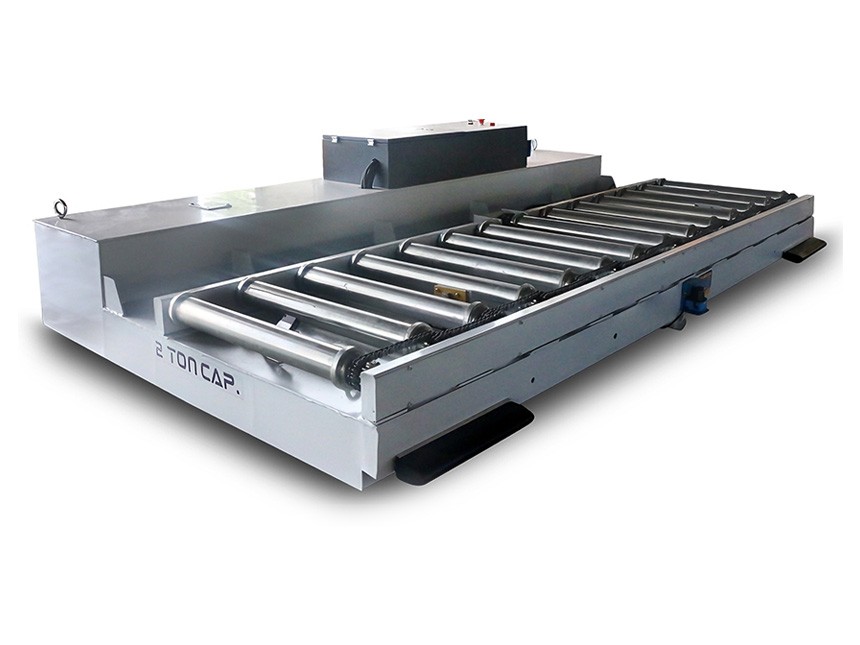
Why Foundries Need Specialized Transport
Foundries are among the harshest environments for material handling equipment. Temperatures near melting stations routinely exceed 60°C ambient, with radiant heat from molten metal pushing surface temperatures on transport equipment well beyond normal operating limits. Add abrasive sand, metal dust, and the need to move loads weighing several tons — it's clear that standard factory carts won't last.
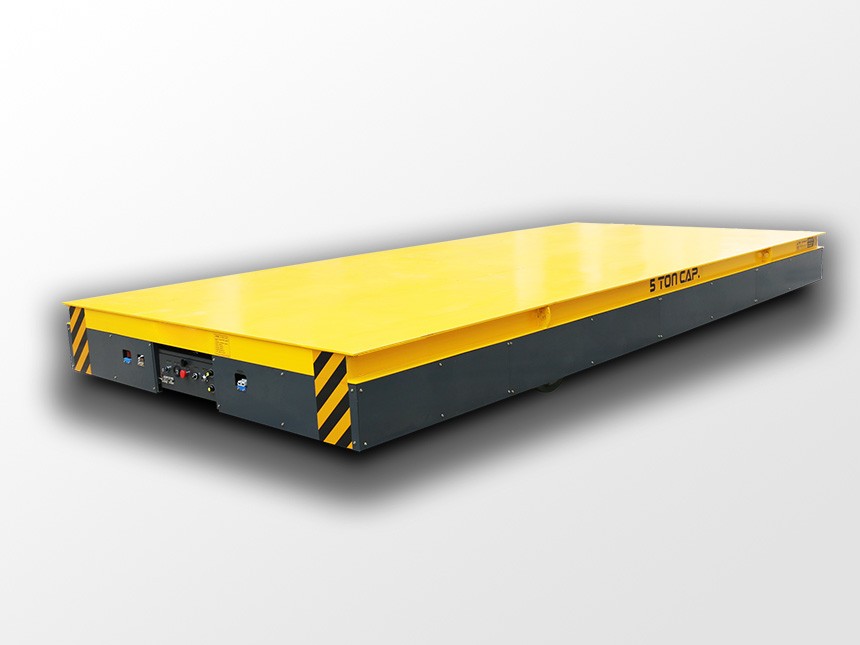
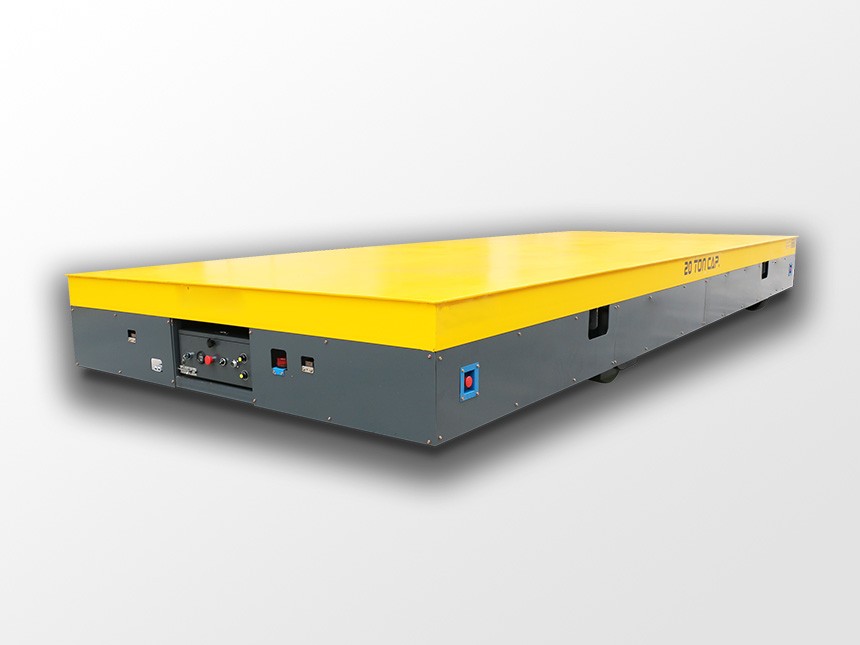
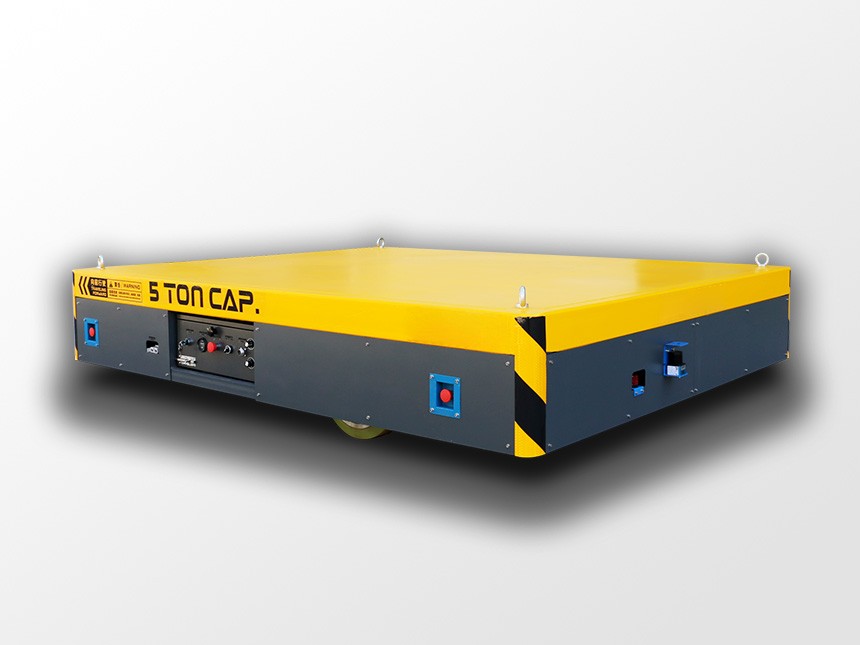
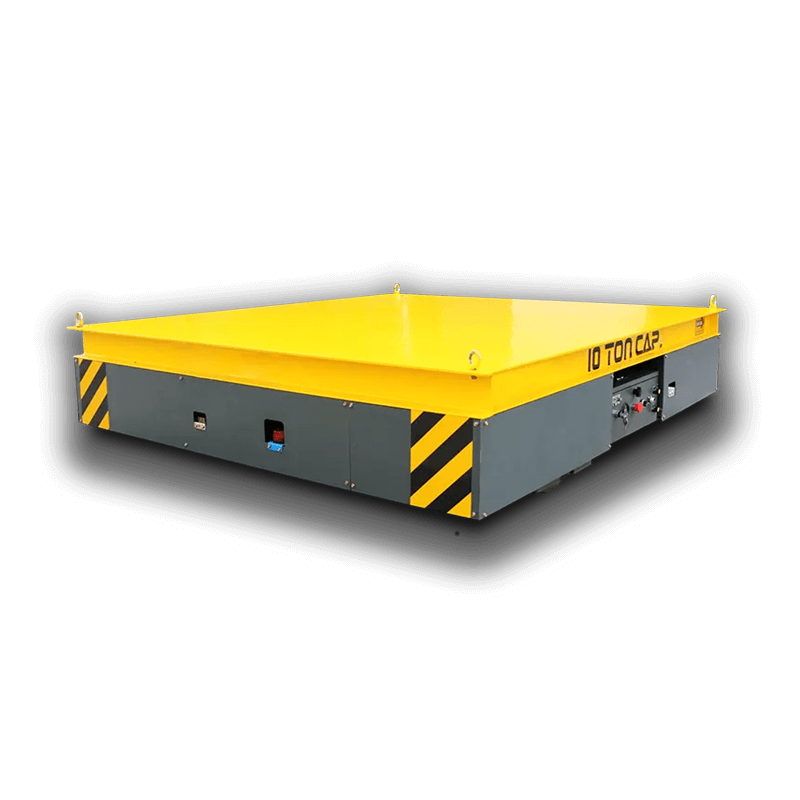
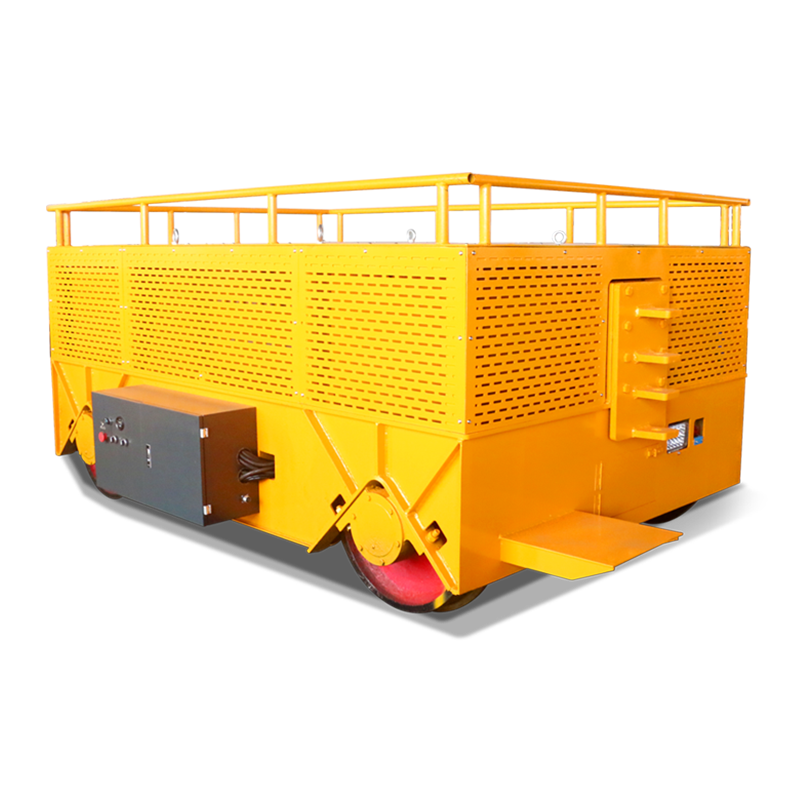
Electric flatbed carts built for foundry duty aren't just heavier versions of warehouse units. They're engineered from the ground up to survive thermal cycling, resist abrasive contamination, and deliver reliable traction on floors coated with sand and debris. If you're running a foundry — or supplying equipment to one — understanding these design differences matters. A lot.
The Foundry Environment: What Destroys Standard Carts
Let's look at what actually happens to transport equipment in a typical iron or steel foundry.
Thermal stress comes first. Molten iron pours at roughly 1,500°C. Even with thermal shields and distance, the cart deck, wheels, and drive components absorb significant radiant heat. Standard polymer seals fail. Grease liquefies and runs out of bearings. Motor insulation degrades. Without high-temperature seals, heat-resistant lubricants, and thermal shielding, a standard electric cart's drivetrain will fail within weeks.
Abrasive contamination is equally destructive. Green sand, core sand, and metal fines get everywhere. They grind into wheel bearings, pack into motor housings, and abrade cable insulation. Sealed bearings and IP-rated enclosures aren't optional here — they're survival features.
Floor conditions in foundries are notoriously poor. Sand buildup creates soft spots and uneven surfaces. Molten metal splatter solidifies into hard bumps. Standard polyurethane wheels chunk and tear under these conditions. Foundry carts need steel or cast-iron wheels with hardened treads, or specialized high-durometer polyurethane formulated for abrasion and heat.
Load characteristics also differ from typical factory applications. Ladle carts carry molten metal in refractory-lined containers. The load is concentrated, often off-center, and thermally active. The cart deck must handle point loads, thermal gradients, and occasional spill exposure without warping or structural failure.
Engineering Features That Matter
So what separates a foundry-grade electric flatbed cart from a standard industrial model? Here's what experienced engineers look for.
Thermal Protection Systems
The drivetrain — motors, gearboxes, and wheel bearings — needs active thermal management. This typically means high-temperature grease rated for 200°C+ in wheel bearings, heat shields between the load deck and drive components, and elevated motor mounting to reduce radiant heat exposure.
For extreme applications, some manufacturers offer liquid-cooled motor housings or forced-air cooling systems. It's overkill for most operations, but in large steel foundries moving 30-ton ladles, it becomes necessary.
Structural Design for Heavy Concentrated Loads
Foundry loads aren't evenly distributed pallets. A ladle of molten metal concentrates massive weight on a small footprint. The cart deck must be reinforced with box-beam construction or thick plate steel, not standard channel frames. Load distribution beams help spread concentrated forces across the main frame.
Deck surfaces are typically flat steel plate, sometimes with refractory brick lining for ladle applications. Stainless steel decks resist corrosion from cooling water and chemical fluxes, though at higher cost.
Wheel and Drive Configuration
Foundry floors destroy soft wheels. The standard solution is cast steel or forged steel wheels with hardened treads, running on steel rail or directly on concrete. For rail-less operation, specialized high-heat polyurethane compounds exist, but they require more frequent replacement.
Drive systems typically use AC induction motors or brushless DC motors with sealed enclosures. Gear reducers need high-temperature seals and synthetic lubricants. Some designs use chain drives with sealed chain cases to protect against sand infiltration.
Electrical System Hardening
Cables need high-temperature insulation — silicone or PTFE rather than standard PVC. Conduit runs should be elevated and protected from molten metal splatter. Battery systems, if used, require thermal management and placement away from heat sources. Many foundry carts use cable reel power supply rather than batteries to eliminate the battery thermal risk entirely.
Typical Foundry Applications
Electric flatbed carts in foundries handle several distinct material flows.
Ladle transport is the most demanding. Carts move molten metal from furnaces to pouring stations, sometimes across distances of 50–100 meters. Load capacities range from 5 tons for small iron foundries to 50+ tons for steel operations. Speed is low — typically 0.5–1.0 m/s — because sloshing molten metal creates serious safety hazards.
Mold and core handling involves moving finished molds from preparation areas to pouring lines. These loads are lighter but often bulky and fragile. Carts need flat, vibration-dampened decks and precise positioning capability.
Finished casting transport moves solidified castings to shakeout, cleaning, or machining areas. These carts see abrasive conditions and varying load sizes. Some operations use tilt decks or roller conveyors integrated into the cart for automated transfer.
Scrap and returns handling moves gates, risers, and rejected castings back to remelt. These are typically lower-priority routes but still need reliable equipment running in the same harsh environment.
Implementation Considerations
Deploying electric flatbed carts in a foundry requires planning beyond equipment specification.
Route planning must account for heat zones. Carts shouldn't idle near furnaces or pour stations. Charging stations or cable reel endpoints need placement in cooler areas. Traffic patterns should minimize exposure to radiant heat and molten metal splash zones.
Maintenance scheduling is critical. Foundry carts need more frequent bearing inspection and lubrication than standard factory equipment. Predictive maintenance based on operating hours and thermal exposure helps prevent in-service failures.
Operator safety requires special attention. Remote control operation is standard for ladle carts — no operator should be on the cart or nearby during molten metal transport. Emergency stop systems need redundant coverage along the entire route. Warning lights and horns alert personnel in the visually noisy foundry environment.
Integration with existing processes varies. Some foundries use carts as standalone transport between fixed stations. Others integrate with automated pouring systems, requiring precise positioning and communication interfaces. The control system architecture — whether simple PLC-based or integrated with a plant-wide MES — affects specification and cost significantly.
Cost and ROI Factors
Foundry-grade electric flatbed carts cost 30–60% more than standard industrial carts of similar capacity. The premium comes from thermal protection, heavy-duty construction, and specialized components.
But the alternative is often worse. Using standard carts in foundry conditions typically results in bearing failures every 2–4 weeks, motor replacements every 3–6 months, frequent downtime disrupting production schedules, and safety incidents from equipment failures near molten metal.
The ROI calculation favors proper foundry-grade equipment. Downtime in a foundry is expensive — furnace energy costs continue during delays, and production windows are often tight. A cart failure during a scheduled pour can delay an entire shift.
From experience, foundry operators who switch from adapted standard carts to purpose-built foundry units typically see maintenance reductions of 60–70% and meaningful improvements in operational reliability. The payback period is usually under 18 months in active foundries.
Key Takeaways
Foundries destroy standard material handling equipment. The combination of extreme heat, abrasive contamination, heavy concentrated loads, and poor floor conditions creates a uniquely hostile environment.
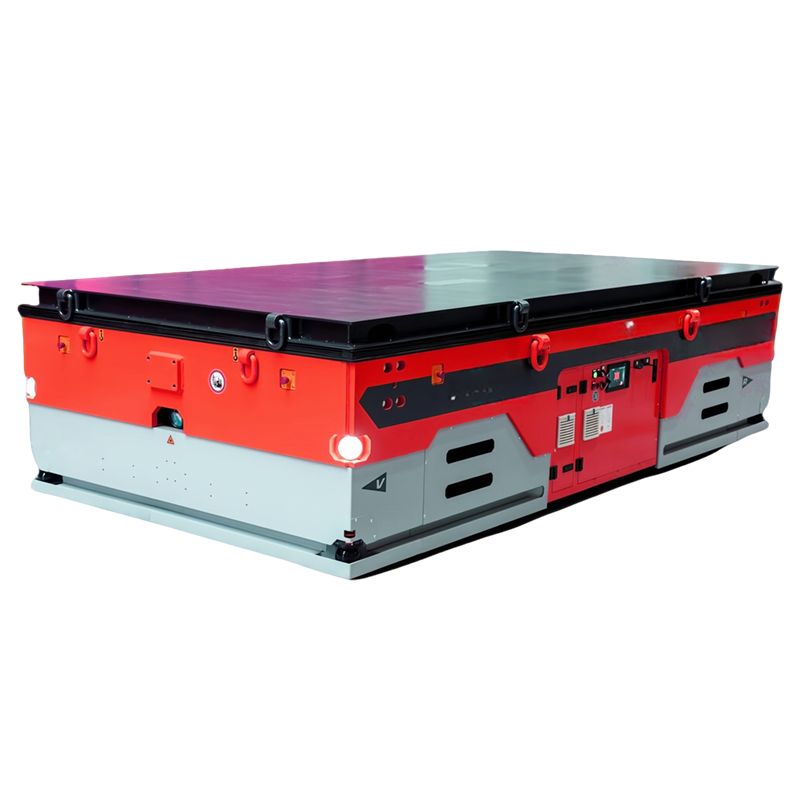
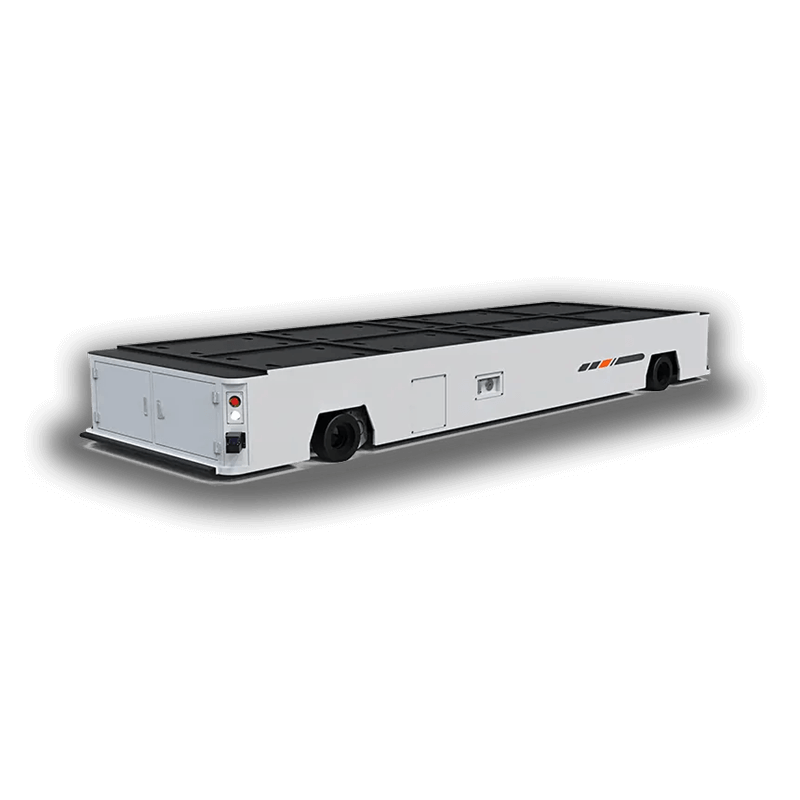
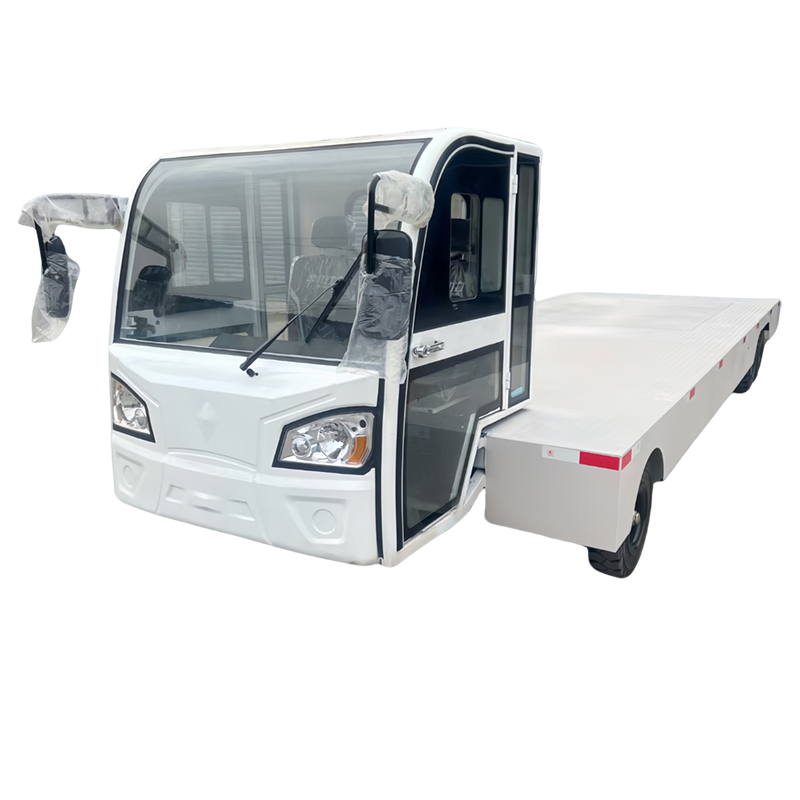
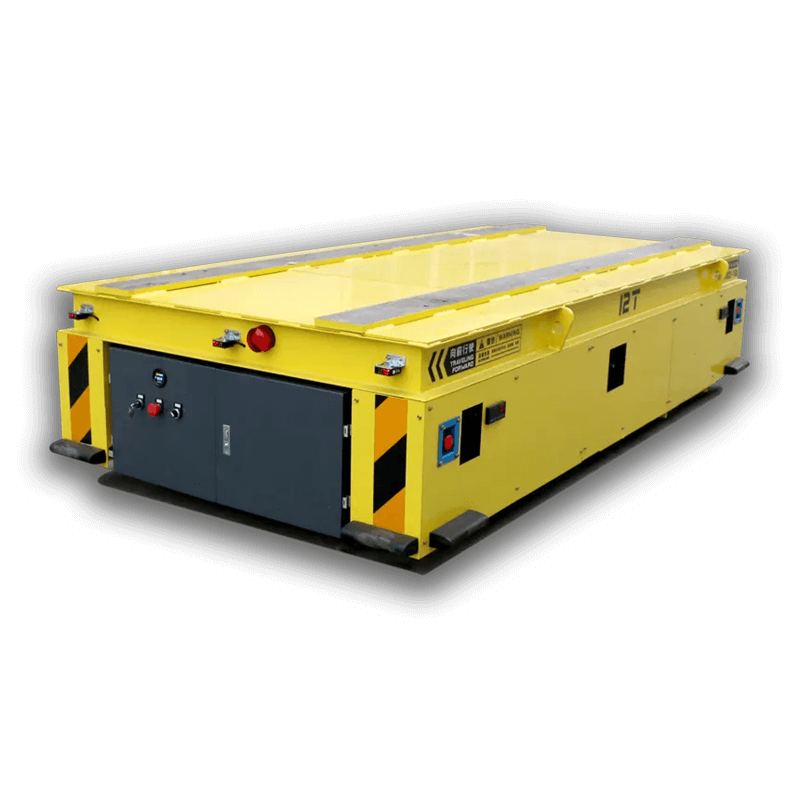
Electric flatbed carts for foundry service need thermal protection in motors and bearings, heavy reinforced decks for concentrated loads, hardened steel wheels or specialized high-heat compounds, sealed electrical systems with high-temperature cabling, and remote control operation for safety.
The cost premium over standard carts is significant but justified by dramatically improved reliability and reduced downtime. In foundry operations, equipment failure isn't just an inconvenience — it's a production and safety risk.
If you're specifying transport equipment for a foundry, start with the thermal and environmental requirements, not the load capacity. A cart that survives the environment will handle the load. The reverse isn't true.