
 English
 简体中文
简体中文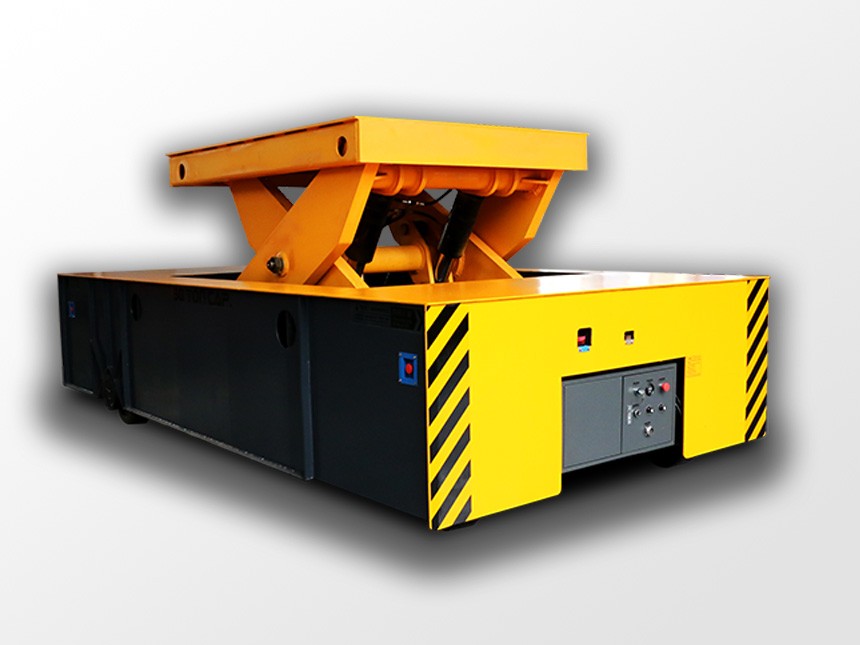
Introduction
When you're moving materials around a factory or warehouse, the choice between electric carts and manual carts isn't always obvious. Both have their place, and the right answer depends on what you're hauling, how far, and how often. Let's break it down without the fluff.
Load Capacity and Physical Limits
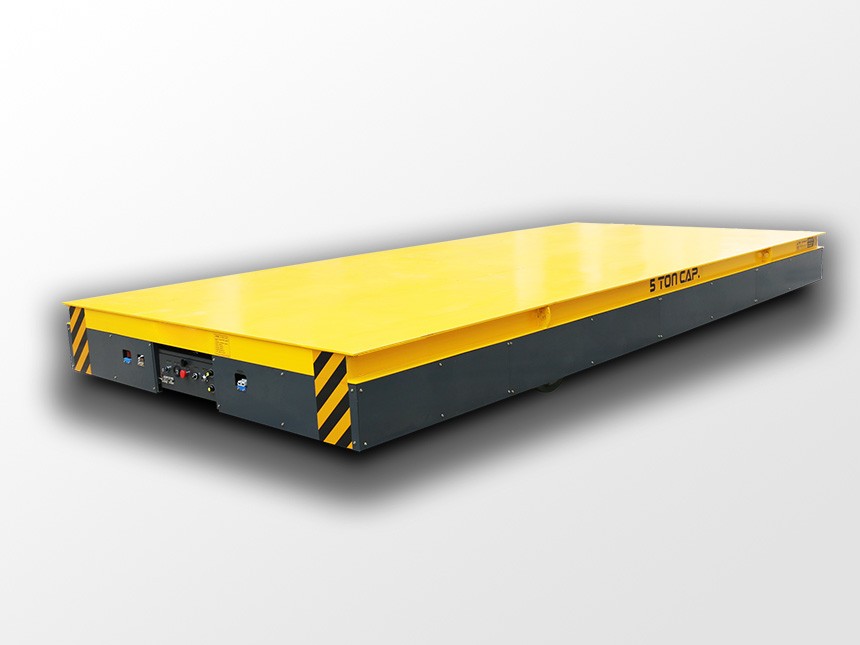
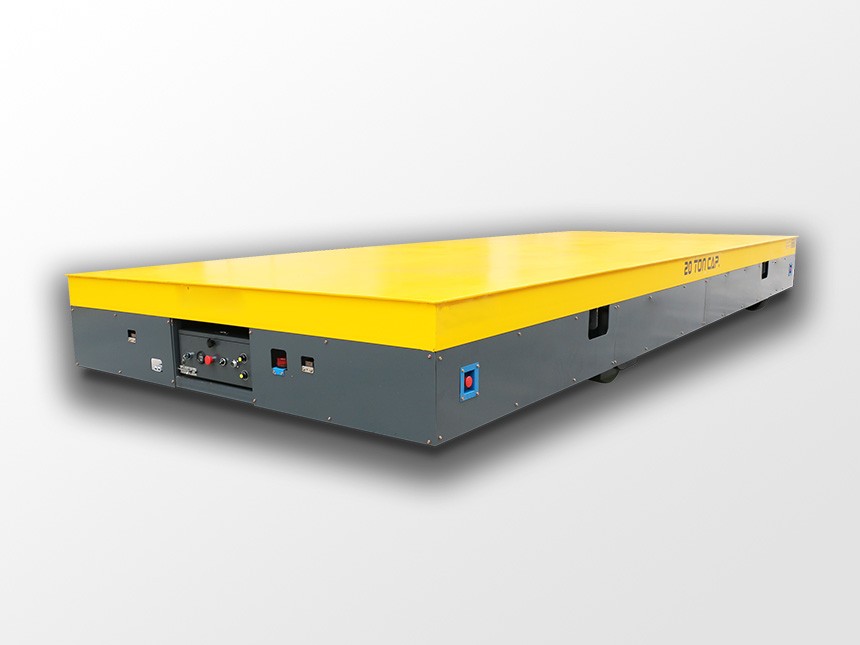
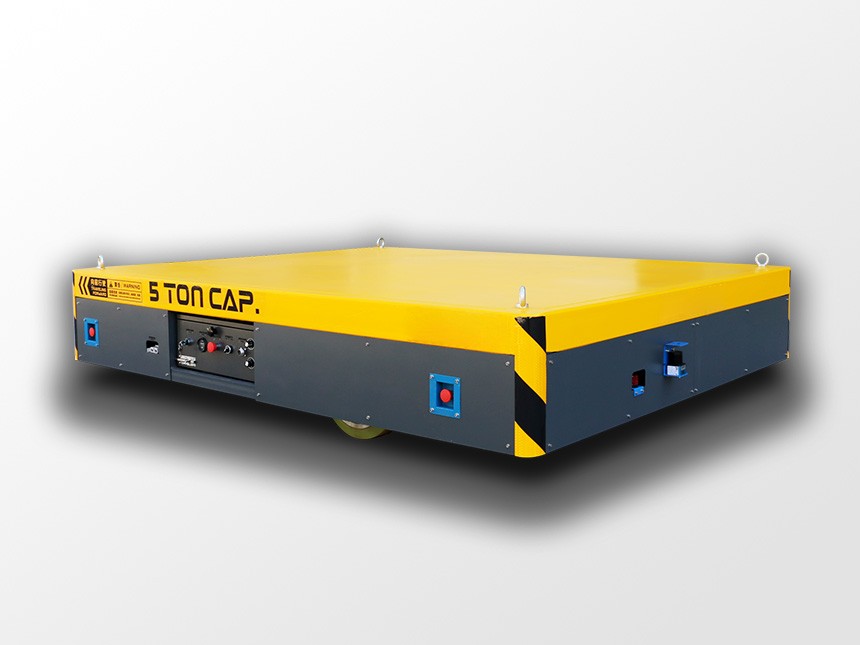
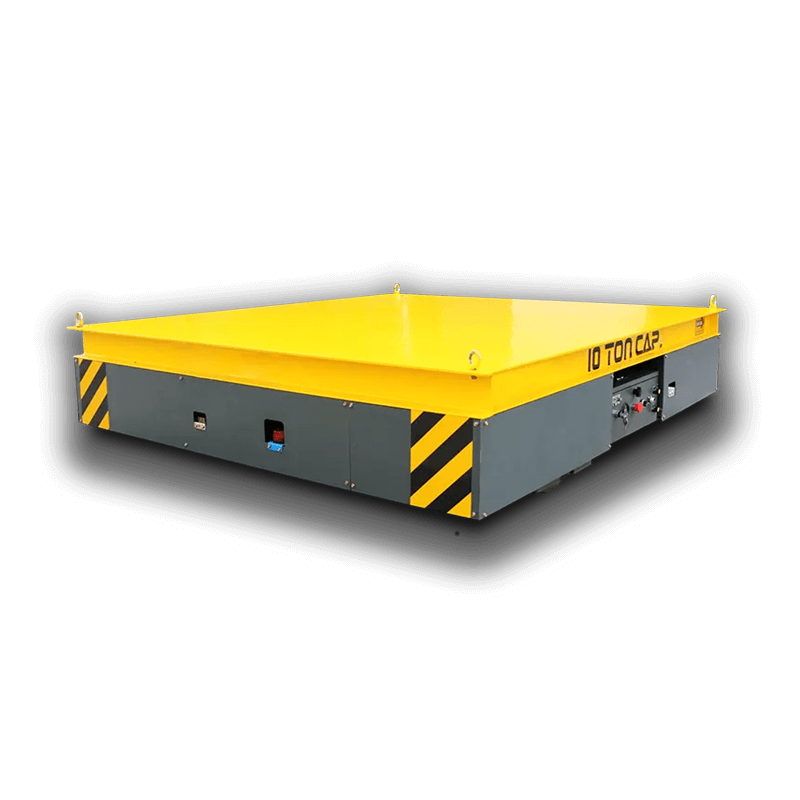
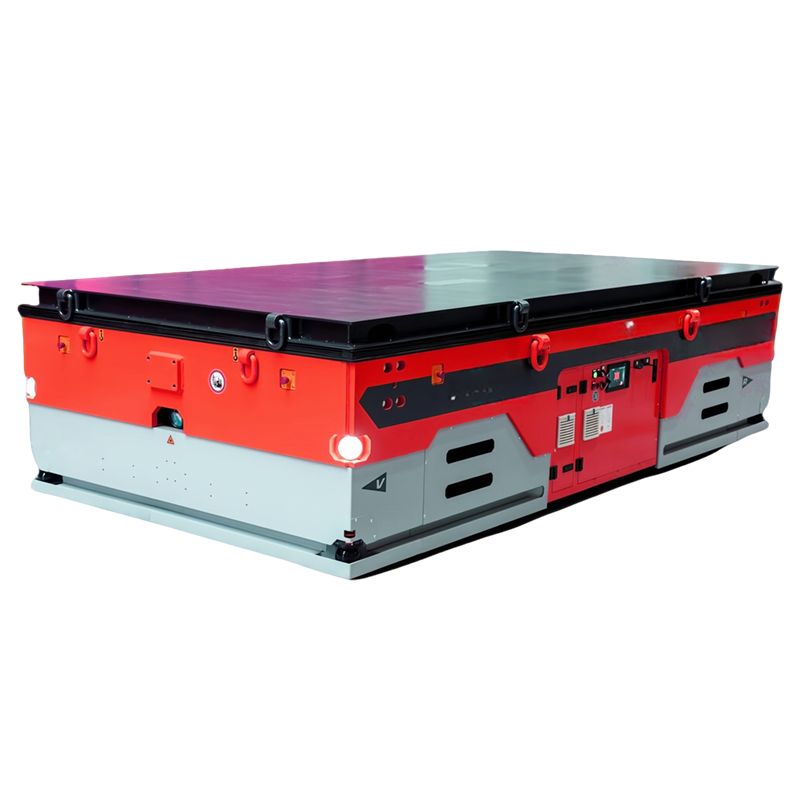
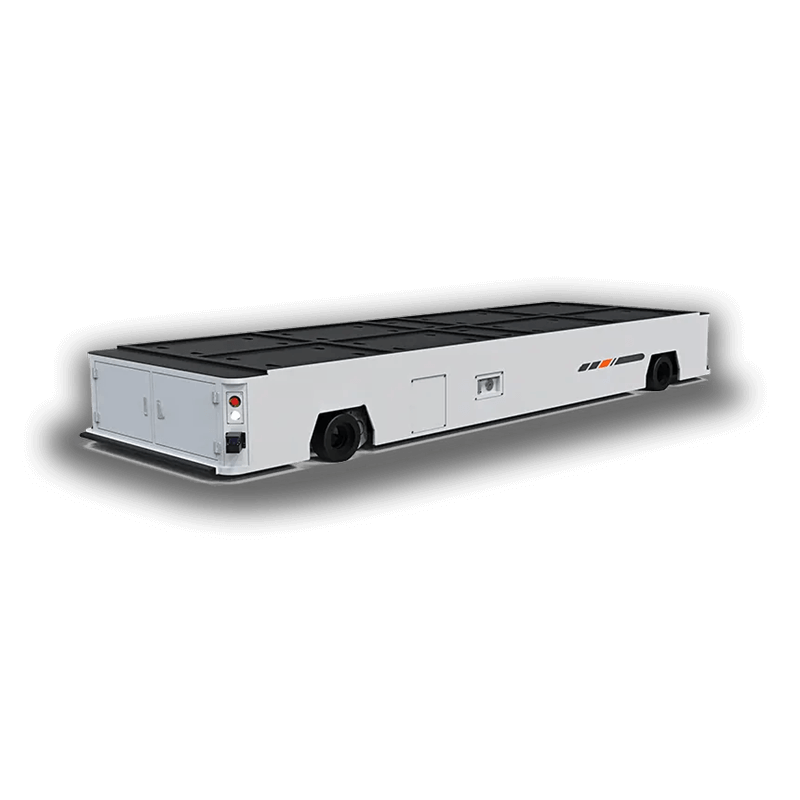
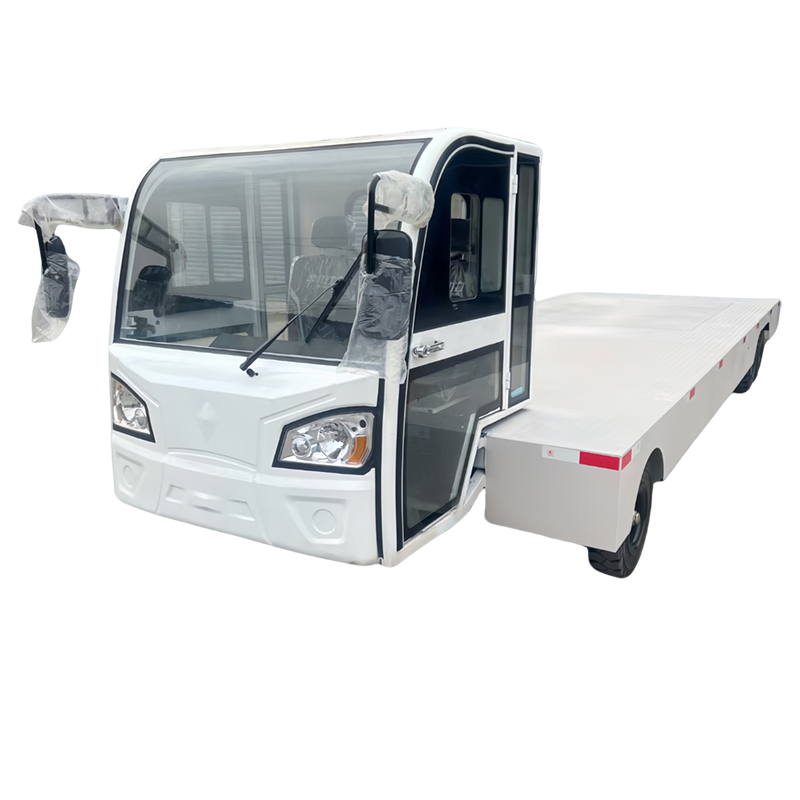
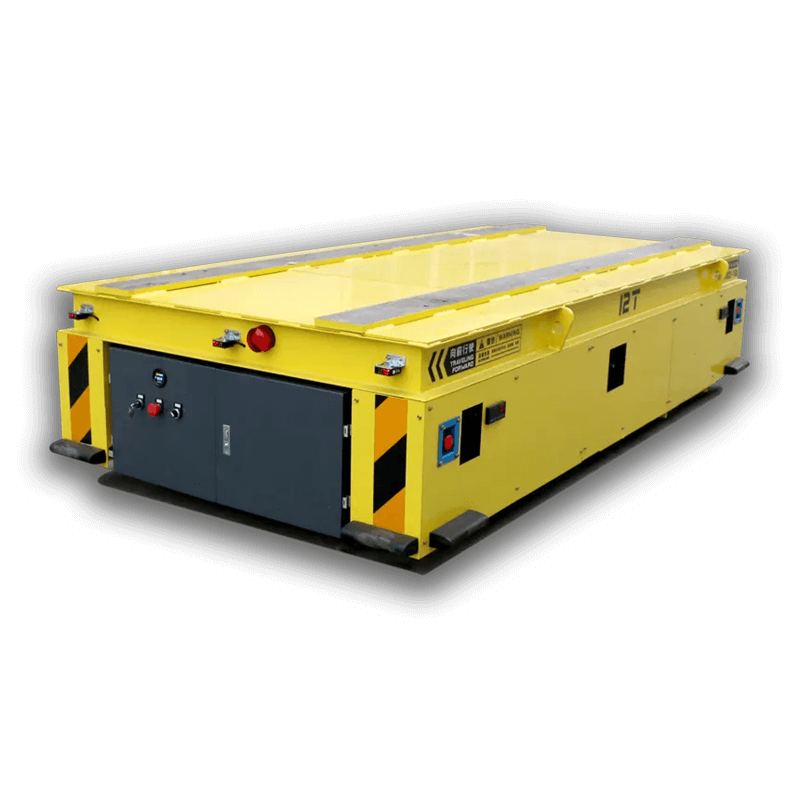
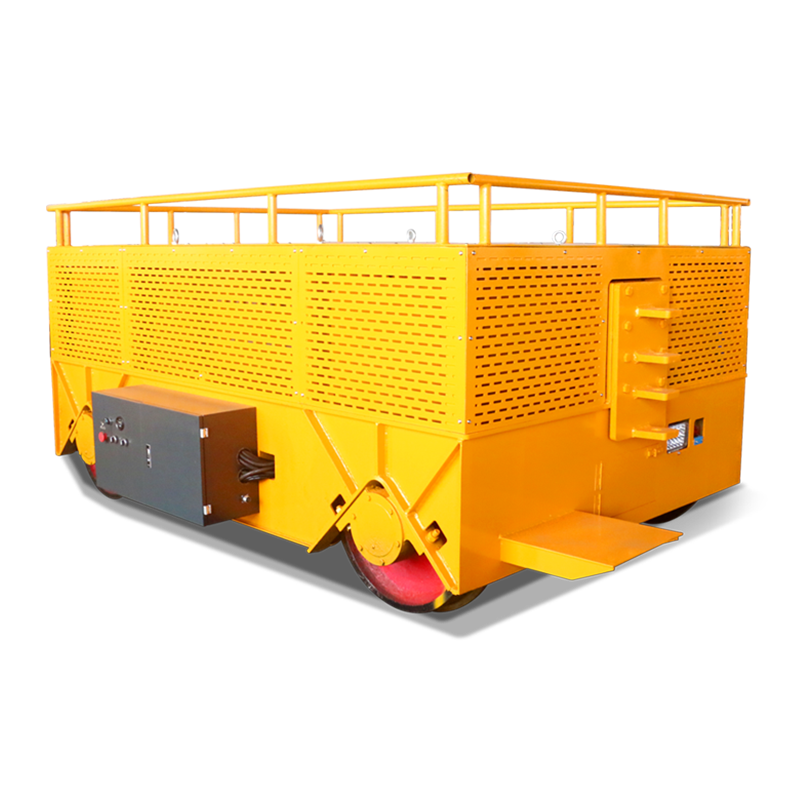
Manual carts top out around 500 kg in real-world conditions — and that's with a strong operator on flat ground. Go beyond that, and you're risking injury and slow transport times. Electric carts handle 1 to 50+ tons without breaking a sweat. If your loads regularly exceed 300 kg, electric isn't just better — it's the only practical option.
Here's the thing: even at lower weights, repetitive manual pushing causes fatigue. By mid-shift, your operators slow down. Electric carts maintain consistent speed regardless of the hour.
Operational Efficiency and Speed
A manual cart moves at walking pace — roughly 1.0 to 1.5 m/s, and that's downhill. Electric carts cruise at 1.5 to 2.5 m/s with precise control. Over a 100-meter route, that difference adds up fast. Do the math across 50 trips per shift, and you're looking at significant time savings.
Plus, electric carts don't need rest breaks. They don't call in sick. In high-frequency operations, this consistency matters more than you'd think.
Cost Comparison: Purchase vs. Total Cost
Manual carts win on upfront cost — no question. A basic platform cart costs a few hundred dollars. Electric carts start around $3,000 and climb based on load capacity and features.
But here's where it gets interesting. Factor in labor costs, injury-related downtime, and reduced throughput, and the gap narrows quickly. For operations moving 20+ loads per day, electric carts typically pay for themselves within 12 to 18 months. After that, it's pure savings.
Safety and Ergonomics
Manual handling accounts for a significant share of workplace injuries. Strains, sprains, and overexertion — these aren't just HR statistics, they're production stoppages. Electric carts eliminate most of these risks. Remote-controlled models keep operators at a safe distance from heavy loads.
Frankly, if your workplace has had even one manual handling injury, the electric option pays for itself in liability costs alone.
Flexibility and Maneuverability
Manual carts have one advantage: they work anywhere. No charging, no batteries, no maintenance. For short distances, light loads, and intermittent use, they're perfectly fine. Electric carts need charging infrastructure and flat floors. But rail-less electric models with differential steering turn on a dime — often more maneuverable than manual carts in tight spaces.
When to Choose Which
Go manual if: loads under 200 kg, distances under 50 meters, occasional use, tight budget constraints.
Go electric if: loads over 300 kg, distances over 100 meters, high-frequency operations, safety is a priority, or you need consistent throughput.
Conclusion
There's no universal winner. Manual carts are simple, cheap, and effective for light-duty tasks. Electric carts dominate when efficiency, safety, and capacity matter. Most modern factories end up using both — manual for light, infrequent moves, electric for the heavy lifting. The smart move? Audit your actual transport requirements and let the numbers decide.