
 English
 简体中文
简体中文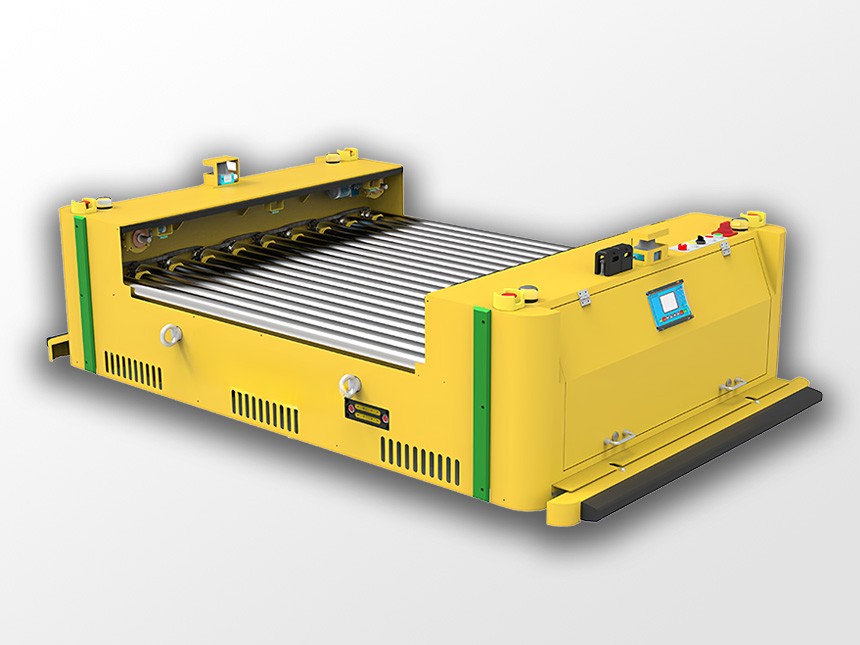
Why Electric Platform Carts Cut Costs
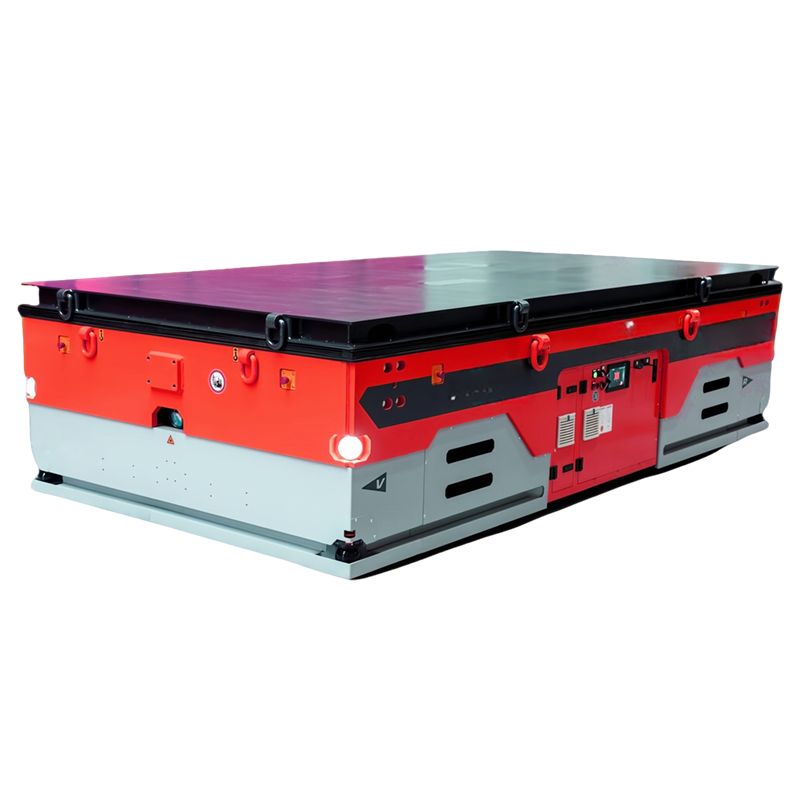
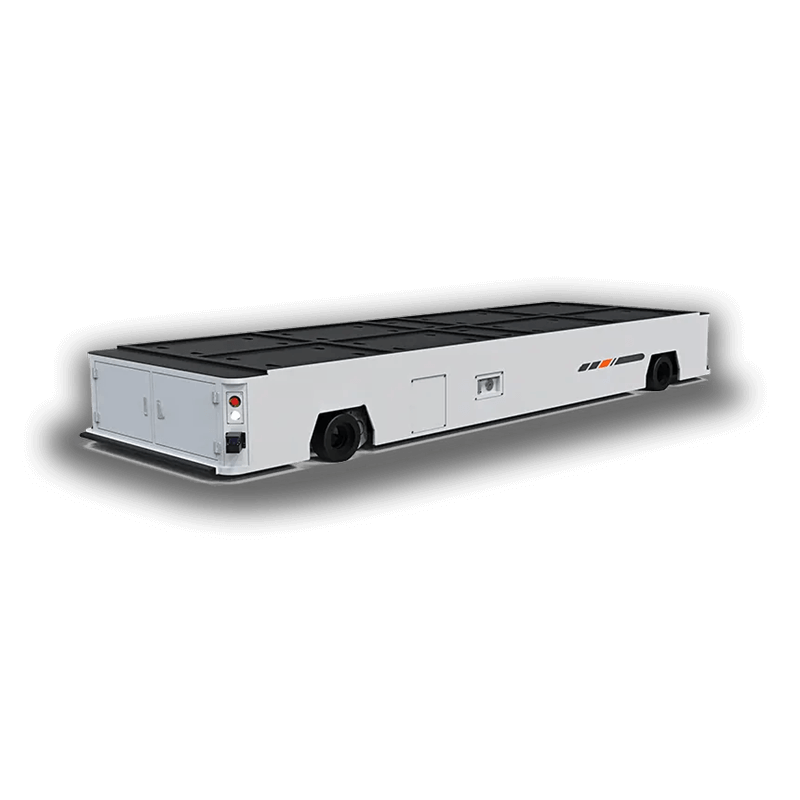
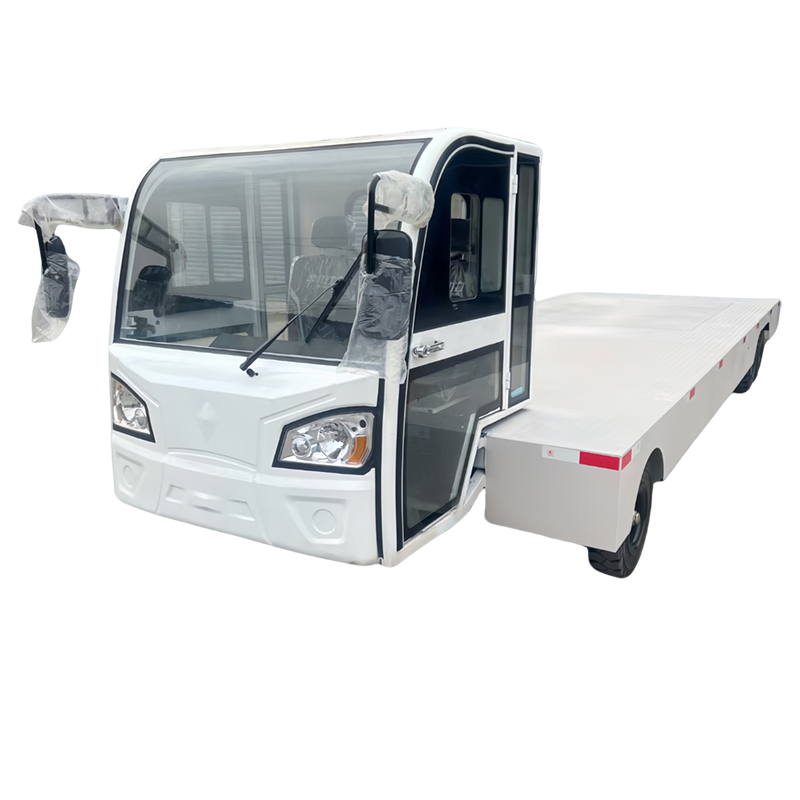
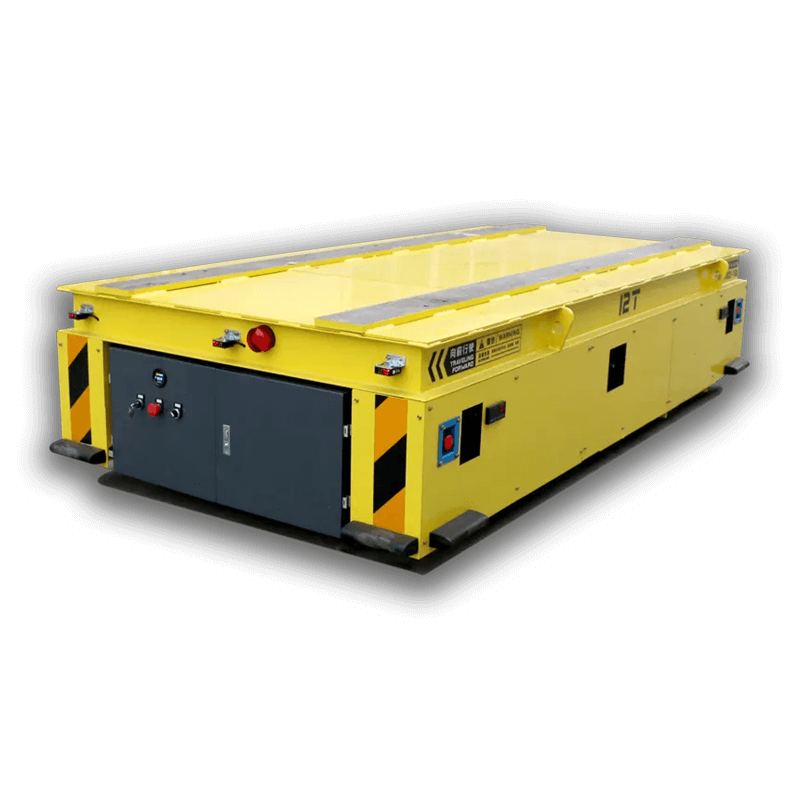
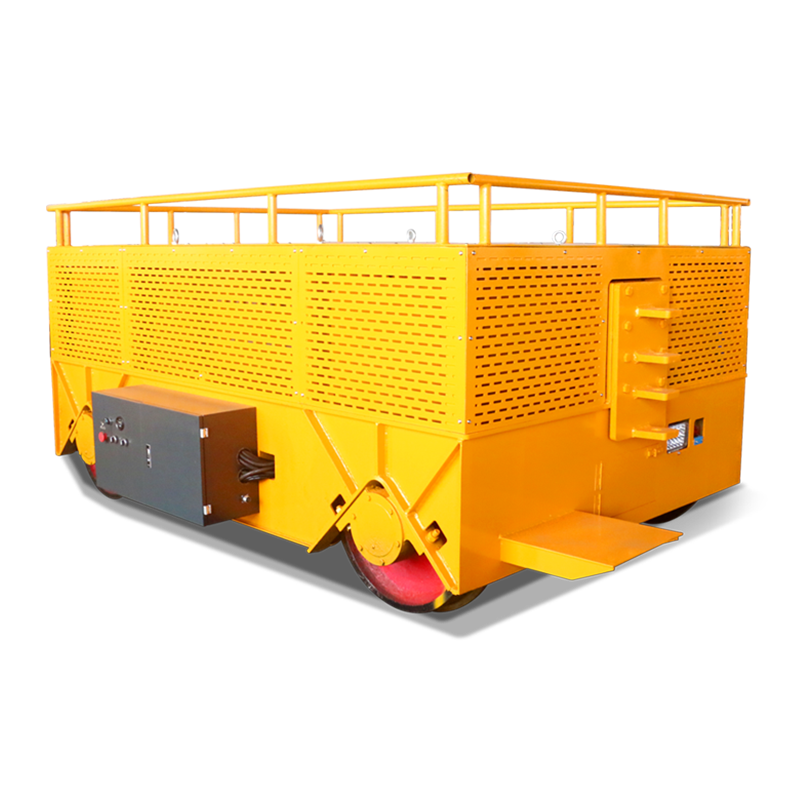
Electric platform carts have become a practical choice for factories and warehouses looking to reduce daily operating expenses. Unlike manual carts or fuel-powered alternatives, these battery-driven vehicles offer a straightforward way to move materials with less labor and lower ongoing costs. The shift isn't about automation hype — it's about real savings on the floor.
Here's the thing: every time a worker pushes a heavy load manually, you're paying for that effort in wages, injury risk, and slower throughput. Electric carts eliminate most of that burden. One operator can move several tons without strain, and the cart does the heavy lifting.
Where the Savings Come From
Labor Cost Reduction
The most obvious saving is labor. A single electric platform cart can replace multiple workers dedicated to manual transport. In most facilities, this translates to fewer hours spent moving materials and more time allocated to value-added tasks. Over a year, the labor cost difference is significant — often enough to cover the equipment investment within months.
Consider a typical mid-sized factory. Moving components between assembly stations might require two or three workers per shift. With an electric cart, one operator handles the same volume. That's not theoretical — it's a common outcome in plants that have made the switch.
Energy Efficiency
Electric carts run on rechargeable batteries. Compared to fuel-powered vehicles, the energy cost per kilometer is substantially lower. Charging infrastructure is simple — standard industrial outlets usually suffice. There's no need for fuel storage, exhaust ventilation, or complex maintenance schedules tied to combustion engines.
Most industrial electric carts use lead-acid or lithium battery systems. Lithium options cost more upfront but offer longer cycle life and faster charging. Either way, the energy cost remains predictable and low compared to diesel or LPG alternatives.
Maintenance and Downtime
Electric drivetrains have fewer moving parts than internal combustion engines. No oil changes, no spark plugs, no exhaust systems. Maintenance is mostly limited to battery care, wheel inspection, and occasional brake checks. This simplicity means less downtime and lower spare parts inventory.
From experience, facilities that switch from forklifts to electric platform carts often report 30–40% reduction in maintenance spending. The carts themselves may last longer too, since electric motors experience less mechanical wear.
Hidden Costs You Avoid
Beyond the obvious savings, electric platform carts eliminate several indirect costs:
- Workplace injuries: Manual handling causes a significant share of industrial injuries. Electric carts reduce strain-related incidents.
- Product damage: Smooth, controlled movement reduces damage to sensitive loads compared to manual dragging or uneven forklift handling.
- Floor wear: Electric platform carts distribute weight evenly and run quietly, causing less floor damage than heavy forklifts or pallet jacks.
- Insurance premiums: Fewer accidents and lower equipment risk profiles can reduce liability insurance costs over time.
Calculating Your Payback Period
To estimate cost savings, start with current labor hours spent on material transport. Multiply by loaded labor rates. Add injury-related costs, including lost time and insurance claims. Then compare against the investment in electric carts — purchase or lease, plus charging infrastructure and training.
Most facilities see payback within 12 to 24 months. In high-labor-cost regions, the period can be as short as six months. The key is measuring actual transport demand rather than guessing. Track how many loads move per shift, average distances, and current labor allocation. These numbers tell you whether electric carts make financial sense.
Choosing the Right Cart for Maximum Savings
Not all electric platform carts deliver the same value. Load capacity matters — undersized carts require more trips; oversized ones waste energy and capital. Platform dimensions should match your typical load size. Battery range needs to cover at least one full shift without mid-shift charging.
Also consider maneuverability. A cart that can't navigate narrow aisles or tight corners will create bottlenecks, erasing the efficiency gains. Match the cart's turning radius and width to your facility layout.
Conclusion
Electric platform carts offer a direct, measurable path to lower operating costs. The savings come from reduced labor, lower energy bills, simpler maintenance, and fewer workplace incidents. For factories and warehouses moving loads up to several tons, the payback period is typically short enough to justify the investment without complex financial modeling.
If your operation still relies heavily on manual transport or fuel-powered vehicles, it's worth running the numbers. The result might surprise you — in most cases, electric carts pay for themselves faster than expected.