
 English
 简体中文
简体中文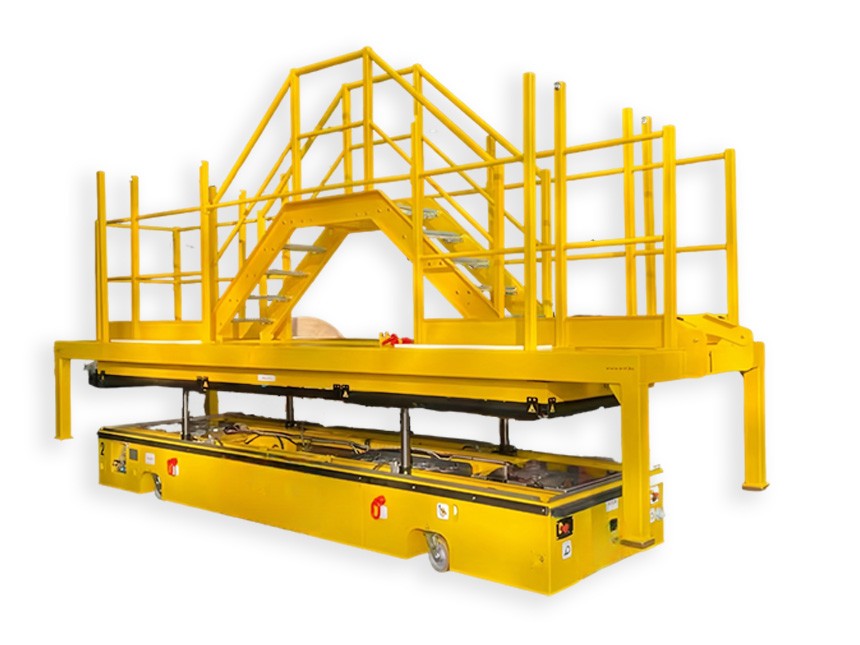
What Makes Internal Transport Systems Efficient
Internal transport—the movement of materials, components, and products within a manufacturing facility—is often treated as a secondary function that happens between production operations rather than as a system that enables or constrains production performance. Yet the efficiency of internal transport directly affects production throughput, work-in-progress inventory levels, labor productivity, and the facility's ability to respond to demand changes. An efficient internal transport system moves materials quickly, predictably, and at the lowest possible cost. This guide covers the principles and components that determine whether an internal transport system delivers efficiency or becomes a production bottleneck.
1. Matching Equipment to Application Requirements
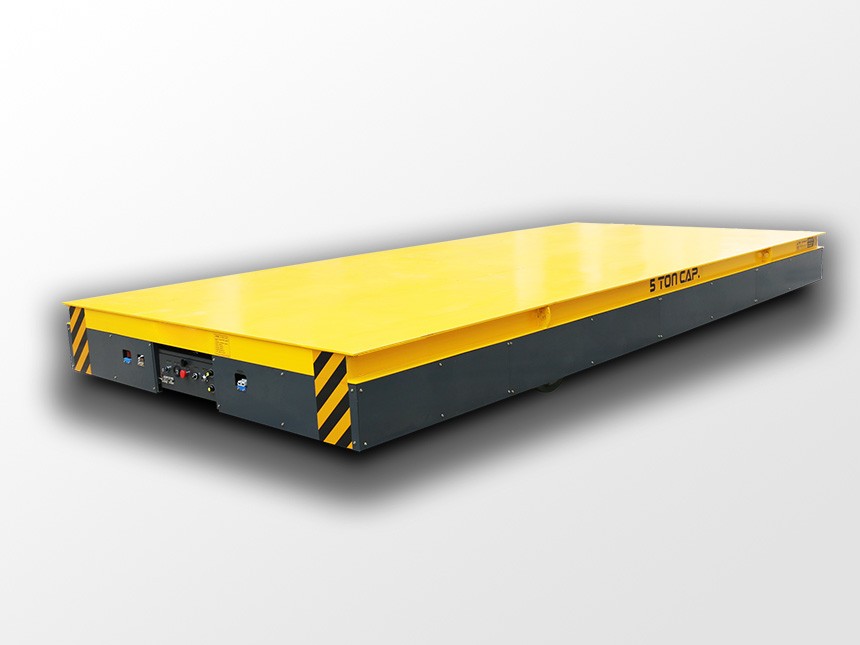
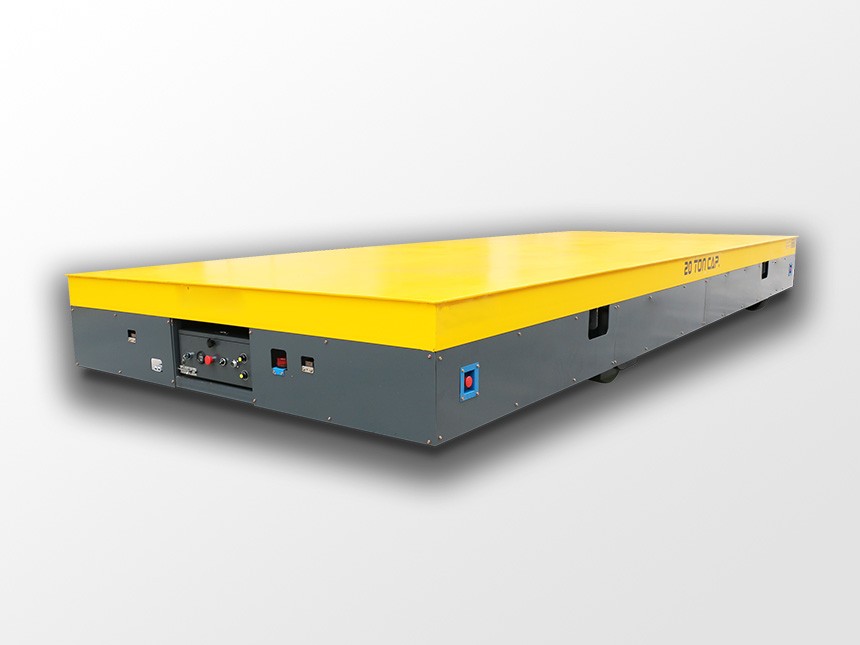
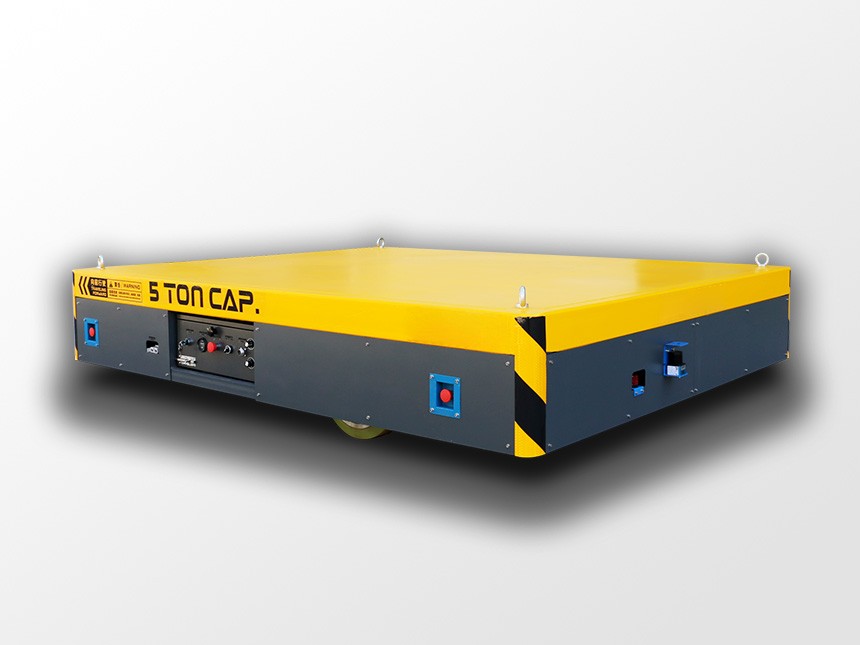
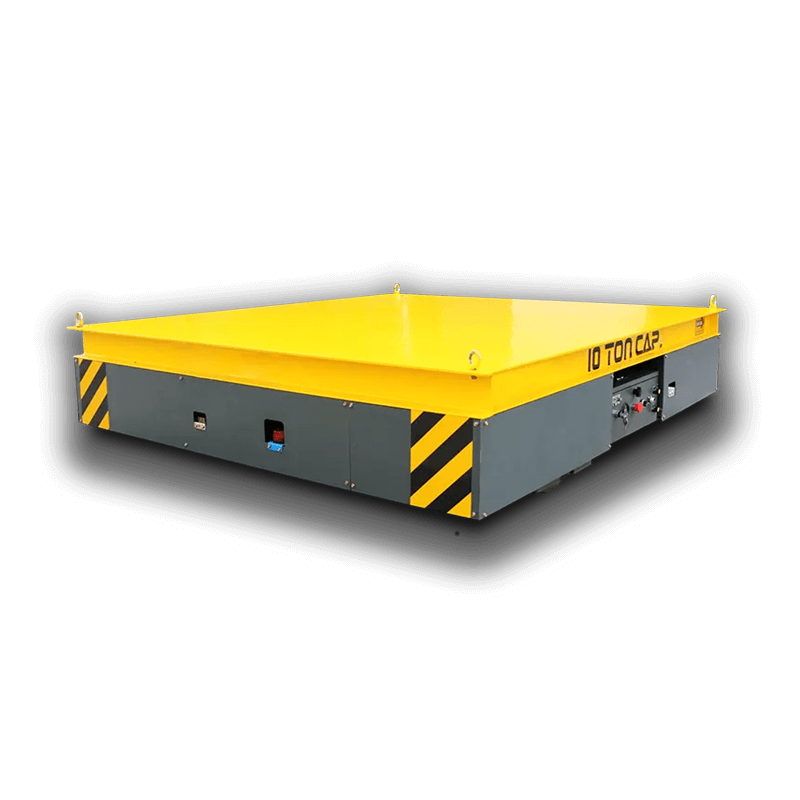
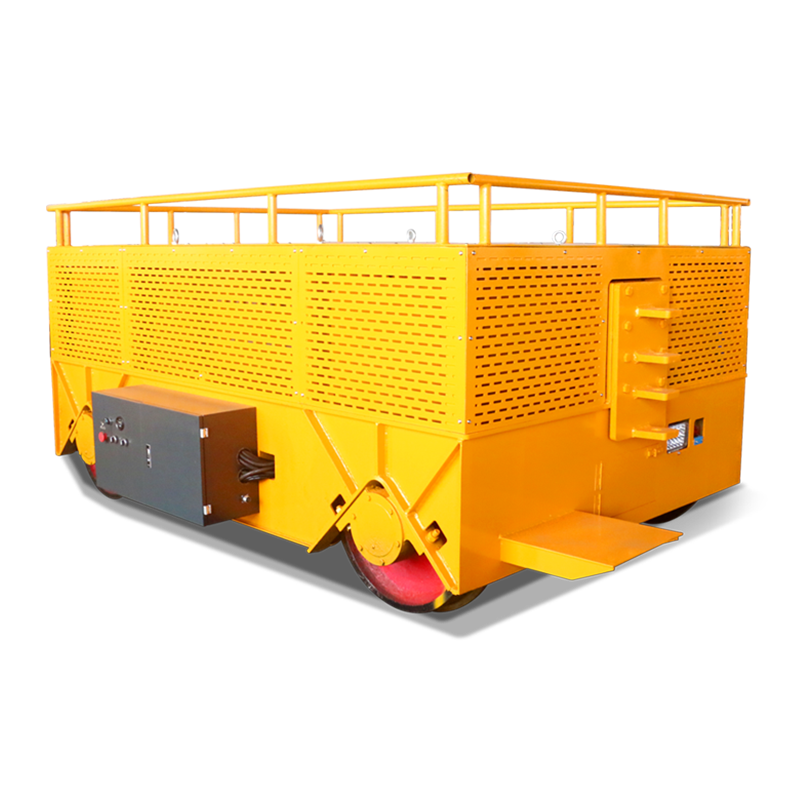
Efficient internal transport starts with correctly specifying equipment. Each material category in a facility has distinct transport requirements: weight, dimensions, fragility, temperature sensitivity, and process timing all vary by material type. A single equipment type that handles all materials adequately typically handles none of them optimally. Carts optimized for the specific load characteristics of each material type—light-duty carts for small components, heavy-duty carts for large assemblies, specialized carts for temperature-sensitive materials—deliver better performance than a one-size-fits-all approach.
Equipment quantity must match the transport demand. Too few carts create bottlenecks where production waits for transport capacity. Too many carts create traffic congestion, excessive capital investment, and management complexity. The calculation that determines correct fleet size accounts for average transport cycle time, the number of concurrent transport tasks required during peak production periods, and the maintenance capacity required to keep the fleet operational.
2. Route Design and Traffic Management
The paths materials travel through the facility determine how efficiently the transport system operates. Routes that require excessive travel distance, frequent turns, or navigation through congested areas reduce effective transport speed and increase cycle times. Efficient route design minimizes travel distance between common origin-destination pairs, separates material traffic from personnel traffic where possible, and provides adequate clearance for the equipment operating in each route.
Traffic management principles applied to internal transport include one-way traffic flow where material movement patterns allow, dedicated lanes for high-volume routes, and intersection management that prevents opposing flows from blocking each other. These principles sound simple but implementing them requires discipline—the efficiency benefits disappear when traffic discipline breaks down and informal congestion becomes accepted practice.
3. Demand Synchronization with Production
Internal transport exists to serve production. When transport is unsynchronized with production requirements—delivering materials before they are needed or after the production window has passed—the transport function fails even if individual transport operations are completed quickly. Efficient transport systems align delivery timing with production takt time, providing materials at the rate the production line requires rather than at a rate convenient for the transport operation.
Demand-driven transport systems respond to actual production consumption rather than predetermined schedules, triggering material delivery when inventory at the point of use drops to a defined threshold. This approach reduces work-in-progress inventory while maintaining service levels, as long as the transport system has adequate capacity to respond to demand signals within the time window before the consuming operation runs out of materials.
4. Integration with Warehouse and Storage Operations
Internal transport does not exist independently—it connects storage locations, production operations, and shipping areas into a continuous material flow. The efficiency of each of these connected functions affects transport efficiency: poorly organized storage areas where materials are difficult to locate and retrieve create delays that propagate through the transport system, just as receiving areas that cannot efficiently accept incoming materials create queues that back up transport equipment.
Storage location management—organizing inventory so that high-velocity materials are positioned for rapid access and FIFO rotation is natural rather than enforced—reduces the time carts spend at storage locations. Cross-docking principles that move incoming materials directly to production areas with minimal storage time reduce total transport distance. Loading dock design that provides adequate staging space and multiple access points prevents transport equipment from waiting in queues for dock availability.
5. Automation and Control System Integration
Automated transport systems—automated guided vehicles, conveyor systems, and automated storage/retrieval systems—offer consistency and scalability that human-operated equipment cannot match for high-volume, predictable transport patterns. Automation is most effective where transport volumes are consistently high, routes are well-defined, and the operational environment is controlled enough for reliable automated navigation.
Even facilities that cannot fully automate benefit from transport management systems that optimize equipment deployment, route selection, and load assignment. A transport management system that knows where all carts are, what loads are waiting, and which destinations have priority can assign tasks to minimize total transport time—a coordination function that individual cart operators performing independently cannot match. Integrating transport management with production planning systems closes the loop between production demand and transport supply.
6. Measuring and Improving Transport Efficiency
What does not get measured does not improve. Key performance indicators for internal transport efficiency include average transport cycle time, cart utilization rate, percentage of on-time deliveries to production areas, and transport cost per unit produced. Tracking these metrics over time reveals whether improvement initiatives are working and where new bottlenecks are developing.
Common efficiency improvement approaches include route optimization studies that identify and eliminate unnecessary travel, fleet sizing analysis that right-sizes equipment numbers, and workflow redesign that reduces the distance between frequently-connected origin-destination pairs. Each improvement should be validated by metric changes before being considered permanent—a change that improves operator perception but does not move measured KPIs is not an improvement, just a different way of doing things.