
 English
 简体中文
简体中文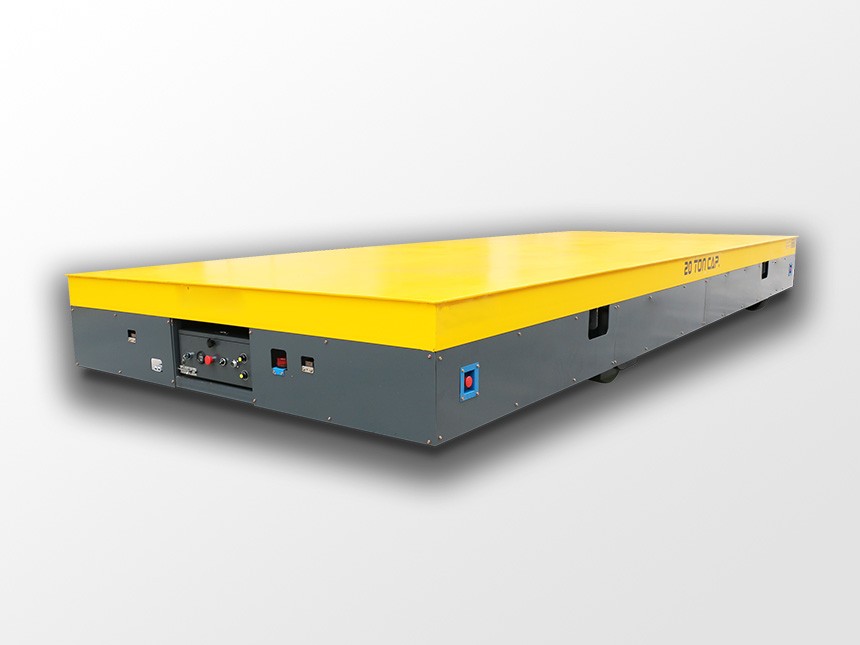
The Impact of Wheel Selection on Cart Performance
Wheel selection is one of the most consequential specification decisions for heavy duty carts, yet it is often treated as an afterthought. The wheel is the only contact point between the cart and the floor, and every load movement depends on how that contact performs. The right wheel specification for your application reduces rolling resistance, protects facility floors, minimizes noise, and provides adequate load capacity. The wrong specification creates excessive wear, floor damage, operator fatigue, and equipment failures that are expensive to remedy. This guide covers the key factors in wheel selection for heavy duty industrial carts.
1. Load Capacity Requirements
Wheel load capacity is the primary specification filter for heavy duty cart wheels. Each wheel in the cart's wheel system must have adequate capacity for its share of the total load—the total cart capacity divided by the number of wheels. A cart with a 20-ton capacity using four wheels requires wheels rated for at least 5 tons each, and a 25% safety margin recommends wheels rated for 6 tons or more per wheel to account for load imbalances and dynamic load effects during movement.
Load capacity ratings for industrial wheels are determined by standardized testing methods and account for wheel material, bearing size, and wheel diameter. Ratings are typically given for both static load (stationary) and dynamic load (moving) conditions—dynamic ratings are lower because moving loads impose higher stresses on wheel materials and bearings. Always specify wheels based on dynamic load ratings when the cart will be moving during loading and unloading operations.
2. Wheel Material Options
The most common wheel materials for heavy duty industrial carts are polyurethane, rubber, nylon, and steel—each with distinct performance characteristics for different applications. Polyurethane wheels provide excellent load capacity combined with floor protection and quiet operation, making them the most versatile choice for general manufacturing environments. They resist abrasion, oil, and many chemicals while providing good traction on concrete and steel floors.
Rubber wheels offer superior floor protection and shock absorption, making them appropriate for facilities where floor preservation is paramount or where sensitive equipment is being transported. The trade-off is lower load capacity and faster wear in high-temperature environments or where oil and chemical exposure is significant. Nylon wheels provide high load capacity in a compact form factor and resist many chemicals and temperature extremes, but they can damage concrete floors and create significant noise during operation. Steel wheels handle the heaviest loads and high temperatures but cause substantial floor wear and generate noise that makes them inappropriate for occupied areas.
3. Wheel Diameter and Rolling Resistance
Larger wheel diameters reduce rolling resistance—the force required to initiate and maintain cart movement. For heavy duty carts, increasing wheel diameter from 150mm to 200mm can reduce starting force by 20-25%, directly reducing operator effort and drive motor requirements. Larger wheels also roll over small debris and floor irregularities more easily, reducing the likelihood of wheel jams or surface damage that smaller wheels experience.
The practical limit on wheel diameter is typically the available underclearance—how much space exists between the floor and the bottom of the cart structure. For applications where low-profile carts are required, consider twin-wheel configurations that achieve the load capacity of larger single wheels while maintaining lower overall height. Twin-wheel setups also distribute load more evenly across the floor surface, reducing point loading on the floor substrate.
4. Bearing Quality and Maintenance
The bearing is the mechanical component inside the wheel hub that enables rotation, and its quality directly determines how easily the wheel turns and how long it maintains that performance. Industrial wheels use either sleeve bearings or roller bearings. Sleeve bearings—typically oil-impregnated sintered bronze—provide adequate performance for moderate loads and intermittent use but generate more friction than roller bearings and wear more quickly under heavy or continuous use.
Precision sealed roller bearings in industrial-grade wheel hubs provide minimum friction, extended service life, and consistent performance over a wide load range. While wheels with roller bearings cost more upfront than sleeve-bearing alternatives, the reduced rolling resistance lowers energy consumption for electric cart drive systems, and the longer bearing service life reduces maintenance costs. For carts that will see continuous operation or handle loads approaching their rated capacity, roller bearing wheels are the correct specification.
5. Floor Protection Considerations
Heavy carts impose substantial loads on facility floors, and wheel material choice determines whether those loads create damage. Concrete floors—the most common industrial flooring—can crack, spall, or develop rutting from repeated concentrated loads. Wheels that distribute load across larger contact patches reduce floor stress proportionally. Polyurethane and rubber wheels typically have lower Shore hardness ratings that create larger contact patches compared to harder materials, providing better floor protection for a given load.
For facilities with sensitive floor surfaces—polished concrete, epoxy coatings, or raised access floors—wheel selection requires particular care. Softer wheel compounds protect the floor finish but may wear faster on rough concrete surfaces. In these applications, selecting wheels with the hardest compound that still protects the floor—rather than defaulting to the softest available—balances floor protection with wheel longevity.
6. Environmental and Application Factors
Environmental conditions significantly affect wheel performance and longevity. Temperature extremes—foundries, cold storage, outdoor operations—require wheels rated for the actual temperature range rather than standard ambient-temperature specifications. Chemical exposure from production processes or cleaning operations may attack wheel materials; confirm that your wheel material is compatible with the specific chemicals present in your environment.
Foreign material on the floor—metal chips, abrasive grit, wet areas—affects wheel performance. Wheels with tread patterns that resist debris pickup are appropriate for facilities with contamination. Wet or oily floors require wheel compounds that maintain traction under slippery conditions—standard polyurethane or rubber compounds may become dangerously slick on surfaces with standing oil or water unless specifically formulated for wet environments.