
 English
 简体中文
简体中文
When Space Is the Primary Constraint
In many manufacturing facilities, space is the primary constraint that determines what material handling equipment can be used. Narrow aisles, congested work areas, low overhead clearances, and limited floor space create an environment where standard-sized transport equipment cannot operate effectively. Compact transfer carts are designed specifically for these space-constrained environments, providing material transport capability in dimensions that fit where standard carts cannot. The selection of compact transfer carts requires careful analysis of the space constraints, the transport requirements, and the trade-offs between size, capacity, and performance that are inherent in compact designs.
Defining Compact: What Makes a Transfer Cart "Compact"
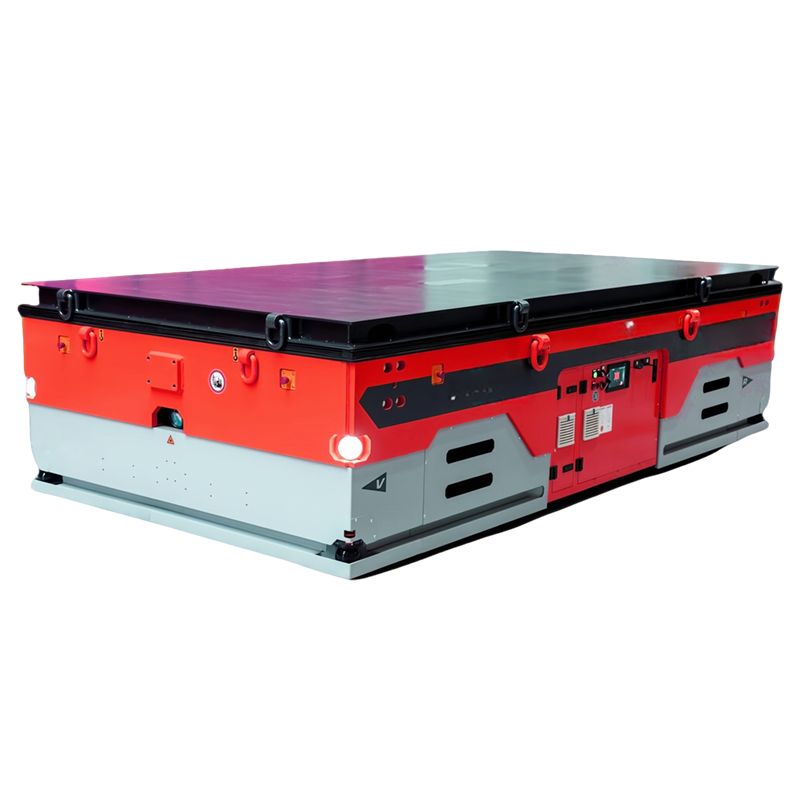
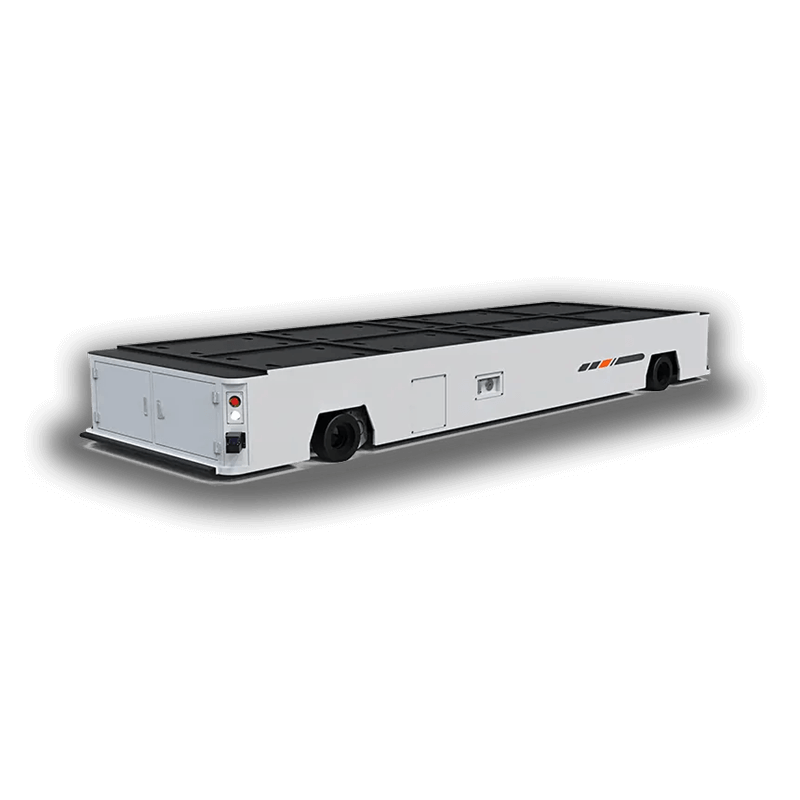
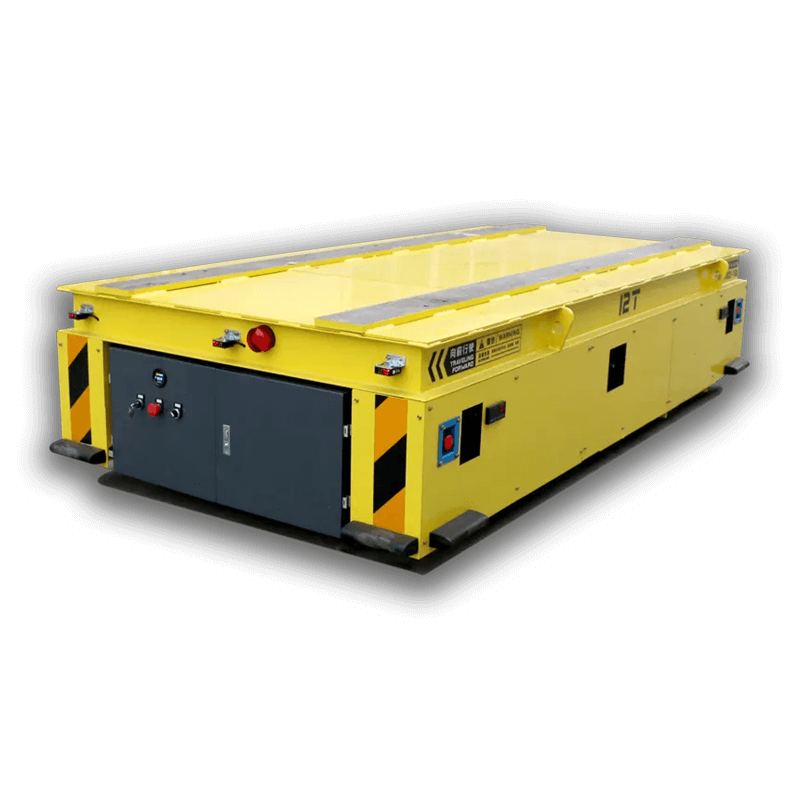
Compact transfer carts are not simply smaller versions of standard transfer carts. They are designs that optimize the relationship between the cart's footprint and its load capacity, providing the maximum transport capability in the minimum space envelope. The compact designation typically applies to carts with deck widths of 1 meter or less, deck lengths of 2 meters or less, and overall heights that provide adequate ground clearance while fitting under low overhead structures. But compactness is not just about dimensions; it is also about maneuverability. A compact cart must be able to turn in tight spaces, navigate narrow aisles, and position precisely at loading and unloading points that are inaccessible to larger equipment.
The design features that enable compact transfer carts to operate in confined spaces include: short wheelbases that reduce turning radius; articulated or swivel steering that enables the cart to turn in place or navigate tight corners; low deck heights that provide clearance under overhead obstacles while maintaining adequate ground clearance; and narrow profiles that fit through doorways and aisles that are too narrow for standard carts. These design features may involve trade-offs: a short wheelbase reduces turning radius but may reduce stability at high speeds or with high loads. A low deck height improves overhead clearance but may reduce battery capacity or ground clearance. The selection of a compact cart requires understanding these trade-offs and selecting the design that best matches the application's requirements.
Load Capacity in Compact Designs: The Engineering Challenge
The most significant engineering challenge in compact transfer cart design is providing adequate load capacity in a small footprint. A standard transfer cart can distribute a heavy load over a large deck area, with multiple wheels and a robust frame that handles the load without excessive stress. A compact cart has less deck area, less space for wheels, and less frame structure to handle the load. The designer must optimize every component—frame geometry, wheel placement, material selection, and structural reinforcement—to provide the required capacity within the compact envelope.
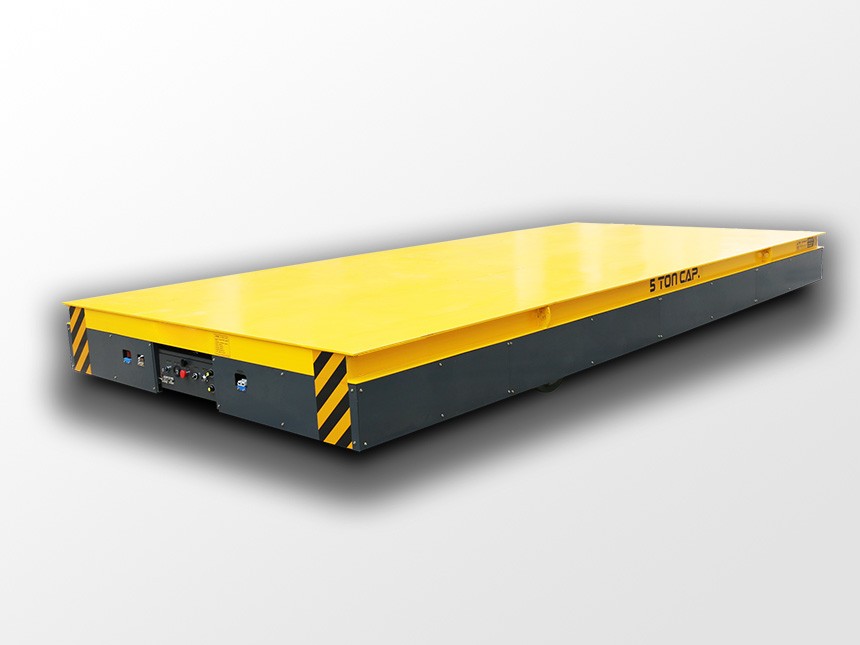
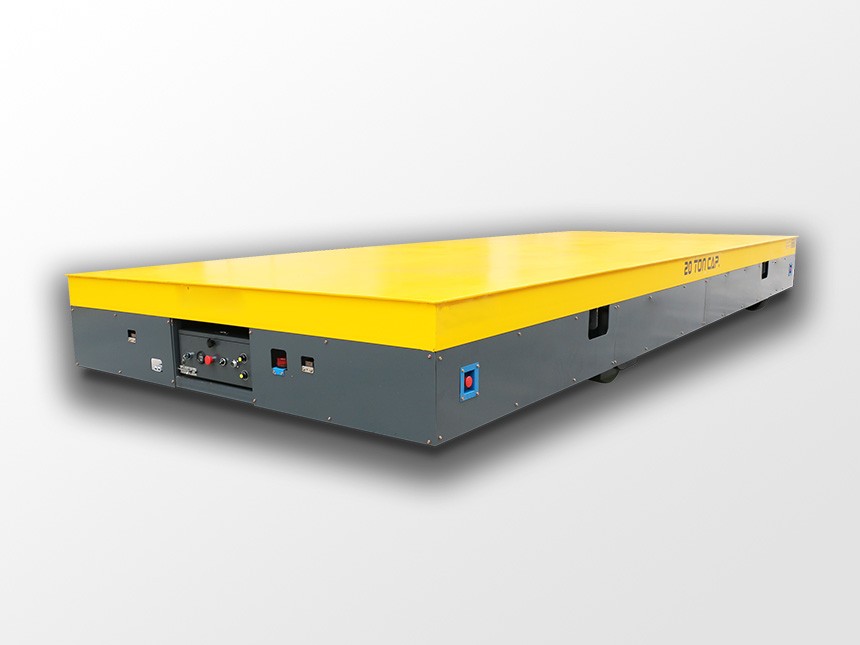
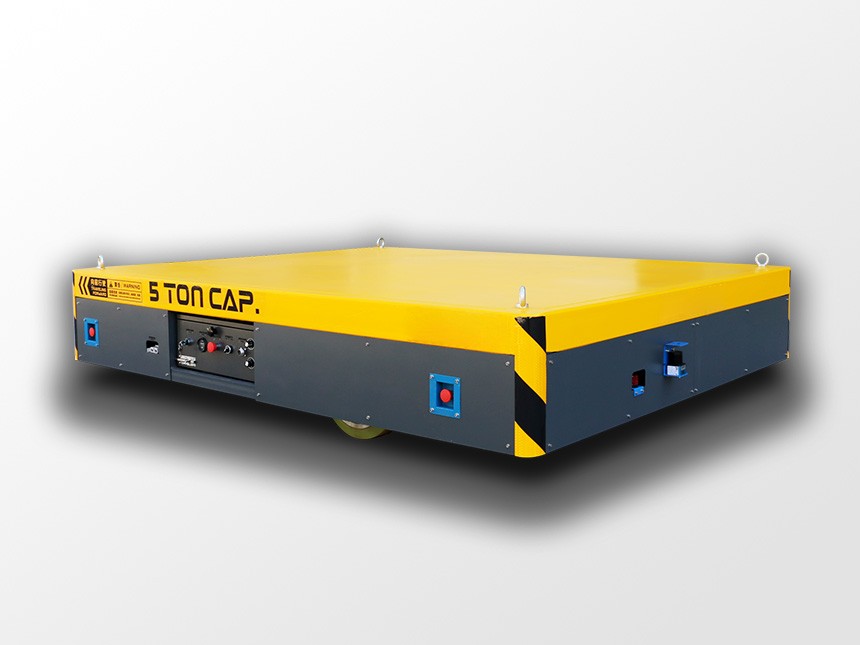
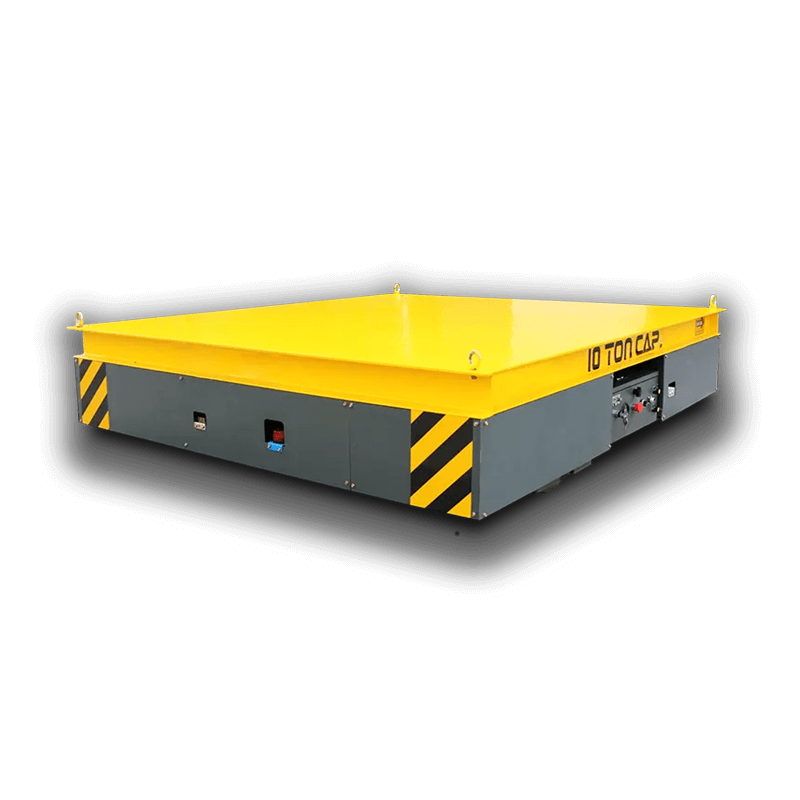
The load capacity of compact transfer carts typically ranges from 500 kg to 10 tons, depending on the cart size and the design optimization. Carts at the lower end of this range—500 kg to 2 tons—are relatively straightforward to design with standard components and materials. Carts at the higher end—5 tons to 10 tons—require advanced engineering: high-strength steel frames, specialized wheel arrangements, and reinforced deck structures that can handle concentrated loads without deformation. The load capacity specification for a compact cart should include both the maximum uniform load and the maximum concentrated load, because compact carts are often used for loads that are smaller than the deck area and therefore create concentrated rather than distributed loading.
Maneuverability: Turning, Positioning, and Navigating
Maneuverability is the defining characteristic of compact transfer carts, and it is the feature that distinguishes them from standard carts that happen to be small. Maneuverability encompasses turning performance, positioning accuracy, and the ability to navigate complex routes. Turning performance is measured by the turning radius—the smallest circle that the cart can turn within. Compact carts achieve small turning radii through short wheelbases, articulated steering, or differential drive systems that enable the cart to turn in place by driving the wheels on one side forward and the wheels on the other side backward.
Positioning accuracy is the ability to place the cart at a specific location with precision. Compact carts are often used in applications where the loading and unloading points are in confined spaces with limited access, and the cart must be positioned precisely to align with the load or with the receiving equipment. Positioning accuracy depends on the control system, the drive system, and the operator skill. Carts with electronic steering and variable speed control provide better positioning accuracy than carts with mechanical steering and single-speed drives. And carts with remote control or automated guidance can achieve positioning accuracy that is impossible with manual operation.
Applications for Compact Transfer Carts: Where They Excel
Compact transfer carts excel in applications where space constraints prevent the use of standard transport equipment. These applications include: cleanroom manufacturing—pharmaceutical, semiconductor, and electronics manufacturing facilities where aisles are narrow and overhead clearances are low; aerospace assembly—aircraft assembly facilities where components must be moved through doorways and around partially assembled structures; shipbuilding—shipyards where materials must be moved through hatches and along narrow passageways; and maintenance operations—facilities where equipment must be moved through standard doorways for maintenance or replacement. In each of these applications, the compact cart provides transport capability that would otherwise require manual handling or expensive custom equipment.
Compact transfer carts are also used in applications where the transport volume is low but the transport requirements are specific. A facility that needs to move a few heavy items per day through a narrow aisle may not justify a conveyor system or an automated guided vehicle, but a compact transfer cart can provide the required capability at a fraction of the cost. The versatility of compact carts—their ability to handle different loads, follow different routes, and operate in different environments—makes them a cost-effective solution for low-volume, high-variety transport requirements.
Selection Criteria: Matching the Cart to the Application
The selection of a compact transfer cart should be based on a systematic analysis of the application requirements and the cart capabilities. The selection criteria include: space constraints—the minimum aisle width, doorway width, and overhead clearance that the cart must fit through; load requirements—the maximum weight, dimensions, and type of loads that the cart must handle; route characteristics—the distance, grades, turns, and surface conditions along the transport route; operating environment—the temperature, humidity, cleanliness, and hazard classification of the operating area; and integration requirements—the interfaces with loading equipment, unloading equipment, and control systems. Each of these criteria should be defined with specific values, not general descriptions, to enable objective comparison of alternative cart designs.
The selection process should also consider the total cost of ownership, not just the purchase price. Compact carts that are designed for easy maintenance, with accessible components and modular construction, have lower maintenance costs than carts that require disassembly for routine service. Carts with energy-efficient drive systems and long-life batteries have lower operating costs than carts with less efficient systems. And carts with robust construction and proven reliability have lower downtime costs than carts that require frequent repair. A comprehensive selection analysis that considers all cost components over the cart's expected life produces the best long-term value, even if the initial purchase price is higher than alternatives.