
 English
 简体中文
简体中文Manual vs Automated Rail Transfer Turntable | How to Choose the Right Solution

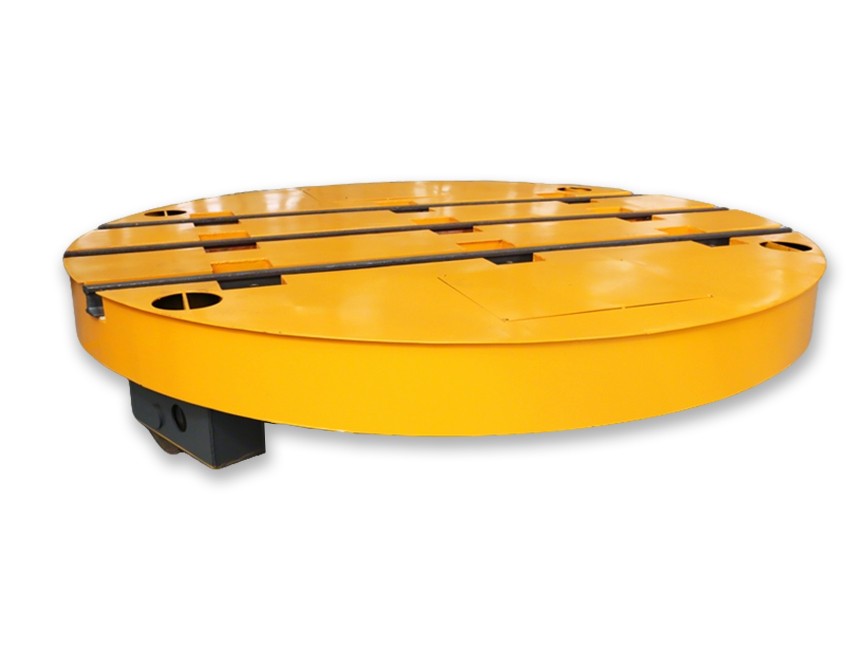
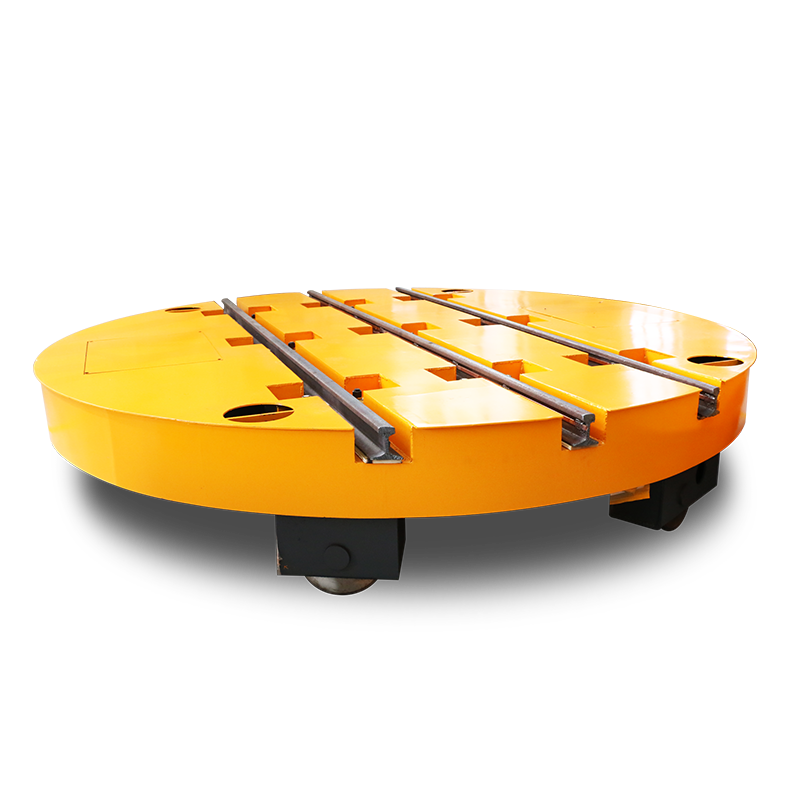
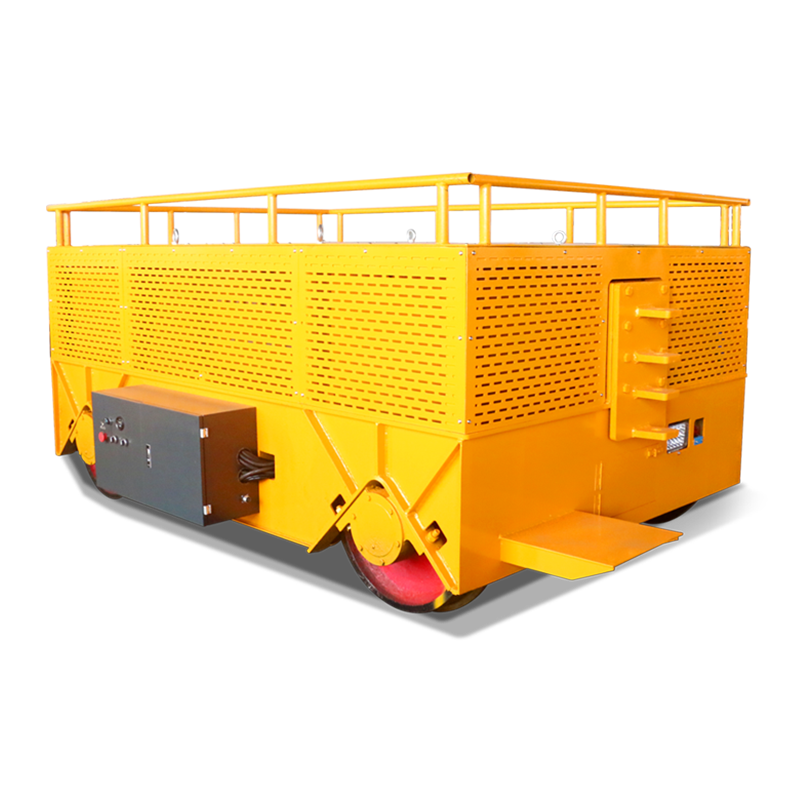
When planning or upgrading a rail maintenance system, one of the most critical decisions is choosing between a Manual or Automated Rail Transfer Turntable. Each solution offers distinct advantages depending on operational scale, workload, and long-term automation goals. Understanding these differences helps ensure the right investment and optimal system performance.
Both manual and automated rail transfer turntables are designed to rotate and align rail-mounted vehicles between multiple tracks. The key difference lies in operation method, system integration, and labor dependency.
Manual Rail Transfer Turntable is suitable for:
Low-frequency rail switching operations
Small or medium-sized maintenance workshops
Facilities with limited automation requirements
Cost-sensitive projects with stable workloads
Automated Rail Transfer Turntable is ideal for:
High-frequency and continuous operations
Heavy equipment handling and smart factories
Facilities pursuing unmanned or semi-unmanned operation
Rail systems integrated with RGV, AGV, or MES
Without proper selection, facilities may encounter:
Underutilized automation investments
Excessive labor costs and operator dependency
Limited scalability for future expansion
Reduced efficiency in high-load rail operations
By clearly defining operational needs, the right rail transfer turntable solution ensures balanced investment, efficient workflows, and long-term system adaptability.
Manual and automated turntables are widely used across:
Railway and metro maintenance depots
Industrial rail logistics systems
Heavy manufacturing and assembly plants
Power, steel, and energy facilities
Smart factories and automated workshops
| Feature | Manual Turntable | Automated Turntable |
|---|---|---|
| Load Capacity | 5–100 tons | 10–200 tons |
| Operation Method | Push-button / Operator controlled | PLC / HMI / Smart control |
| Rotation Accuracy | ±2–3 mm | ±1 mm |
| Labor Requirement | High | Low |
| Integration Capability | Limited | Full system integration |
| Automation Level | Low | High |
| Initial Investment | Lower | Higher |
| Long-Term Efficiency | Moderate | High |
Both solutions support flexible configuration and future upgrades:
Manual systems upgradable to semi-automatic control
Automated rail alignment and locking modules
Integration with RGV, AGV, and scheduling systems
Safety sensors, interlocks, and warning systems
Remote monitoring and predictive maintenance
You have questions, comments or general inquiries? We value your suggestions. Drop us a line! Fill the form below just to say hi or to send us any questions or comments you might have.