
 English
 简体中文
简体中文How to Choose a Flatbed Trailer | Heavy-Duty Transport

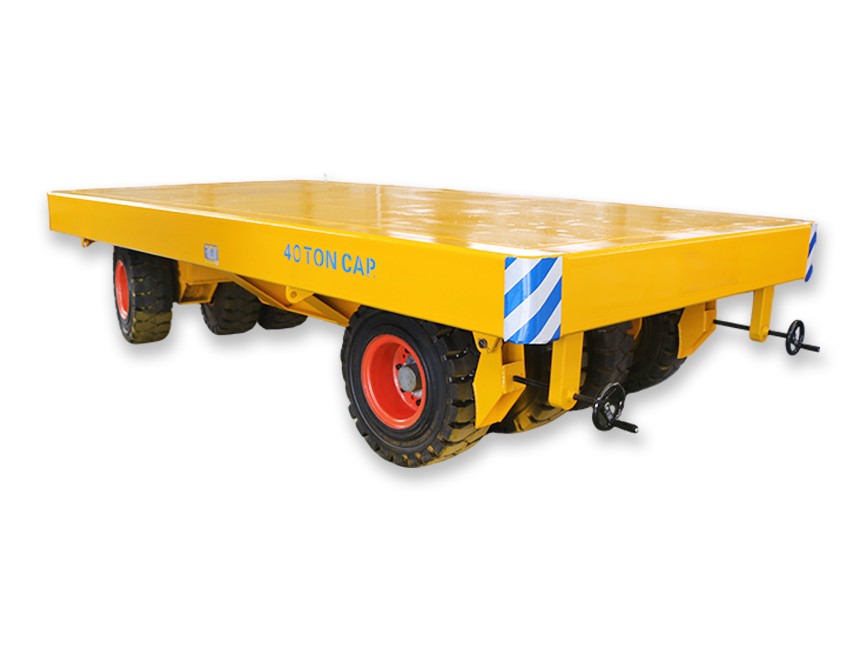
Selecting the right flatbed trailer is a critical decision for manufacturers, contractors, and logistics operators. The correct configuration directly impacts transport safety, operating efficiency, regulatory compliance, and long-term cost control.
Understanding how different flatbed trailer specifications align with real-world transport demands helps companies avoid underperforming equipment and costly operational risks.
Flatbed trailers are designed to support a wide range of heavy-duty transport tasks, but not all flatbed configurations are the same.
Key factors influencing suitability include:
Cargo weight and load distribution
Cargo dimensions and overhang requirements
Loading and unloading methods
Operating environment and route conditions
Matching these factors with the correct trailer length, axle configuration, and deck strength ensures reliable and safe operation.
| Parameter | Specification |
|---|---|
| Trailer Type | Flatbed Trailer |
| Deck Length Options | 2-8m (custom available) |
| Deck Width Options | 1-3m |
| Load Capacity Range | 5-650 ton (custom available) |
| Frame Structure | High-strength steel |
| Axle Options | 2 / 3 / 4 axles |
| Suspension Types | Air or mechanical suspension |
| Brake System | Air brake system |
| Load Securement | Rub rails, D-rings, stake pockets |
| Compliance | DOT / FMCSA standards |
Many buyers encounter challenges such as:
Choosing insufficient load capacity
Incorrect axle or suspension configuration
Limited cargo securement options
Poor adaptability to future transport needs
Flatbed trailers solve these issues when properly selected by offering:
Configurable load capacity and axle layouts
Multiple deck size and width options
Flexible securement and accessory systems
Long-term durability for high-duty cycles
A well-matched flatbed trailer reduces downtime and extends service life.
Across the market, flatbed trailers are selected for heavy-duty transport in:
Construction and infrastructure projects
Steel and metal manufacturing
Heavy machinery and equipment transport
Energy and industrial project logistics
Ports, yards, and intermodal operations
Their versatility makes them suitable for both specialized and multi-purpose transport fleets.
Recommended options based on transport needs:
Extendable deck for long cargo
Coil racks or pipe carriers for steel products
Reinforced deck for concentrated loads
Winches and heavy-duty tie-down systems
Anti-slip deck surface
Enhanced lighting and safety markings
Proper accessory selection ensures the trailer remains adaptable as transport requirements evolve.
You have questions, comments or general inquiries? We value your suggestions. Drop us a line! Fill the form below just to say hi or to send us any questions or comments you might have.