
 English
 简体中文
简体中文Flatbed Trailer vs Enclosed Trailer | Heavy Load Transport

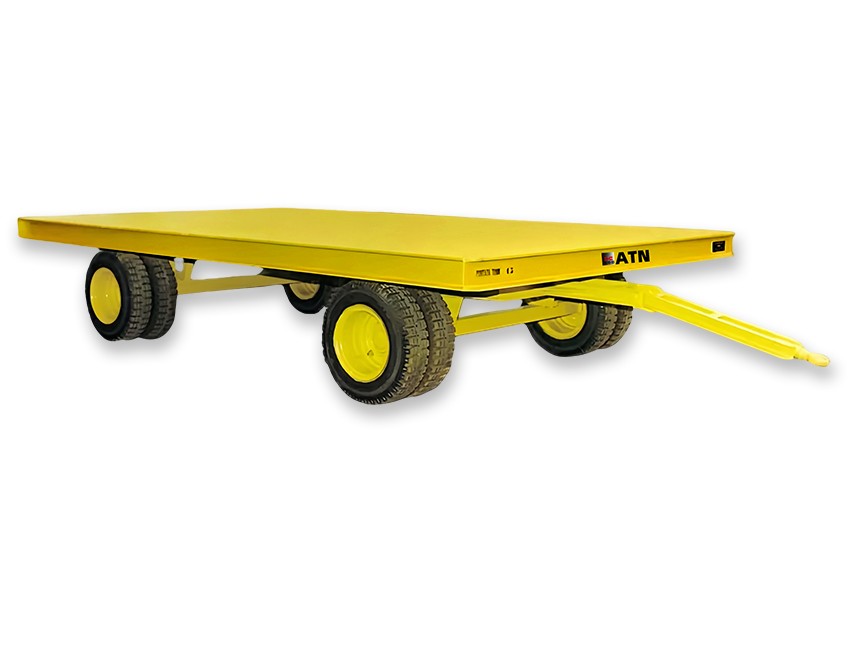
Freight transportation industry, choosing the right trailer type directly affects loading efficiency, compliance, and total logistics cost. While enclosed trailers are suitable for packaged goods, flatbed trailers remain the preferred choice for heavy-duty, oversized, and industrial cargo.
For companies transporting machinery, steel products, or construction materials, flatbed trailers offer unmatched flexibility and operational advantages.
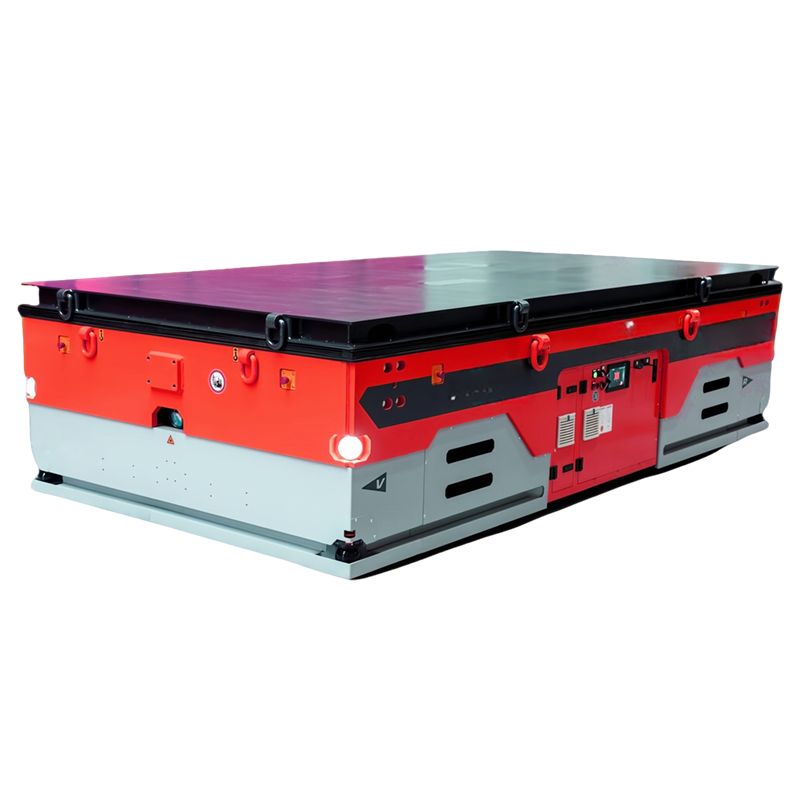
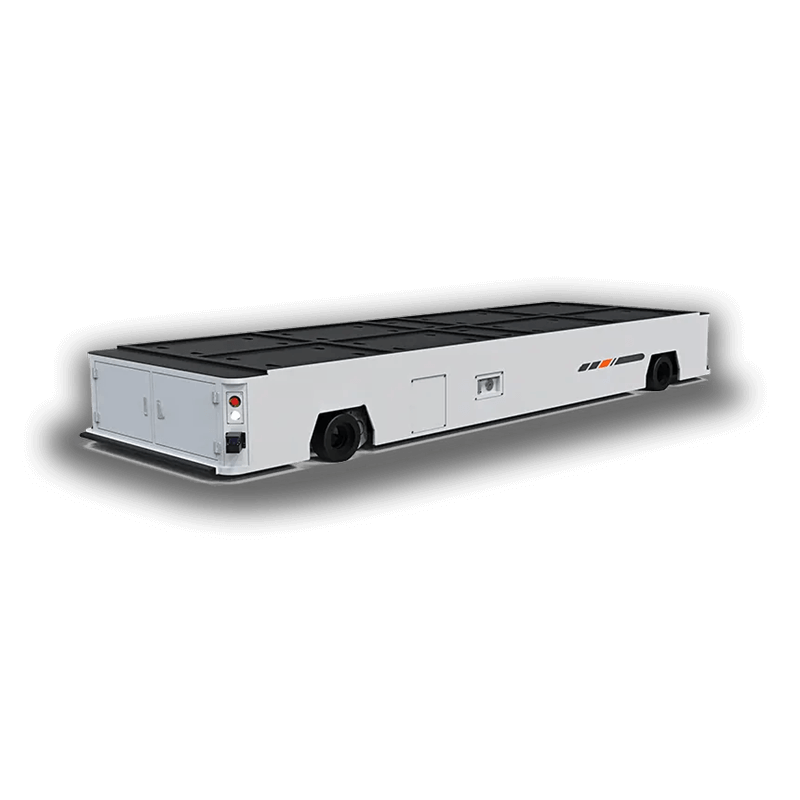
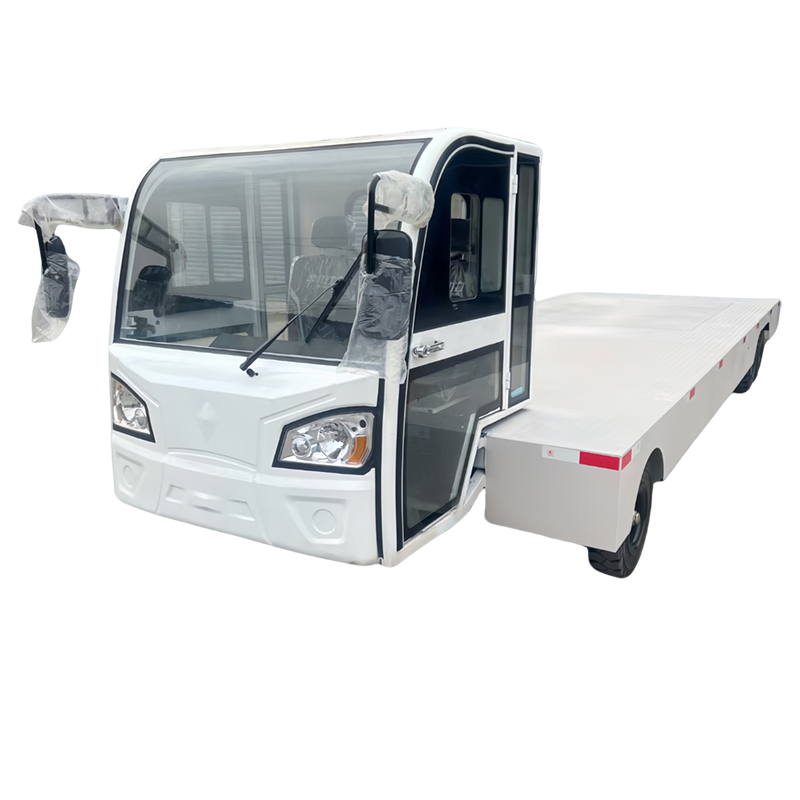
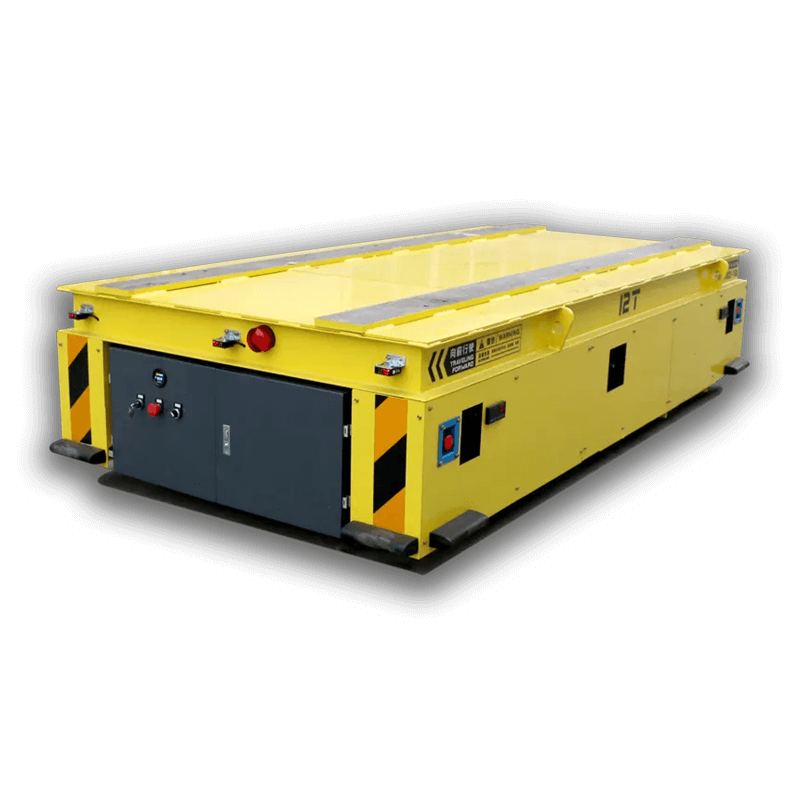
Flatbed trailers are specifically designed for cargo that cannot be easily loaded into enclosed trailers due to size, weight, or shape limitations. Their open-deck structure removes vertical and side restrictions, allowing direct loading from multiple directions.
They are especially suitable for:
Heavy machinery and equipment
Oversized industrial components
Steel beams, coils, and fabricated parts
Construction and infrastructure materials
This design makes flatbed trailers ideal for industrial environments where cranes, forklifts, or overhead lifting systems are standard.
| Parameter | Specification |
|---|---|
| Trailer Type | Flatbed Trailer |
| Standard Length | 1 m / 10 m (custom available) |
| Deck Width | 2.5m |
| Maximum Load | 1-800 ton (custom available) |
| Deck Height | 1.5m |
| Frame Structure | High-strength steel main beams |
| Axles | 2 / 3 / 4 axle options |
| Suspension | Air suspension or spring suspension |
| Brake System | Air brake system |
| Load Securement | Rub rails, stake pockets, D-rings |
| Surface Finish | Anti-corrosion coating |
| Regulatory Compliance | DOT / FMCSA standards |
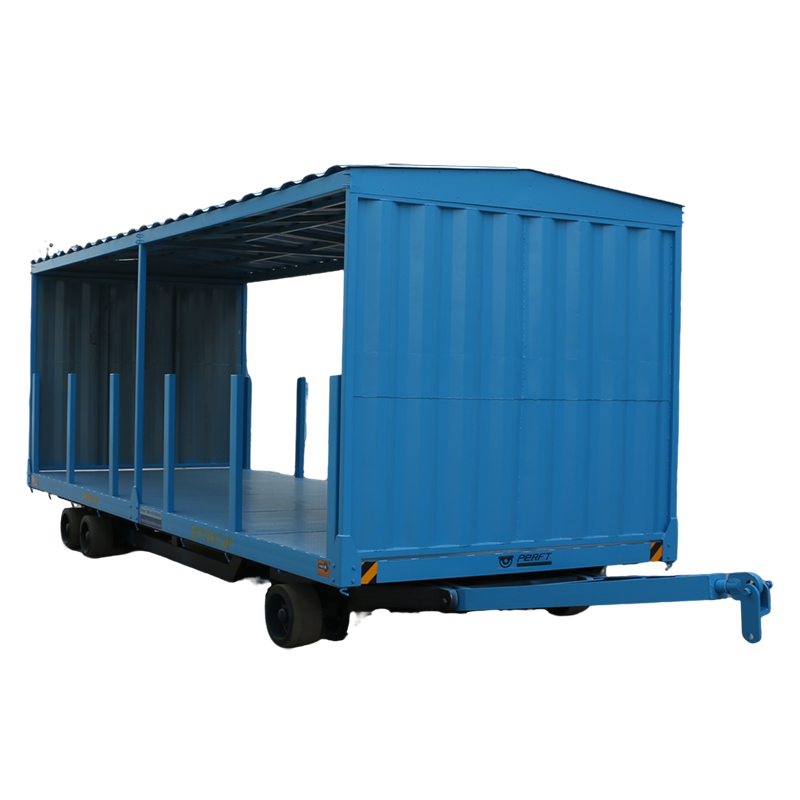
Many manufacturers and logistics operators face recurring issues when using enclosed trailers for industrial freight:
Limited loading height and door width
Longer loading and unloading times
Increased risk of cargo damage during positioning
Higher costs for special handling or disassembly
Flatbed trailers eliminate these constraints by providing:
Unrestricted access from top and sides
Faster loading with heavy lifting equipment
Flexible cargo positioning
Reduced need for custom transport solutions
As a result, flatbed trailers significantly improve operational efficiency for heavy and irregular freight.
Across the market, flatbed trailers are widely used in:
Construction and engineering projects
Steel mills and metal processing plants
Heavy equipment manufacturing
Energy, power generation, and wind farms
Port terminals and industrial yards
Their adaptability makes them a long-term investment for companies handling diverse transport tasks.
Available options include:
Removable or fixed side stakes
Coil racks and pipe holders
Extendable flatbed design
Cargo winches and tie-down systems
Anti-slip deck surface
Enhanced lighting and reflective systems
All configurations can be customized based on cargo type and operating conditions.
You have questions, comments or general inquiries? We value your suggestions. Drop us a line! Fill the form below just to say hi or to send us any questions or comments you might have.