
 English
 简体中文
简体中文Flatbed Trailer Load Capacity & Axle Configuration

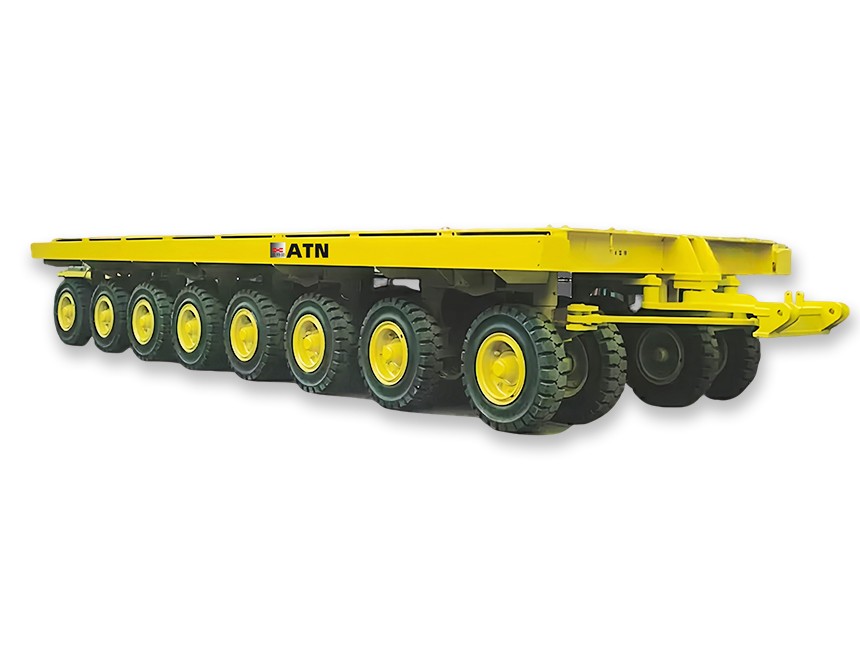
Load capacity and axle configuration are two of the most critical factors when selecting a flatbed trailer for heavy-duty transport. The right combination ensures safe weight distribution, regulatory compliance, and long-term operational stability, while incorrect choices can lead to excessive wear, safety risks, and higher operating costs.
Understanding how these elements work together helps operators make informed purchasing decisions.
Flatbed trailers are designed to carry a wide range of heavy and oversized cargo, but their performance depends heavily on proper load capacity matching and axle layout design.
Key considerations include:
Total cargo weight and load concentration
Cargo length and weight distribution
Operating routes and road conditions
Frequency of transport cycles
Selecting the correct axle configuration ensures that the trailer can handle real-world transport demands without compromising safety.
| Parameter | Specification |
|---|---|
| Trailer Type | Flatbed Trailer |
| Maximum Load Capacity | 5-650 ton (custom available) |
| Axle Options | 2 / 3 / 4 axles |
| Axle Load Rating | Per DOT / FMCSA limits |
| Deck Length | 2-8m (custom available) |
| Deck Width | 1-3 m |
| Frame Material | High-strength structural steel |
| Suspension Types | Air suspension / mechanical suspension |
| Brake System | Air brake system |
| Load Securement | Rub rails, D-rings, stake pockets |
| Compliance | DOT / FMCSA regulations |
Common problems caused by improper load and axle selection include:
Uneven tire wear and suspension damage
Reduced braking performance
Increased stress on the trailer frame
Flatbed trailers address these challenges through:
Multiple axle configuration options
Optimized load distribution across axles
High-strength frame design
Compatibility with air or mechanical suspension systems
These features help maintain stability under heavy and concentrated loads.
In the market, proper load capacity and axle selection is critical for:
Heavy machinery transport
Steel and metal freight movement
Construction material logistics
Energy and industrial project cargo
Port and yard transport operations
Correct configuration minimizes downtime and extends equipment service life.
To optimize load handling:
Reinforced frame for high point loads
Adjustable axle spacing (where permitted)
Heavy-duty suspension upgrades
Enhanced braking systems
Anti-slip deck surfaces
Load monitoring and safety accessories
These options help tailor the trailer to specific weight and duty-cycle requirements.
You have questions, comments or general inquiries? We value your suggestions. Drop us a line! Fill the form below just to say hi or to send us any questions or comments you might have.