
 English
 简体中文
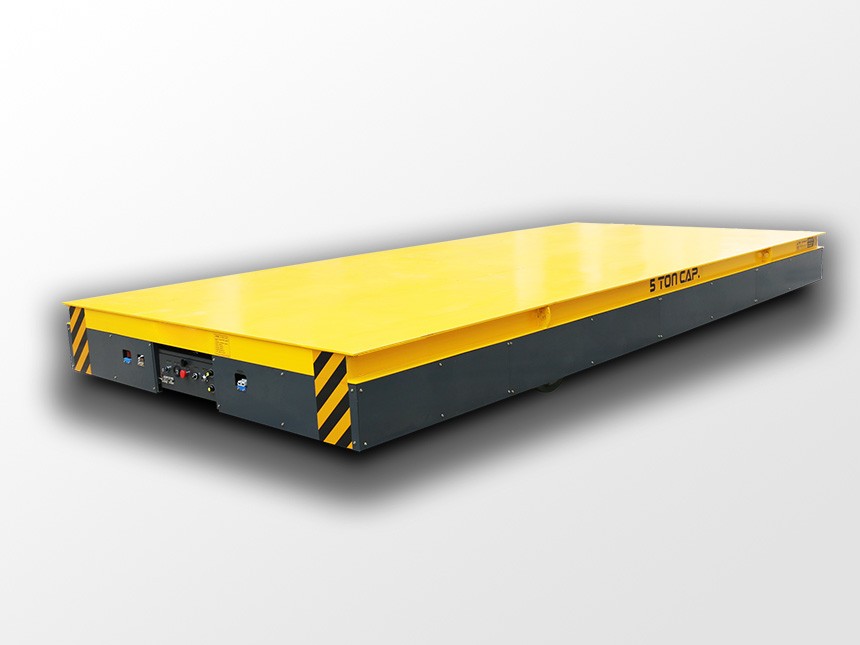
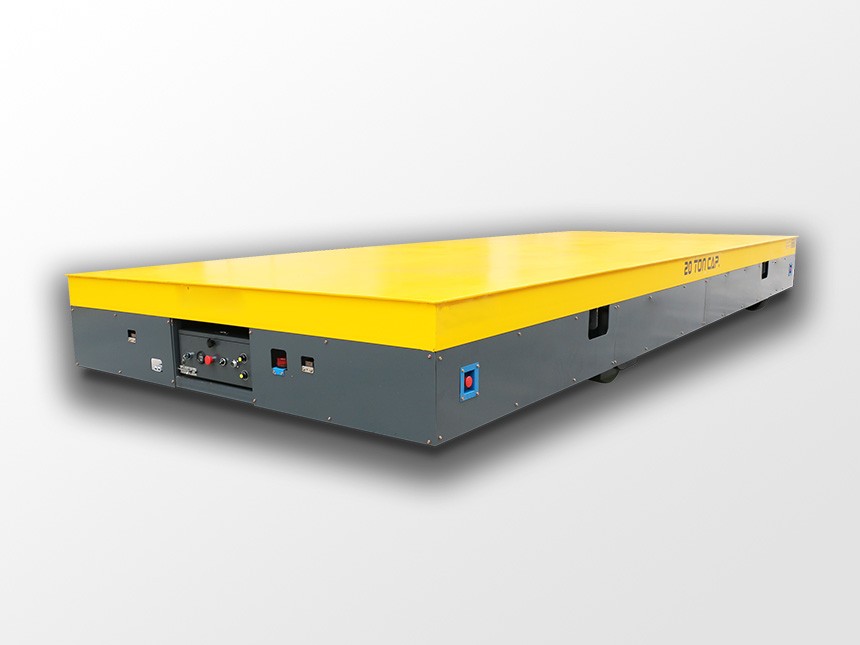
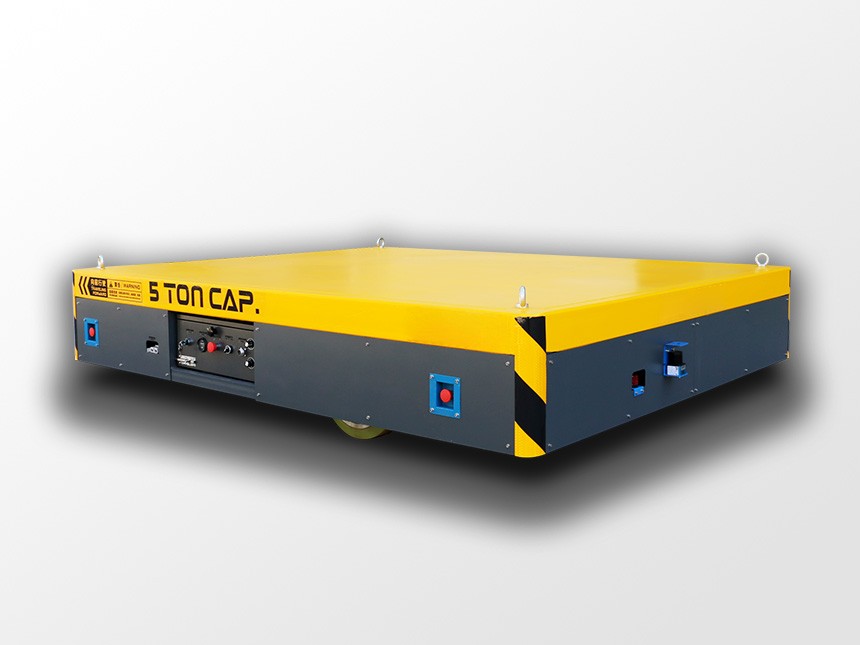
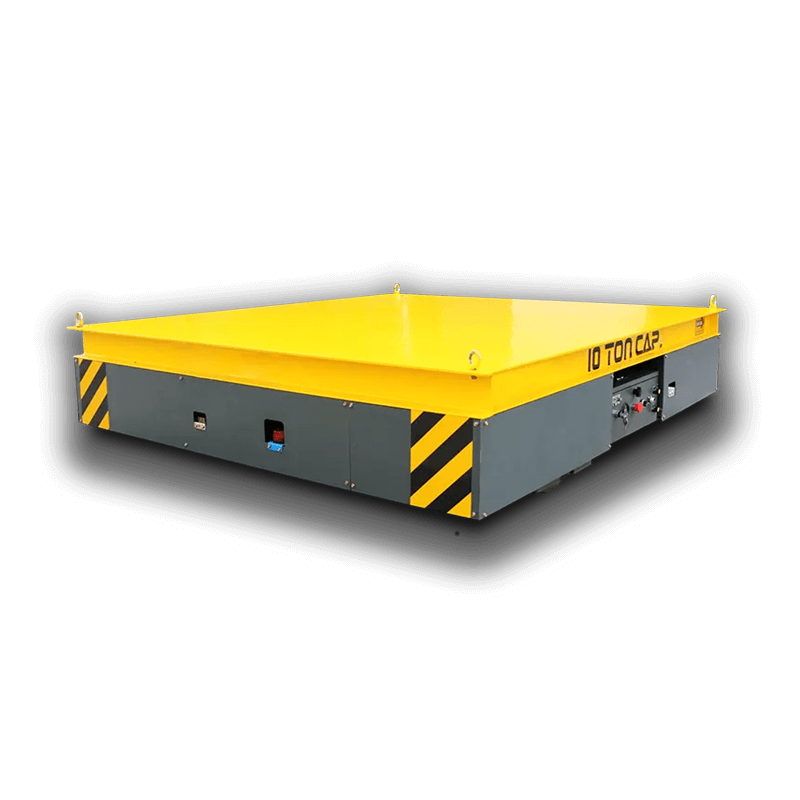
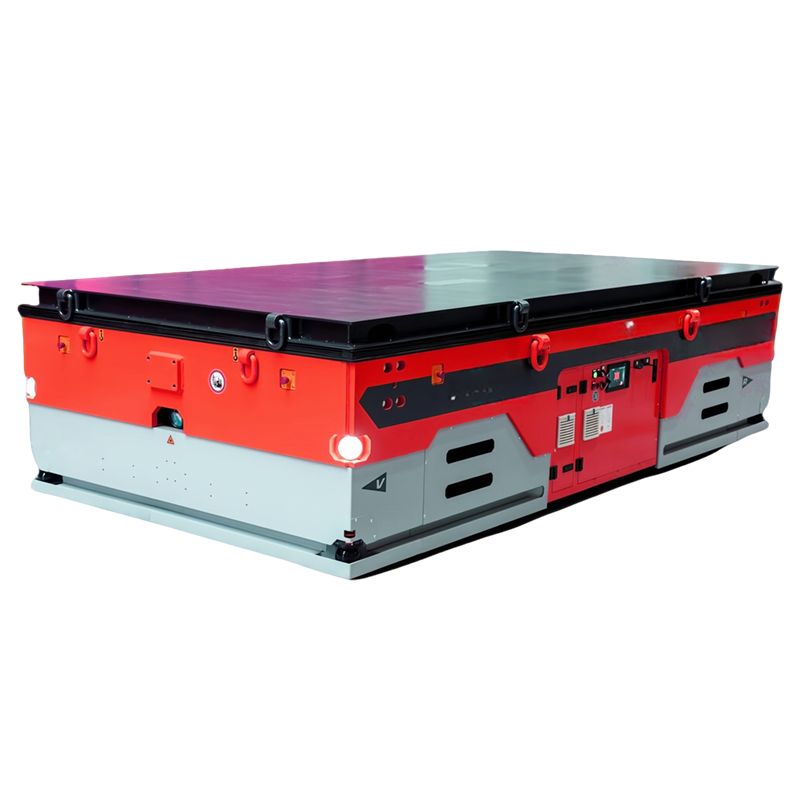
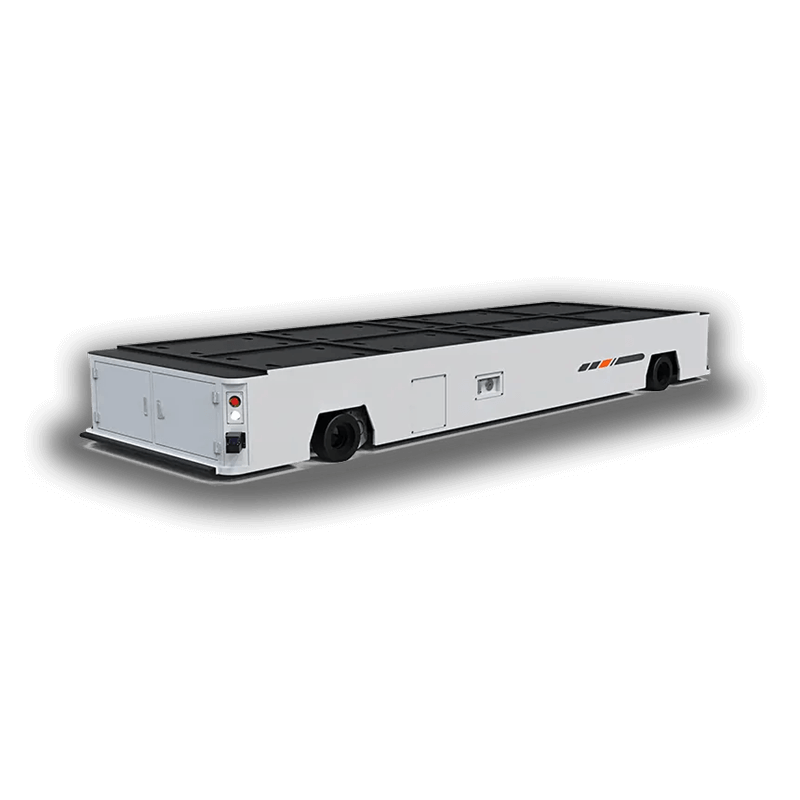
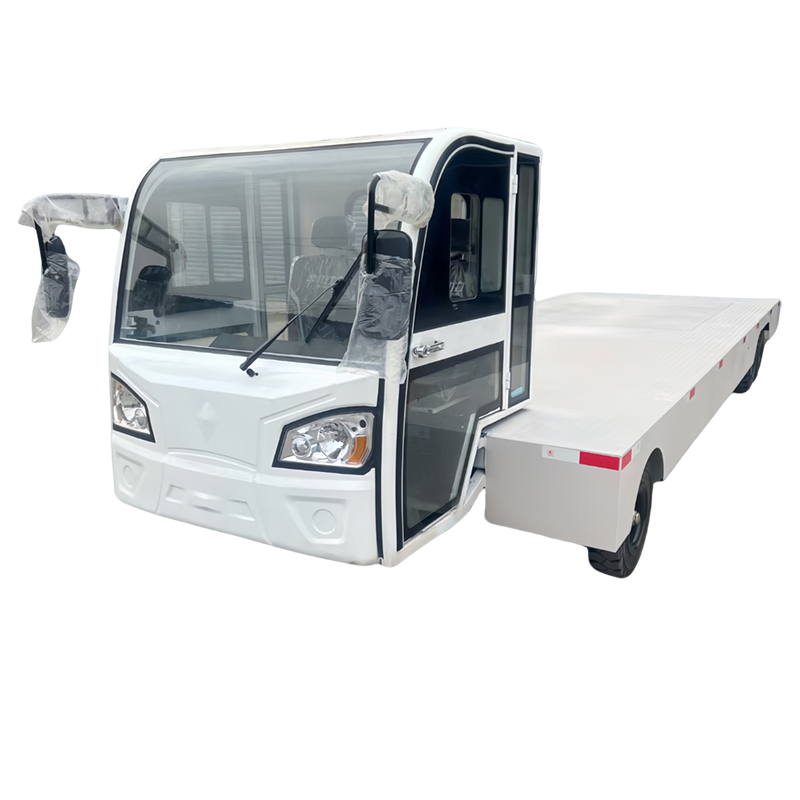
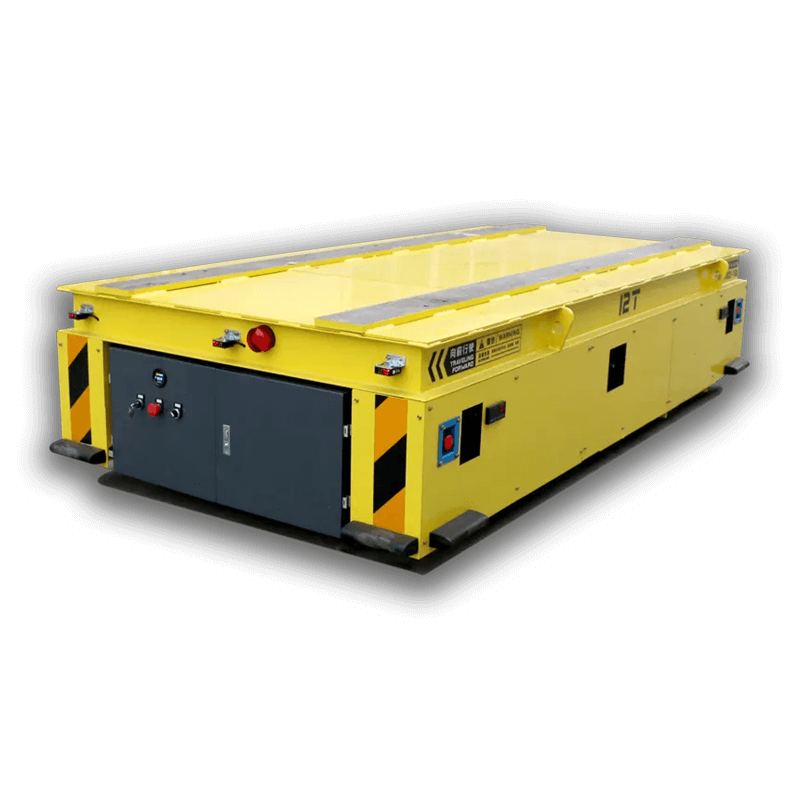
简体中文Flatbed Trailer for Heavy & Oversized Cargo

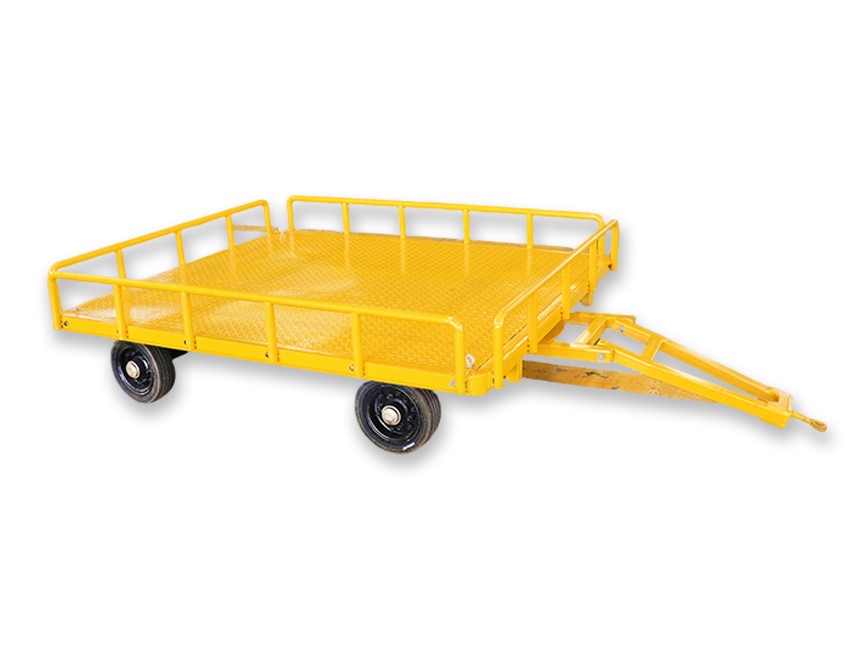
Freight and industrial logistics market, Flatbed Trailers are the backbone of heavy-duty and oversized cargo transportation. Thanks to their open-deck design, high load adaptability, and compliance with road regulations, flatbed trailers are widely used where enclosed trailers simply cannot meet operational demands.
For manufacturers, construction contractors, and logistics operators, a flatbed trailer is not just a transport tool—it is a cost-effective, flexible solution that simplifies loading, reduces handling time, and supports complex freight scenarios across North America.
Flatbed trailers are designed to transport large, heavy, irregularly shaped, or over-dimensional cargo that exceeds the height or width limits of standard box trailers.
Typical use cases include:
Steel coils, beams, plates, and fabricated structures
Heavy machinery and industrial equipment
Construction materials and prefabricated components
Pipes, lumber, wind energy, and power equipment modules
With unrestricted top and side access, flatbed trailers allow loading by crane, forklift, or overhead lifting systems—making them ideal for factories, ports, yards, and construction sites.
In real production and logistics environments, companies often face challenges such as:
Low loading efficiency due to enclosed trailer limitations
Difficulty transporting non-standard or oversized cargo
High costs for customized or special transport solutions
Complex loading conditions at industrial sites
Flatbed trailers address these issues through:
Open-deck structure for fast and flexible loading
Multiple securement points for safe load fastening
High structural strength for heavy-duty freight
This makes flatbed trailers a preferred solution for both short-haul industrial transfers and long-distance interstate transportation.
Flatbed trailers are widely used across multiple industries, including:
Construction and infrastructure projects
Steel mills and metal fabrication plants
Heavy equipment manufacturing
Energy, wind power, and utility sectors
Ports, yards, and third-party logistics providers
Their versatility allows a single trailer configuration to support diverse transport tasks without frequent equipment changes.
| Parameter | Specification |
|---|---|
| Trailer Type | Flatbed Trailer |
| Deck Length | 1-8 m (custom available) |
| Deck Width | 1-3 m |
| Load Capacity | 5- 650ton (configurable) |
| Deck Height | Approx. 60 in |
| Main Beam | High-strength structural steel |
| Axle Configuration | 2 / 3 / 4 axles |
| Suspension | Air suspension or mechanical suspension |
| Brake System | Air brake system (FMVSS compliant) |
| Securement | Stake pockets, rub rails, D-rings |
| Surface Treatment | Anti-corrosion coating / painting |
To meet different operating needs, the following options are available:
Removable side stakes
Extendable deck design
Coil racks or pipe carriers
Winches and cargo straps
Anti-slip deck surface
LED lighting and reflective markings
Customized axle and suspension layouts
All configurations can be tailored to specific cargo types and operational environments.xactly the same output structure for easy batch publishing.
You have questions, comments or general inquiries? We value your suggestions. Drop us a line! Fill the form below just to say hi or to send us any questions or comments you might have.