
 English
 简体中文
简体中文Lift AGV vs. Standard AGV | Why Vertical Lifting Improves Automation

When planning an automated material-handling system, one of the most important decisions is choosing between a standard AGV and a Lift AGV. While both solutions provide unmanned transport and improve workflow efficiency, their functional differences directly impact how well they integrate into production lines, warehouses, and conveyor-based processes.
AOTENENG offers both standard AGVs and Lift AGVs, but factories increasingly choose Lift AGV models because vertical lifting fundamentally expands what automation can accomplish—especially in multi-height or conveyor-driven environments.
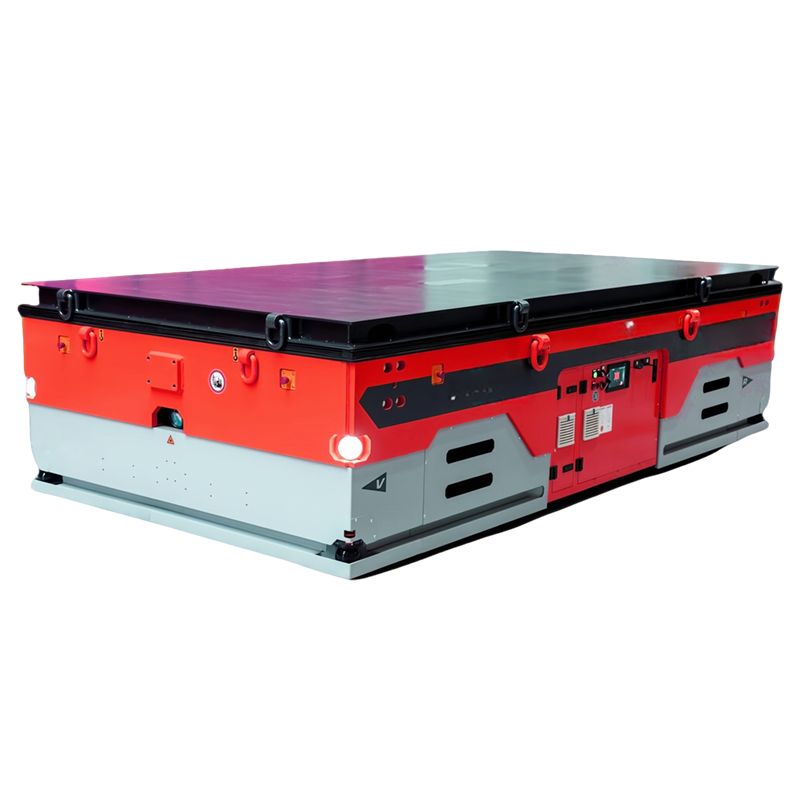
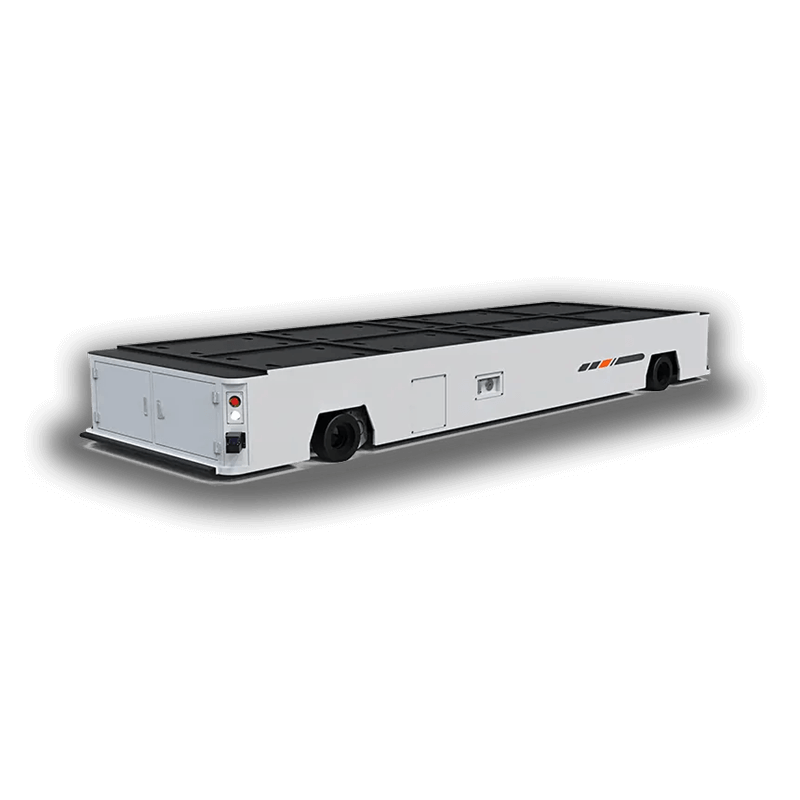
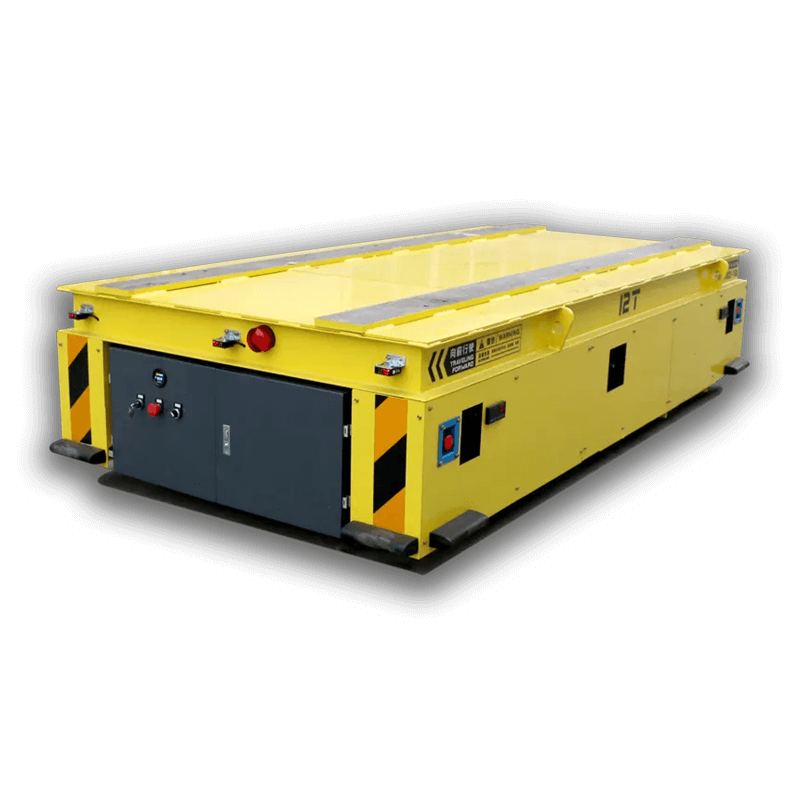
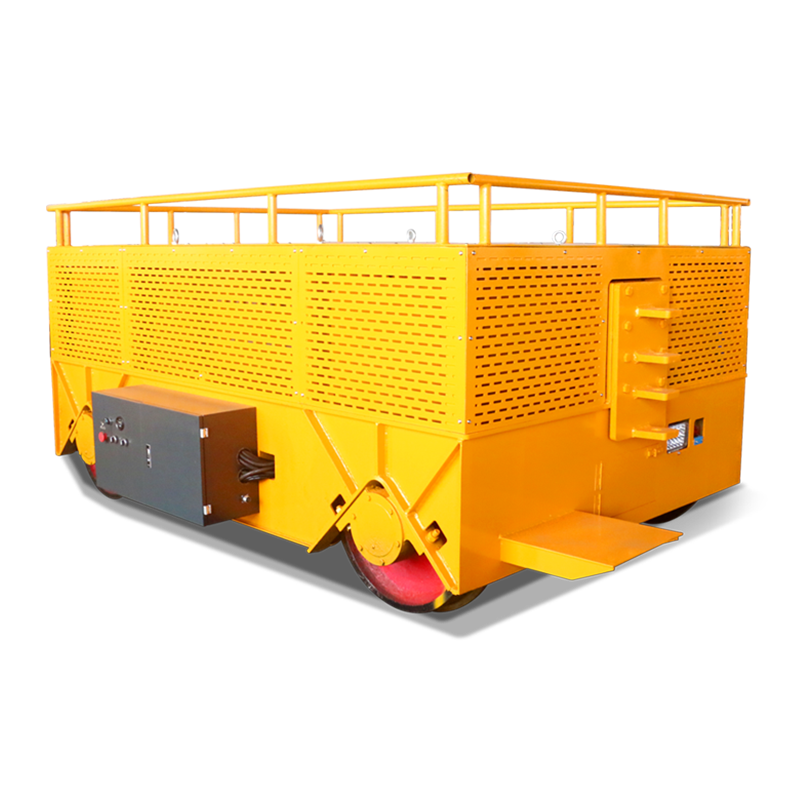
A standard AGV is ideal for simple horizontal transport tasks. It picks up loads at a fixed height and delivers them without changing elevation. This model works well for:
• Point-to-point delivery
• Trolley towing
• Bin or rack movements
• One-level pallet transfers
However, standard AGVs face limitations when loads must be lifted from the floor, docked at elevated stations, or interfaced with conveyors. Any height mismatch requires additional equipment or human intervention—reducing automation efficiency.
| Category | Specification |
|---|---|
| Product Type | Lift Automated Guided Vehicle (Lift AGV) |
| Primary Function | Automated transport with vertical lifting |
| Load Capacity Range | ≤1,000 kg / 1–2 tons / Up to 10 tons (customizable) |
| Lifting Mechanism | Servo-driven lift / Hydraulic lift (optional) |
| Lifting Stroke | Customized according to docking height |
| Lifting Accuracy | ±5 mm |
| Platform Type | Lift table / Conveyor-mounted lift platform |
| Conveyor Options | Roller conveyor / Belt conveyor |
| Transfer Method | Automatic loading & unloading |
| Docking Capability | Floor pickup / Conveyor docking / Rack & machine docking |
| Vehicle Structure | Reinforced industrial steel frame |
| Drive System | Electric drive with smooth start/stop control |
| Navigation Technologies | Laser SLAM / QR code / Magnetic tape / Hybrid |
| Travel Speed | Adjustable to match production cycle |
| Power Supply | Battery powered |
| Charging Options | Manual charging / Fast charging / Automatic docking |
| Control System | PLC-based industrial control |
| System Integration | MES / WMS / PLC / Robotic cells |
| Safety Sensors | 360° LiDAR, load stability sensors |
| Safety Functions | Obstacle detection, emergency stop, overload protection |
| Lift Safety Design | Anti-drop locking & overload protection |
| Warning Devices | Audible alarms, LED warning lights |
| Operating Environment | Production lines, warehouses, automated logistics |
| Typical Applications | Pallets, bins, cartons, line-side material transfer |
| Customization Scope | Lift height, platform size, conveyor type, navigation |
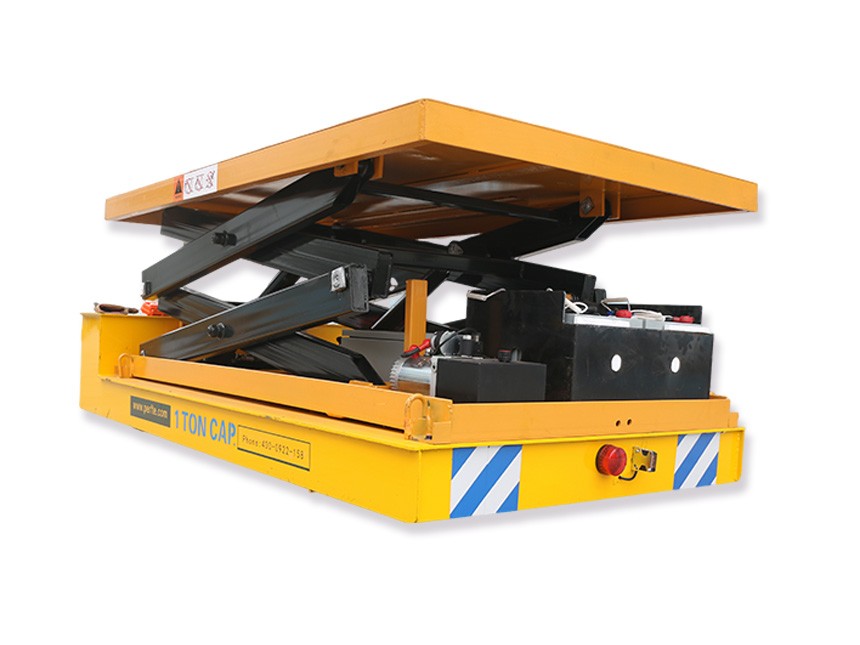
A Lift AGV adds a controlled vertical lifting platform, enabling it to raise, lower, and position loads at precise heights. This makes a dramatic difference in real-world workflows.
AOTENENG Lift AGVs provide:
• ±5 mm alignment accuracy for conveyor docking
• Servo or hydraulic lifting for smooth elevation changes
• Automated height matching for multi-level stations
• Fully unmanned pick-up and drop-off at varying heights
With these capabilities, a single Lift AGV can replace several pieces of auxiliary equipment, simplifying workflow design and reducing project cost.
Most modern production lines operate at a fixed elevation—higher than floor level.
A standard AGV cannot independently reach that height, but a Lift AGV can raise loads to match conveyor level and automatically transfer materials with roller or belt modules.
This enables:
• End-to-end unmanned conveyor integration
• Faster material handoff
• Improved line feeding accuracy
Many facilities use racks, assembly tables, and equipment interfaces at different heights.
Lift AGVs allow seamless transfers across these elevations, improving flexibility and reducing manual lifting.
A standard AGV often requires pallets to be pre-positioned on stands or docking fixtures.
A Lift AGV with a lift-table module can pick directly from the floor—removing the need for manual pallet staging equipment.
When product types or workstation heights change, standard AGVs require reconfiguration.
Lift AGVs simply adjust lifting height, making them ideal for high-mix, low-volume production lines.
AOTENENG’s customers typically see measurable improvements after switching from standard AGVs to Lift AGVs:
• 20–35% reduction in material transfer time
• 30–50% reduction in operator intervention
• More stable takt time across production lines
• Faster integration with automated equipment
• Lower long-term operating cost due to reduced fixtures and accessories
The combination of automated navigation + automated lifting significantly increases the automation level of the entire facility.
Lift AGVs offer major advantages in industries such as:
• Electronics (multi-height conveyor docking)
• Automotive (machine-to-line transfers)
• Packaging (carton and pallet elevation)
• Chemical & pharma (controlled-environment container handling)
• Metal processing (workpiece staging and machine loading)
Whenever materials need to move between different heights, Lift AGVs provide a clear operational advantage.
Standard AGVs are sufficient for simple, horizontal delivery loops.
But for factories aiming for higher automation levels, conveyor integration, or multi-level workstation transfers, Lift AGVs deliver far greater flexibility and value.
AOTENENG supports both options—but our Lift AGV models are engineered to handle the demanding, multi-height workflows common in modern smart factories.
You have questions, comments or general inquiries? We value your suggestions. Drop us a line! Fill the form below just to say hi or to send us any questions or comments you might have.